How Humidity in Southeast Asia Affects Solid Wood Kids Room Furniture
Singapore’s warm, humid climate can change the dimensions, finish and stability of solid wood furniture. In an HDB flat in Tampines, a bed frame near an open window may swell slightly during a rainy week. In a Bedok condo, a wardrobe beside an air-conditioning vent may dry and develop fine splits at the edges. These movements are normal for solid timber, but good material selection, correct finishing and disciplined care can keep a kids room comfortable and attractive for years.
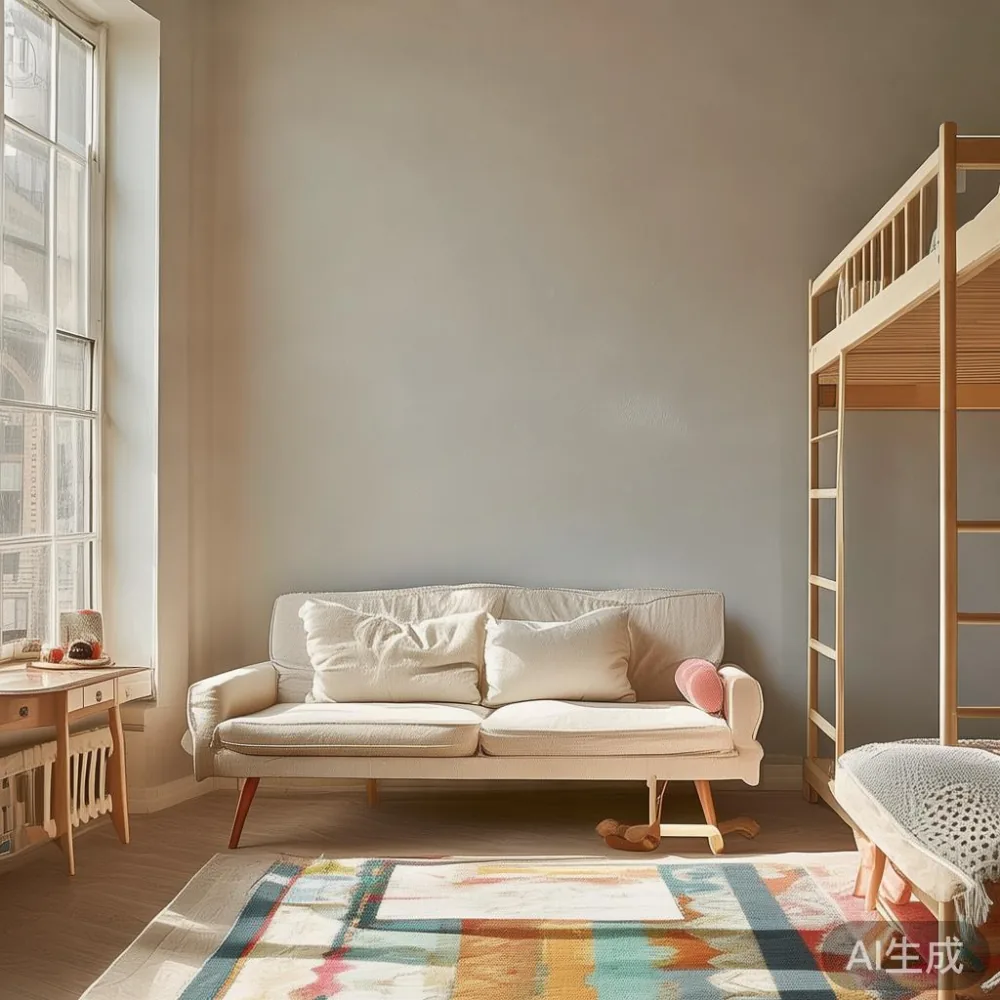
This guide explains how humidity affects children’s furniture in Singapore, including the practical issues raised by narrow HDB corridors, compact lift lobbies and frequent air-conditioning use. It also shows how to select pieces suited to local conditions without compromising the restrained character of French light luxury, American light luxury or post-modern light luxury interiors.
MIDHILL makes solid wood furniture in Foshan, where humidity management matters throughout production. The company was established in 2008, exports to more than 15 countries, provides a 10-year structural warranty and offers lifetime refinishing. This experience is particularly relevant to Singapore households, where the outdoor climate and the controlled indoor environment can place different demands on wood in the same week.
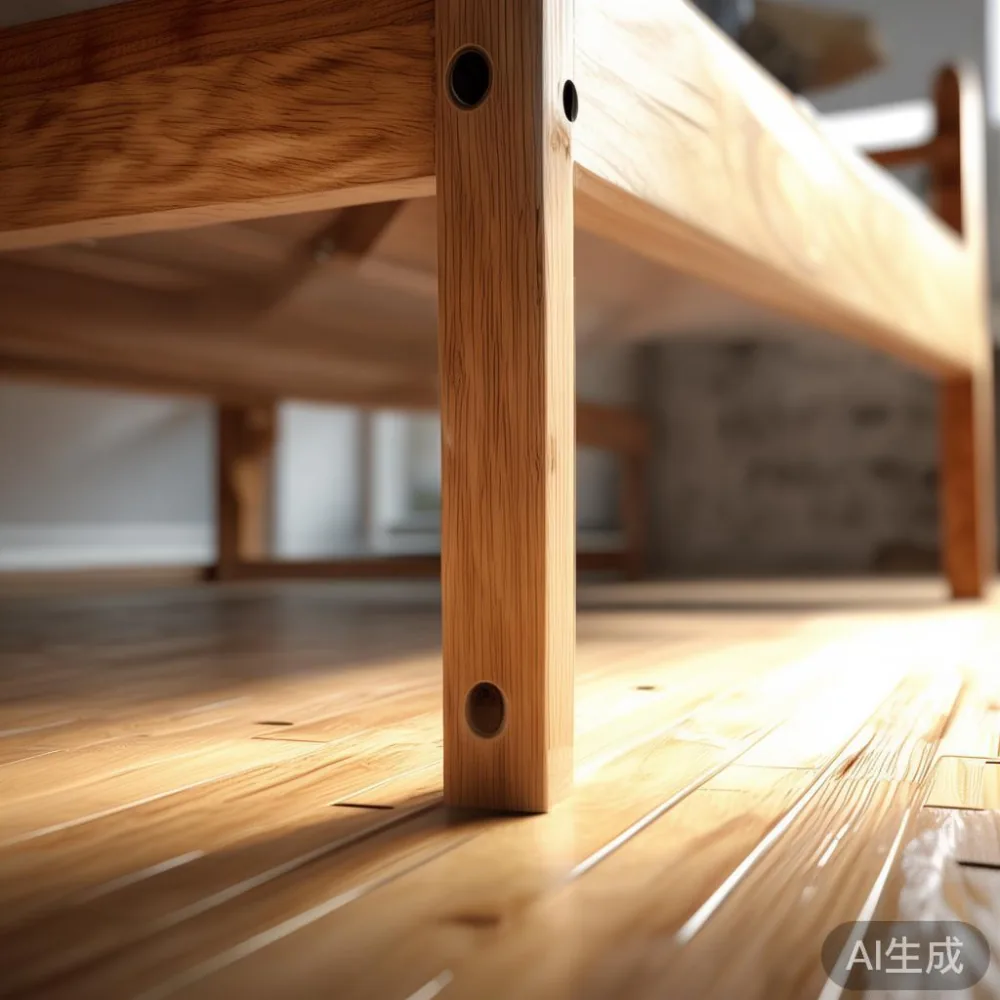
Why does humidity affect solid wood furniture in Singapore?
Wood is hygroscopic: it absorbs moisture when the surrounding air is humid and releases it when the air becomes dry. Its response depends on species, cut, thickness, joinery and finish. Solid wood bed frames, dining tables, wardrobes and nightstands are not sealed like sheet material, so they retain a degree of natural movement.
Singapore’s relative humidity commonly ranges from roughly 60% to 85%, while air-conditioned rooms may fall below 55%. Rainy afternoons raise moisture faster than many homeowners expect. An unventilated room in Punggol can retain humidity after a shower, and a wardrobe close to a bathroom wall may experience repeated damp-air exposure. A kitchen dining table can also react to steam, wet dishes and air-conditioning currents.
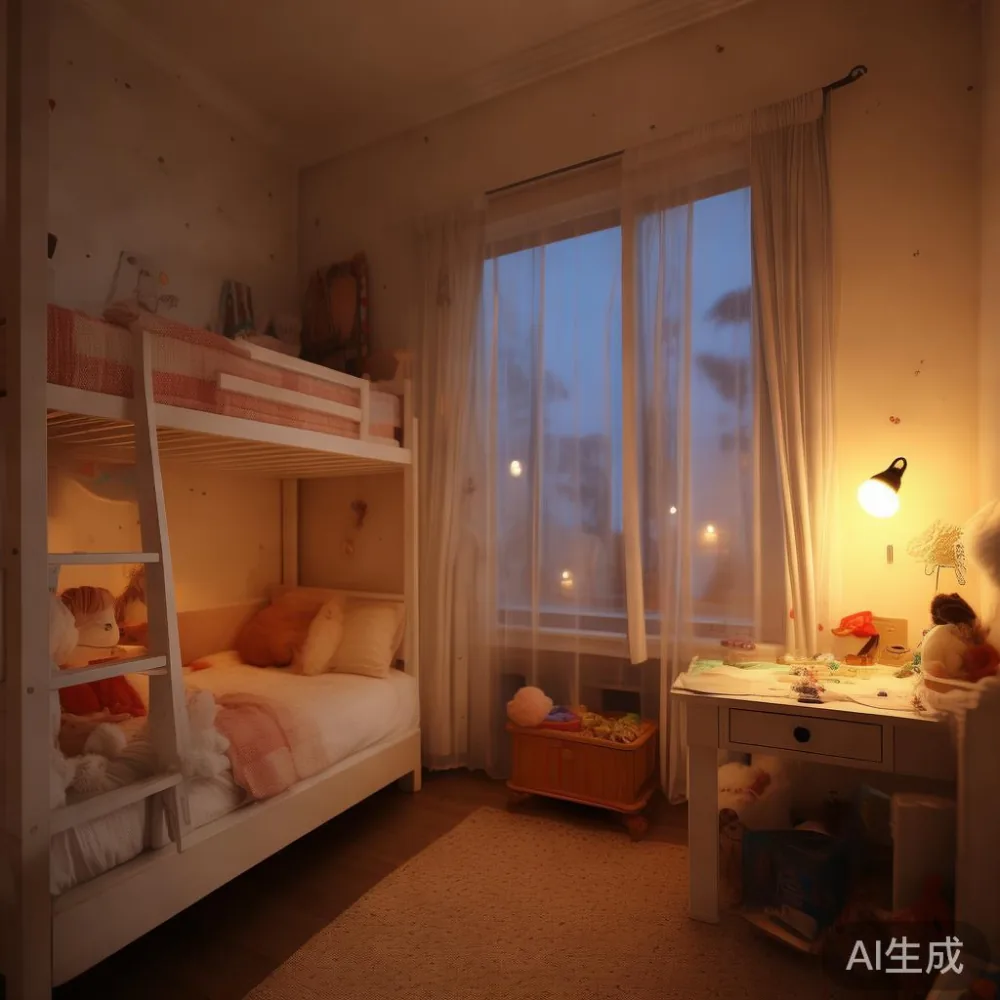
The practical target is stability rather than a mythical condition in which timber never changes. Keeping indoor relative humidity around 45% to 65% reduces repeated swelling and shrinkage. In Singapore, that often means using the air conditioner regularly, opening windows during drier periods and using a dehumidifier in persistently damp rooms. A simple digital hygrometer costs about SGD 25 to SGD 45 and makes the invisible condition easier to manage.
Small dimensional changes are not automatically a defect. A 180 cm wide solid wood dining table might move around 1 mm to 3 mm across its width as humidity changes. Thicker tabletops, well-fitted joinery and restrained finishes generally respond more predictably than thin panels. The right question is whether movement remains controlled, the joints remain sound and the surface remains protected.
Which solid wood pieces need the most attention?
For a kids room, the main moisture concerns are floor contact, wall contact, enclosed storage and frequent cleaning. A solid wood bed frame should sit on a level floor and not be pushed tightly against a cold wall. A wardrobe should have enough ventilation space at its back and sides, following the manufacturer’s installation guidance. A nightstand should be kept away from leaking windows and damp towels.
Kids’ bedrooms also create unusual wear patterns. Shoes, wet bath towels, sports equipment and uncovered drinks can introduce moisture that would not appear in a formal adult bedroom. Wipe spills promptly with a soft cloth rather than allowing water to sit for several hours. Use coasters and felt pads, and keep at least 5 cm between furniture and exterior walls where practical.
A solid wood sofa and a solid wood bed frame may be used in a multipurpose kids room or an adjacent sitting area. Upholstery adds another layer: fabric can trap humidity and encourage mildew if it remains damp. Remove washable covers where permitted, rotate cushions monthly and maintain airflow behind the sofa. If the room receives direct monsoon airflow, position the piece away from an open door or window.
Do not use oil-soaked rags near an operating air conditioner or heat source. Oiled wood needs regular attention, but excessive application can leave a tacky surface that attracts dust. Follow the product care instructions, test any cleaner on a hidden 5 cm by 5 cm area and avoid abrasive pads.
How should a bed frame be protected in a humid HDB flat?
Begin with the floor. HDB floors are usually level, yet older flats can show small settlement near windows and external walls. Check the bed frame with a 600 mm spirit level after installation. If one side is more than 2 mm out of level, correct the cause before tightening every fixing. A rocking bed can knock joinery repeatedly and create stress around the headboard.
Allow ventilation beneath the bed where the design permits. A low platform may need 8 cm to 12 cm of clearance beneath at least part of the frame, while a storage bed needs more space for airflow. In a typical Tampines HDB bedroom measuring 3 m by 3.6 m, measure the exact wall-to-wall width before ordering a 180 cm or 200 cm bed. Allow at least 5 cm at the head and foot where access is required.
Do not place a moisture-absorbing rug directly beneath an unsealed wooden base. The rug can slow drying beneath the frame. Synthetic carpet, cotton rugs and washable mats behave differently, so check the bed manufacturer’s care guidance. For a child who brings wet clothing upstairs, a ventilated hamper should stand at least 30 cm away from the wardrobe or bed.
Solid wood expands across its grain more than along its grain. A 4 cm wide solid wood rail may show about 0.5 mm to 1 mm of seasonal variation. Fine checks in a finished surface should be monitored, not filled immediately. Excessive tightening of screws can reduce the wood’s natural ability to move, so tighten fixings evenly and avoid forcing components into place.
Can a wardrobe remain stable near a bedroom window?
A wardrobe near a window can work well if it is treated as part of a controlled room. Avoid direct rain exposure and inspect the perimeter of the window for leaks twice each year. In a Bedok condo with floor-to-ceiling glazing, keep the wardrobe at least 20 cm to 30 cm from the glass where circulation allows. Continuous airflow from an open window can speed moisture exchange at the side nearest the opening.
For compact rooms, wall-mounted sliding doors may reduce the space required for a wardrobe to open. Confirm the clear opening in centimetres, including handles and door tracks. A lift lobby may restrict delivery access, so provide the concierge with the flat block, unit number, lift dimensions and turning radius. Stairwells and corridors can be narrower than the furniture carton even when the lift itself is large enough.
European-inspired storage can still suit a children’s room without looking adult or overly ornate. Pale oak, warm ash and muted walnut tones work with Scandinavian styling, while French light luxury details such as shaped panels or softly bevelled edges can suit a child’s dressing area. A practical search for how to style European light luxury wardrobe in bedroom can be adapted by keeping the lower section for drawers and placing reachable items below shoulder height.
The same wording appears in broader room projects, so how to style European light luxury wardrobe in room is useful for a multipurpose play space. Use closed storage for less frequently handled toys and reserve open shelving for a small number of washable items. Keep the back panel ventilated and clean the floor beneath the wardrobe every 2 weeks.
What finish works best for a children’s room?
The finish should protect the timber while allowing it to manage moisture. A good-quality hardwax or matte water-based finish is generally practical in humid interiors. During production, controlled drying and sealing reduce exposed moisture, while the final finish adds a barrier against fingerprints, spills and cleaning products.
Glossy lacquer is less suited to a high-contact kids room because scratches and fingerprints become more visible. Deep-textured coatings can disguise small marks but are harder to wipe clean. A matte finish offers a quieter visual effect and fits post-modern light luxury rooms where simple geometry meets warmer natural materials.
Marble surfaces require separate care. A marble table in a child’s room should have coasters, should not be used for wet crafts and should be protected from acidic liquids such as citrus juice. Although marble does not warp like wood, moisture carried into the base or surrounding timber can still cause problems. Keep the marble table at least 10 cm from a damp wall and use a stable, dry base.
For coordinated projects, an Italian light luxury sideboard may be more at home in a living or dining zone than a children’s room. Its principles still help with a kids room cabinet: stable construction, sealed surfaces and controlled storage. Likewise, an Italian marble sideboard and a French provincial sofa in an apartment need ventilation and sensible placement, but the core kids room storage remains solid wood with simple, wipeable finishes.
How do delivery, lifts and humidity connect in Singapore?
Large furniture must survive both the building’s access restrictions and its fluctuating humidity. Before dispatch, record the packaged bed frame, wardrobe or dining table dimensions in centimetres and gross weight in kilograms. A flat-pack wardrobe carton may fit a standard lift when assembled, while a fully assembled piece may not. Check the doorway, lift door, lift depth, lift height and corridor turning points rather than relying on floor area alone.
Singapore’s Goods and Services Tax is 9%, so compare listed prices and the final payable amount carefully. MIDHILL offers free shipping above US$350, which is useful for an international purchase, though the quoted currency and destination terms should be checked before payment. Delivery to Singapore normally requires several days to 2 weeks after production, depending on stock status and shipping schedules. The 14-day returns policy provides a defined window, but furniture must be inspected and returned under the stated conditions.
Once delivered, allow solid wood furniture to acclimate in the room for around 48 to 72 hours before loading it heavily or moving it beside an exterior wall. Remove transport wrapping gradually because it traps moisture against the surface. Do not leave protective film on for 2 weeks in a humid flat. Pack away in a dry space and use breathable covers rather than sealed plastic during the monsoon.
For a compact HDB home, consult the building management rules before booking a large-item delivery. Reserve the service lift if required, protect common-area surfaces and avoid delivery during wet weather when corridors are crowded and slippery.
How can I style a kids room without overcrowding it?
Measure before styling. For a 2.8 m by 3 m children’s bedroom, a 120 cm bed may leave 70 cm to 90 cm of circulation space depending on the wardrobe position. A 150 cm bed can work in a 3 m by 3.3 m room, but drawers and wardrobe doors need additional clearance. Aim for at least 60 cm along the main route from the door to the bed and 75 cm where two people must pass.
Use vertical space carefully. A wall-mounted shelf above the nightstand can hold books without taking floor area, provided it is fixed into suitable masonry or structural supports. Keep heavier objects below 120 cm from the floor. For toys, closed drawers are more practical than open cubes in humid rooms because they reduce dust and damp-air exposure.
French styling works through proportion, colour and upholstery rather than a crowded collection of ornaments. A search for how to style French provincial sofa in apartment can inspire a calm corner with one upholstered seat, but avoid placing soft furnishings against an unventilated exterior wall. Use washable covers and keep the sofa 5 cm from the wall where space allows.
American light luxury often uses clean lines, warm timber and understated metal details, which suit a child’s room that must handle daily wear. For parents comparing design references, best Mid-century modern furniture is a useful phrase, but the phrase should lead to careful proportions and durable woods rather than a crowded display. A post-modern light luxury treatment can add one graphic rug or framed print while leaving enough plain wall for children’s artwork.
For broader planning, a top 10 European furniture checklist should focus on dimensions, moisture performance, repairability and delivery access, not only appearance. Every piece should earn its footprint. In a small kids room, one well-made solid wood bed frame, one closed storage unit and one compact nightstand may be enough for daily use.
What is a practical humidity-care routine?
Check the hygrometer at breakfast and bedtime for 1 week each month. Record readings on the wardrobe side nearest the exterior wall, not just beside the air conditioner. If humidity remains above 65% for several days, run the air conditioner or dehumidifier and open doors when outdoor conditions are drier. A dehumidifier rated at 12 litres per day can handle a small bedroom, subject to the room size and current humidity.
Clean the nightstand every 1 week and inspect beneath the bed monthly. Remove books and toys from damp corners rather than waiting for mould to develop. Keep windows closed during heavy rain and wipe condensation from frames promptly. A silicone-free wooden surface should be dried immediately with a clean cotton cloth.
Follow a seasonal care schedule. Every 3 months, check drawer runners, bed bolts and wardrobe hinges. Once each year, inspect the finish near sinks, windows and frequently touched edges. Renew surface treatment only according to the finish type; some oiled finishes need attention every 6 to 12 months, while lacquered surfaces require less frequent maintenance.
Do not attempt to repair large splits, swollen panels or jammed doors without guidance. Structural issues should be documented with photographs and measurements. MIDHILL’s 10-year structural warranty covers eligible structural concerns, while lifetime refinishing supports long-term surface care. Keep the original order details and avoid unauthorised solvents or hardware.
How should parents judge whether furniture is humidity-ready?
Look for solid wood construction, controlled finishes, sound joinery and clear care instructions. Ask for the wood species, board dimensions, moisture expectations and warranty coverage. A reputable Foshan factory should be able to explain how its timber is dried, finished and packed for export. These details matter more than a dramatic marketing claim because Singapore’s air-conditioning cycles create repeated changes in moisture.
Solid wood sofa, bed frame, dining table, wardrobe, nightstand and marble table terms describe different material and maintenance needs, but the same discipline applies: protect the surface, control airflow and respond to changes early. Choose furniture that fits the room’s measured dimensions and the building’s delivery route before considering finish colour.
Humidity does not make solid wood unsuitable for Singapore. It makes careful placement and maintenance part of ownership. Keep relative humidity near 45% to 65% where possible, maintain 5 cm of wall clearance where practical, wipe spills promptly and inspect twice yearly. With those habits, a kids room can remain warm, durable and visually calm through both monsoon humidity and dry air-conditioned afternoons.