What to Check Before You Buy a Sofa You Cannot Sit On
Buying a sofa online is easy. Living with the wrong sofa in a Tampines 4-room HDB is the hard part. Last month I visited my colleague Priya's new flat in Punggol after she took delivery of a 2.4-metre modular set. The pieces cleared her 900 mm wide lift door by a thumb's width, but the corner unit refused to bend past the second switchback on the 12th-floor corridor. Two delivery men, one helper, and forty sweaty minutes later, the box sat in the car park. The sofa went back. A different sofa came the next week, after she had learned what she should have checked on day one. This guide is the list she wished she had.

How wide is the lift door in most Singapore HDB blocks, and why does that number decide everything?
The standard HDB passenger lift door in blocks built from the early 2000s onward measures roughly 900 mm wide and 2,100 mm tall. Internal cabin depth runs 1.35 m to 1.6 m, and the diagonal from floor to ceiling corner is what you actually need to measure, because that is the longest straight line a sofa back will trace when tipped on its side. A 2.1-metre three-seater with a 95 cm deep frame clears 900 mm wide lifts only if you remove the legs and cushions first. A 2.3-metre L-shape almost never does without disassembly.
For private condos in districts like Bedok Reservoir or Punggol Field, lift cars are usually larger (1,100 mm doors are standard in newer developments such as Treasure At Tampines), but service lift access for big deliveries is often only granted between 10 am and 4 pm on weekdays. Confirm that booking before you pay a deposit.
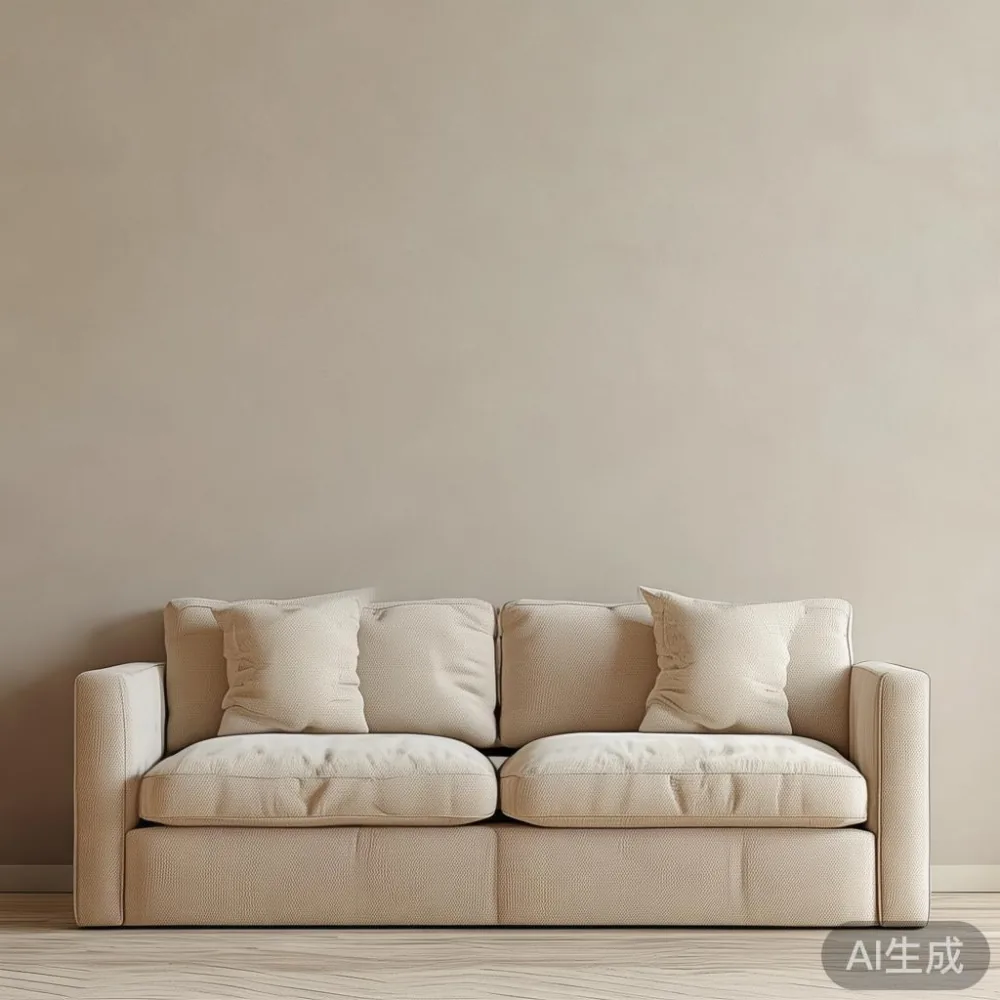
My own rule after Priya's saga: take a measuring tape to the lift lobby on the day you visit the showroom. Measure door width, cabin depth, ceiling height, and the diagonal across the cabin corner. Photograph the panel of lift restrictions. If your sofa back, wrapped in cardboard and stretch wrap, exceeds that diagonal by even 4 cm, the piece will not fit. No amount of foam and plywood on the floor of the cabin will save you.
What dimensions on a sofa weight scale should I write down before clicking pay?
Five numbers, in this order:
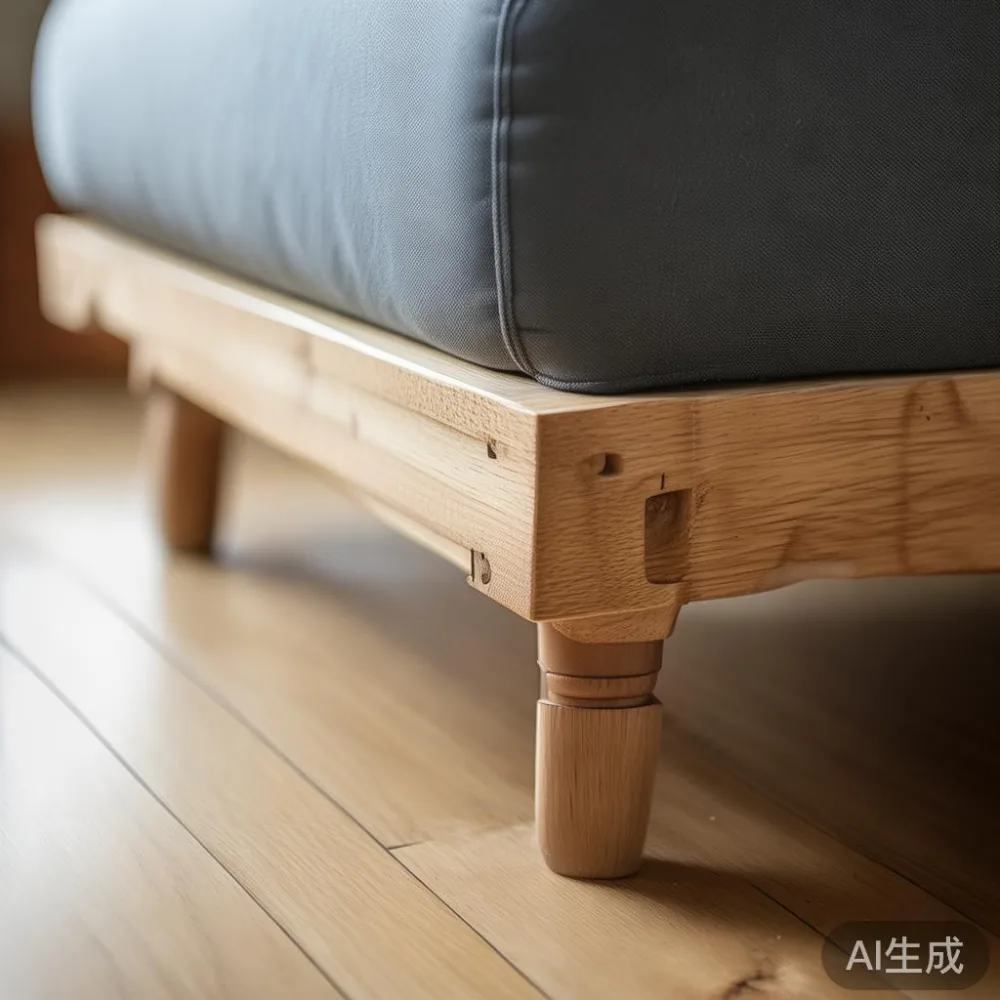
1. Total packed weight in kg. Anything above 90 kg for a three-seater usually means a kiln-dried solid wood frame inside the cardboard. Anything below 55 kg often points to plywood, MDF, or a mix. MIDHILL lists packed weights on every product page for exactly this reason, and a typical three-seater solid wood sofa from their range lands between 95 kg and 115 kg.
2. Frame weight alone. This is harder to find, but ask the seller. Solid ash or solid beech frames add 18-26 kg over their MDF cousins, and that extra weight is what stops a sofa from sagging at seat number four after year three.
3. Number of boxes. A single-box 2.4-metre sofa cannot be carried up a 12th-floor corridor in one piece, because most HDB corridors turn through a 90-degree bend within 6 metres of the lift.
4. Longest single piece in cm. For a 2.2-metre sofa, the longest piece after leg removal is usually 195 cm. For a 2.4-metre sofa, plan on 215 cm. Both must clear your lift diagonal.
5. Seat height in cm after assembly. Singapore families with toddlers often want 42 cm to 45 cm seat heights so little legs reach the floor. Anything above 50 cm pushes a child forward and into a slouch.
Pencil these into your phone notes the day you shortlist. Compare them against the lift, the corridor, and the doorway of the room where the sofa will live.
Is the frame solid wood, plywood, or something else, and how can I tell from a product page?
Look for three signals. First, the wording. "Solid wood sofa" with a named species (ash, beech, oak, rubberwood) is the strongest claim. "Solid wood frame" with no species is weaker. "Wooden frame" or "timber frame" can mean anything. Second, the joinery. Mortise and tenon, dowelled corners, and corner blocks screwed, not stapled, are the traditional signs. Third, the warranty card itself. MIDHILL, for instance, prints a 10-year structural warranty on every solid wood sofa they ship to Singapore, which is ten times the industry floor for fabric-covered frames and a useful proxy for how seriously the maker takes the skeleton underneath the cushions.
Ask the seller to send a photo of the inside of the frame, with the cushion wrap pulled back. You should see continuous grain along the length of the rails, not thin sheets laminated together. If the photo shows layers, you are looking at plywood or blockboard, which is acceptable for non-stress panels but a poor sign for the main load-bearing rails.
What about fabric rubs, stain protection, and the reality of kids room life?
Singapore humidity sits between 70 percent and 90 percent for most of the year. Kids spill, smear, and draw on everything below 90 cm. Two specs matter: Martindale rub count and a real stain treatment.
For a family sofa in a kids room, ask for 40,000 Martindale rubs or higher. Anything below 25,000 will pill on the armrest within eighteen months. For fabric, a tight weave (under 1 mm tails for cushions, even tighter for arms) wipes clean far better than a loose boucle that traps milk and Milo. A factory-applied fluorocarbon stain guard such as Crypton or a water-based equivalent is worth a 5-8 percent upcharge in Singapore dollars.
Last school holidays my nephew Azri turned Priya's brand-new cream boucle sofa into a hand-painted map of Pulau Ubin. We blotted, dabbed with mild detergent, and the fabric survived. The frame has not creaked since. That same sofa is now part of an ongoing test we run on every kids room setup we photograph for our MIDHILL notes, and the recovery after three spilled cups, two crayon incidents, and one marker disaster is what separates a family sofa from a showroom sofa.
Will a marble table and a bed frame and a nightstand survive the same trip up the lift?
Often no, and that is the trap. Buying a kids room suite from the same seller (a solid wood sofa, a low bed frame at 1.5 m by 2 m, a three-drawer nightstand, and a small marble table for a reading corner) sounds efficient. In practice, marble tops are usually crated separately at 70 kg to 95 kg for a 90 cm round, and the crate dimensions can exceed your lift diagonal even when the table itself would. Bed frames split into headboard, side rails, and slats, but the headboard is often the tallest single piece and the first to jam against the cabin ceiling.
Sequence your delivery. Sofa first, because it usually arrives in the most pieces and benefits from an in-home assembly team. Bed frame and nightstand second, ideally on a different day so the corridor is clear. Marble table last, on a weekday morning when the service lift is free. If you are comparing under 2000 European light luxury furniture packages for a kids room refresh in 2025, plan the logistics before you plan the design.
How does light-luxury styling change the maths?
French light luxury leans on curved silhouettes, brushed brass legs, and boucle or velvet upholstery in cream and sand. American light luxury leans on clean lines, deep seat depths of 60 cm to 65 cm, and performance linen in greys and stone. Post-modern light luxury leans on mixed materials, walnut or oak frames with matte black metal, and rounded-corner cushions. All three work in a Singapore kids room, provided you pick a fabric with at least 40,000 Martindale rubs and a frame that passes the lift test.
Storage is the other variable. A solid wood sofa with a lift-up seat or pull-out drawer underneath adds 12 cm to 18 cm to the seat height, but it removes the need for a separate toy chest in a small kids room. A bed frame with two or three under-bed drawers does the same for stuffed animals and spare linen. If you are browsing French sofas for sale right now and weighing European light luxury with storage against a plain three-seater, run the lift-diagonal math twice. The storage adds length, weight, and a longer single-piece dimension.
Is European wardrobe worth it for a kids room in Singapore, and what about a dining table or an Italian light luxury wardrobe?
Many Singapore buyers ask whether an Italian light luxury wardrobe, with its 25 mm thick solid panels, soft-close hinges, and full-extension runners, makes sense in a kids room where the wardrobe may be replaced within seven years. The honest answer: the hardware lasts, the finish lasts, but the proportions rarely suit a child past age ten. A 2.2-metre tall, 90 cm deep European wardrobe in a 4-room HDB master bedroom often leaves only 80 cm of walking space on one side, which is awkward for a parent making the bed.
For a kids room wardrobe, a 1.8 m tall, 55 cm deep European light luxury with storage (interior drawers, two hanging rods, an upper shelf) is usually the sweet spot. It fits below the typical HDB window lintel of 2.1 m, leaves walking space, and the soft-close hinges will outlast three children. Whether you choose an Italian light luxury wardrobe or a European mid-range equivalent, check the same five numbers you would check on a sofa: packed weight, longest single piece, number of boxes, frame material, and warranty card.
The same checklist applies to a dining table. If you want a Rustic for dining room solid oak table with a 2 m top, measure the lift diagonal first. Many rustic tops ship as a single slab in a crate that exceeds 215 cm, and the crate will not fit through a standard HDB lift even when tipped. Plan for a table that splits into two halves with a bolted centre, or accept a 1.6 m top that fits without disassembly.
What does a fair Singapore dollar price look like for a solid wood sofa in 2025?
For a three-seater solid wood sofa in ash or beech, with a 40,000-rub fabric and a 10-year structural warranty, the current Singapore dollar range across showrooms in Tai Seng, Eunos, and the Joo Seng cluster runs from S$2,400 to S$4,200 for the sofa alone. Anything below S$2,000 is almost always plywood or MDF with a thin wood-veneer wrap. Anything above S$5,500 is paying for the brand label or a European fabric.
Delivery within mainland Singapore is commonly free above S$350, which a sofa clears on its own. Installation is usually free on weekday slots, with a S$60 to S$120 weekend uplift. GST is added at 9 percent on the final invoice, including delivery if delivery is bundled into the selling price.
What is the realistic return and warranty path if the sofa arrives damaged?
Photograph the unboxing. Every panel, every corner, every scuff. Photograph the lift, the corridor, and the cardboard wrap before you cut it. Send these to the seller the same day. A 14-day return window for change-of-mind and a 14-day replacement window for transit damage are now standard at the better Singapore distributors. Refinishing, including colour refresh, scratch repair, and fabric patching, is offered lifetime on solid wood frames by a small number of makers, MIDHILL among them, and that single policy can save you S$400 to S$900 over a decade of kids room use.
Keep the original boxes for thirty days even after assembly. If the back cushion flattens or a rail creaks, the box is the fastest route to a swap or a workshop repair.
What should I do this week, in order, before I pay a deposit?
One: measure your lift door width, cabin depth, ceiling height, and the corner diagonal. Two: measure the corridor from lift to door, including any 90-degree bends within the first 6 metres. Three: shortlist three sofas that pass those two tests. Four: for each sofa, write down packed weight, longest single piece, frame material, Martindale rub count, warranty years, and Singapore dollar price including GST. Five: book a service lift slot in your block for delivery day before you confirm the order. Six: ask the seller for a written confirmation that the longest single piece, after leg removal, fits your specific lift cabin.
If those six steps feel like a lot of homework, that is the point. A solid wood sofa, a matching bed frame, a nightstand, a marble table, a wardrobe, and a dining table are six decisions that will live in your flat for the next decade. Spend two evenings at your lift lobby. Save yourself a S$150 redelivery fee, a S$300 restocking charge, and the kind of week Priya had last month when her sofa went back to the warehouse.