In real rooms
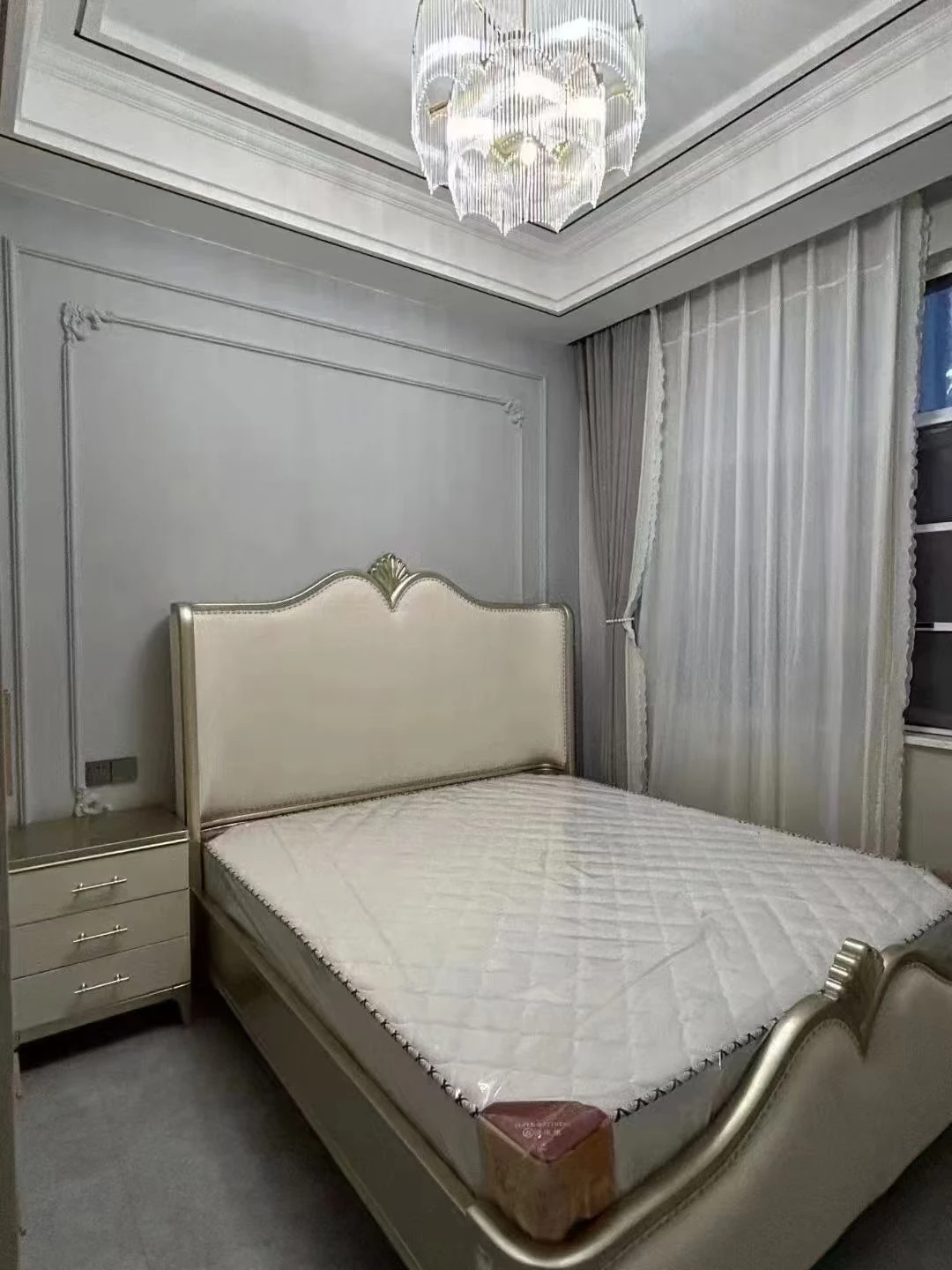
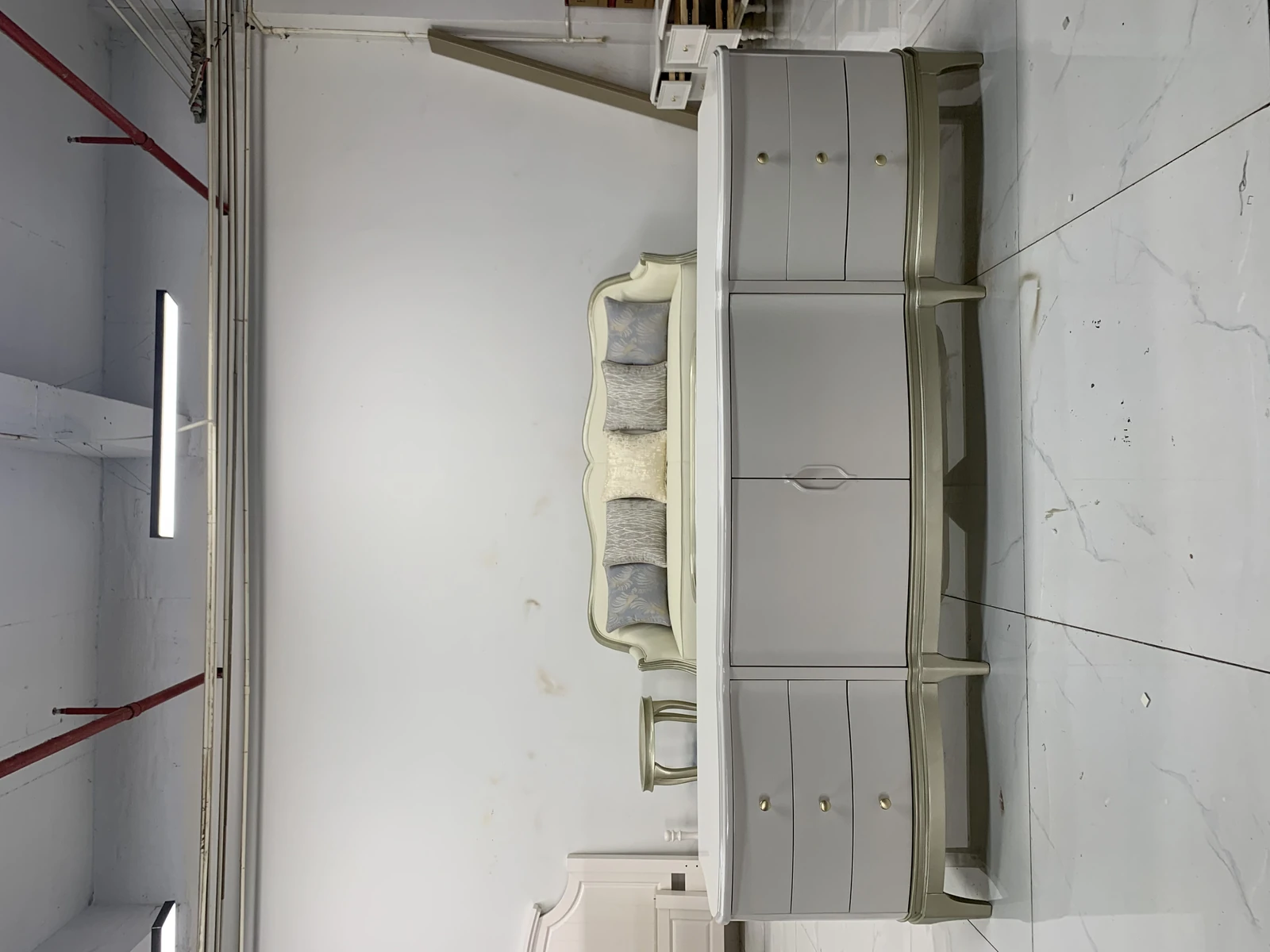
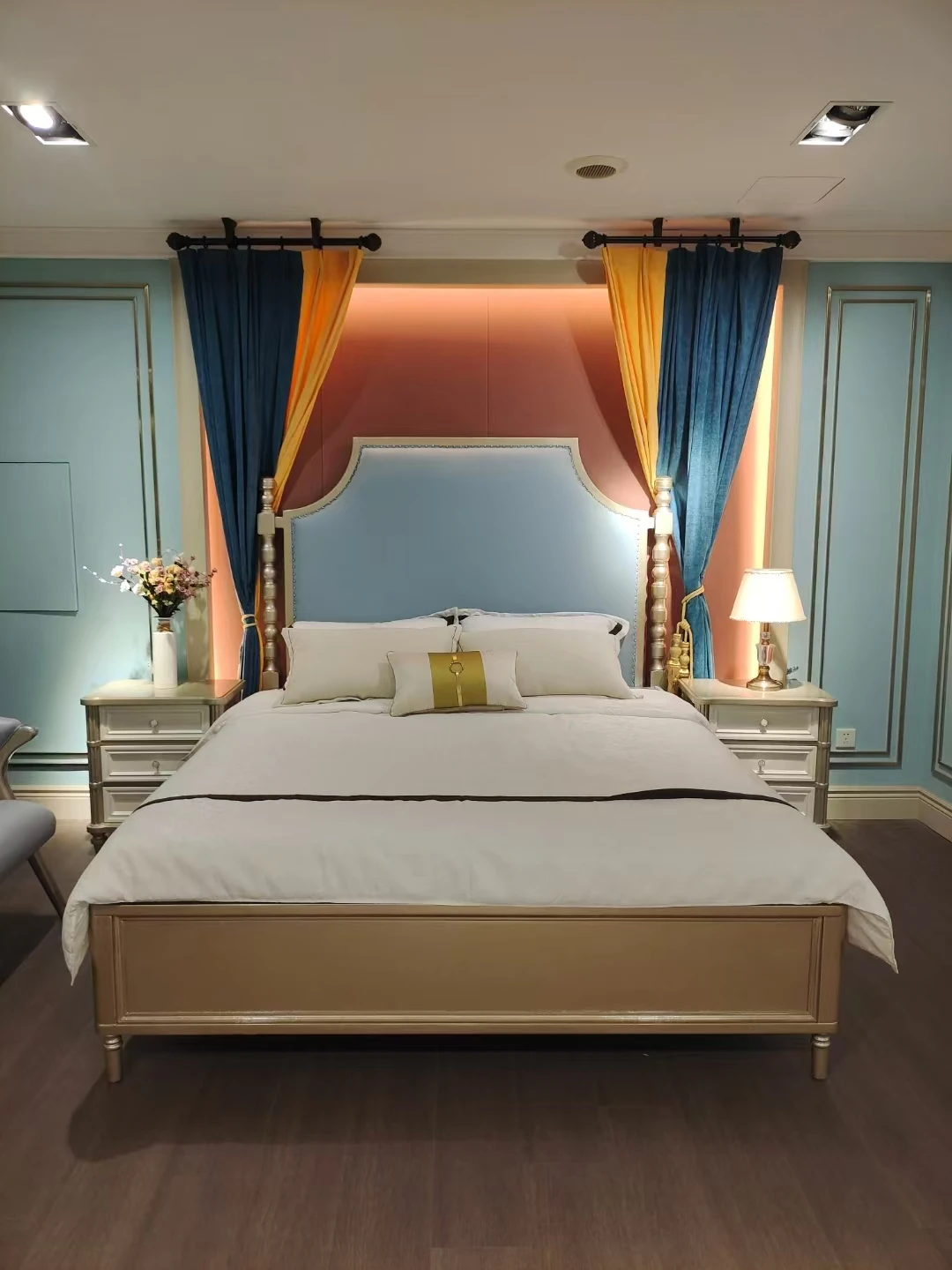
Singapore Kids Room Furniture Guide
Every parent deserves a space that grows with their child — from nursery to teenage sanctuary. Our curated guides cover everything from HDB room layouts to safety-certified furniture picks across Singapore.
Explore 20 expert-written articles designed to help you make confident, budget-smart decisions without compromising on style or safety.
Browse All GuidesBefore browsing, measure your child’s room carefully: note doorway and stairwell dimensions so the assembled furniture can actually reach the space. Measure wall lengths, window positions, and ceiling height to understand what footprint works. Compare materials – solid timber and tempered glass outlast particleboard in humid climates common across Southeast Asia. Verify that corner edges are rounded or fitted with guards, and check for sturdy anchoring hardware to prevent tipping. Always ask about assembly requirements, warranty coverage, and whether the supplier offers local after-sales support. In compact urban apartments across Singapore, Tokyo, Seoul, and Bangkok, multi-functional pieces like loft beds with storage drawers maximise every centimetre. Prioritise non-toxic finishes and breathable fabrics suited to tropical or four-season climates alike.
In humid Southeast Asian climates and dense urban homes across Japan, Korea and Thailand, durability comes down to three things: material choice, joinery and visible red flags. Solid rubberwood or birch plywood outperforms particleboard in moisture-prone regions, resisting warping and swelling. Look for dowel-and-glue or mortise joints rather than staples and cam locks, which loosen after repeated use. Drawers should glide on metal side-mount slides, not routed wooden grooves. Warnign signs include thin veneers that chip at edges, wobbly frames under light pressure, and finishes with a strong chemical odour that lingers—indicating low-grade adhesives. Invest in pieces built to survive active years, not just Instagram photos.
A child's bedroom in Singapore demands compact, multi-functional furniture—built-in desks and loft beds maximise floor space in HDB flats where every square foot counts. In Malaysia, where humidity runs high year-round, breathable materials and elevated bed frames help combat moisture and reduce mould risk. Japanese children's rooms often reflect a minimalist aesthetic, with low-profile storage and tatami-compatible flooring that doubles as play and study space. Korean rooms tend to prioritise study zones, with ergonomic seating and ambient lighting supporting long homework sessions. Meanwhile, Thai bedrooms benefit from cross-ventilation design, lightweight furnishings, and shaded window treatments to stay cool without over-relying on air conditioning. Each market shapes furniture choices around climate, housing size, and daily routines.
Most shoppers want to know if furniture fits actual floor plans, especially in compact apartments common across Singapore, Tokyo, and Seoul. They ask whether materials are non-toxic and meet regional safety standards like Japan’s JIS or Singapore’s SS 586. Durability under daily wear is another top concern—kids grow fast, so adjustable beds and modular storage get frequent requests. Buyers also check if designs comply with local electrical and fire regulations, particularly for built-in units. Finally, many want confirmation that finishes resist stains and scratches, since maintenance matters more than aesthetics in busy households.
Want the longer version? Browse all buying guides for this category.
Answers to what Singapore buyers ask most