How to Care for Lacquered Furniture in a Tropical Kids Room
Singapore’s heat and humidity can make lacquered surfaces look tired faster than solid wood underneath. A child’s bedroom in an HDB flat in Tampines may face warm air from the corridor, afternoon sun near a west-facing window, and condensation from an air-conditioner. In a Bedok condo, polished surfaces can also collect dust and fine salts carried on shoes. Good care for a kids room therefore depends on controlled wiping, gentle products, sensible placement, and quick attention to scratches rather than occasional aggressive cleaning.

This guide explains how to maintain lacquered kids-room furniture while keeping its colour and sheen. It covers a solid wood bed frame, a lacquered wardrobe, a small nightstand, and the hard-wearing surfaces used around a child’s daily routine. A sample care kit should cost less than SGD 30, while replacement or repair work should be planned well before the furniture shows visible damage.
Why does lacquer need special care in Singapore?
Lacquer creates a thin, decorative finish over wood or a prepared base. It may feel smooth and durable, but it is still sensitive to prolonged moisture, high temperatures, abrasive cloths, and household chemicals. Singapore’s relative humidity often reaches 80–90% during monsoon periods, while indoor surfaces can exceed 30°C in a poorly ventilated room.

A common mistake is to treat lacquer like a washing-up bowl. Wiping with a soaked cloth can force moisture into joints, leave a dull film, or cause lacquer to lift if moisture lingers around screw holes and edges. The aim is to remove marks with a lightly damp cloth and dry the surface within 2 minutes.
Storage and placement matter just as much. Keep lacquered pieces at least 30 cm away from an air-conditioner’s direct airflow, and do not place a lacquered nightstand directly beneath a window that receives direct afternoon sun. In a compact HDB bedroom, this can mean using a blind or applying a UV-filter film rated for at least 40 UV-protection index. For a larger condo room, the same 30 cm buffer reduces repeated heating and drying.
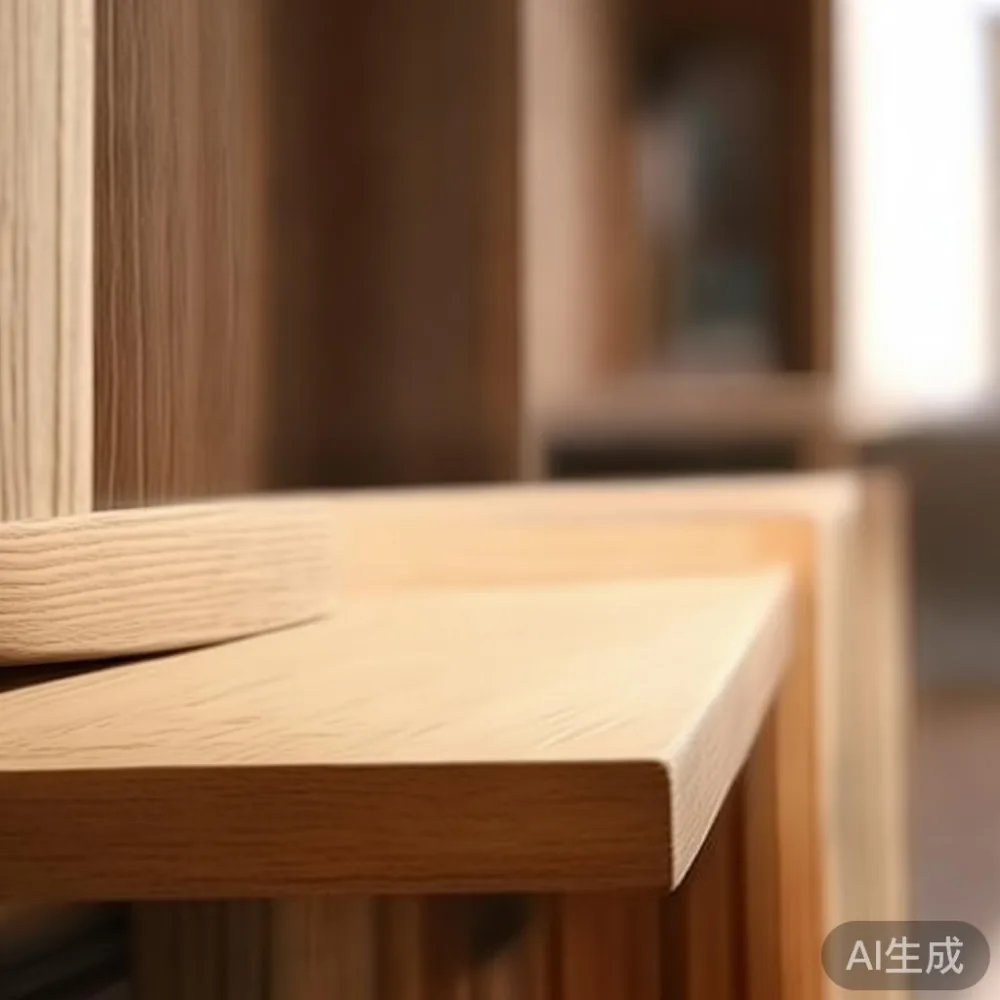
Watch the finish, not just the furniture. A healthy lacquered surface should show an even reflection and no whitening, blistering, or sticky patches. If a mark cannot be removed after 3 gentle attempts, stop. More pressure can turn a small stain into a dull patch or push moisture below the coating.
What supplies should I keep for lacquer care?
Prepare a small care kit with a microfibre cloth, a soft cotton cloth, a soft-bristled brush, a neutral diluted soap, and distilled or filtered water. A 30 cm microfibre cloth, 25 cm cotton cloth, and 15 cm brush usually cost SGD 12–18 altogether. Add a pH-neutral surface cleaner and spend the remaining SGD 5–12 on a small moisture meter if the room has persistent condensation.
Mix 5 ml of mild, fragrance-free dish soap with 500 ml of water. Test the solution on a hidden 5 cm section for 10 minutes, then dry it with a clean cloth. Avoid bleach, ammonia, vinegar, alcohol, furniture polish containing silicone, and abrasive pads. Their residue can make lacquer patchy or reduce the grip of a protective finish.
For dusty areas, use the soft brush with the grain, moving from the back of the furniture towards the front. Vacuum nearby floors first, especially in Punggol homes where construction dust and corridor grit can settle quickly. Keep the brush dry; moisture plus grit can act like fine sandpaper.
A coaster is useful on a lacquered nightstand, but the base should be at least 8 cm wide and have a smooth, non-abrasive underside. Place it beneath a 350 ml water bottle, not a metal can left in condensation. A silicone pad may mark some lacquer finishes, so test it for 24 hours before leaving it in place.
How should I clean a lacquered bed frame, wardrobe, and nightstand?
Begin by removing loose dust with a dry microfibre cloth. For a lacquered solid wood bed frame, inspect the headboard, footboard, and side rails every month. Wipe along the grain with mild solution, keeping water away from joints. A typical child’s bed frame should be dry within 2 minutes.
For a wardrobe, clean the doors and drawer fronts in sections of about 60 cm. This prevents moisture from spreading across a large panel. Pay attention to handles and lower edges, where fingerprints and scuffs accumulate. Do not pour cleaner directly onto the lacquer. If sticky food or paint is present, lift it with a barely damp cloth rather than scraping with a knife.
A lacquered nightstand needs more frequent attention because it holds cups, crayons, sunscreen, and small medicine bottles. Remove objects first, then clean beneath them. Wipe bottles and cups separately, because a ring left under a container can remain long after the surface itself has been cleaned.
Clean marks with a soft cloth, not a sponge with a rough green side. After wiping, use a separate dry cloth until no cool patch remains. This second drying step is important in a tropical room because condensation can form when a cool surface meets humid air.
For pale lacquer, avoid “magic erasers” and ordinary erasers. A mark should disappear within 2 gentle passes or be left for professional assessment. Abrasive rubbing changes the sheen permanently, even if it removes the visible mark.
Can I use a steam cleaner or polish a lacquered kids room?
Do not use steam on lacquered furniture unless the furniture maker specifically permits it. A steamer can force moisture into seams and soften adhesive or underlays. It also creates a sharp temperature change: a panel heated to 45°C may cool rapidly in an air-conditioned HDB bedroom.
Do not apply wax or polish simply because the surface looks dry. Silicone-heavy products can create a temporary shine but attract dust, and their residue is difficult to remove. If the lacquer needs restoration, obtain a product approved for that exact finish. Test it on a concealed area and allow at least 72 hours before judging the result.
For high-touch areas, ask the supplier about a compatible clear protective treatment. It should be breathable, water-based, and suitable for children’s rooms. Some coatings change gloss slightly, so test a 10 cm square near the back of a panel first.
A lacquered dining table elsewhere in the home can provide a useful comparison. If the supplier recommends a cleaner for that surface, check whether the same product is suitable for cabinetry; kitchen cleaners may contain degreasers that dull bedroom lacquer. The same caution applies to a marble table: acidic spills should be wiped away promptly, but marble must never be transferred to a wood or lacquer treatment.
How do I deal with scratches, dents, and sticky lacquer?
Minor scratches can sometimes be reduced with a lacquer-safe touch-up product matched to the colour and sheen. Deep scratches that expose wood need a different repair method. Measure the affected area before attempting work. A 2 cm chip may be manageable, while a 15 cm split across a bed-frame corner requires assessment.
For a small mark, clean the area, dry it, and test the touch-up on a concealed section. Use a fine cotton swab and apply less product than seems necessary. Allow it to settle for 10 minutes before buffing. If the result gathers dust or feels sticky after 24 hours, remove it according to the product instructions rather than adding another coat.
Sticky lacquer often comes from heat, trapped moisture, or an incompatible cleaning product. Move the item away from the warm side of the room and reduce airflow from the air-conditioner. Do not place the item in direct sun to “dry” it. If stickiness remains after 48 hours in a ventilated, non-direct-sun location, contact the maker.
Dents should not be filled with household wax. Lacquered components can move slightly during Singapore’s seasonal humidity changes, and filler may shrink or crack. Take photographs in daylight, note the dimensions, and send them to the supplier with the purchase date.
Professional refinishing can restore a damaged surface, but it may change the appearance of a single panel. For matching furniture, request 3 finish samples and keep them together for 24 hours under the room’s normal lighting. This matters in a Tampines flat where corridor light may look cooler than afternoon sunlight.
What is the safest way to move lacquered furniture through HDB flats and condos?
Measure before delivery day, including the lift door, lift cabin, corridor turns, stair landings, and bedroom doorway. Leave at least 5 cm clearance for the actual furniture and allow a further 5–10 cm for hand clearance. If a wardrobe cannot pass upright, check whether it can be turned without striking the lift ceiling.
Protect the lacquer with moving blankets and cardboard. Wrap corners first, then cover broad panels. Use straps rather than adhesive tape directly on the finish. A 120 × 120 cm blanket and 3 sheets of 5 mm cardboard are usually enough for a nightstand, though a solid wood bed frame may need more.
Do not drag a piece across a tiled corridor. Carry it with 2 adults, or use a furniture dolly rated for at least 1.5 times the item’s weight. A child’s bed frame might weigh 45–70 kg, and a large wardrobe can exceed 100 kg. Secure the dolly strap before crossing the flat’s main door.
For furniture assembled in the room, protect the floor and keep panels 10 cm away from the wall until moisture-related adjustments are complete. Check the maker’s assembly instructions because over-tightening screws can crack lacquer around fittings.
Check the purchase terms before ordering. A 10-year structural warranty covers structural failure, not scratches caused by ordinary use. A 14-day return period can help identify a finish issue, but lacquer should be inspected and cared for from day one. If a seller offers delivery for SGD 120–180 within Singapore, confirm whether stairs, lift reservation, and assembly are included.
How do furniture styles affect the way I care for a kids room?
Style does not change the chemistry of lacquer, but it changes where wear appears. A French-style solid wood sofa in a family area may show rubbing along the front rail. A French provincial sofa usually has carved or shaped details, so dust can settle in small recesses. When comparing a French sofa vs French provincial sofa for a child’s room, consider the amount of detailed edging that will need careful brushing.
American light luxury often uses clean profiles and broad, reflective planes. Those surfaces show fingerprints and water rings clearly. Post-modern light luxury may combine contrasting shapes, requiring attention to edges and junctions. In every case, the care routine remains similar: dry dust first, mild cleaning second, and immediate drying.
Style labels can also influence room planning. A Japanese bed vs Japandi bed comparison should include low-profile storage and easy-to-clean lacquer finishes if space is limited. A European light luxury bed vs Modern bed choice may affect the height at which children can reach surfaces; tall bed frames may need an 8–10 cm gap behind for cleaning.
For ancillary furniture, a Modern light luxury accent chair should have removable seat covers or wipe-clean upholstery if placed beside a child’s desk. A light luxury coffee table may belong in an adult living area, but its finish can inform the finish chosen for a nearby kids room. Avoid assuming identical care instructions across different materials.
For a guest area, light luxury for guest room planning can include a lacquered console and a mirror with a protected backing. These are useful comparisons for a child’s room, where a coordinated collection makes regular maintenance easier to document. The MIDHILL TV console may also provide a reference for matching lacquer colour and sheen, though TV equipment should stand on its own ventilated supports.
What should I do if lacquer starts to swell, flake, or smell strange?
Remove people and pets from the room if the finish is peeling, blistering, or emitting a strong odour. Do not sleep in the room until the area is assessed. Open a window if outdoor humidity is lower, but keep moisture away from the furniture. Photograph the affected area and record the room temperature and humidity.
Place a dry cloth beneath a leaking window or air-conditioner drip, but do not press it against the lacquer. If water has reached a panel, let the room ventilate for 24–48 hours without applying heat. A lacquered wardrobe may need its doors opened slightly to allow air movement; leave them open by no more than 10 cm so hinges are not strained.
Do not scrape loose lacquer into a plastic bag. Keep flakes because they can reveal whether the issue is a surface coating or the board beneath it. If a child has touched or tasted a damaged area, seek medical advice and provide the product information.
Contact the manufacturer with the purchase details, finish name, photographs, and the date the issue appeared. A maker established in 2008 is more likely to understand the finish system used on a specific production run than a general repair shop working from colour alone.
For a lacquered solid wood bed frame, stop using the affected side if the finish is lifting near a sleeping surface. For a wardrobe, avoid opening and closing a swollen door because the edge may catch. Temporary repair should focus on safety and moisture control, not on applying another finish.
Can regular maintenance extend the life of lacquered kids-room furniture?
Yes, when “maintenance” means controlled care rather than constant scrubbing. A 10-minute weekly wipe, a monthly inspection, and an annual check of hinges can prevent small problems from becoming larger. Use a simple checklist: 6 drawers or doors checked, 4 table-top contact points wiped, 2 bed-frame joints inspected, and 1 window area checked for condensation.
Keep cleaning cloths separate from kitchen and bathroom cloths. Label a dedicated damp cloth and a dedicated dry cloth. Replace the damp cloth every 2 weeks because trapped detergent and grit can reduce its effectiveness. Keep both cloths flat rather than folded into a pocket, where grit may become trapped.
Control the environment where possible. Aim for indoor relative humidity around 50–70% when the building allows it, and use a dehumidifier in persistently damp rooms. Position the device at least 60 cm from lacquered panels, with its outlet not directed at furniture. Clean the filter every 2–4 weeks so airflow remains steady.
Do not promise that maintenance can stop every scratch or colour change. It can, however, reduce avoidable staining, moisture damage, and abrasive wear. A well-maintained kids room can retain an even finish for years while adapting to a child’s changing routines.
What care routine should I follow each week and each year?
Each week, remove clutter from the nightstand and desk, wipe high-touch lacquer with a soft dry cloth, and clean visible marks using the diluted soap method. Each month, inspect the bed frame, wardrobe edges, and any lacquered surface facing sunlight. Check for loose handles, sticking doors, condensation rings, and fading.
Every 3 months, clean the window track and the top of the wardrobe where dust accumulates. Every year, inspect all lacquered surfaces in daylight and under normal room lighting. Note changes with dated photographs. If a repair quote exceeds SGD 150 for a small nightstand panel, professional restoration may be more practical than repeated DIY attempts.
Also review the furniture maker’s warranty and care guidance at the 12-month point. Keep the invoice, finish specification, and delivery record together. For a MIDHILL order, check whether the 10-year structural warranty requires documented care or inspection of fasteners and joints.
For visitors or grandparents, place a short care note on the inside of a wardrobe door: “Dry dust first. Damp cloth only. Dry within 2 minutes.” Keep harsh cleaners out of reach, and store a lacquer care cloth separately from children's art supplies.
The final test is simple: after wiping, the surface should feel dry, show no greasy residue, and reflect light evenly. If it passes those 3 checks, close the door, ventilate the room, and leave the finish undisturbed.