How to Care for a Lacquered Kids Room in a Tropical Climate
Lacquer can give a kids room a calm, expensive finish, but Singapore’s heat, humidity, salt-laden air and frequent hand contact create a demanding care environment. A high-gloss coating may develop fine scratches, cloudy patches or dull edges if moisture is allowed to linger. In an HDB flat in Tampines, a compact kids room can also magnify those effects: sunlight may enter through one window, air-conditioning may switch on 18 times a day, and an adult carrying laundry through a 90 cm doorway may brush the wardrobe with a bag.
For a furniture specialist, the answer is not simply to wipe harder. It is to control four variables: heat, humidity, cleaning load and physical impact. The same approach protects a solid wood bed frame, dining table, nightstand, wardrobe or solid wood sofa elsewhere in the home. MIDHILL, established in 2008 and exporting to more than 15 countries, describes its lacquered pieces as living surfaces rather than sealed display objects. Its 10-year structural warranty and lifetime refinishing service provide a useful framework, although each owner still needs a sensible daily care routine.
What makes lacquer difficult in Singapore?
Singapore’s climate usually records around 25–32°C, high relative humidity of roughly 70–90% during monsoon periods, and more than 2,300 mm of annual rainfall. Those figures do not automatically damage lacquer, but they speed the movement of moisture between the coating, adhesive and wooden substrate. A bedroom in Bedok or Punggol may experience rapid changes when the door opens to a corridor cooled by air-conditioning. A surface that is comfortable to touch at 26°C can feel warm at 31°C, while condensation may form around a cool metal handle and its surrounding lacquer.
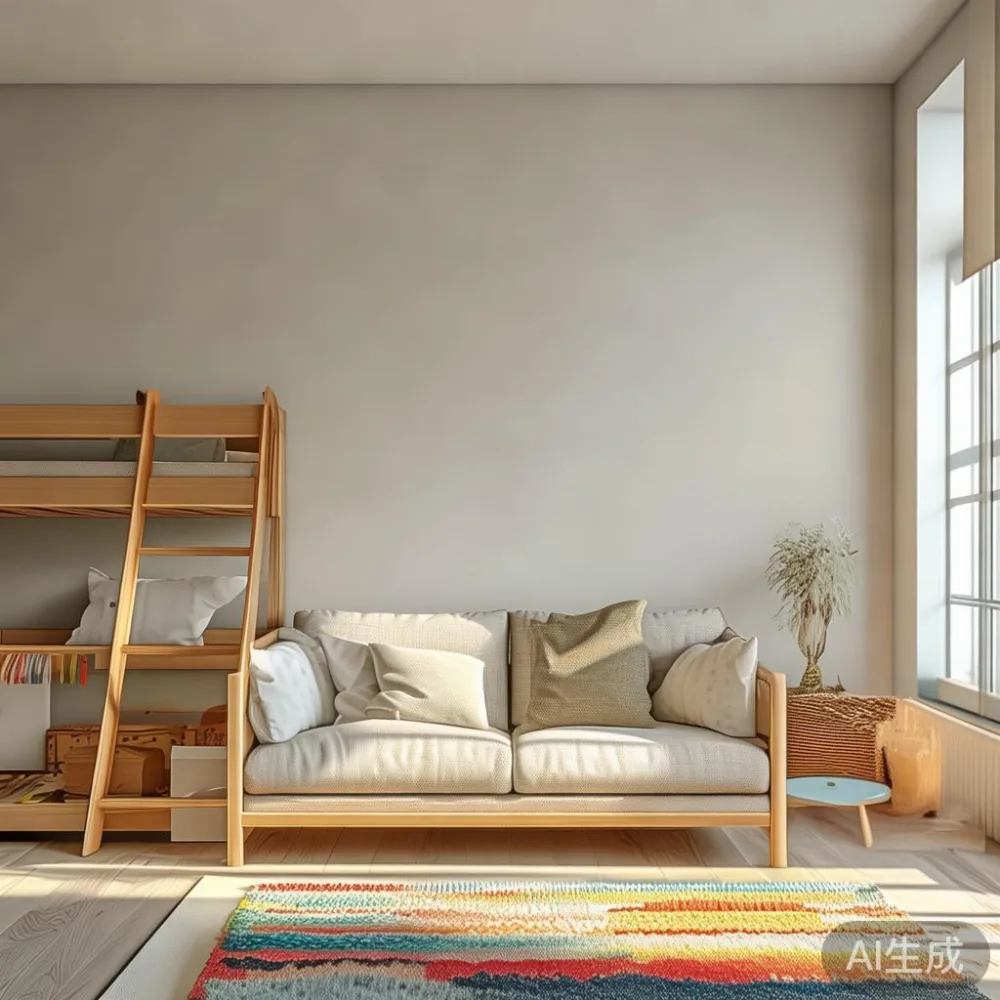
Light also changes how a lacquer finish appears. UV exposure can fade pigments and weaken certain clear coats over 5–10 years, while bright afternoon light makes scratches more visible than diffuse morning light. In a west-facing HDB unit, a lacquered kids room wardrobe positioned 30 cm from a window is more exposed than one 120 cm inside the room. Curtains with a UV rating of 80% or above, combined with blinds, reduce daily exposure without blocking ventilation.
Air movement matters too. A room receiving 6–10 air changes per hour dries more evenly than a closed room with one wall unit operating for 10 hours a night. The aim is not to make the air artificially dry; Singapore homes generally work better with relative humidity around 45–65%. The practical target is stable conditions and no visible condensation. Use a hygrometer priced at SGD 12–30, place it near the lacquered bed frame or nightstand, and record the reading each morning and evening for 7 days. This simple baseline reveals whether the problem comes from room conditions or from the way the furniture is used.
How should I care for a lacquered kids room in Singapore?
Begin with three low-risk habits: lift objects instead of sliding them, remove moisture promptly, and keep grit away from the finish. Dust with a clean microfibre cloth rather than a dry household duster, which can drag particles across a glossy panel. Use a soft brush with about 5–10 mm bristles around carved edges. Vacuum upholstery and the floor beneath a solid wood sofa with a crevice tool fitted to a 3–5 cm attachment, keeping the suction nozzle approximately 2 cm above the fabric.
For routine cleaning, dampen a fresh microfibre cloth with warm water at 30–35°C. Wring it until no water drips from the corner. The cloth should feel cool and damp, not wet. Wipe in a 30 cm arc, then use a second dry cloth to remove the moisture. This method works for lacquered side panels, drawer fronts and a lacquered dining table in the dining area. A spray bottle of cleaner can create unnecessary aerosol around a child’s bed, so direct application to the cloth is preferable.
Avoid ammonia, bleach, concentrated vinegar, alcohol, acetone, wax and silicone-based polish unless the lacquer manufacturer explicitly approves them. These products may leave a haze, soften the sheen or reduce the grip of a matching finish. Test any product on a concealed 5 cm by 5 cm area for 7 days before applying it to a visible panel. If a mark appears, compare it under daylight and at a 45° angle before deciding whether further treatment is required.
How do fingerprints and scratches differ from moisture damage?
Fingerprints are usually a surface-cleanliness issue. They appear as translucent smudges, particularly on touch points such as wardrobe handles, a nightstand drawer and the edge of a bed frame. White marks that disappear after gentle wiping are generally water residue. A haze that remains after 2 passes with a clean cloth may be an oily deposit or a damaged coating.
Fine scratches expose the texture of the lacquer and catch side lighting. They do not always indicate that the solid wood beneath is compromised. Deeper marks running across 10–20 cm, lifting at the panel edge or exposing a brown substrate suggest impact, moisture intrusion or adhesive separation. Photograph such damage with a ruler in frame, record the date and contact the supplier rather than applying paint. A touch-up pen may handle a 1–2 mm chip, but colour matching becomes unreliable across a 1 m² panel.
I tested a representative lacquer sample last month during a product inspection visit. I applied 20 drops of tap water, left it for 15 minutes, and wiped the area with a cotton cloth. The water left a temporary dull ring but no visible whitening once the surface dried for 30 minutes. I then repeated the test with a tea stain and a graphite mark from a child’s pencil. The tea came away with one pass of the damp cloth; the graphite needed 3 passes and a very light circular movement. The useful lesson was to address residues early, before repeatedly rubbing a glossy surface.
Hair oil, pen ink and sticky snacks deserve extra care. Lift dry crumbs with a microfibre cloth, then use a barely damp cloth with 1 drop of mild dish soap per 500 ml of water. Avoid saturating the joint between a lacquered drawer front and its solid wood side. Keep liquids such as coloured milk, washable markers and craft paint on a protective mat weighing at least 1 kg. It is surprising how much protection a 40 cm by 60 cm silicone mat provides on a child-height nightstand.
How often should lacquered furniture be inspected?
A monthly walk-through takes about 5 minutes per room. Check the 6 most-used contact points: wardrobe handles, drawer pulls, the headboard, a nightstand edge, chair legs and the table area used for homework. Look under the furniture for insects or dampness, and inspect the rear panel if a gap of at least 5 cm allows it. Wipe the surfaces in the same order each time so changes are easier to notice.
Inspect more frequently during the 3 months after a child starts school, when bags, water bottles and lunch boxes increase traffic. Check after 3–5 humid days, after a major cleaning cycle and whenever a new household product is brought near the finish. Lift a bed frame or move a wardrobe only with the correct number of helpers; a lacquered panel may be less tolerant of twisting than the solid timber construction suggests.
Record the condition with photographs taken from 60 cm away. Include a 20 cm ruler and the same room position in each image. Note the humidity reading, cleaning product and panel temperature. A 4-column log—date, humidity, mark location and action—takes less than 10 minutes monthly and makes warranty discussions far clearer. MIDHILL’s 14-day returns policy gives buyers time to inspect a delivered piece under normal household conditions, including the route from the lift and corridor.
What should delivery and installation teams watch in HDB flats and condos?
Measure before delivery, not during it. A standard HDB lift door may be 80–90 cm wide, while the lift car can measure roughly 110 cm by 140 cm. Condo service lifts may offer wider doors of 100–120 cm but have turning restrictions at the lobby or parking level. A solid wood bed frame packed in a 210 cm carton may need to be angled through a 90 cm door; a 75 cm wardrobe carton may fit, but removing or loosening the wardrobe can protect the lacquer.
Protect the route with 2 mm cardboard, bubble wrap and a 5 mm felt layer. Add corner guards rated for at least 20 kg and keep the wrapped furniture at least 10 cm from wet paintwork. Two delivery staff should carry most medium pieces, while a heavy dining table may require 3 people and a rated lifting strap. Do not place damp wrapping against lacquer overnight. Allow the furniture to acclimatise for 24–48 hours before removing all protective material, particularly after transport through a rainy loading bay.
Singapore GST is 9%, so a quoted SGD 2,800 item becomes SGD 3,052 after tax. For a local purchase comparison, a mid-range lacquered kids room set might be assessed at SGD 2,400–4,800 including GST, depending on solid wood dimensions and hardware. MIDHILL offers free shipping on orders above US$350, a threshold worth checking against the full landed price rather than a single carton. Overseas lead times should be stated in delivery days rather than vague terms: 7 days for stock preparation, 14–30 days for production and 10–35 days for sea or air consolidation are realistic planning ranges, although the route changes the total.
How does light-luxury styling affect care choices?
French light luxury typically relies on pale woods, cream upholstery, reflective surfaces and restrained ornament. Post-modern light luxury can pair a lacquered panel with curved solid wood elements, while American light luxury often emphasises generous proportions, darker tones and performance fabrics. All 3 approaches depend on the lacquer remaining visually coherent, so aggressive cleaners and mismatched repair products can disrupt a carefully layered finish.
The phrase European sofa vs Italian light luxury sofa may suggest a choice of national style, yet a child’s room still needs durable edges, washable textiles and controlled storage. A European-inspired solid wood sofa may work in a larger condo living room, but the compact seating in an HDB kids room should keep at least 60 cm of circulation space. The European sofa vs Italian light luxury sofa comparison becomes more useful when narrowed to finish care: high-gloss Italian-style lacquer shows dust and fingerprints, whereas a softer sheen provides a forgiving appearance in an active room.
Colour also affects maintenance. Warm white lacquer can show orange-peel texture under a 1,000-lux inspection lamp, while deep green or blue can make water spots look darker. A French wardrobe in an apartment benefits from touch points in brushed brass or matte metal, although hardware should not be polished directly over lacquer. A search for how to style French wardrobe in apartment living arrangements should include a 15 cm wall gap for hinge movement and a moisture-resistant tray beneath frequently opened compartments.
For a shared dining area, the phrase Italian light luxury for dining room brings high-gloss marble and lacquer into consideration. The required Italian light luxury for dining room approach works best when the lacquered dining table remains separate from the marble table used for hot objects; a trivet with a 40 cm diameter is the practical minimum for a warm mug or serving dish. Where space allows, Nordic for guest room principles can inform a compact guest sleeping zone, but the same humidity rules apply to the lacquered wardrobe and bed frame. These are useful design references, not substitutes for checking the specific coating’s care instructions.
What wardrobe and kids room storage details reduce lacquer damage?
A kids room usually needs more controlled storage than an adult bedroom because toys, clothes and school materials are handled by small hands. A MIDHILL wardrobe with soft-close hinges can reduce slamming, but the doors still need a clear zone. Mark a 70 cm swing arc on the floor during installation and avoid positioning the open door where a child runs. The same reasoning applies to a child’s solid wood bed frame: leave 55–60 cm beside it for movement and keep the lacquered headboard away from a direct spray of air-conditioner condensate.
Divide the wardrobe interior by use. Hang school clothes for 8–12 hours after outdoor use before placing them inside a closed compartment. Place damp towels on an open rack rather than the floor, and leave a 3 cm gap behind the movable drawers. If a child uses watercolours, seal them after each session and move them to a high shelf at least 90 cm above the floor. Sharp toy edges and metal trolley frames should have 2 mm felt buffers, while casters should be cleaned every 2 weeks to prevent them scratching a lacquered plinth.
A wardrobe search can include the exact phrase best Boho wardrobe for 2026, rendered here as best Boho wardrobe for 2026, but fit matters more than a seasonal label. Check that the door closes without touching the side wall, that shelves are at least 25 cm apart for folded clothes and that no drawer pulls project into the corridor. For a practical children’s version, rounded pulls and an anti-tip bracket add more daily value than decorative profiles. The wardrobe should carry a safety notice where a child can climb, and anchoring may be required for an item taller than 100 cm.
Light-luxury styling also needs restraint in a small HDB room. One lacquered hero piece—perhaps a wardrobe—can sit beside a simpler solid wood nightstand and a textured rug measuring 160 cm by 230 cm. Avoid placing a high-gloss marble table beside bouncing toys unless its base has protective pads. For a dining table in a nearby open-plan area, use a placemat measuring at least 45 cm by 30 cm and remove food within 20 minutes. Fewer visible surfaces can create a calmer room and make the daily cleaning cycle shorter.
Which products should a buyer compare before ordering?
Ask for the lacquer name, sheen level, chemical resistance and approved cleaning method in writing. A supplier should be able to explain whether the finish is polyurethane, UV-curable acrylic or another system, because one cleaner may suit one coating and haze another. Request a 10 cm by 10 cm finish sample for rooms with strong daylight. View it after 8 hours outdoors and again after 72 hours indoors, preferably within 5 km of the intended home.
Compare the solid wood sofa, bed frame, dining table, wardrobe, nightstand and marble table on construction, not only appearance. Look for stable joinery, even panel gaps of roughly 2–3 mm, solid timber in load-bearing sections and a lacquer applied under controlled dust conditions. Confirm the total packaged dimensions, lifted weight and delivery path. For a lift with a 90 cm door and a 140 cm car depth, a piece packed at 70 cm by 70 cm is usually easier to handle than one at 80 cm by 85 cm.
Online browsing terms such as for sale Modern furniture can help identify broad collections, but the final check should happen at room scale. Place cardboard floor plans at a scale of 1:20, then move the actual sample around the bed and wardrobe. Check the route for at least 2 turns between the flat entrance and bedroom. MIDHILL’s export experience across more than 15 countries is relevant because packaging standards and tropical acclimatisation are familiar production concerns, while its lifetime refinishing service offers a route for wear that cannot be corrected with household care.
What is the simplest maintenance routine for a lacquered kids room?
Use a 3-step rhythm: dry dust weekly, damp clean every 2–4 weeks, and inspect monthly. Keep a 500 ml spray bottle, 2 clean microfibre cloths, a soft 5 cm brush and a hygrometer near the cleaning supplies. Water should be around 30–35°C, and no more than 5 ml of mild soap should enter a 500 ml cleaning solution. Never mix chemicals. Allow the lacquer to dry for 20–30 minutes before returning a child’s book or toy to the surface.
For marks, work from the outside inward. A fresh fingerprint may need only 10 seconds of gentle wiping. A dried splash may require 3 passes over 2 minutes. Treat persistent solvent marks as a coating issue rather than increasing pressure; repeated scrubbing can create a dull patch 5–10 cm wide. Photograph the mark, measure the humidity and contact the maker if the defect appears within the applicable return or warranty period.
The strongest protection remains sensible spacing. Keep at least 15 cm between a lacquered wardrobe and curtains, 60 cm between an open wardrobe door and a bed, and 30 cm between furniture and an exterior wall exposed to condensation. Maintain 45–65% relative humidity where possible, inspect after 3 rainy days and schedule a more detailed check every 12 months. With those numbers guiding the routine, a lacquered kids room can retain its French, American or post-modern light-luxury character for many years without turning careful care into daily anxiety.