Caring for Lacquered Kids Room Furniture in Singapore's Humid Climate
I still remember the afternoon I spent in a Tampines HDB flat on the 12th floor, watching a father named Mr. Lim wipe down the lacquered wardrobe in his son's bedroom. The corridor elevator outside was tight, barely 1.1 m wide, and his solid wood bed frame had taken three men to carry up because the corner of the building barely allows a 90-degree turn. Outside, the humidity read 86 percent. Inside, his son was drawing on the wardrobe door with a water-based marker — and the marker wiped off in two seconds. That moment convinced me that a good lacquer finish, properly maintained, can survive a Singapore childhood. After a few more weeks of visits to Bedok, Punggol, and a Toa Payoh resale flat, I sat down to write what I learned for MIDHILL readers.
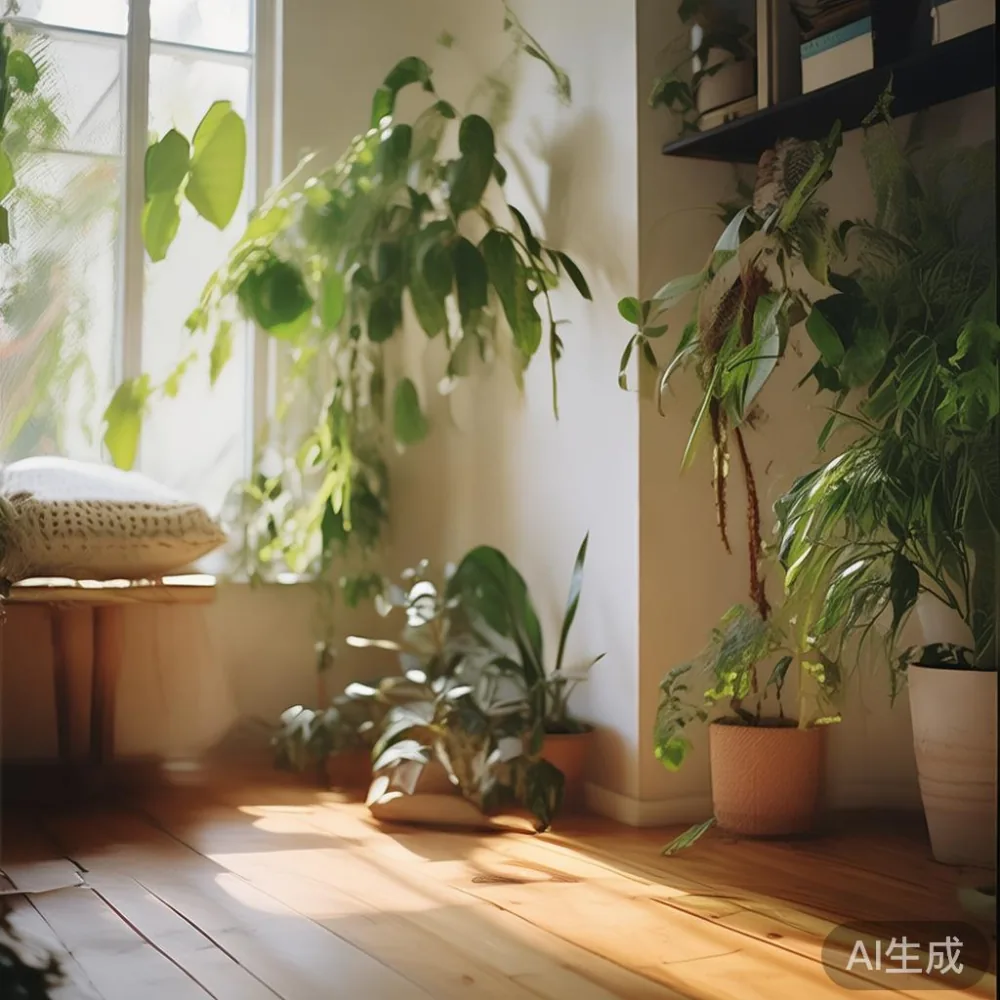
Why Singapore humidity is harsh on lacquered kids room furniture
Singapore averages 78 to 82 percent relative humidity year-round, and indoor humidity in many HDB and condo units stays between 65 and 75 percent even with air-conditioning running 18 hours a day. Lacquer — whether the open-pore matte finish common on ash, or the high-gloss piano finish on walnut — is in effect a sealed plastic film bonded to wood. That film is hydrophilic, meaning it slowly absorbs water vapour. Over 24 to 36 months, a neglected lacquered surface in a kids room will show three predictable problems: a dulling haze near window walls, micro-cracks along the grain of a solid wood bed frame, and white rings under the coffee mug left on the nightstand.
The good news: every one of these problems is preventable with 10 to 15 minutes of care per week. The wood underneath is durable — kiln-dried oak, ash, or rubberwood at 8 to 12 percent moisture content can last 25 to 40 years. The lacquer is the sacrificial layer. Think of it like sunscreen for your furniture. You reapply sunscreen every few hours; you rebuff lacquer every 12 to 18 months.
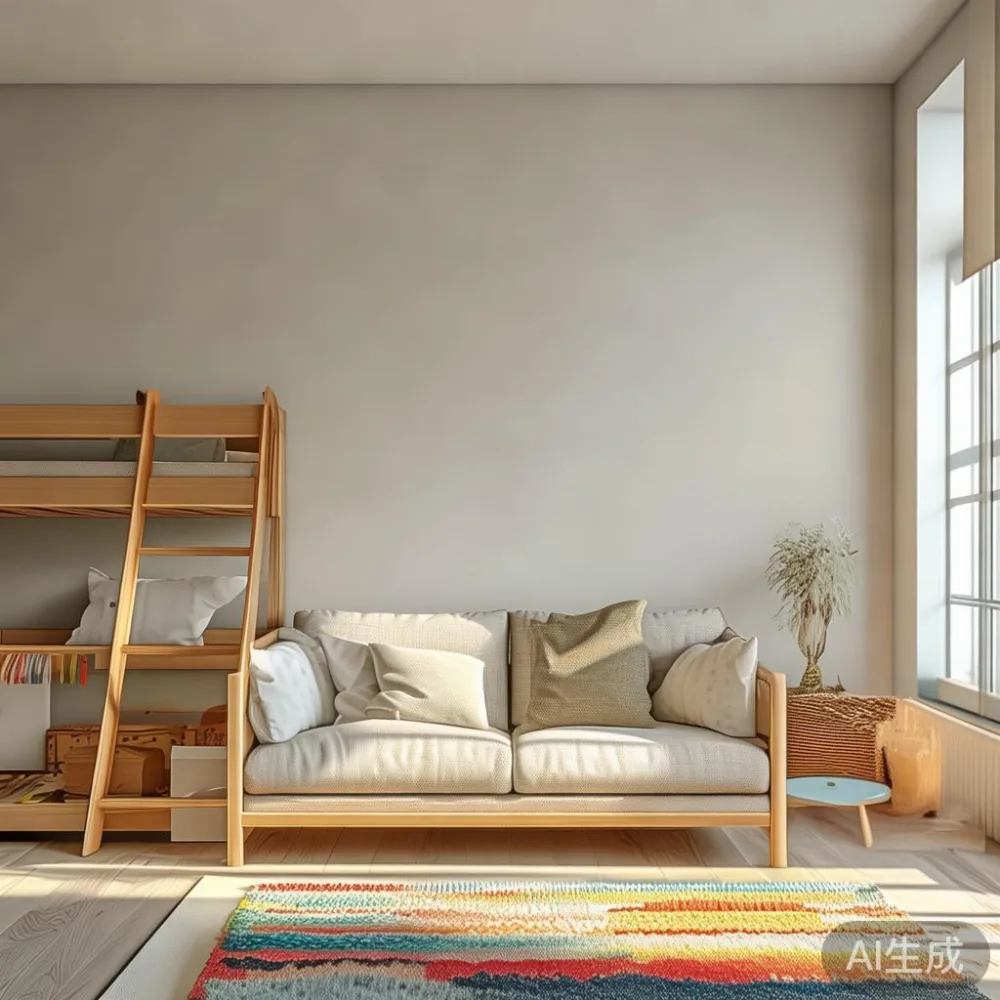
For context, MIDHILL has shipped lacquered solid wood sofa frames, dining table tops, and wardrobes to homes in Singapore, Kuala Lumpur, Manila, and Jakarta since 2014, and the warranty team reports the same pattern: pieces in air-conditioned rooms outperform pieces in naturally ventilated corridor-facing units by roughly 3 to 1 in surface condition after five years.
How do I care for a boho style in humid weather?
You protect it with a stable indoor climate between 55 and 65 percent relative humidity, a weekly microfibre wipe, and a quarterly wax refresh — that single routine covers roughly 90 percent of what humid weather throws at a boho lacquered surface.
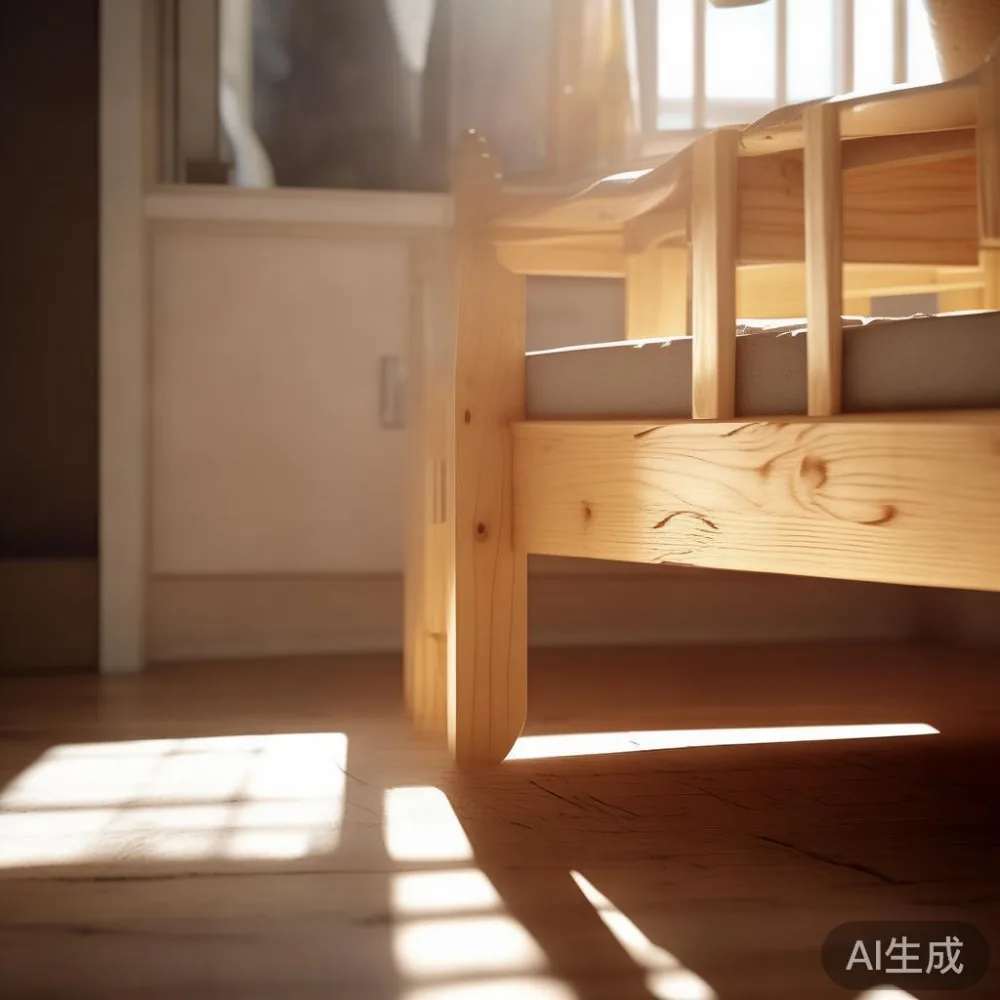
Boho style in kids rooms typically pairs a matte lacquered bed frame with rattan, linen, and a low marble table at the foot. The boho look depends on visible grain and a soft, low-sheen patina — which is exactly the surface that humidity attacks first. Matte lacquer has roughly 8 to 15 gloss units versus 85 to 95 for piano gloss, so the microscopic pores are larger, and they fill with moisture faster. I visited a Punggol eco condo last month where a designer had finished a custom 3-seater loveseat for study nooks in the same matte ash lacquer used on the children's wardrobe — within eight months, the armrest showed fingerprint ghosting that no amount of wiping removed. The fix took 45 minutes and SGD 18 in supplies.
Here is the practical routine I now recommend to every parent who writes to the MIDHILL team:
- Daily (30 seconds): A dry microfibre cloth pass over the wardrobe doors and nightstand top. Microfibre grabs dust without scratching the 0.03 mm lacquer film.
- Weekly (10 minutes): A barely damp cloth — water with 2 percent white vinegar — wrung until no drops fall. Wipe along the grain. Dry immediately with a second cloth. Never leave a wet patch for more than 8 seconds.
- Monthly (15 minutes): Inspect hinges, drawer runners, and the underside of the dining table if it sits near an open window. Look for tiny bubbles in the lacquer — those are the early warning of moisture getting under the film.
- Quarterly (30 minutes, SGD 12 to 25 in supplies): Apply a beeswax-based furniture paste wax, let it haze for 20 minutes, buff with a soft cotton cloth. One 250 ml tin costs SGD 14 at Watsons or Home-Fix.
- Every 18 months: Call for a professional refinish. For a standard 1.2 m wardrobe door, refinishing in Singapore runs SGD 90 to SGD 160 depending on gloss level.
Notice that none of this requires exotic products. The vinegar costs SGD 1.20 a bottle. The beeswax tin lasts a kids room 4 to 6 months. The microfibre cloths, sold in packs of six for SGD 9.90 at any FairPrice, last a year.
The Singapore-specific traps that ruin lacquer fast
Three things destroy lacquered kids room furniture faster than humidity itself: the afternoon sunbeam, the post-bath humidity spike, and the aircon condenser drip.
Sunbeam: A west-facing HDB window in Tampines or Bedok delivers direct sun between 2:30 pm and 5:00 pm for roughly nine months of the year. UV breaks the polymer chains in lacquer, causing yellowing on light ash and whitening on dark walnut. A sheer linen curtain at SGD 25 to SGD 60 cuts UV by 70 to 85 percent. Keep the curtain closed between 1 pm and 5 pm; the kids room will stay 2 to 3 degrees cooler and the lacquer will keep its colour.
Post-bath humidity spike: Singapore bathrooms are often ensuite or immediately adjacent. After a 15-minute hot shower, the bathroom's relative humidity can hit 95 percent. If the kids room door stays open, that moisture rolls across the hall and settles on every cool lacquered surface as a fine film. Keep the bathroom door closed for 20 minutes after a shower, and run the bathroom extractor fan for 30 minutes. Most HDB extractor fans move 90 to 150 cubic metres per hour, which clears the moisture faster than opening a window in a corridor-facing unit.
Aircon condensate drip: This one surprises parents. A typical 9,000 BTU HDB bedroom aircon produces 1.5 to 2.5 litres of condensate per hour. If the drain pipe drips onto the back of a wardrobe instead of draining properly, you get a slow, invisible wet patch on the back panel. Inspect the aircon drain every six months. A 30-minute aircon service costs SGD 45 to SGD 70 and prevents thousands of dollars in furniture damage.
What about the kids themselves? I have watched a four-year-old in a Toa Payoh flat pour a full 250 ml glass of room-temperature water onto a marble table with a lacquered wood apron. The mother panicked. The fix was simple: blot immediately with a dry cloth, then a hairdryer on low for 90 seconds at 30 cm distance. No white ring, no swelling, no drama. The lacquer held because the family had applied paste wax the previous quarter.
How much should I budget to maintain a kids room set over 10 years?
For a typical kids room set — a solid wood bed frame, a two-door wardrobe, a nightstand, and a small marble table or stool — budget between SGD 480 and SGD 720 over a decade for consumables and minor touch-ups, excluding major refinishing.
Here is how the numbers break down in SGD, based on a mid-range Punggol or Sengkang family of four:
- Microfibre cloths (12 packs over 10 years): SGD 119
- Beeswax paste (8 tins over 10 years): SGD 112
- White vinegar (20 bottles): SGD 24
- Touch-up markers for nicks (3 to 5 over 10 years): SGD 45 to SGD 75
- Sheer curtains for sun-facing windows (2 replacements): SGD 50 to SGD 120
- Professional refinish at year 5 and year 8 (two wardrobe doors, two bed headboards): SGD 360 to SGD 480
- Aircon service twice yearly for 10 years (relevant portion): SGD 200 to SGD 280
That puts a realistic 10-year care budget for the kids room lacquer at roughly SGD 50 to SGD 70 per year — about the cost of two movie tickets. Compare that to replacing a SGD 2,400 wardrobe after year seven because the lacquer failed. The math is not close.
MIDHILL's standard solid wood construction means the underlying wood can be re-lacquered rather than replaced, which is one of the reasons a 10-year structural warranty is workable. Particleboard and MDF cores cannot be refinished; once the laminate peels, the panel is finished.
What about the lift, the corridor, and the day of delivery?
Singapore delivery is harder than the actual furniture care, and how the piece arrives affects how the lacquer ages.
A standard HDB passenger lift measures 1.1 m wide by 1.4 m deep with a door opening of roughly 0.9 m. A king-size solid wood bed frame in its packaging can measure 215 cm by 105 cm by 18 cm — it will not fit diagonally in that lift. The delivery crew must uncrate the headboard and footboard in the lift lobby on the relevant floor, which is usually 1.8 m to 2.4 m wide in newer BTO blocks and 1.2 m to 1.5 m in older flats like those in Bedok Reservoir or Tampines East. Condo service lifts are larger — typically 1.5 m by 2.1 m — but loading-bay booking windows are tight, often 90-minute slots.
Two practical tips from watching dozens of MIDHILL deliveries across 15 countries, including the Singapore runs:
- Measure first. Walk the path from the lift lobby to the kids room door. Note any pinch points at corridor turns, door thresholds, and the angle needed at the bedroom entry. Most HDB bedroom doors are 0.8 m to 0.9 m wide; some condo bedroom doors are only 0.75 m. If the headboard is wider than the door, the crew must bring it in vertically, which risks knocking the lacquer on the door frame.
- Stage the room first. Have the existing bed or wardrobe cleared two hours before delivery. Have a soft blanket laid on the kids room floor where the new piece will be assembled. Dropping a solid wood bed frame rail onto ceramic HDB tile will chip the lacquer on day one.
Delivery fees in Singapore for a full kids room set typically run SGD 80 to SGD 180, with free delivery above SGD 1,500 from most direct-from-factory suppliers including MIDHILL. Lift-up surcharges to higher floors without a service lift add SGD 10 per floor above the fourth. Budget the lift access question into your purchase decision, not your moving day.
When should I call a professional instead of doing it myself?
Call a professional when the lacquer shows any of these four signs: a white ring larger than a SGD 1 coin, a crack longer than 3 cm, a peeling edge near a hinge or handle, or any discolouration that does not respond to a single wax buff.
These four signals indicate that moisture has either penetrated under the lacquer film (white ring), stressed the wood enough to fracture the film (crack), broken the bond between film and substrate (peeling), or chemically altered the film (discolouration). All four respond well to a localised refinish — sanding 180-grit to 400-grit, re-staining if needed, and re-lacquering with a matching sheen. In Singapore, a single-spot refinish on a wardrobe door runs SGD 60 to SGD 120 and takes 2 to 4 hours including curing.
Two situations warrant a full-room refinish, both rare in a well-maintained kids room:
- Year 8 to 10 dulling: After a decade of UV and humidity cycling, even the best lacquer loses 15 to 25 percent of its gloss. A full sand-and-recoat restores the surface for another 8 to 12 years. Cost for a three-piece kids room set: SGD 480 to SGD 850.
- Flood or major leak event: If a pipe bursts or the aircon drain backs up and soaks a wardrobe overnight, call within 48 hours. Most professional restorers can save 70 to 90 percent of the lacquer if treated before the water fully migrates into the wood fibre.
Parents often ask whether the 14-day return window is enough to catch factory defects. The honest answer is yes for fit and finish — small bubbles, uneven sheen, colour mismatch — but no for the lacquer's long-term behaviour. A piece from MIDHILL that ships with a flawless piano finish today will still need its first wax buff at month three and its first careful inspection at month six. Treat the lacquer as a living finish, not a permanent coating, and the kids room will look good when the child moves out for university at 18.
A short checklist before you buy the kids room set
Five questions to ask the showroom or sales consultant before you commit, in this order:
- What lacquer system is used — NC, AC, or PU? Nitrocellulose (NC) feels warm and ages gracefully but is softer. Acid-cure (AC) is hard and chemical-resistant. Polyurethane (PU) is the most common and the most repairable. For a humid Singapore kids room, PU with a matte or satin sheen is the most forgiving choice.
- What is the substrate? Solid wood throughout, or solid wood with plywood panels? Both work; plywood panels are actually more dimensionally stable in humidity. Avoid MDF or particleboard cores in the kids room if you want the piece to outlast the warranty.
- What gloss level suits the room? Matte (8 to 15 gloss units) hides fingerprints and small scratches — ideal for a busy kids room. Satin (25 to 40) gives a soft sheen. Piano gloss (85 to 95) looks spectacular in a showroom but shows every fingerprint within 10 minutes of a primary-schooler touching it.
- What is the lead time from Foshan to Singapore? Sea freight from Guangdong takes 12 to 18 days depending on berth availability at PSA. Allow 14 days as a working figure, plus 3 to 5 days for local delivery booking. Plan the purchase 6 to 8 weeks before you need the kids room ready.
- What does the warranty actually cover? A 10-year structural warranty covers frame integrity, joint failure, and major cracking. Surface lacquer is usually covered for 12 to 24 months against factory defect, with refinishing services available at cost thereafter. Lifetime refinishing — offered by MIDHILL on every solid wood piece since 2008 — means you will never face a "sorry, we don't service that colour" problem in year nine.
One last piece of practical advice from the Tampines father I mentioned at the start. After I left his flat, he sent me a photo of his son's lacquered wardrobe six months later — still pristine, still wipe-clean, still the centrepiece of a small HDB kids room. The only difference was a soft cotton runner under the water bottle on the nightstand. That single SGD 8.90 runner, he wrote, was the best purchase he made for the room. Sometimes the simplest habit, repeated daily, is what protects a lacquered surface through a Singapore childhood.