How to Match Solid Wood Furniture to a Warm Minimal Kids Room in a Singapore HDB or Condo
Most Singapore parents I speak with in Tampines, Bedok and Punggol arrive at the same question after the HDB keys are collected: how do I furnish a kids room that looks warm and lived-in, without filling a 9 to 12 square metre bedroom with bulky pieces? The lift in a typical Build-To-Order block measures roughly 1.1 m wide by 2.1 m deep, and the corridor between the front door and the master bedroom usually allows only a straight push of around 1.8 m. That is why the warm minimal look has become the default for family bedrooms: it relies on a few considered pieces in solid wood, a soft tonal palette, and clean lines that survive the rough-and-tumble of children aged three to twelve. Below is a long, practical guide, written from the perspective of someone who has spent ten years in the trade, on how to match a solid wood sofa, bed frame, dining table, wardrobe, nightstand and marble table to a warm minimal interior, while keeping delivery, GST, and warranty in plain sight.
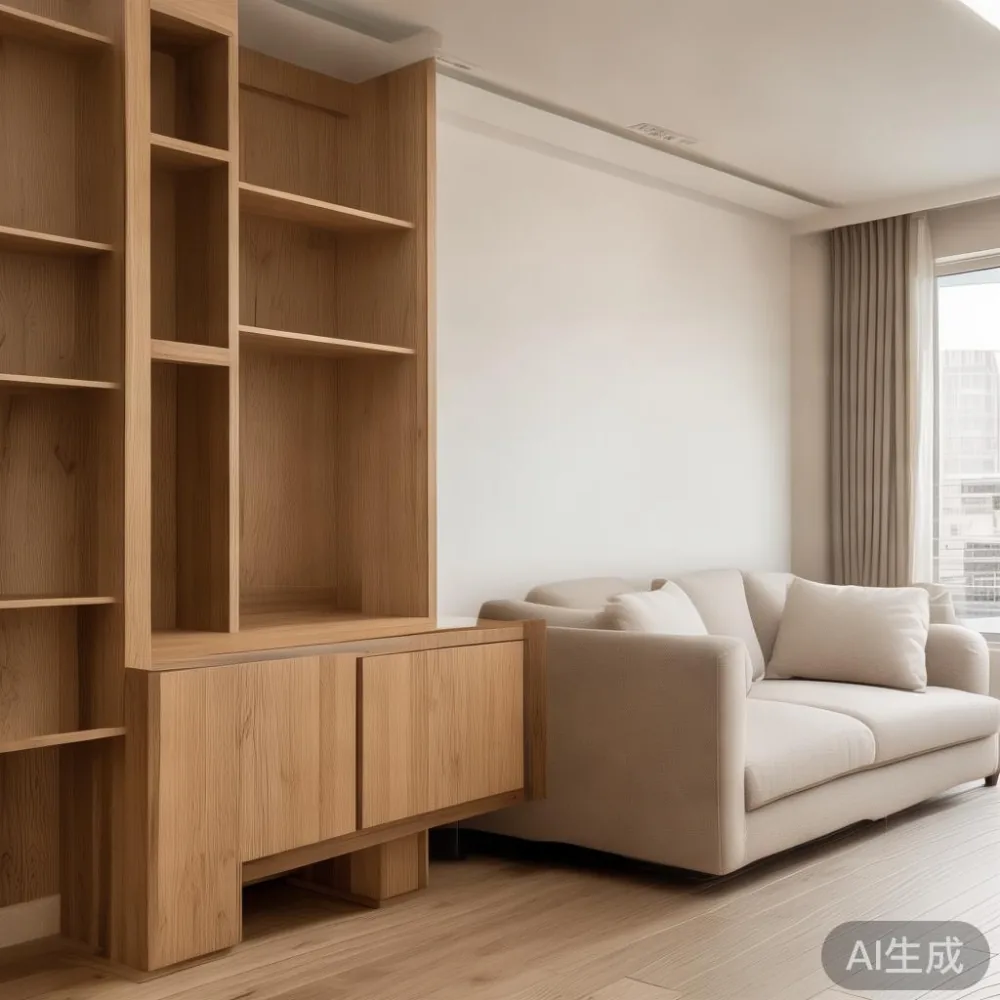
What does warm minimal actually mean for a kids room?
Warm minimal is not the cold, gallery-style minimalism that dominated Pinterest boards from 2014 to 2018. It is a softer cousin: light oak, ash, or beech solid wood with a matte finish; off-white walls in shades such as Jotun 1001 Morning Grey or Dulux 30YY 83/026; one or two textured textiles (a linen curtain, a wool rug, a boucle cushion); and a single accent material, often a marble table on a small console. In a kids room, you can push this further by choosing rounded corners on a solid wood bed frame, a nightstand with a 3 cm radius on every edge, and wardrobe handles in recessed channels rather than protruding metal. The room reads as a calm environment for sleep and reading, but it does not feel sterile. The trick is contrast: a smooth marble surface next to the grain of a solid wood bed, a soft boucle chair next to a rectangular solid wood desk.
Last month I visited a four-room HDB flat in Punggol where the owners had narrowed the palette to three materials only: solid ash wood, brushed brass, and honed Carrara marble. Their 4-year-old daughter sleeps in a single bed frame measuring 120 cm by 200 cm, with a low nightstand at 45 cm height. The total spend on the kids room was around SGD 2,400, before the 9% GST. It looked far more expensive than that, because every piece was matched in tone, height, and leg profile.
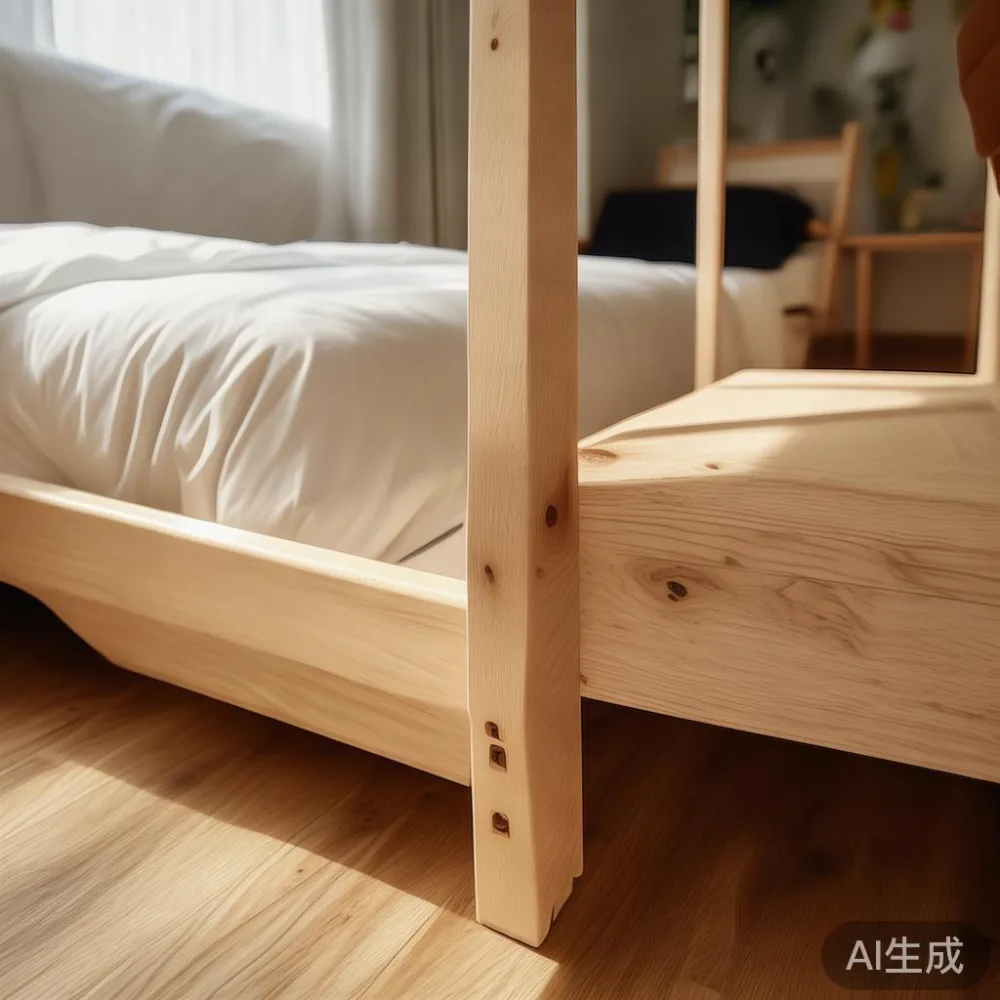
Which solid wood pieces belong in a warm minimal kids room, and which ones should you skip?
For a kids room of about 9 to 12 sqm, I usually recommend four or five solid wood pieces, no more. Each one has a job to do, and each one has a footprint that fits the HDB room with at least 60 cm of walking space around the bed.
1. The bed frame (120 x 200 cm or 150 x 200 cm). A solid wood bed frame with a slatted base is the anchor. Look for a frame height of 90 to 105 cm at the headboard, a side rail depth of at least 4 cm, and legs that sit inside the footprint so a child cannot trip. The slats should be beech or pine, no more than 5 cm apart, and the entire frame should weigh at least 35 kg for a single and 50 kg for a queen, otherwise it will creak when a 40 kg child jumps on it. A queen at 150 x 200 cm leaves 50 cm of floor on each side in a 3.6 m wide room, which is the minimum for changing sheets.
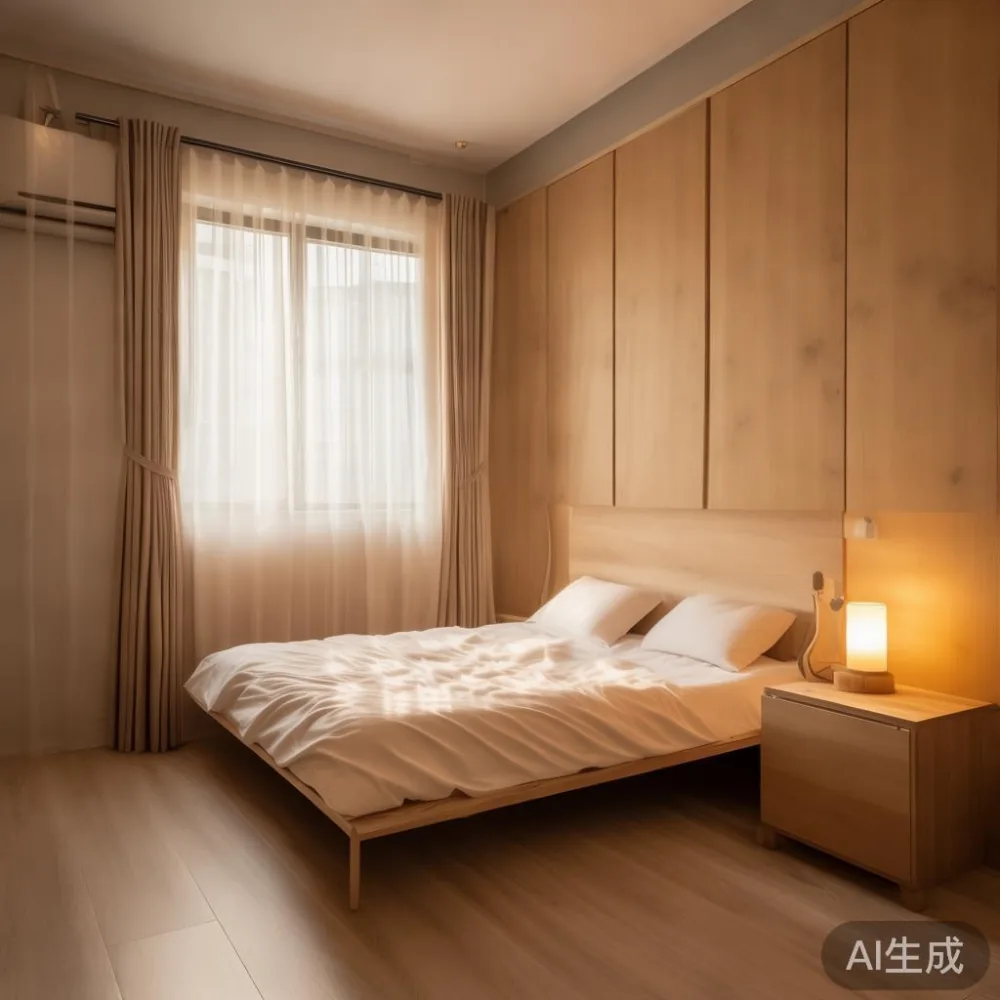
2. The nightstand (40 to 50 cm wide, 45 cm tall). One nightstand is enough in a single kids room. Two only if you have twins. A solid wood nightstand with one drawer and an open shelf holds a book, a small lamp, and a glass of water without looking cluttered.
3. The wardrobe (120 to 180 cm wide, 55 to 60 cm deep). For a warm minimal kids room, a 150 cm three-door wardrobe in solid wood fits most HDB walls. Anything deeper than 60 cm will block the corridor when the doors swing open. Sliding doors save 30 cm of swing space but cost about SGD 350 more.
4. The study desk (110 to 130 cm wide, 55 cm deep, 72 cm tall). Solid wood, not engineered board. Engineered board sags after two years of homework and LEGO. A height of 72 cm suits a child from 120 cm to 160 cm tall; once your child passes 160 cm, switch to a 75 cm desk with an adjustable chair.
5. The marble table (optional accent). A small 60 cm round marble side table or a 90 x 45 cm marble console reads as a warm minimal accent next to a boucle chair or a reading nook. It is not a dining table. In a kids room, marble should be sealed once a year and wiped with a pH-neutral cleaner, never vinegar.
What I skip for warm minimal kids rooms: a solid wood sofa (better placed in the living room), a large dining table (use the kitchen or a 120 cm round table in the dining area), and any piece over 200 cm wide that does not break down for delivery.
How to match the wood tone so the room does not look like a catalogue mismatch?
Wood tone matching is the single most common reason a kids room ends up looking like a clearance sale rather than a warm minimal interior. The rule I follow is simple: pick one dominant tone and one supporting tone, no more. The dominant tone covers 60 to 70% of the visible wood surface in the room, usually the bed frame, the wardrobe, and the desk. The supporting tone covers the rest, usually the nightstand, the door frames, or the floor if it is engineered timber.
For most Singapore HDB flats built after 2015, the floor is a light beige laminate. That pairs well with a light oak solid wood bed frame and a slightly warmer ash desk. Avoid mixing three or more wood tones in one room. A solid oak bed, a walnut desk, and a pine nightstand will fight each other, no matter how expensive each piece is.
When sourcing, ask the supplier for the wood species, the stain code, and a 10 x 10 cm sample. Place the sample on the floor next to the wardrobe door before you commit. A piece that looks pale in the showroom can read yellow under a 4000K LED downlight, which is the most common HDB default. I also ask for a photo under 2700K warm white, which is what most Singapore parents switch to for the kids room at night. If the supplier cannot show both, the sample is incomplete.
How do you keep delivery, GST, and warranty simple when buying solid wood for a kids room in Singapore?
Two practical things to lock down before you tap "pay now": delivery into the bedroom, and what happens if a slat cracks. The first is non-negotiable for solid wood pieces over 30 kg. A queen solid wood bed frame weighs 50 to 65 kg fully assembled, and the box, even flat-packed, is usually 210 x 35 x 25 cm. It will not fit into a standard HDB lift with a 2.1 m depth if the box is also 2.1 m long. Confirm with the supplier that the headboard and footboard are packed separately, and that the delivery team carries the box up the lift and into the bedroom, including removing the cardboard.
On GST, every order shipped to Singapore from overseas attracts 9% GST on the declared value, and on the shipping fee if the courier is based outside Singapore. Local GST-registered suppliers in Singapore will include GST on the invoice. A SGD 2,400 order therefore lands at about SGD 2,616 after GST, before any tip to the delivery team.
On warranty, a 10-year structural warranty on a solid wood bed frame or wardrobe is a real differentiator. Solid wood moves with humidity, and Singapore's average of 80% relative humidity will test every joint. Ask whether the warranty covers cracking, warping beyond 5 mm over 1 m, and joint separation. A piece from a Foshan maker such as MIDHILL, with sixteen years of export experience and shipments to fifteen or more countries, tends to be backed by a clearer warranty card than a white-label reseller on Carousell. Lifetime refinishing is the second piece of value to ask about: a solid wood bed frame can be sanded and re-oiled every 8 to 10 years, and the supplier doing it for free halves the lifetime cost.
Free shipping over US$350 (around SGD 470 at current rates) is the threshold I use as a quick filter. If the supplier waives shipping only above SGD 1,000, the unit prices are usually marked up to absorb it. A clean SGD 470 threshold with no hidden fees is a healthier sign.
How do you actually pick a bed frame that will survive a ten-year-old and a humid HDB?
Walk past the marketing. Look at three numbers: the wood species, the joinery, and the finish. For a kids room in Singapore, the species that hold up best in our humidity are white oak, ash, and rubberwood. Pine is softer and dents; MDF and particle board will swell within two years if a drink spills. The joinery should be mortise-and-tenon at the corners, doweled at the side rails, and corner-bracketed at the headboard-to-rail joint. If the supplier cannot name the joinery method, the frame is likely screwed-and-glued, which is fine for three years and not fine for ten.
The finish should be a hardwax oil, not a polyurethane varnish. Hardwax oil lets the wood breathe and be spot-repaired; polyurethane cracks in patches that are ugly to refinish. A well-oiled solid wood bed frame in a kids room needs re-oiling every two to three years, about 90 minutes of work, and the bed will outlast three mattresses.
If you are weighing a French light luxury, American light luxury, or post-modern light luxury look for the kids room, my honest read is that French light luxury (think boucle headboard, brushed brass feet, soft curves) suits younger children best, while American light luxury (cleaner lines, oversized headboard, shaker profile) reads better in a 10 to 14-year-old's room. Post-modern light luxury sits between the two, with a marble inlay on the nightstand or a contrasting fabric panel on the headboard. All three work in warm minimal; the difference is the amount of decorative detail you are willing to clean around a sticky hand.
One last note on this. The question of how to choose Italian light luxury bed comes up often in the chats I have with parents in Bedok. The honest answer: focus on the frame, the slats, the finish, and the warranty, not on the country of origin. A well-made bed from a Guangdong factory that exports to Europe will outperform a poorly-made bed from a Milan showroom. If you are browsing, you may also come across terms like the MIDHILL European light luxury bed, which is one example of how a Foshan maker (Foshan Lingzhan is the parent entity I have seen on a few packing slips) packages a bed with a European-shaped headboard and still ships from southern China. The category you are really shopping is the best light luxury bed for 2026, and the right one is whichever frame lets your child sleep safely for the next ten to twelve years.
What about a wardrobe, a dining table, and the rest of the flat? How do they stay consistent?
Consistency across the flat is what turns a kids room into a coherent home. Three rules work in 90% of HDB layouts I have walked through.
Rule one: keep the wood tone the same across the kids room wardrobe, the living room solid wood sofa frame, and the dining table. If the dining table is light oak, the kids room wardrobe should also be light oak, and the bed frame a slightly warmer tone if you want contrast. The dining table itself, at 140 to 160 cm long and 80 cm wide, is usually the largest piece of solid wood in the flat and sets the reference tone. The marble table in the living room is the accent, and a small marble side table in the kids room echoes it without competing.
Rule two: keep the leg profile the same. A dining table with a 4 x 4 cm tapered solid wood leg should be matched by a bed frame and a nightstand with a similar taper, not a turned Victorian leg. Two leg styles in the same flat start to look like a furniture showroom rather than a home.
Rule three: keep the metal finish consistent. If the wardrobe handles are brushed brass, the dining table legs should not have black powder-coat feet. Pick one metal: brushed brass, polished chrome, or matte black, and carry it through every handle, every hinge cover, and every lamp base.
For shoppers comparing ranges, under 2000 Japanese furniture is a common search term in Singapore because of the Muji and Nitori footprints. The honest comparison: Japanese furniture in this price band uses solid wood but with very light finishes, sometimes raw beech, and a more functional shape. A light oak European-style frame with rounded edges sits somewhere between the Japanese and the American light luxury look, and the warm minimal kids room can take either direction. The styling question of how to style Japanese sofa in room, for example, often comes back to the same two rules: match the wood tone, and keep the textiles quiet.
For buyers who want a single supplier across the kids room and the rest of the flat, designer Italian light luxury furniture is one well-trodden path, but it usually lands at SGD 6,000 to SGD 12,000 per room. A warm minimal look with solid wood from a Foshan maker, ordered as a set (bed frame, nightstand, wardrobe, desk), can land at SGD 2,800 to SGD 4,500 per kids room, including GST and delivery, with a 10-year structural warranty and a lifetime refinishing service that an Italian reseller rarely matches locally.
How do you handle returns, damages, and a kid who changes their mind in 14 days?
Solid wood is heavier than engineered board, and returns are non-trivial. Confirm three things before paying. First, a 14-day return window, with the supplier collecting the piece from the bedroom, not from a courier point downstairs. A queen bed frame that weighs 60 kg in two boxes cannot be carried to a POPStation by a parent. Second, a clear damage policy: if a slat arrives cracked, the supplier ships a replacement slat within 7 working days, not a full re-order. Third, a written warranty card in the box, with the serial number, the production date, and the warranty terms in English. If any of these is missing, the warranty claim in year six becomes a fight you do not want.
For the kid who changes their mind: keep the cardboard for 14 days. Most Singapore HDB blocks have a card recycling chute, and a flattened bed-frame box is around 210 x 35 x 4 cm, which fits the chute. If the original cardboard is gone, the courier may refuse the return.
Final checklist before you click pay on a warm minimal kids room set
Run through this list once before the order is placed. It will save you at least one trip up the HDB lift and one argument with a four-year-old who wanted the bed in a different colour.
- Bed frame: solid wood, 120 x 200 cm (single) or 150 x 200 cm (queen), slats no more than 5 cm apart, frame weight 35 to 65 kg, hardwax oil finish, mortise-and-tenon corners.
- Nightstand: 40 to 50 cm wide, 45 cm tall, one drawer, rounded corners, matching wood tone.
- Wardrobe: 150 cm wide, 55 to 60 cm deep, three doors, solid wood doors with engineered back panel (acceptable for the back only).
- Study desk: 110 to 130 cm wide, 55 cm deep, 72 cm tall, solid wood top at least 2.5 cm thick.
- Marble table: optional 60 cm round side table or 90 x 45 cm console, sealed annually.
- Delivery: into the bedroom, with the box removed, lift-friendly packing under 2.1 m per box.
- GST: 9% Singapore GST added to the declared value, shown on the invoice.
- Warranty: 10-year structural, written card in the box, lifetime refinishing included or quoted.
- Returns: 14 days, supplier collects from the bedroom, original cardboard kept.
- Free shipping threshold: confirmed in writing, with no surcharge for the lift or the corridor.
A warm minimal kids room is not a sparse room. It is a room where every piece is chosen, every tone is matched, and every joint will still be tight when the child turns twelve. Get those four or five pieces right, and the rest of the flat will follow the same logic without any extra effort.