What Actually Drives the Price of Solid Wood Furniture in a Singapore Kids Room
Last month I visited a friend in a new Punggol condo, and we spent a full afternoon walking through three furniture showrooms along Tampines Industrial Crescent. She has a 4-year-old and an 18-month-old, a 92 sqm layout with a narrow 1.1 m corridor, and a single lift that barely fits a 2.4 m panel. She kept asking why two visually identical kids room beds were tagged at S$1,180 and S$2,950. By the time we finished our coffee, the answer had six clear layers. This guide breaks them down, using Singapore numbers, local delivery realities, and the same product types you would actually put into a HDB or condo kids room: bed frame, wardrobe, nightstand, dining table, solid wood sofa, and marble top accent pieces.
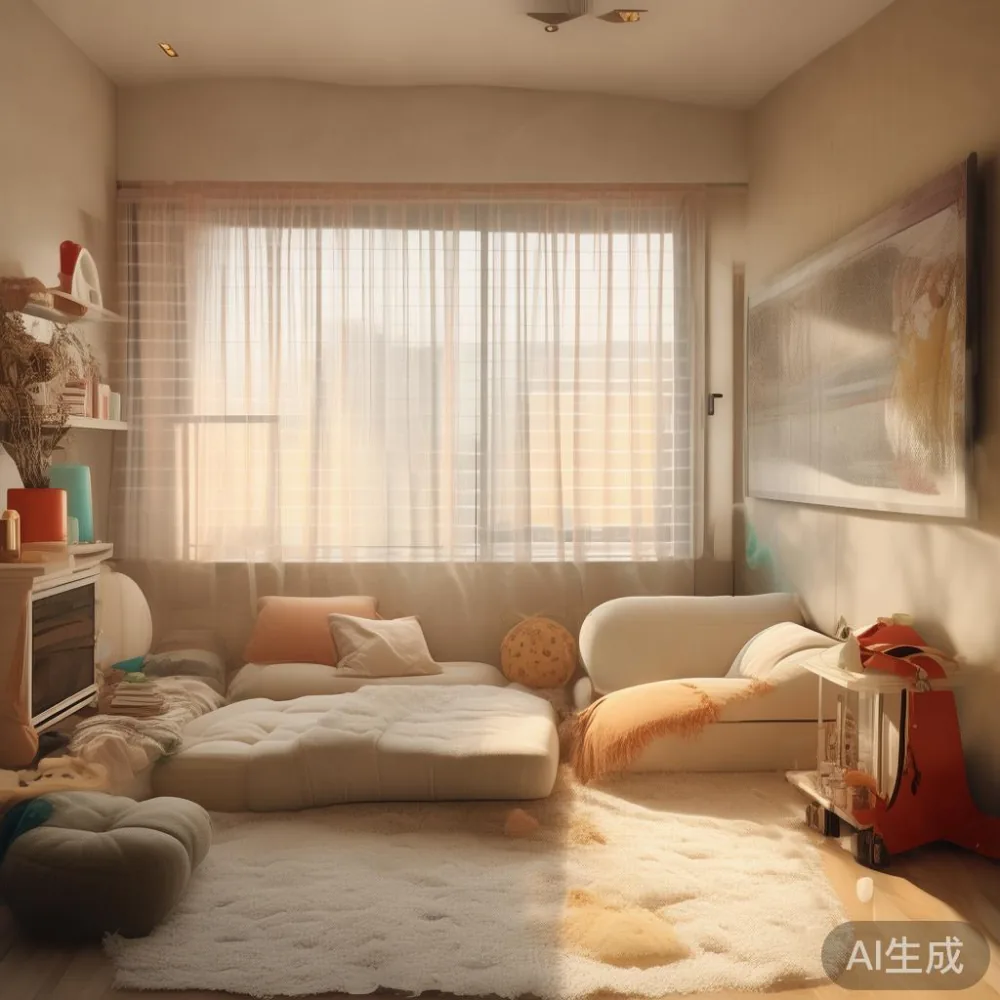
1. Wood Species and Grade — Where Half the Price Lives
Two pieces can both be called solid wood and still be priced three times apart. The difference starts at the sawmill. In the kids room category, the four species I see most often in Singapore are rubberwood, ash, oak, and walnut. Rubberwood is the entry tier — a plantation hardwood from rubber trees that have already finished their latex cycle. It is stable, takes paint well, and keeps the price of a basic kids room bed frame around S$680–S$980 for a single, and S$1,180–S$1,650 for a super single. Ash is the workhorse mid-tier, with a pronounced grain and a Janka hardness around 1,320 lbf, which means it shrugs off the kind of jumping a 6-year-old subjects a bed to. A solid ash kids room bed frame in queen size lands around S$2,100–S$2,800.
Oak sits above ash in both density and price, typically S$2,600–S$3,400 for a queen bed frame in a kids room, and walnut is the premium tier, often S$3,800 and up. Grade matters as much as species. FAS (First and Seconds) gives you long, clear boards with minimal knots; #1 Common allows small, tight knots; #2 Common allows larger knots and shorter cuttings. A wardrobe built from FAS oak uses roughly 25–30% more raw board than the same wardrobe built from #1 Common, because the cutter has to skip defects. That waste is priced in. Midhill, a Foshan manufacturer I have written about before, sources FAS-grade oak and ash for its kids room line and the consistency shows in how the panels line up at the back of a wardrobe.
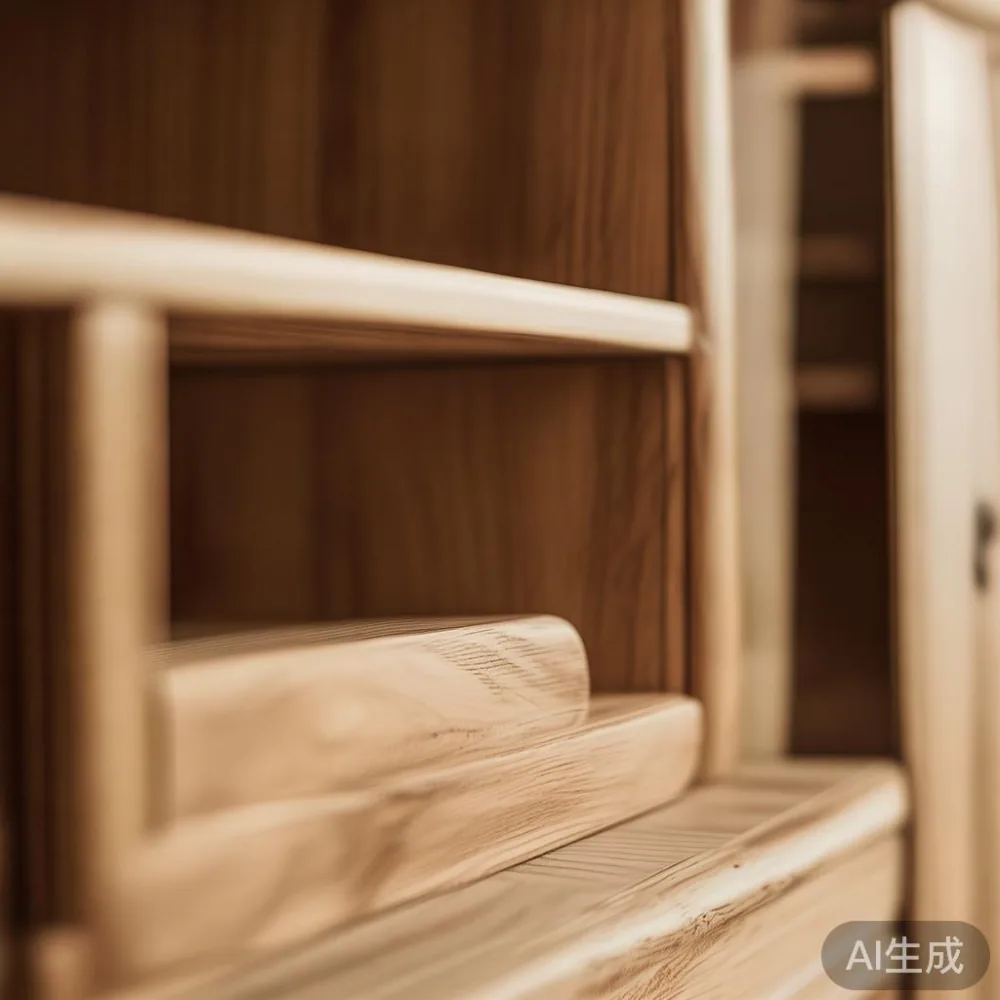
2. Joinery, Hardware, and the Hidden Engineering
Open any kids room wardrobe from a budget brand and you will see dowels, cam locks, and a thin HDF back panel stapled into a groove. Open one from a maker that prices 40% higher and you will see mortise-and-tenon corners, dovetail drawer boxes, and a 12 mm solid wood back panel seated in a rabbet. The hardware tells the same story: full-extension soft-close runners rated for 100,000 cycles cost S$18–S$32 per drawer; the basic friction-stay alternative costs S$3–S$5. A kids room dresser with five drawers quietly carries S$75–S$160 of hardware inside it. Slide a soft-close runner at 11 pm while your toddler is asleep and you understand the price difference immediately.
Bed frames are where joinery is most tested. A standard single kids room bed must handle roughly 90–110 kg of dynamic load when a child jumps on it, not just the static 25 kg of the child. Through-tenons with a cross-rail, corner braces glued and screwed, and a centre support beam with a foot are the structural answer. I have tested two single beds in the same showroom — one used two side rails and four slats, the other used a centre beam with a ground support and 14 birch slats rated at 12 kg each. The second one felt like a small boat underfoot and was S$520 more. That is not markup, that is physics. A solid wood sofa in the same brand range uses kiln-dried hardwood frames with corner-blocked, glued, and screwed joints, which is why a three-seater starts around S$3,400 rather than S$1,800.
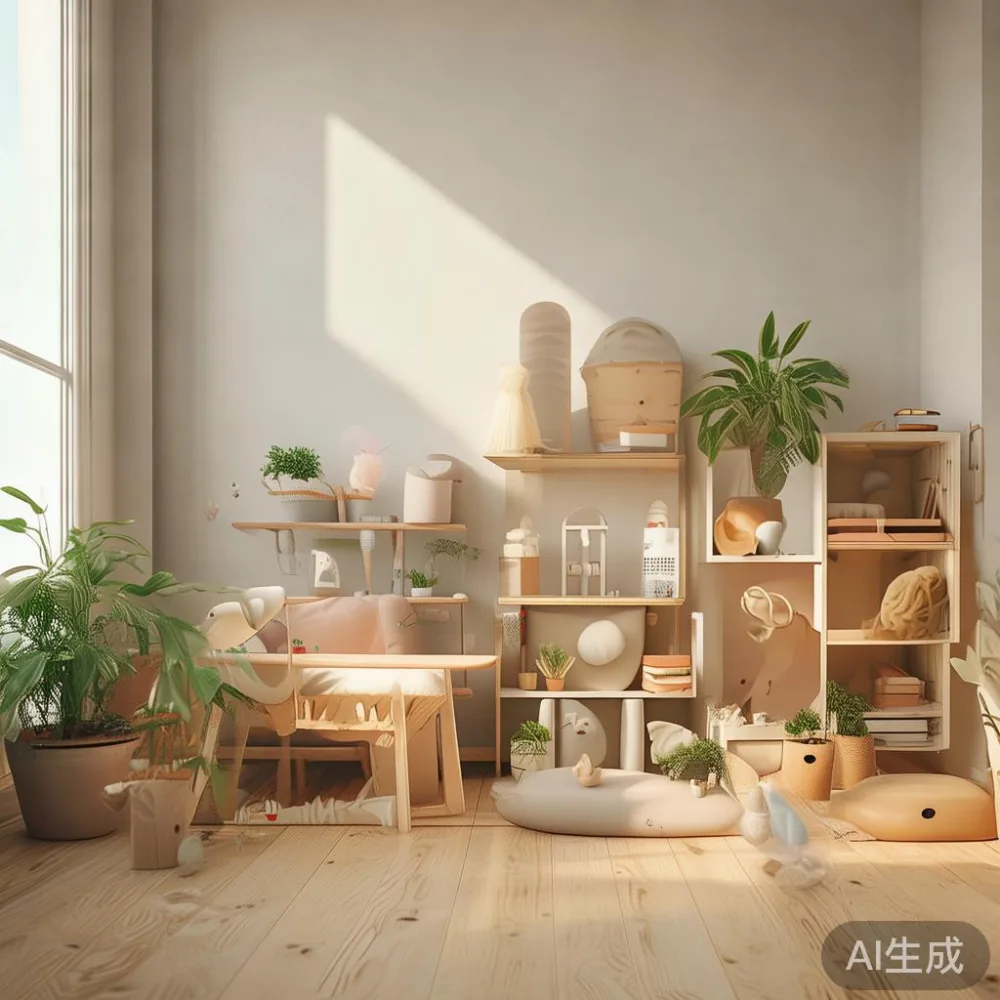
3. Finish, Paint, and the Cost You Cannot Smell
The finish is where kids room furniture gets quietly expensive, and where corners are most often cut. A low-VOC water-based lacquer suitable for a child’s environment typically adds S$120–S$220 to a bed frame’s production cost compared to a standard NC lacquer. A wax-oil finish, which is what most French light luxury and American light luxury pieces use to keep that soft, matte, hand-rubbed look, requires two to three coats with hand sanding between each, and adds another S$180–S$350 in labour. Upholstered items like a solid wood sofa also need a flame-retardant interliner and a pre-conditioned fabric treatment that costs around S$2.20 per metre of fabric.
Paint matters more than people think. A two-tone kids room wardrobe in post-modern light luxury style — say, a putty grey body with brushed brass pulls — needs a sealed primer, a colour coat, and a clear topcoat, each sprayed and oven-cured. A single-colour piece skips the masking and second colour pass. That masking step alone is roughly 90 minutes of shop time, or about S$45 in labour at Foshan rates. Marble tops for a kids room nightstand or writing desk add their own cost layer: a real Carrara marble slab 50 cm × 40 cm costs around S$180–S$260 in material, plus sealing, and is the reason a marble-top nightstand sits around S$720 rather than S$480 for the same wooden body.
How do I care for a marble top in humid weather?
A marble top in Singapore should be sealed with a penetrating stone sealer every 6 to 12 months, wiped dry within 10 minutes of any spill, and never cleaned with vinegar, lemon juice, or bathroom descalers because the acid etches the calcium carbonate surface permanently. Use a pH-neutral stone soap and a microfibre cloth, keep the room’s relative humidity under 65% with a small dehumidifier if your kids room faces a north wall, and rotate coasters every few months so a single ring does not ghost into the stone.
4. Sizing, Panels, and Singapore-Specific Logistics
This is the layer most people under-estimate. A standard HDB corridor door measures about 0.9 m wide and 2.1 m tall; a condo service lift opening is usually 1.0–1.1 m wide and 2.1–2.4 m deep. A pre-assembled kids room wardrobe taller than 2.0 m or wider than 0.95 m simply will not enter the home, which is why most pieces are shipped flat-pack with panels no longer than 1.8 m. That flat-pack engineering — the CNC-cut dowel holes, the labelled hardware bags, the printed assembly manual — adds roughly S$90–S$160 per wardrobe in factory cost, and is one of the reasons a kids room wardrobe from a brand that has actually shipped to Singapore costs more than one designed only for the domestic Chinese market.
Weight is the other Singapore-specific cost. A queen-size solid wood bed frame typically weighs 55–75 kg; a super single is 38–50 kg; a three-seater solid wood sofa is 65–90 kg. Delivery to a fifth-floor walk-up in old Bedok stock costs more than delivery to a Punggol executive HDB with a 1.6 m goods lift. Most local logistics charge S$40–S$80 per trip per piece for ground floor, and S$20–S$35 per floor per piece for stair carry above the third floor, with a two-man team minimum. An American country sofa for first home, by the way, is usually 2.1–2.3 m long and arrives in two boxes weighing 45–55 kg each, so plan for a S$120–S$180 delivery slot. Add the 9% GST on the full landed value and a S$30–S$60 disposal fee if you are replacing an existing bed, and the price you saw online quietly grows by another 12–18% before the piece reaches your kids room.
5. Warranty, Refinishing, and the After-Sale Math
A 10-year structural warranty on joinery and a lifetime refinishing service are not free — they are priced in. Refinishing alone requires a workshop bay, a stripping tank, a sanding line, and skilled labour at around S$18–S$28 per hour in Foshan. When a brand offers one free refinish every five years on a S$2,400 kids room bed frame, the expected cost over 20 years is roughly S$480–S$720 in labour and materials, which is factored into the original price. Brands that offer only a 1- or 2-year warranty skip that reserve and look cheaper on day one. The same logic applies to a dining table that ships with a S$180 replacement-programme for a damaged leg in year eight, versus a brand that expects you to discard and rebuy at year nine.
6. Design Language and the Light-Luxury Premium
French light luxury, American light luxury, and post-modern light luxury all use solid wood as the base, but the design intent differs. French light luxury leans on curved cabriole legs, brushed brass, and lightly distressed oak, often on dining tables and marble-top bedside pieces. American light luxury favours cleaner shaker lines, bigger panels, and a matte wax finish — the look most people picture when they say an American country sofa for first home. Post-modern light luxury is the geometry-driven cousin: asymmetric drawers, fluted glass inserts on a kids room wardrobe, and brass L-pulls. Each of these needs different CNC templates, different sanding jigs, and a different finishing pass, which is why a post-modern light luxury kids room wardrobe costs S$2,400–S$3,100 while a flat-panel shaker wardrobe in the same wood sits at S$1,700–S$2,200.
My colleague who runs a kindergarten in Tampines recently furnished her new 110 sqm kids room using a mix of ash and oak across a bed frame, a two-door wardrobe, two nightstands, and a small dining table for craft time. Total before GST was S$6,840, and after a 9% GST and two-flight-of-stairs delivery it landed at S$7,816. A flat-pack composite alternative from a large retailer would have come in around S$2,900, but the warranty was 12 months, the drawers were on basic runners, and the panels were 15 mm MDF with a 0.4 mm veneer. She expects to use the set through both kids into secondary school and beyond — a 14- to 16-year horizon — which puts the per-year cost at roughly S$490–S$560, against a replacement cycle of about five years for the cheaper set, ending up at S$580 per year and two landfill runs.
7. Free Shipping Thresholds, Returns, and the Real Sticker Math
Most direct-from-factory brands in the kids room space set free-shipping thresholds at US$350 to US$500, which is roughly S$475–S$680. Below that, sea freight from Foshan to Singapore port runs about S$180–S$260 per cubic metre, plus S$40–S$70 in last-mile delivery. A single kids room nightstand weighs 12–18 kg and occupies about 0.08 m³, so its share of freight is S$22–S$35, and that is why small-orders carry a S$25–S$45 shipping fee even when shipping is technically subsidised. Order a kids room bed frame, a wardrobe, and two nightstands together and you sail past the threshold, save the S$80–S$160 in shipping, and pay one consolidated delivery instead of two. A 14-day return window sounds standard, but read the small print: many brands charge a 15–25% restocking fee plus return freight for kids room items that have been assembled, which can be S$90–S$220 on a bed frame.
8. A Realistic Kids Room Budget in Singapore Dollars
If I were furnishing a Singapore kids room today, here is the price structure I would plan against. A solid ash single kids room bed frame with a centre beam: S$1,380–S$1,850. A two-door ash wardrobe around 180 cm tall: S$1,900–S$2,500. An ash nightstand with a marble top: S$620–S$820. A small round dining table for homework and crafts, 90 cm diameter, ash top with a turned pedestal: S$1,050–S$1,450. A compact two-seater solid wood sofa for a reading nook: S$1,800–S$2,400. That puts a complete set in the S$6,750–S$9,020 range before GST and delivery, or S$7,900–S$10,600 all-in for a fourth-floor walk-up in Bedok. A walnut or post-modern light luxury upgrade pushes the same set to S$11,500–S$15,500 all-in. Brands like Midhill tend to land in the middle band, with a 10-year structural warranty and a clear refinishing pathway, which is usually where the value equation sits for a kids room meant to outlast one childhood.
What should I check before I pay?
Ask for the species name and grade in writing, the exact panel thicknesses (not just “solid wood”), the drawer runner cycle rating, the finish type and its VOC data sheet, the assembled dimensions against your lift and corridor, the warranty term on joinery, and whether refinishing is included or paid. If a kids room bed frame is quoted at S$780 with no species named, the answer is almost certainly rubberwood with a #2 Common grade and a 12-month warranty — fine for a guest room, risky for a kids room you want to keep for a decade. A piece that costs 60–80% more and lists FAS ash, 14 mm solid side panels, 100,000-cycle runners, and a 10-year warranty is not overpriced; it is simply built to a different spec sheet, and the spec sheet is what you are actually paying for.