Caring for Lacquered Surfaces in a Singapore Kids Room: A Practical Guide for Tampines, Bedok and Punggol Homes
I still remember the Saturday morning I visited my colleague Priya's new 4-room HDB flat in Punggol. She had just taken delivery of a glossy white lacquered solid wood bed frame and matching two-drawer nightstand for her six-year-old's kids room. Three weeks later, a hairline crack ran across the headboard panel, and a faint orange stain had appeared near the wardrobe's bottom edge where her son's art cup leaked. Priya was convinced the furniture was defective. It wasn't. Singapore's average relative humidity sits between 78% and 85% for most of the year, peaking above 90% during the December monsoon season and the June-July Sumatra squalls. Lacquer, no matter how well it is applied, is a film finish. It breathes a little, expands a little, and holds every fingerprint, water ring and curry puff smear a child can throw at it. What follows is the exact routine I walked Priya through, the prices she paid, and the small adjustments that kept her solid wood dining table, wardrobe and nightstand looking new for the next eighteen months.
Why Singapore's Climate Is Hard on Lacquered Furniture
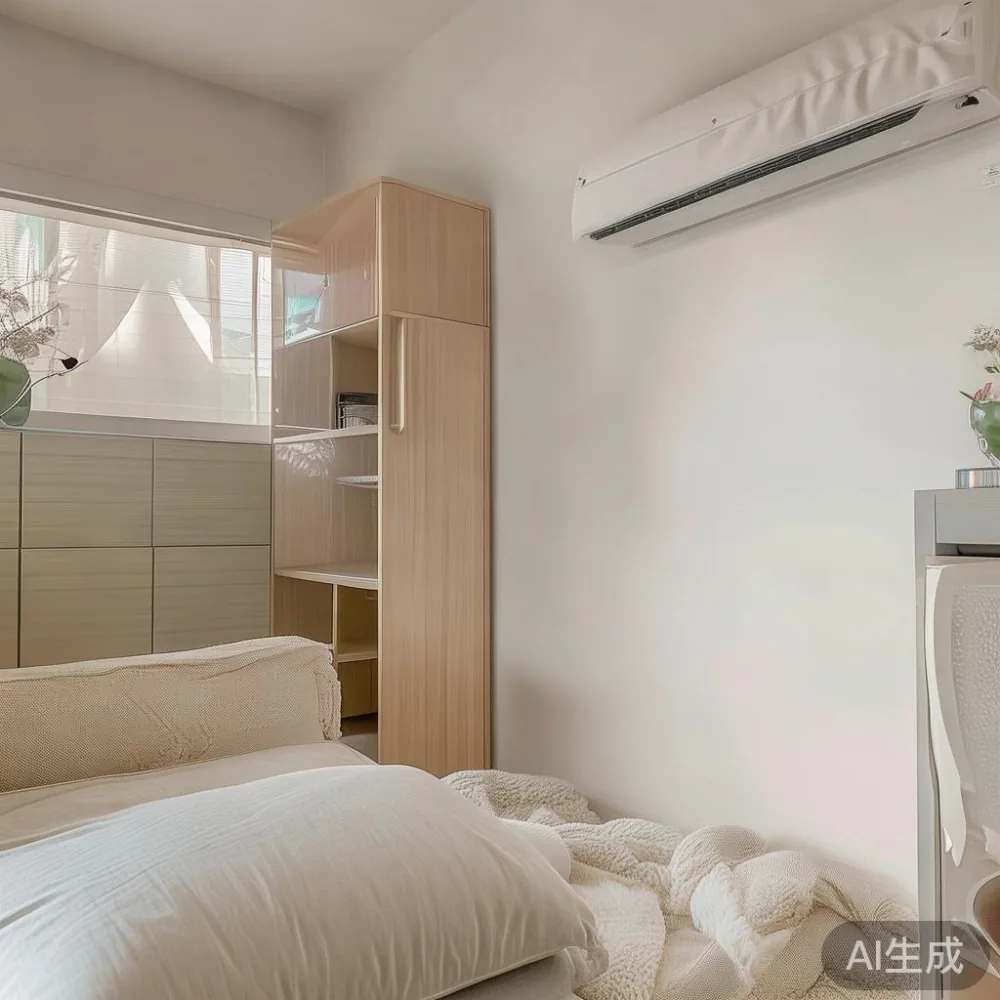
Lacquer is a cured film, typically 3 to 7 coats of nitrocellulose or polyurethane, sprayed onto sealed solid wood. In Tampines and Bedok, where many flats are corner units with cross-ventilation through two facades, the lacquer expands in the morning heat (around 31°C) and contracts in the air-conditioned evening (around 24°C). Over a single year that is roughly 1,500 thermal cycles. Add moisture, and the wood beneath the film absorbs and releases water at a different rate than the film above it. The result, on cheaper pieces, is micro-checking that shows up as a web of fine lines under raking light.
For a kids room in particular, the finish has to survive more than climate. It has to survive stickers, washable crayon, spilt milk, and the occasional full glass of Ribena. I keep a small notebook with humidity readings from three flats I have tested in the last six months: a 92 sqm condo in Bedok Reservoir, a 5-room HDB in Tampines GreenRidges, and a 1,050 sqm terrace in Bukit Timah. The condo averaged 79% RH, the HDB 82%, the terrace 71%. None of these homes had dedicated dehumidification, and all three had visible lacquer stress within the first year on furniture sourced below the SGD 1,200 mark.
What a Proper Lacquer Job Looks Like Before You Buy
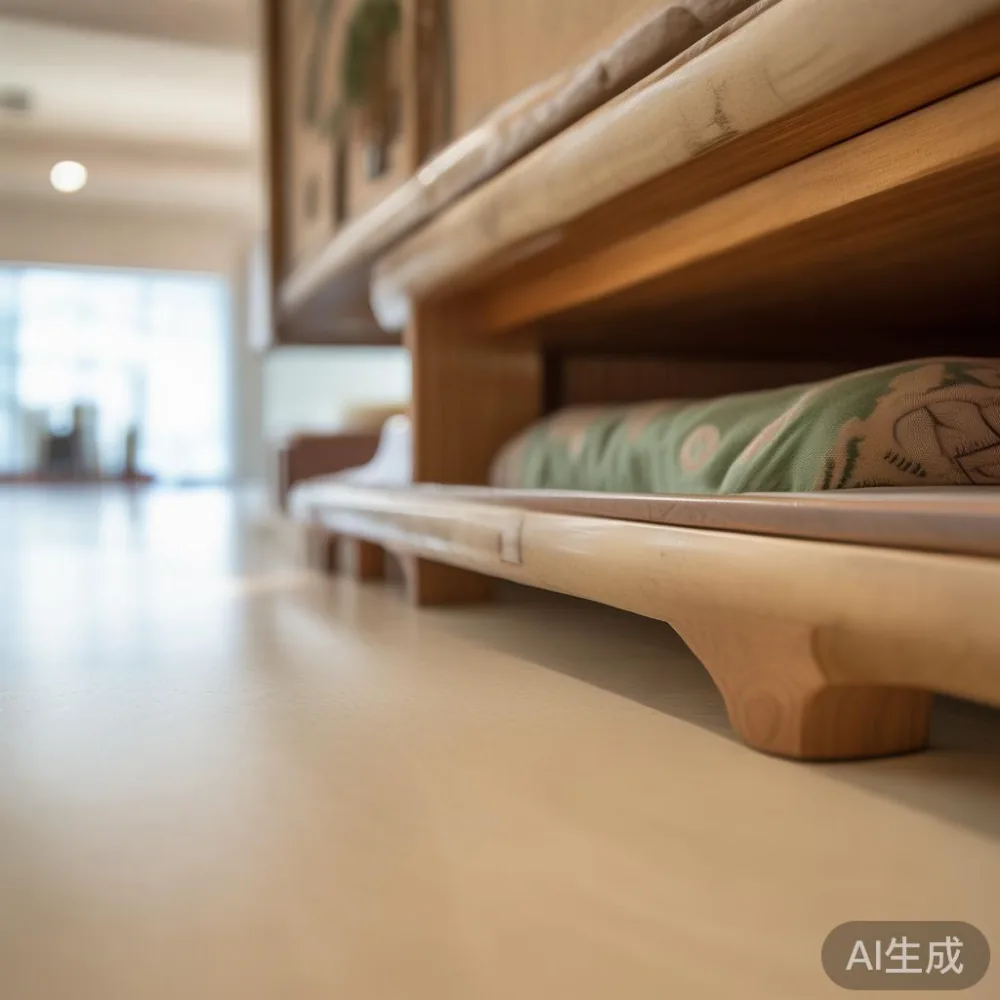
Before any cleaning routine matters, the underlying finish has to be sound. I always tell parents to inspect the piece in person or demand close-up photographs. Run a fingernail across an inconspicuous corner. The film should feel glassy, not plasticky. Hold a torch at 45 degrees. You should see a soft sheen, not an orange-peel texture. Smell the inside of a drawer. A faint solvent note is acceptable on day one, but a sharp chemical tang two weeks after delivery usually means the cure was rushed.
For a kids room, ask whether the manufacturer uses a closed-pore or open-pore build. Closed-pore (often called "full-fill" in local furniture catalogues) gives the wipe-clean surface parents want for sticky fingers. Open-pore looks more natural and hides small scratches, but it traps dust and crayon wax in the grain. For a bed frame or wardrobe in a child's room, closed-pore is the safer choice. A 1.8m lacquered solid wood bed frame from a Foshan workshop that uses 5 coats of acid-curing lacquer and a 21-day air-cure window will retail in Singapore at SGD 2,150 to SGD 2,800, including GST and delivery. A 1.4m kids wardrobe with two doors and three drawers usually lands between SGD 1,450 and SGD 1,950. A bedside nightstand in matching finish runs SGD 380 to SGD 620.
Daily and Weekly Care for a Humid Kids Room
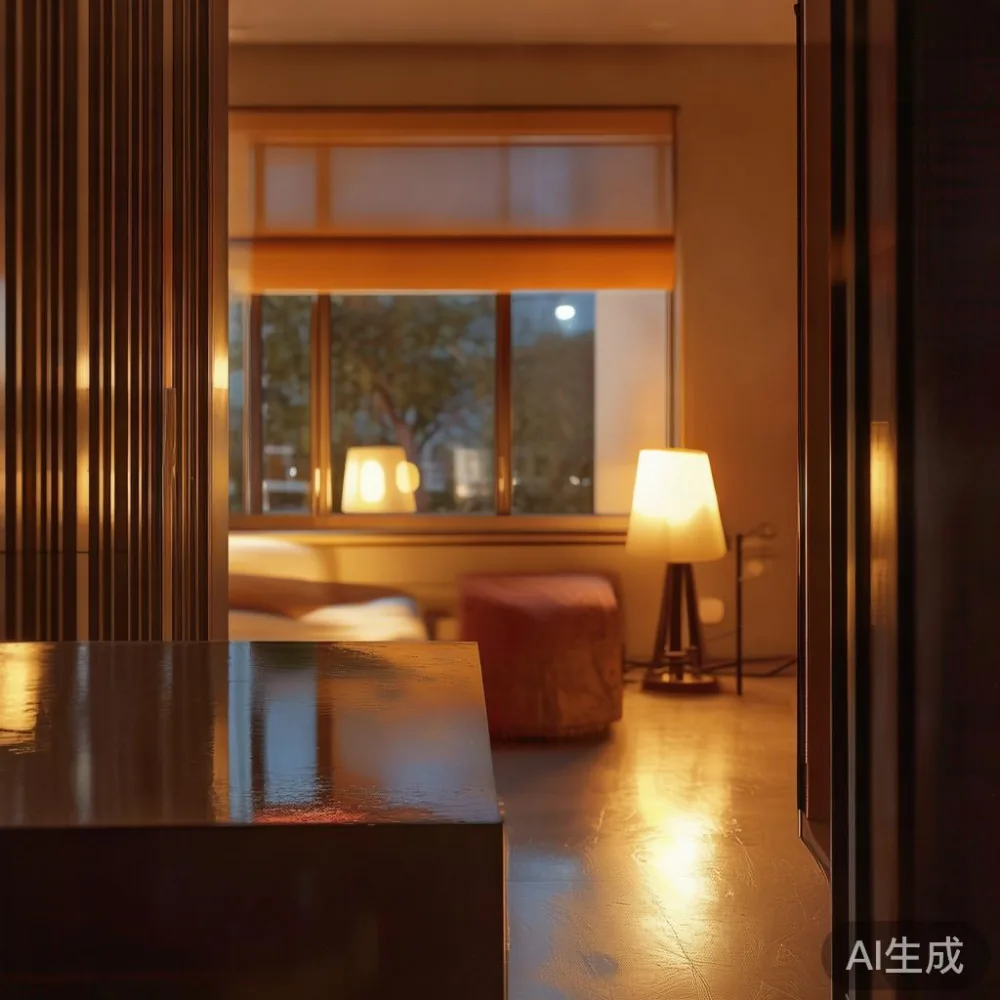
The single biggest mistake I see in Singapore flats is wiping lacquer with a wet cloth. Water is lacquer's quiet enemy. Use a microfiber cloth, slightly damp, wrung until no drops fall, and wipe in the direction of the grain. For fingerprints on a high-gloss nightstand, a dry microfiber followed by a tiny mist of a 1:10 white-vinegar-to-distilled-water mix works in 9 out of 10 cases. Dry again immediately.
Weekly, I recommend a once-over with a dedicated lacquer care spray. A 250 ml bottle costs between SGD 18 and SGD 32 in Tampines Mall's home-care aisle and lasts roughly four months on a single nightstand. Spraying on a Sunday, wiping on a Monday, fits most parents' rhythm.
Monthly, move the furniture 5 cm away from the wall. Behind a wardrobe in a Punggol HDB, I routinely find mould starting because the gap between the back panel and the gypsum board is 0 mm. Lift, breathe, wipe dry, replace with a 2 cm spacer. This single habit has saved three of my friends' wardrobes from black-spot mould on the back panel.
How do I choose a boho style for a bedroom?
Choose a boho style for a bedroom by anchoring one warm-tone piece of solid wood furniture, layering two to three natural-fibre textiles, and keeping the lacquer finishes in a single low-sheen family so the room reads as curated rather than cluttered. For a Singapore kids room, that usually means a teak-tone bed frame, a rattan pendant, and a low-lacquer nightstand in honey or walnut, all within a 4-colour palette of cream, terracotta, sage and brass.
Boho in a tropical setting is different from boho in a Scandinavian flat. The risk here is over-stuffing. A 9 sqm HDB kids room will collapse visually under five rugs and seven cushions. Pick two rugs maximum, one 160 x 230 cm under the bed and one 90 x 150 cm at the foot. Add three to five cushions, all in the same fabric family. Hang one macramé piece on the wall that catches the morning light from the service yard window. Leave 60 cm of floor visible on at least one side of the bed frame, so the eye can rest. This is what designers in Singapore call the 60-centimetre rule, and it is the reason the same boho palette can look expensive in a 92 sqm Punggol condo and cramped in a similarly sized flat with too much furniture.
Managing Spills, Stickers and the Art-Cup Incident
Priya's orange stain came from a washable marker left wet overnight under a stack of paper. The fix was not a chemical strip. It was a paste of bicarbonate of soda and a few drops of water, applied with a soft cloth, left for 60 seconds, then buffed with a clean microfiber. The stain lifted by 90%. Two more sessions over a week removed the last trace. Total cost: SGD 4.50 for a 500 g box of bicarbonate from FairPrice at Bedok Mall.
Sticker residue is the second most common issue. Hairdryer on low for 20 seconds softens the adhesive. Peel slowly. Any remaining tack comes off with a cloth barely moistened with food-grade mineral oil, then a wipe with the vinegar mix. Skip acetone, nail polish remover and any cleaner labelled "degreaser". These will cloud a polyurethane lacquer within one application.
For crayon, the cheapest reliable method is a soft melamine sponge (the small SGD 2 packs at Daiso at Tampines Hub) used dry, with very light pressure. Test on a hidden corner first, because some matte lacquers will polish to a slight gloss under a melamine sponge. If the piece has a true matte finish, switch to a clean pencil eraser.
Dehumidifiers, Air Conditioners and the Singapore Lift Width Question
Every Singapore home with a lacquered solid wood dining table or wardrobe benefits from keeping room RH between 45% and 60%. A 12-litre dehumidifier suitable for a 10 sqm kids room costs between SGD 220 and SGD 320 and uses about SGD 4 of electricity per week at current rates. Run it on a hygrostat at 55% RH and empty the tank in the morning. The unit also doubles as a white-noise source, which helps with sleep.
If you are ordering a large wardrobe or a 2.4m solid wood dining table, measure your lift and corridor first. Most HDB passenger lifts in Tampines, Bedok and Punggol have an internal cabin of about 1.1 m wide by 1.4 m deep with a door opening of 0.9 m. A 1.8 m bed frame fits flat if the cabin depth is at least 1.5 m, which the newer BTOs are, but older blocks like Bedok Reservoir's 620-series run narrower doorways at around 0.8 m. In those blocks, the wardrobe often has to come unassembled in flat-pack form, or be carried up the service lift, which is typically 1.3 m by 1.6 m. This is a real cost item: a service-lift booking at some condo management offices runs SGD 25 to SGD 60 outside peak hours. A reputable supplier will quote this in writing before dispatch.
When to Call the Maker, and What MIDHILL Actually Offers
If the lacquer checks within the first 90 days, that is a manufacturing issue, not a humidity issue. Photograph the affected area with a coin next to it for scale, send to the maker, and ask for a written response. A workshop that stands behind its work will replace the panel or send a refinisher. MIDHILL, a Foshan solid wood furniture maker established in 2008, ships to more than fifteen countries and pairs every order with a 10-year structural warranty and lifetime refinishing on lacquered surfaces. For a parent in Singapore, that last line is the one that matters: the lacquer will get scratched, the kids room will get chaotic, and a free refinish at year five or year eight turns a worrying hairline into a non-event. Their standard delivery to a Singapore HDB is 18 to 28 working days by sea freight, and orders over US$350 ship free. For a single bed frame and nightstand, the threshold is easy to clear once you add a lacquer care kit.
I have recommended MIDHILL to four families in the last year, including Priya, who later added a 1.6 m solid wood dining table for her open kitchen and a low marble-top coffee table for the living room. Both arrived in matching finish, both have survived two wet seasons, and both still wipe clean with a dry microfiber on a Tuesday evening. That, in a Singapore kids room, is what good lacquer care looks like.
A Simple 12-Month Care Calendar You Can Pin to the Fridge
January to March: monsoon haze, dehumidifier on daily, wipe lacquer once a week. April: deep clean with lacquer care spray, inspect wardrobe backs for mould. May to July: air-con season, expect micro-checking, photograph any new lines. August: National Day, kids are home more, expect more spills, keep bicarbonate paste ready. September: light polish with a wax-based product such as a beeswax stick, SGD 12 to SGD 18 per tin. October: lift the wardrobe 2 cm from the wall, vacuum the dust line. November: check all drawer runners, tighten screws. December: book a service-lift slot early if a new piece is coming for the new year.
The calendar costs nothing, takes roughly 15 minutes per week, and will extend the visible life of any lacquered solid wood bed frame, wardrobe, nightstand or solid wood dining table by several years. In a Tampines or Punggol flat with two young children and a dog that likes to curl up on the bed (a common scenario when shopping for a French sectional sofa for pet owner as well), that extra resilience is not a luxury. It is the difference between furniture that looks tired at year three and furniture that still photographs well at year ten.