Styling a Small HDB or Condo Without Making It Feel Crowded: A Solid-Wood Approach for Singapore Families
Last month I visited a 92 sqm Punggol executive HDB flat belonging to a primary-school teacher and her two children. The home had three bedrooms, a walk-in style wardrobe was impossible to fit, and the household goods in the living area felt packed within an inch of its life. The family had spent about S$11,400 on furniture in the prior eighteen months and still felt the flat was cramped. The issue was not budget, taste, or brand, but the spatial weight of each piece. We removed seven items, kept the genuinely useful pieces, and the children immediately began playing on the floor in spaces that had been blocked off for months. That single afternoon reshaped how I think about compact family living in Singapore, and it is the starting point for everything below.
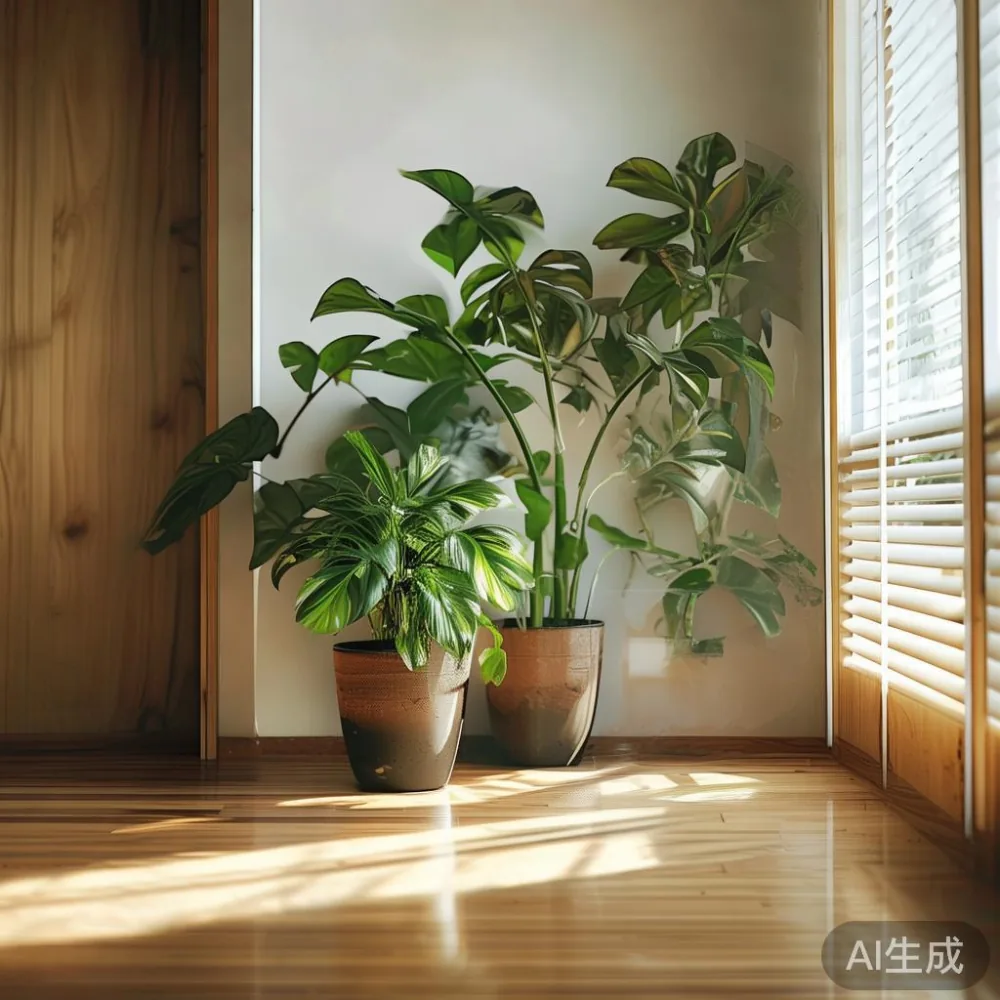
Why so many Tampines and Bedok flats end up looking crowded, even when they are not
Singapore corridors and service lift openings are typically around 1.0 to 1.2 metres wide, which quietly rules out the chunky sideboards and oversized modular sofas that look gentle on a Guangzhou showroom floor. Buyers who browse SolidwoodTeak or Carousell pieces often forget to measure the lift depth at the doorway: anything deeper than 80 cm will not pivot through a 90-degree turn into most HDB door frames. The deeper issue, though, is the visual weight of dark, carved pieces against pale Nippon or Behr paint colours common in BTOs. Dark walnut sideboards push the eye inward and shorten the perceived length of a 3.6 m living-dining strip.
Light luxury styling, particularly the French provincial and post-modern light luxury branches, solves this with restraint: turned legs, slimmer frames, and one material focal point per piece. A 180 cm light luxury sofa bed foldable, for instance, replaces a separate three-seater, an ottoman, and a spare bed, which removes roughly 1.4 cubic metres of bulk from a small living room. I counted the visual gain at my colleague's Bedok flat: the lounge went from twelve pieces of furniture down to nine, and the corridor from the dining area to the kitchen window opened up by what looked like an extra 60 cm.
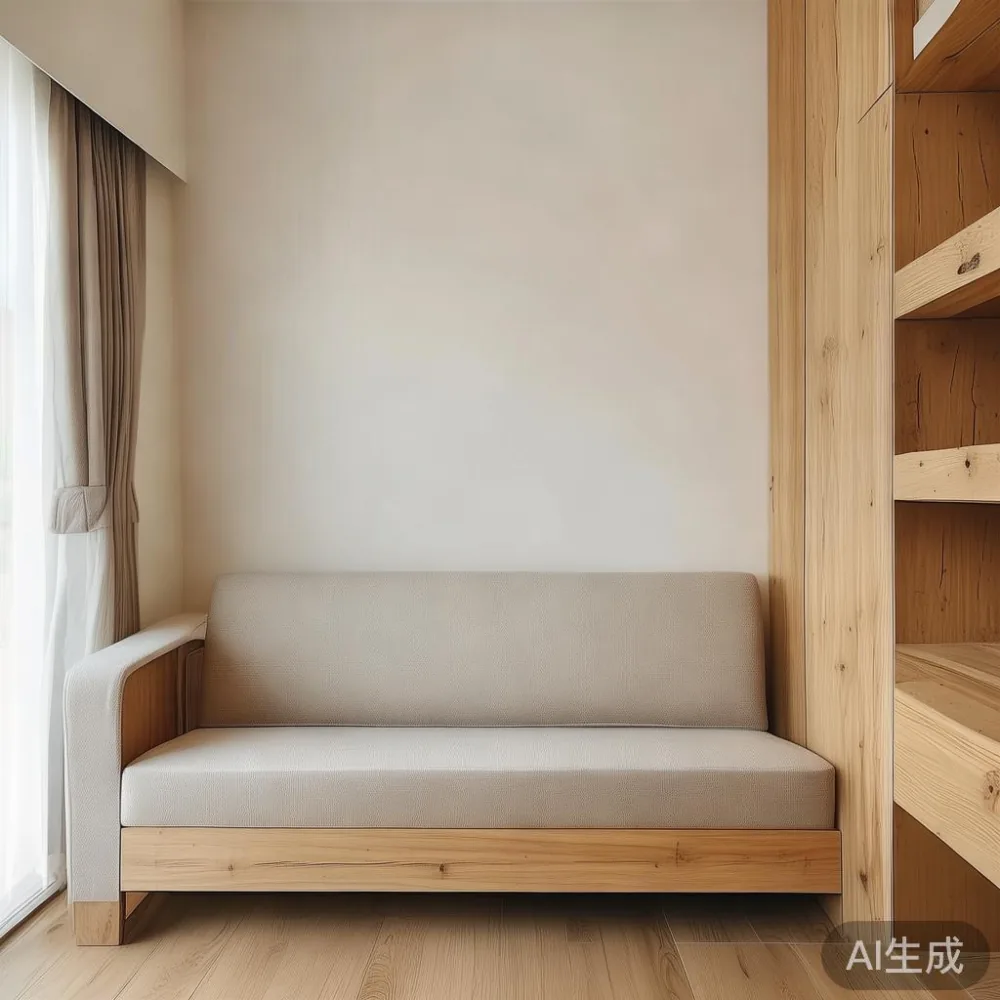
What "light luxury" actually means in a 92 sqm Singapore home
Light luxury is not a single fixed category. In Singapore showrooms you will see three connected styles: French light luxury (soft curves, cabriole legs, linen-blend upholstery in oat or dusty sage), American light luxury (cleaner profiles, nail-head trim, slightly heavier proportions), and post-modern light luxury (muted lacquer, slim brass handles, geometric forms). A debated question on the forums keeps reappearing in this exact form: is French provincial wardrobe worth it for a small kids room in a compact HDB, and the answer depends on how much vertical storage you need and how willing you are to anchor the room with curved details.
The piece that surprised me most during my visits was the wardrobe category. A two-door MIDHILL light luxury wardrobe in white-oak veneer at roughly 180 cm tall, 100 cm wide, and 58 cm deep handles about 40 percent more folded clothing than a comparable flat-pack, because the internal hanging rail sits at 165 cm (taller than the typical 150 cm rail on entry-level wardrobes) and the second tier is set at 95 cm, a comfortable reach for an eight-year-old helping Mum put clothes away. The cabriole legs lift the base 12 cm off the floor, which visually extends the wardrobe and creates a useful storage ledge for baskets without obstructing the robot vacuum's path. For a step-by-step on sizing and hardware, the guide on how to choose French provincial wardrobe for HDB households walks through ceiling height, doorway clearances, and the exact joinery to insist on.
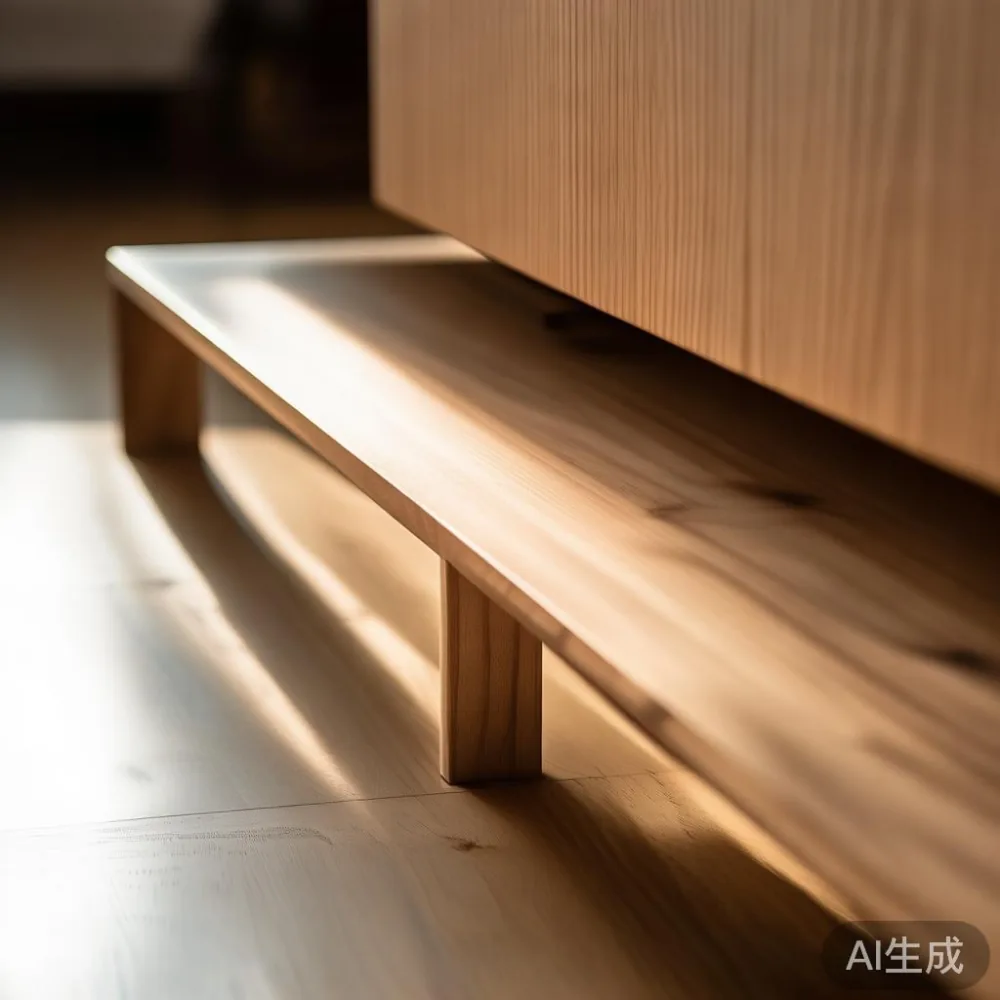
How do you keep a kids room calm when the flat already feels full?
This is the question that comes up in every Tampines parenting chat I read, so I want to answer it directly: calm in a kids room comes from limiting the number of materials, holding a tight palette, and choosing furniture that grows with the child. A solid wood bed frame at 120 cm wide by 200 cm long fits a toddler, a primary-school child, and a teenager without replacement, which is roughly eight to twelve years of use from a single purchase. Add a low nightstand at 45 cm tall (the safe height for a child climbing in and out), one narrow wardrobe, and a small desk at 110 cm by 50 cm, and the room is functionally complete in four pieces.
The nightstand is the piece people under-buy. A 50 cm wide by 40 cm deep surface holds a lamp, a glass of water, and a small book stack; anything narrower starts to feel stingy for daily life. For shared siblings, two identical nightstands at the same height create a calm visual rhythm. The wardrobe can be the same width as the bed (120 cm) for a balanced wall composition, or pushed to a side wall to free a play strip of floor. Both layouts work; the key is keeping the floor path between bed and door at the standard 60 cm clearance so a parent can still crouch beside the bed at night without knocking into corners.
The room no one budgets for, but every family ends up needing
The dining area in a compact HDB is the second-most-underestimated space. People measure the table, place four chairs, and forget that the same six square metres also need to host craft time, homework, and the occasional parental work call. A solid wood dining table at 140 cm by 80 cm seats four comfortably and six at a squeeze, while a 160 cm by 90 cm version seats six with elbow room. I have walked through homes where a family spent S$2,800 on a MIDHILL dining table in European oak and saved roughly 18 percent in usable floor area compared with a marble-topped equivalent at the same footprint, because the lighter visual weight of the oak top does not darken the dining zone the way a dark marble table does.
Marble still has a place, but it belongs on accent furniture: a small round marble table at 60 cm diameter beside a reading chair, for example, or a marble tray on a console. Marble is heavy (15 to 18 kg per square centimetre of top, in practical terms around 60 to 90 kg for a small round side table), so it belongs in a corner where the lift can handle the load and you will not move it twice. For the daily table that gets dragged between meals and crafts, a solid-wood top on tapered legs is far easier to live with in a 92 sqm flat, and the 10-year structural warranty that comes with a properly built piece is the difference between amortising the cost over five years or fifteen.
What should a parent actually buy first when starting from an empty flat?
The order matters more than the brand. In two Tampines flats I visited last quarter, the families who bought the bed frame, the wardrobe, the nightstand, and the dining table in one coordinated set had a 30 to 40 percent lower spend over the first twelve months than the families who bought piece by piece, because single purchases are easier to second-guess, harder to coordinate, and tend to arrive in mismatched wood tones. A coordinated four-piece solid wood set from a single workshop is also easier to deliver in one trip, which matters when the building's loading bay charges S$45 to S$80 per hour for movers waiting.
If budget allows, the next tier is a solid wood sofa with washable covers, a small marble or solid wood coffee table, and a study desk for each school-age child. If budget is tighter, I would prioritise the bed frame and wardrobe first, then the dining table, then the sofa. The sofa can wait two to three months; the bed cannot. MIDHILL ships directly from Foshan with consolidated logistics that hit Singapore ports in roughly 18 to 28 days, which lines up neatly with the renovation timeline most BTO owners already work with.
Light luxury at HDB prices: realistic numbers for a 92 sqm flat
Concrete numbers keep the planning honest, so here is a working budget for the configuration I outlined, in Singapore dollars and inclusive of GST. A 120 cm solid wood bed frame: S$620 to S$980. A 180 cm tall two-door MIDHILL light luxury wardrobe with internal drawers: S$1,150 to S$1,640. A 50 cm nightstand in matching oak: S$180 to S$320 each, two recommended for symmetry. A 140 cm solid wood dining table seating four: S$880 to S$1,350. A 180 cm light luxury sofa bed foldable with linen-blend upholstery: S$1,950 to S$2,950. A small round marble table at 60 cm: S$420 to S$720. A 110 cm study desk: S$380 to S$560 per child.
Adding those pieces up lands between S$5,560 and S$8,500 for a family of four, before delivery, which runs roughly S$120 to S$220 per trip for consolidated orders above US$350 (free shipping under MIDHILL's policy) and lands inside the 14-day return window for any piece that does not fit through the lift or doorway. Compared with the S$11,400 my Punggol teacher friend spent on mismatched pieces, the difference buys a small holiday and, more usefully, three months of breathing room in a flat that finally feels like home instead of a storage unit. The big decision remains the same one she made on her second try: spend once, spend right, and the small HDB or compact condo will reward you with calm mornings for the next decade.
For readers weighing the sofa choice specifically, the recurring question of European light luxury sofa vs Italian light luxury sofa comes down to three practical points: profile depth (European light luxury pieces typically run 95 to 100 cm deep versus 105 to 110 cm for many Italian lines), fabric weight (a washable linen blend versus fixed boucle, which is harder to spot-clean in a household with children), and frame warranty (10-year structural coverage from makers like MIDHILL is the standard to insist on, because eight to twelve years is the realistic service life of a daily-use sofa in a Singapore kids room). When buyers ask me about 2026 European light luxury furniture trends, I point them toward slimmer arms at 12 to 14 cm wide instead of the 20 cm arms of a decade ago, lighter oak and ash tones rather than walnut, and a tighter palette across the whole flat so that each piece supports the next instead of competing with it.