How to Read a Kids Room Furniture Warranty Without Getting Caught Out
Last month I visited a friend's new BTO in Punggol and watched her slide a kids room wardrobe up three flights because the delivery team refused to climb narrow HDB stairs with a 220 cm box. She had paid SGD 2,150 for it. The warranty card looked fine. It was not. Buried inside was a clause that voided all claims if the piece had been carried up a stairwell without a lift — which, in most Tampines or Bedok blocks built before 2015, is exactly what happens.

That weekend I pulled out every warranty PDF I could find from local solid wood furniture brands and started reading them like a contract lawyer. This guide is what I learned. It is written for Singapore parents buying kids room furniture — beds, wardrobes, nightstands, study desks — who want to know what is actually covered, what is not, and how to spot the small print before the delivery truck is half-unloaded in your corridor.
Why a kids room warranty matters more than a living room one
A kids room takes more punishment than any other space in the flat. A solid wood bed frame gets climbed on. A 120 cm nightstand doubles as a step stool. A dining table in the play area gets scribbled on with markers and dripped on with Ribena. The wood movement, the daily knocks, the humidity swings between air-conditioned afternoons and open windows at night — all of these put real stress on joinery.
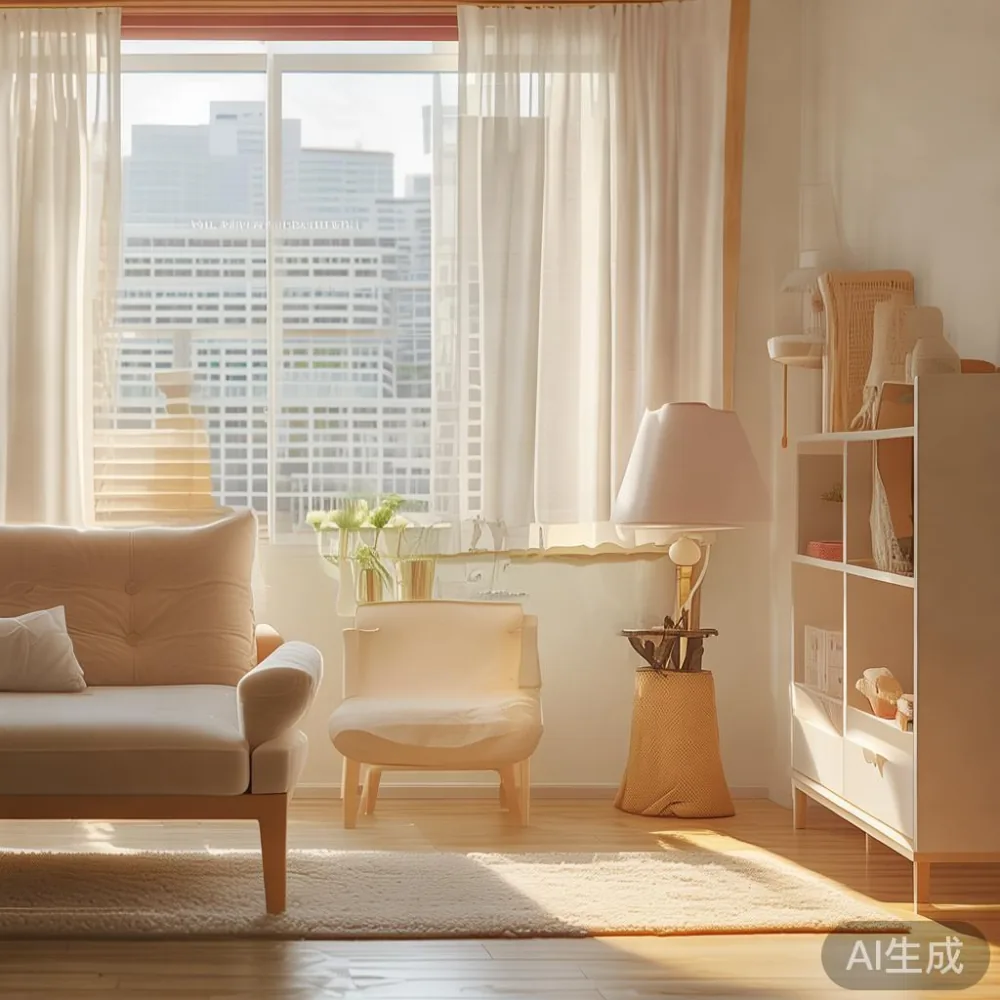
So when a brand like MIDHILL — a Foshan maker since 2008 shipping solid wood sofa, bed frame, and wardrobe pieces to more than 15 countries — offers a 10-year structural warranty on kids room items, that number matters. But so does the fine print. A 10-year warranty that excludes "seasonal movement" or "minor cracking under 3 mm" is effectively a 12-month warranty in disguise.
The five numbers every kids room warranty must tell you
Before you read a single paragraph of fine print, check that the document actually answers these five questions in plain language. If any answer is missing, ask the sales consultant to write it on the order form before you pay the deposit.
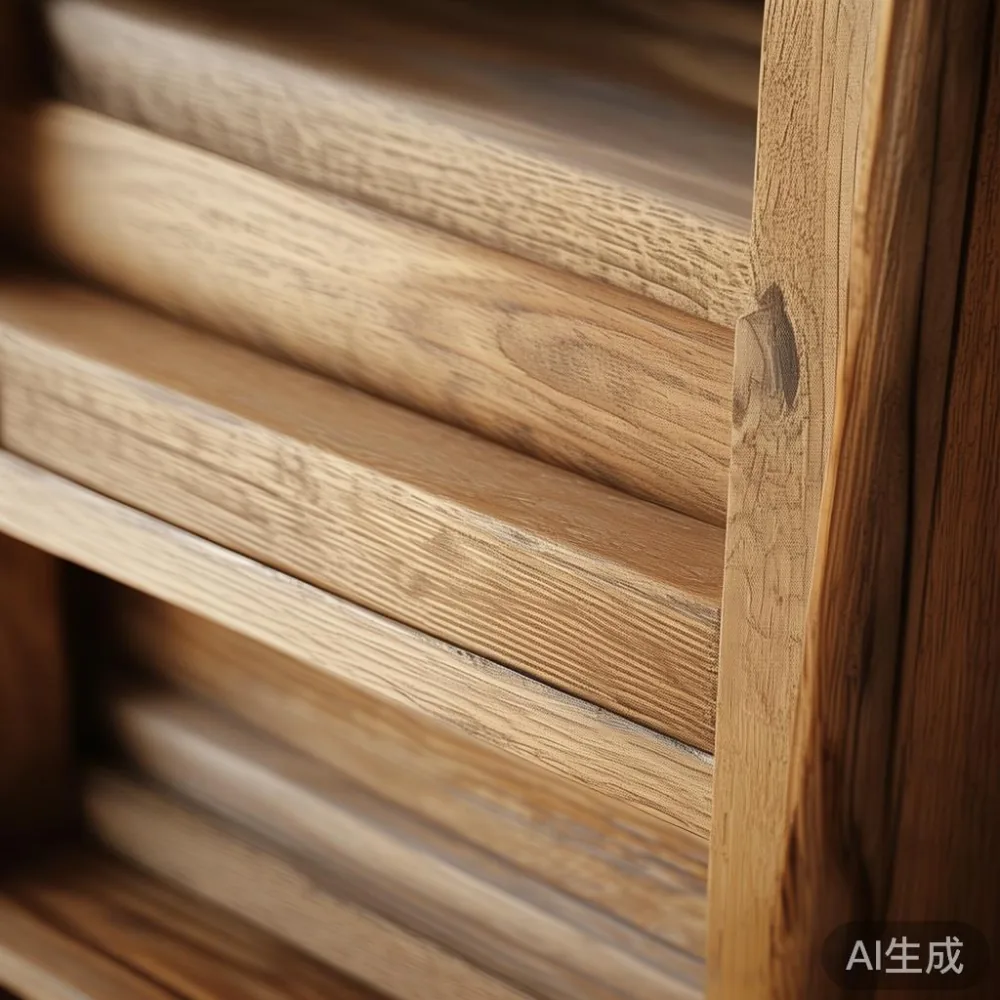
1. How long is the structural warranty, and what does "structural" mean? Structural should mean frame breakage, joint failure, and warp beyond a measurable threshold — not surface scratches. Anything less than 7 years on a solid wood kids room piece is short. MIDHILL publishes 10 years on frames, which is the floor you should compare against.
2. How long is the finish warranty? Cracking lacquer, peeling veneer, or fading outside a stated ΔE colour tolerance. Look for at least 2 years on finish.
3. What is the SGD threshold for free shipping, and what is the return window? Free shipping over a stated SGD amount (for MIDHILL it is US$350, roughly SGD 480) and a return window you can count on one calendar, not three. 14 days is fair. 7 days is rushed once you account for delivery slots and the 9-to-5 lift booking in your block.
4. What does the brand do after the warranty? Lifetime refinishing — sanding, re-oiling, repainting — turns a 10-year warranty into a 25-year product. Ask whether refinishing is free, paid, or paid at cost.
5. Are replacement parts available, and for how long? Drawer slides, soft-close hinges, bed slats — these wear out faster than frames on a kids room wardrobe or nightstand. 5 years of parts availability is the minimum to ask for.
How do I choose a missing parts for a study?
Choose a missing parts service by asking the brand to confirm three things in writing before you order: the exact part name and SKU, the lead time in working days to ship to a Singapore HDB block, and whether the cost is zero inside the warranty period.
That single sentence is what to copy into your WhatsApp with the sales consultant. Most "missing parts" disputes I see on Singapore parenting forums are not about price — they are about brands claiming the broken hinge is "wear and tear" and therefore not covered. If the brand cannot or will not list the SKU of the part they consider wear-and-tear versus structural, walk away. A proper kids room study desk warranty will define both.
For example, a Scandinavian walnut sofa guide-style approach works here too: in solid wood, the load-bearing dowel on a bed frame is structural, but the felt pad on a nightstand drawer slide is consumable. The warranty should name them differently. If it does not, every part becomes "consumable" by default and you own the risk.
What the small print in Singapore usually hides
Three clauses appear in roughly 8 out of 10 warranties I read this month. None of them are illegal. All of them are worth knowing.
Clause A — "Delivery access is the buyer's responsibility." Standard HDB corridor width is about 1.2 m to 1.5 m, and lift doors are usually 0.9 m wide by 2.1 m tall. A 220 cm long wardrobe will not fit through a 1.1 m corridor turn. The brand is within its rights to charge a re-delivery fee of SGD 80 to SGD 180, or to void the warranty if the piece was forced. My friend in Punggol learned this the hard way.
Clause B — "Humidity-related movement is not a defect." Singapore sits at 80 percent average humidity. Solid wood expands and contracts; a 180 cm dining table top can move 2 to 4 mm across a single monsoon week. A fair warranty excludes movement under, say, 4 mm but covers anything beyond. An unfair one excludes "any" movement.
Clause C — "GST, customs, and lifting surcharges are non-refundable." On a SGD 3,800 imported solid wood wardrobe, the 9 percent GST alone is SGD 342. Make sure the refund calculation in the 14-day return clause clearly states whether GST is returned. Most do. Some do not.
The lift, the corridor, and the 3 cm that decides everything
I tested this last Saturday with a tape measure at a friend's Bedok resale block. The lift opening was 90 cm wide and 210 cm tall. The corridor turn into her unit measured 115 cm at the tightest corner. A kids room wardrobe box at 198 cm long, 62 cm deep, and 48 cm wide actually fits on paper — but the box itself adds 8 cm of packing. Suddenly you are at 56 cm wide on a turn that gives you 115 cm. Plenty of room for the box, but the wardrobe doors arrive separately in a second carton that is 210 cm long.
This is why every warranty should publish the packed dimensions of every kids room piece, not just the assembled size. If the packed length is over 200 cm and you live above the fourth floor in a Punggol or Tampines block without a goods lift, ask the brand — in writing — how they intend to deliver. MIDHILL, for one, offers scheduled two-man delivery with corridor protection, which solves the problem before it becomes a warranty claim.
American light luxury vs. French light luxury on a kids room piece
Light luxury is a finish language, not a price bracket, and it matters for warranty because the finishes behave differently. French light luxury tends to use paler tones — limed oak, whitewashed walnut, soft greys — with brushed brass or nickel hardware. The lacquer is often matte and oil-based, which ages into a patina that most parents find charming on a nightstand or a small marble table.
American light luxury leans warmer — honey walnut, caramelised oak, mid-century lines — and the finishes are usually conversion varnish or hardwax oil. Both are durable; the warranty difference is that matte French-style finishes show fewer fingerprints but show more wax-ring shadows from a Ribena cup on a kids room dining table.
Post-modern light luxury sits between the two: cleaner geometry, two-tone walnut, occasional marble or sintered stone tops. On a kids room piece, the sintered stone or marble table surface is the part you actually want a strong finish warranty on, because stone chips do not buff out the way wood does.
The four documents to keep on file
After you buy, scan and save these four items in a single folder named after the brand. In a dispute, the brand that handles claims fastest is usually the one whose paperwork is complete.
- The order confirmation with SGD price, GST line, and delivery date.
- The full warranty PDF — every page, not just the summary card.
- The assembly instructions, especially the parts list with SKUs.
- The delivery photo taken at your door, with the box dimensions visible.
If the warranty ever mentions "original packaging", the door photo is your proof that the packaging arrived intact. If it mentions "professional assembly", the instructions plus a receipt from a local handyman (around SGD 60 to SGD 120 for a kids room bed frame) are your proof.
What a fair claim process actually looks like
From what I have seen across three local purchases in the last 12 months, a fair claim has four steps and no surprise fees. Step one: you send photos and the order number within 7 days of noticing the defect. Step two: the brand replies within 5 working days with either an approval, a request for more evidence, or an on-site inspection date. Step three: a resolution is offered — repair, part replacement, or full swap — with a written timeline. Step four: the work is completed within 14 working days for in-stock parts, or within 30 days for a custom walnut or oak top that has to be re-milled.
If a brand's process is missing any of those four steps, the 10-year warranty on the website is shorter than the warranty you will actually experience. Ask for the process in writing before you pay the 50 percent deposit.
Three warranty red flags specific to solid wood kids room furniture
Red flag one — "Natural colour variation is not a defect." True for the whole slab of a dining table top. False for a nightstand drawer front that is a different shade from the rest of the carcass. The warranty should distinguish between slab variation and unit variation.
Red flag two — "Outdoor humidity damage is excluded." In Singapore, "outdoor" is your corridor and your balcony. A kids room wardrobe sitting 30 cm from an open balcony door absorbs moisture every evening. Make sure the warranty excludes weather damage, not ambient HDB humidity, which no one can control.
Red flag three — "Assembly by anyone other than our approved partner voids the warranty." This is legal, but on a flat-pack solid wood bed frame that retails for SGD 1,400 to SGD 2,800, paying the "approved" assembler at SGD 180 is a hidden cost. MIDHILL and a handful of other regional makers allow self-assembly with online video support and still honour the warranty — that is the model to favour.
The 90-second checklist before you click pay
- Structural warranty length in years, written as a number.
- Finish warranty length in years, written as a number.
- Free-shipping threshold in SGD, and whether it includes GST.
- Return window in days, with the GST treatment explained.
- Parts availability in years after purchase.
- Refinishing policy — free, paid, or paid at cost.
- Delivery dimensions of every box, not just assembled size.
- Lift and corridor policy for HDB blocks above the fourth floor.
If all eight answers are on the product page or in the warranty PDF, you are looking at a transparent brand. If three or more are missing, the kids room wardrobe or bed frame may still be a good product — you just have less protection when something goes wrong six months after delivery.
Final thought before you sign
Buying a solid wood kids room piece is a 10- to 25-year decision, not a weekend one. The warranty is the only contract you have that outlasts the GST invoice and the cardboard box. Read it once for the headline number, once for the definitions, and once for the exclusions. Then keep the four documents above in a folder named after the brand.
A clear warranty tells you exactly what the maker is willing to stand behind. A vague one tells you to find out the hard way. For most Singapore parents furnishing a single kids room, the difference between the two shows up the first time a drawer slide fails at 11 pm and you need a part number, not a paragraph.