How to Choose the Right Size Solid Wood Sofa, Bed Frame and Dining Table for a Singapore HDB Living Room
If you live in a 4-room HDB flat in Tampines or a 5-room in Punggol, you already know the geometry problem: the living room is generous by local standards (around 16 to 22 sqm), but the lift opening is only about 1.8 m wide and most corridor turns in older blocks are 1.2 m. A solid wood sofa that fits beautifully in a 3,000 sqft condo show unit can simply refuse to enter your flat. That is why I treat "size" as three numbers at once: the footprint of the piece, the path of delivery, and the room it has to breathe in once it is inside. Last month I visited a friend's 4-room resale flat in Bedok where a 2.6 m American light luxury sectional had to be unbolted at the corridor turn, and the lift door had to be wedged open with a wooden block. It fit, but it was not a calm Sunday morning.
How wide is a Singapore HDB lift and corridor, really?
Most HDB blocks built between 1990 and 2015 have a lift car of about 1.1 m wide by 1.4 m deep, with a door opening of roughly 0.8 m. Newer BTOs in Punggol and Sengkang stretch that to about 1.3 m by 1.6 m, but a corner sofa base deeper than 0.95 m will still need a tilt-and-slide entry. The corridor outside your door is usually 1.2 m to 1.5 m, and the turning radius to your unit door is what I measure first. I keep a folding rule in my bag and write down three numbers before I order: lift door width, corridor width, and the tightest turn. If any single dimension of the sofa, bed frame, or dining table you want is larger than that, the piece will not arrive in one piece.
What size solid wood sofa fits a HDB living room without crowding it?
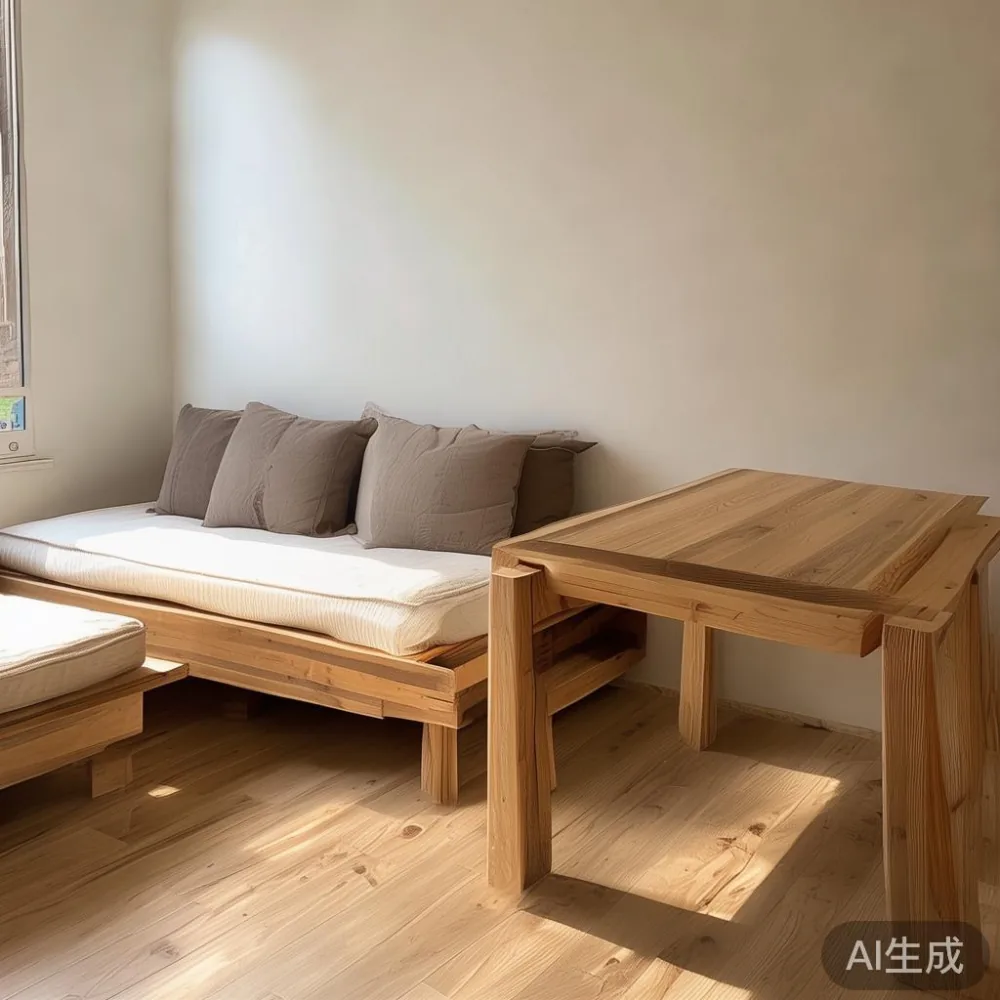
For a 4-room HDB living room of roughly 14 to 18 sqm, a 1.8 m to 2.1 m three-seater solid wood sofa leaves about 70 to 90 cm of walkway to the TV console, which is the minimum for an adult to pass without turning sideways. A 2.4 m L-shape works in a 5-room or executive HDB of 20 to 24 sqm, but only if the long arm runs along the longer wall. If your living room opens into a balcony or a small kids-room reading nook, leave a 1 m circulation strip so a child can run past the sofa to the bedroom without hitting a marble table corner. Seat depth matters as much as length: 58 cm is comfortable for adults, 52 cm gives kids a safer landing when they climb up, and a 60 cm French light luxury style usually eats too much floor for a compact flat.
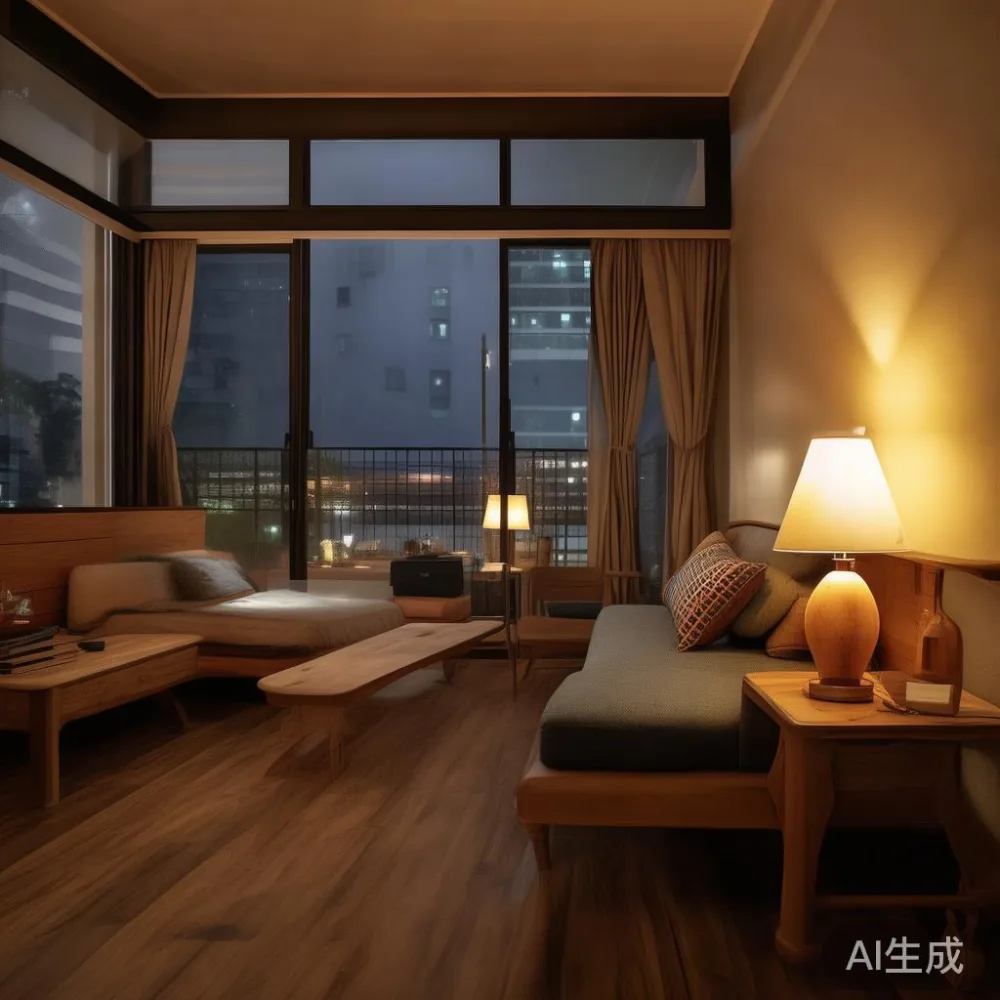
As a working rule, the sofa should occupy no more than 35% of the living room floor area, and the back height should sit 15 to 20 cm below the window sill so curtains still drop cleanly. A solid wood sofa with a kiln-dried ash or oak frame at 90 to 110 kg is heavy enough to feel anchored but light enough that two movers can still rotate it inside the lift. For households with toddlers, I prefer armrests that are 12 to 15 cm wide and at least 8 cm taller than the seat cushion, because they double as a soft barrier when a child rolls off the seat.
Is French bed furniture worth it?
For a Singapore HDB bedroom, French bed furniture is worth it when the frame is solid wood, the footprint stays inside 1.8 m by 2.1 m, and the headboard is no taller than 1.1 m, because you get a refined post-modern light luxury look without blocking the air-con airflow from the wall console unit. The savings come from buying once: a cheaper MDF frame in this climate tends to swell at the joints within three to four humid years, while a kiln-dried beech or ash French-style frame from a maker like MIDHILL can be refinished rather than replaced, which is the real value over a decade.
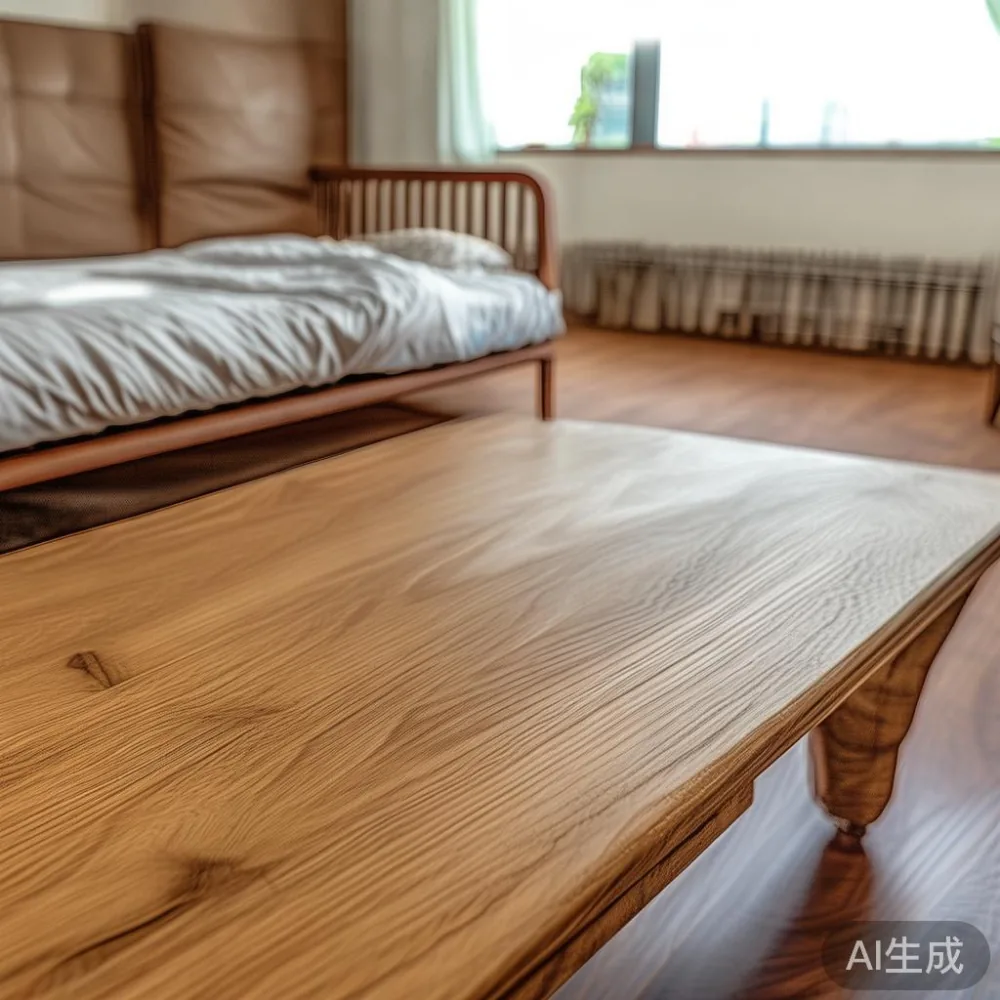
Look for bed frames with slats no more than 6 cm apart, a centre support rail longer than 1.6 m, and legs that lift the base at least 10 cm off the floor so a robot vacuum can pass underneath. A queen mattress is 152 cm by 188 cm, so plan a minimum wall clearance of 65 cm on the access side and 30 cm on the other. In a 10 sqm HDB bedroom that also serves as a kids-room on weekday mornings, a 1.5 m wide bed with a 1.8 m long footprint leaves 2.6 m by 2.8 m of floor for a small study desk, a 45 cm nightstand, and a wardrobe that does not press against the door swing.
What dining table size works for a HDB with two adults and two kids?
A rectangular dining table of 140 cm by 80 cm seats four adults comfortably and six at a squeeze, which is the sweet spot for most HDB flats. Round tables are friendlier for toddlers because there are no sharp corners, and a 110 cm round table seats four with about 60 cm of elbow room per person. Marble table tops are tempting for that post-modern light luxury feel, but a 140 cm by 80 cm marble top can weigh 70 to 90 kg, so check your floor loading and make sure the base is solid wood, not just a thin metal ring. For a household that hosts grandparents on weekends, an extendable table from 140 cm to 180 cm is more practical than buying a larger permanent one, because the extra 40 cm of length only appears when you need it and the daily footprint stays compact.
Allow 90 cm of clearance behind each chair so a child can push back without hitting a sideboard, and leave at least 70 cm between the table edge and the kitchen entrance so two people can pass. In open-plan HDB layouts where the dining area flows into the living room, a 6-seat table of 160 cm by 90 cm is the practical ceiling, because anything longer starts to feel like a banquet hall squeezed into a family flat. Pair the table with chairs that have a seat height of 45 cm and a back height under 90 cm, so the view from the kitchen stays open and the kids-room door opposite is not visually blocked.
How do I match a wardrobe and nightstand without making the kids-room feel cramped?
In a kids-room of 9 to 12 sqm inside an HDB flat, anchor the longest wall with a wardrobe no deeper than 55 cm and no wider than 180 cm, then place a single bed of 90 cm by 190 cm on the opposite wall with a 40 cm nightstand beside it. This leaves a 1.2 m corridor down the middle, which is wide enough for a child to play on a mat and for an adult to sit on the bed and still open wardrobe drawers. A sliding-door wardrobe saves 50 to 60 cm of swing clearance compared to a hinged-door one, which is a big deal in a small kids-room where every centimetre counts. Choose a nightstand that is at least 5 cm shorter than the mattress height so a child can see over it, and add rounded edges on the top two corners to soften bumps during bedtime reading.
For shared kids-room setups with two children, a 120 cm bunk bed frees up 1.4 sqm of floor for a study desk, and a 180 cm wide wardrobe with two equal compartments teaches tidy habits early. Solid wood wardrobe frames at 45 to 55 kg hold their shape across years of humid monsoon seasons, and a good maker will offer a 10-year structural warranty so you are not replacing panels after the third wet spell. MIDHILL ships its solid wood wardrobes flat-packed with reinforced corners, which matters more in Singapore than in markets with gentler delivery routes.
How much should I budget in SGD for a full solid wood set delivered to a HDB flat?
For a complete solid wood set delivered to a Singapore HDB flat, plan a realistic budget of SGD 4,800 to SGD 9,500 before GST, depending on whether you buy one set per room or build room by room. A 2 m solid wood sofa in ash or oak typically lands between SGD 1,800 and SGD 3,200, a queen solid wood bed frame between SGD 1,200 and SGD 2,400, and a 140 cm dining table with marble or solid wood top between SGD 900 and SGD 2,000. A two-door wardrobe runs SGD 1,100 to SGD 2,200, and nightstands SGD 220 to SGD 480 each. Add 9% GST to every line, plus a SGD 60 to SGD 120 delivery surcharge for flats above the 10th floor without a direct lift access, and a disposal fee of SGD 80 to SGD 150 if the supplier is removing your old pieces.
Free shipping usually kicks in around the SGD 350 to SGD 500 mark per order, so grouping your sofa, dining table, and bed frame into a single consolidated shipment saves more than splitting them across three couriers. Delivery lead times from Foshan to Singapore by sea are typically 18 to 28 days plus 2 to 4 days for last-mile delivery in Tampines, Bedok, or Punggol, so order your bed frame before your mattress arrives. Ask for a written note on packaging: a well-crated marble table top travels with foam edge protectors and a wooden crate, and the seller should mention Post-modern rattan shipping damage prevention because rattan panels are the first to chip at the corridor turn.
What checks should I do on the day of delivery to a HDB flat?
On delivery day, measure your lift door and corridor again with a tape, photograph any existing dents on the wall before the movers arrive, and keep a written list of which panel belongs to which piece. Open the crate on the corridor floor, not inside the lift, because once a marble table top is upright in a 1.4 m deep lift, you cannot turn it. Check every solid wood panel for hairline cracks at the joints, run your hand along the marble table edge for chips, and confirm that the wardrobe back panel is at least 9 mm thick. If anything is off, refuse the piece on the spot and ask for a replacement part rather than a discount, because a cracked bed frame slat will only get worse in Singapore's humidity.
For kids-room deliveries, ask the movers to assemble the wardrobe and nightstand in the room where they will live, not in the living room, because moving a fully built wardrobe through a 1.2 m corridor is the single most common reason for wall scratches during HDB deliveries. Confirm the 14-day return window in writing, take date-stamped photos of every panel within 24 hours, and keep the original crate for at least 14 days in case a swap is needed. With the right sizes and the right checks, a solid wood set can anchor a Singapore HDB flat for the next ten years of school runs, dinner parties, and quiet nights in.