Caring for Lacquered Surfaces in a Tropical Climate: A Kids Room Guide for Singapore Homes
I still remember the afternoon in late February when I walked into a freshly renovated four-room HDB flat in Punggol with a young couple. Their new wardrobes had arrived only nine days earlier, the dining table was nested between the dry kitchen and the service yard, and a small nightstand was already tucked beside the master bed. We sat together on the floor of what would soon be the kids room and discussed what the next decade would look like for that pale lacquered surface, because in Singapore, with monthly humidity averaging 78 to 88 percent and indoor temperatures holding around 26 to 30 degrees Celsius year-round, lacquer behaves nothing like it does in a London townhouse or a Tokyo apartment. This article is the conversation I wish I could have with every Tampines and Bedok homeowner before the delivery crew rings the doorbell.
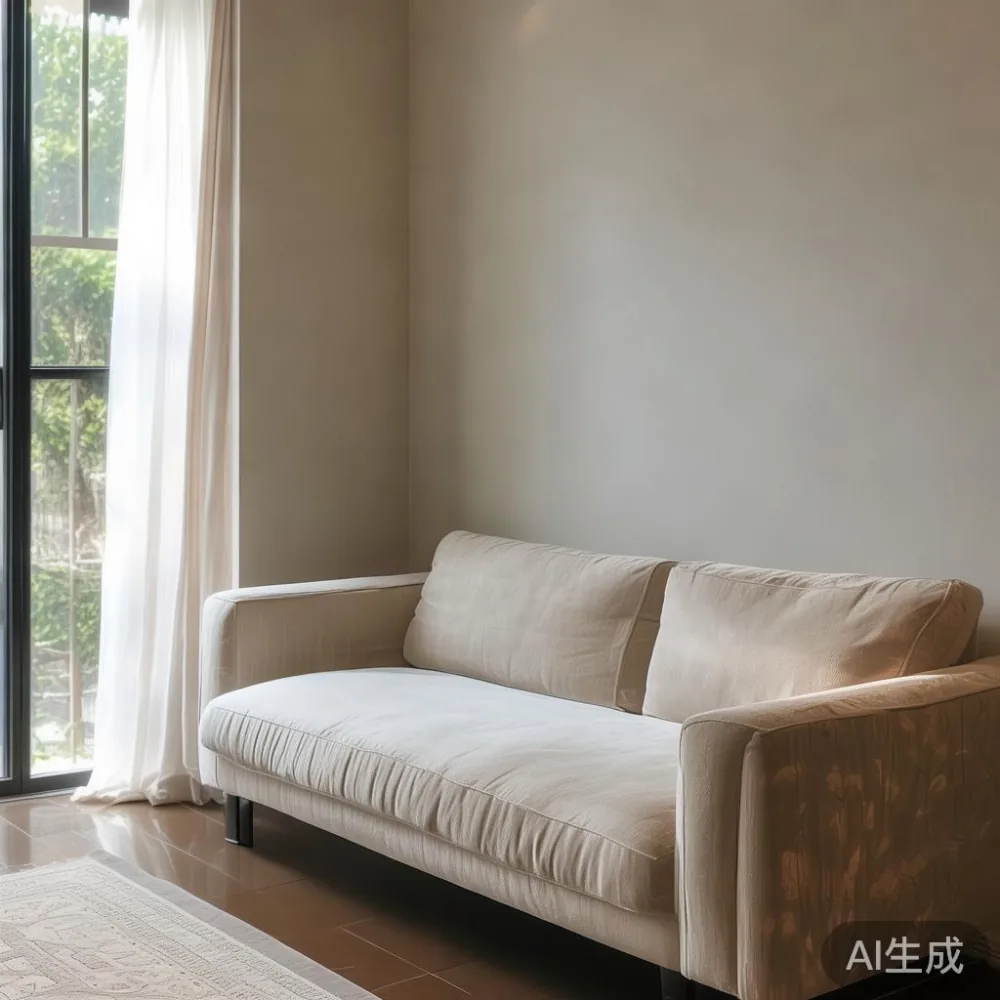
Lacquered kids room pieces occupy an unusual middle ground. They cost more than laminate, less than marble, and they sit in the one space where sticky fingers, spilled milk, and felt-tip markers all share the same airspace as the finish. The good news is that a well-cured lacquer, properly maintained, will outlast two children, three cats, and a relocation to a newer condo in Bukit Panjang. The bad news is that a neglected one will cloud, micro-crack, and yellow inside eighteen months. The difference comes down to six careful habits, and writing them down is the whole point of this guide.
Why a Tropical Climate Is Harder on Lacquer Than a Temperate One
Lacquer, whether it is the Asian nitrocellulose (NC) variant favoured by traditional workshops or the more recent acid-catalyst (AC) and polyurethane (PU) coatings used on most export-grade solid wood dining tables and bed frames, cures by solvent evaporation and oxidative cross-linking. Both processes continue for the first 21 to 35 days after the final coat. During that window, humidity above 75 percent extends drying time, traps solvent, and produces a softer surface than the manufacturer intended. After cure, humidity acts through a different mechanism: it drives moisture exchange through micro-pores, which causes wood movement of roughly 1 to 3 percent across the grain for every 10 percent change in ambient moisture. A 183 cm wide wardrobe panel will swell and contract 2 to 4 mm each season. Over six years, repeated movement shows up as hairline cracks in the clear coat near the joints. This is not a defect; it is physics. The families who accept the physics are the ones whose furniture looks ten years old at year twelve, instead of twenty.
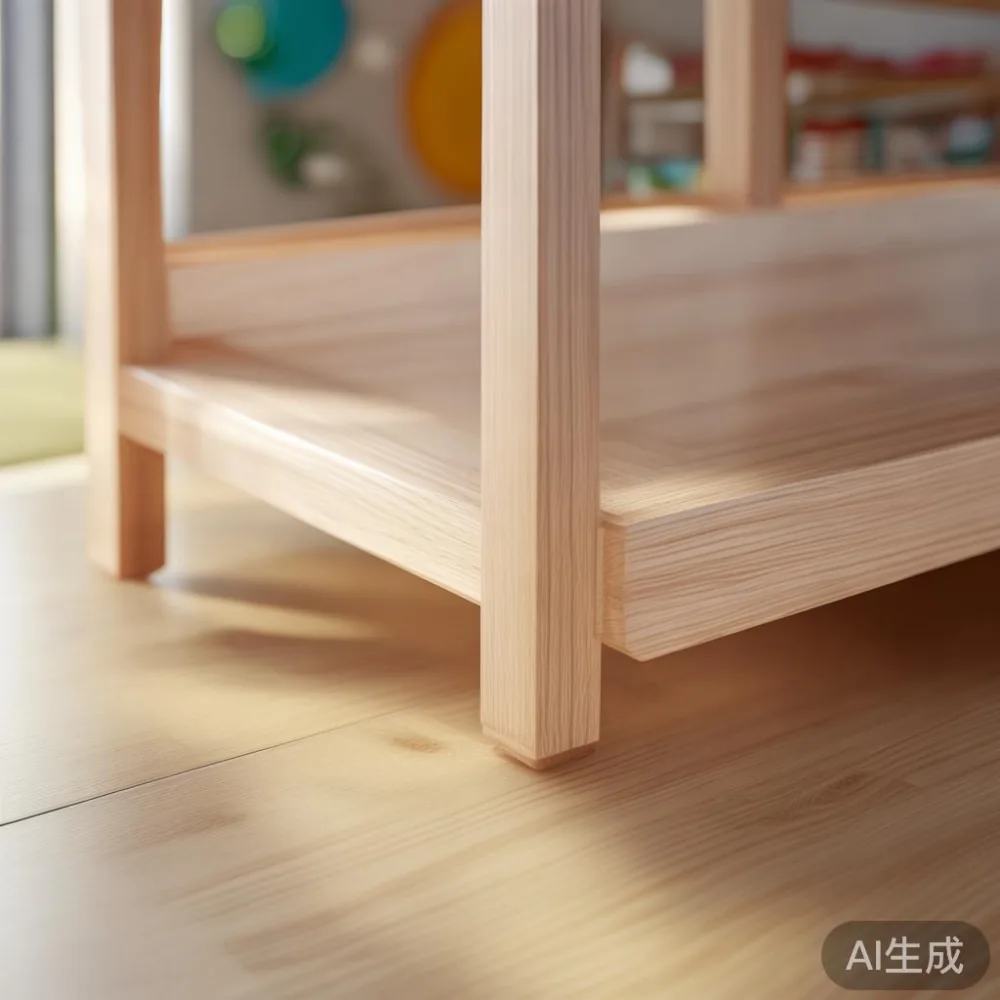
Singapore adds a second stressor that European climate charts never capture: the dust mix. Singapore's PSI readings regularly touch 60 to 90 during hazy periods, and that particulate load settles on horizontal lacquer the way talcum powder settles on glass. A weekly routine that would suffice in Copenhagen does not suffice here. A kids room is also a low-traffic-by-night, high-touch-by-day environment, which means finger oils and milk residue accumulate on the same 30 cm square of finish where a child sits to draw, every single afternoon.
What "Lacquered" Actually Means on a MIDHILL Wardrobe or Dining Table
Buyers in Tampines and Yishun often conflate lacquer with paint, which leads to over-cautious cleaning or, worse, oily polishes that fog the surface within a season. Lacquer here refers to a clear or pigmented film 0.04 to 0.08 mm thick, applied in five to eight coats over a sealed wood substrate. On a French bed vs French provincial bed comparison, for instance, the former is typically a lighter, post-modern light luxury interpretation with thinner coats and a satin sheen, while the provincial variant carries more coats and a higher gloss. Both are lacquered; they simply respond to humidity at slightly different rates because the film thickness and the underlying wood species differ. Understanding this distinction matters whenever you reach for a cleaning product, because a satin film that promises "antiques beautifully" with oil will, in Singapore's humidity, become a magnet for dust within forty-eight hours.
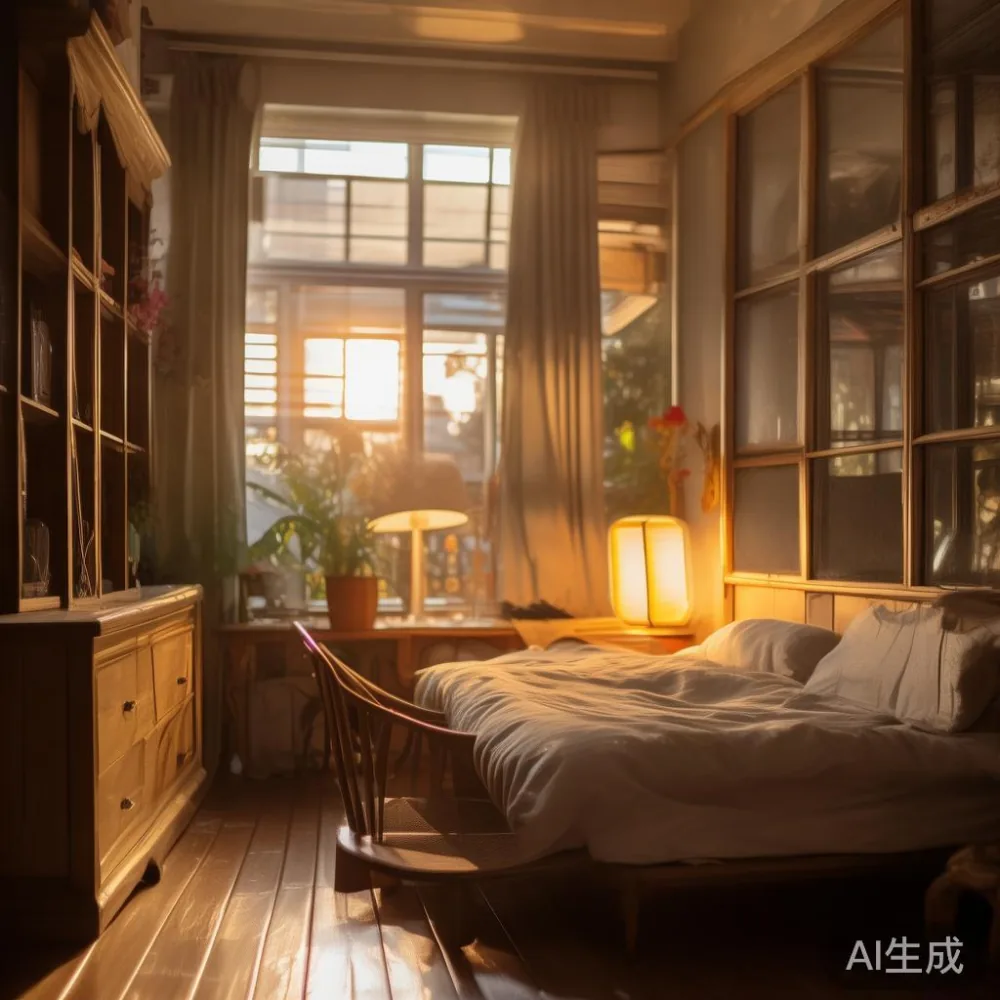
If you are asking is American wardrobe worth it for a Singapore kids room, the answer is genuinely product-by-product rather than country-by-country. American- and Italian-influenced designs share construction techniques with mid-century Asian workshops, but the lacquer systems, the dry times, and the warranty terms vary. A piece with a documented 10-year structural warranty and a lifetime refinishing service typically indicates a thicker, harder coating built for international export. Pieces under S$1,200 sometimes use a single open-pore coat to keep the price competitive, and those are the ones that need extra care in our climate.
Your Six Habits: The Weekly, Monthly, Seasonal, and Once-a-Year Routines
Weekly wipe-down (five minutes). Use a microfibre cloth lightly dampened with room-temperature water and a single drop of pH-neutral dish soap. Wring the cloth until it feels almost dry. Always wipe parallel to the grain. Never spray directly onto the surface, because solvent from the cleaner can flash-evaporate, leaving a faint dull patch roughly the size of a 10 cent coin.
Monthly detail (fifteen minutes). Inspect the four high-touch zones: the nightstand top, the wardrobe handles, the bed frame headboard, and any drawer front at child-hand height. Check for the dull grey halo that finger oils leave behind. Remove with a fresh microfibre cloth and a 70 percent isopropyl alcohol dilution of one part alcohol to three parts water. Dry immediately with a second cloth. Alcohol is the only household solvent that flashes cleanly from cured lacquer without attacking the film; acetone and methylated spirits are harsher than necessary.
Quarterly buff (twenty minutes). Apply a rice-grain-sized amount of paste wax (Trewax, Briwax, or a Singapore-available beeswax blend) to a clean cloth, rub into the entire surface in 30 cm arcs, then buff off within eight minutes. This adds about 0.005 mm of sacrificial wax that absorbs the next humidity cycle. Skip this step if your piece is a matte or open-pore finish, because wax will fill and cloud the pores.
Annual inspection (one hour). Walk the room with a torch at a 20-degree angle to the surface. Hairline cracks, micro-bubbles, and early yellowing show up as bright lines under raking light. Photograph any blemish. For pieces under a structural warranty, this is the photo set to send to the maker the moment you notice a change, not twelve months later when refinishing is the only option.
Refinishing touch-up (every five to seven years). A professional re-coat in a workshop costs S$180 to S$380 per standard wardrobe door panel in Singapore. It strips the top 0.02 mm of film, sands to 320-grit, and applies two fresh coats with proper flash time. For parents, this is the moment to schedule the project during the school holiday when the kids room can be emptied for five days.
Refinish and move notice (eight to twelve years). A full strip-to-wood restoration makes sense only when moving house, because the room needs to be clear for ten to fourteen days. A well-loved kids room wardrobe or dining table should easily clear three moves before this is needed.
Why Does My Lacquered Bed Frame Feel Sticky in the Afternoon?
This is the question I hear most often from parents in HDB corridors along Tampines Street 21, and the answer is reassuring. Sticky lacquer on a solid wood dining table or a bed frame headboard is almost always condensation on the top film layer, not the finish breaking down. Humidity rises to 90 percent and beyond between 3 pm and 7 pm, and the surface temperature of a lacquered headboard sits about 1.5 degrees below the ambient air because of evaporative cooling on the wood beneath. That 1.5-degree gap pulls water out of the air, and the water sits on the film as a near-invisible film that feels tacky. The fix is dehumidification and airflow. Run a dehumidifier set to 55 percent relative humidity for four hours a day during the wetter months from November to February. Position it no closer than 1.5 m to lacquered pieces, because direct airflow can drive moisture exchange unevenly across a 198 cm headboard panel and create a bow in the wood within a season.
The same physics explains why lacquered nightstand tops feel grittier in August than in January. In both cases, the cure is environmental, not chemical. Skip the temptation to wipe with oil, furniture spray, or any product containing silicone, because silicone migrates into the next finish layer and becomes nearly impossible to remove without sanding.
Practical Setup: Ventilation, Storage, and the HDB Lift Question
Two practical setup questions come up at every consultation I do in local flats. The first is ventilation. Singapore HDB flats with the older single-stack design rely on cross-ventilation through the service yard and a single window per kids room, which is roughly 8 to 11 sqm. Running the air-conditioner on dry mode for thirty minutes before the child enters the room drops humidity from 78 percent to about 62 percent, the range where lacquer is happiest. The second is the lift. A 120 cm wide wardrobe panel does not enter a single HDB lift below the thirteenth floor in many older blocks, because the door is only 90 cm wide. Always measure the lift door and the corridor turning radius before ordering a deeper piece, especially if you are browsing for sale vintage furniture that was built to Western dimensions in the 1960s and 1970s, when wider panels were standard. MIDHILL's delivery team, for example, conducts a survey of lift and corridor dimensions 48 hours before dispatch; that survey alone saves the average renovation roughly S$220 to S$400 in failed-attempt surcharges.
Storage inside the kids room matters as much as the room itself. A wardrobe with doors 1 cm ajar in air-conditioned air sees about 0.3 percent less wood movement than the same door held fully closed, because micro-venting prevents pressure differentials from concentrating on one face of the panel. For heirloom or Italian light luxury for guest room pieces that occasionally migrate into a child's bedroom, leave all doors slightly ajar whenever the room sits empty for more than six hours.
Cleaning Products to Buy and Cleaning Products to Skip
For under S$45, a Singapore household can equip itself with every product needed for ten years of kids room lacquer care. The shopping list is short: a 240-gram pH-neutral dish soap (S$8), a 500 ml bottle of 70 percent isopropyl alcohol (S$6), a 200-gram tin of paste wax (S$22), and a four-pack of flat-weave microfibre cloths (S$9). Skip the silicone-laden furniture polishes in the red and gold cans; they wipe on beautifully in the showroom but turn cloudy within ninety days of Singapore humidity. Skip vinegar, lemon oil, and coconut oil for the same reason: the residual oil oxidises into a yellow film that no amount of buffing will remove later.
Stick to the list above and the routine outlined in the six-habit section, and the same lacquered surfaces you bring home in 2025 will still photograph well in 2035. Buying anything heavier than pH-neutral soap and isopropyl alcohol is overspending. I have watched colleagues apply premium restoration balms to flawless furniture and watched those same pieces streak within a year because the balm was never meant for a tropical microclimate. The hardest cleaning advice to follow is also the truest: less product, more microfibre, and more dehumidification.
How to Style French Provincial Wardrobe in Apartment Without Overwhelming a Tropical Kids Room
The decorative question of how to style French provincial wardrobe in apartment settings comes up often in Punggol and Sengkang, where many BTOs sit 4-room or 5-room configurations between 90 and 115 sqm and the kids room is closer to 9 sqm than 14. Lacquered French provincial pieces carry strong post-modern light luxury lines, so they read more confidently in a smaller room when paired with lighter walls, a single mirror, and one accent rug. A 90 by 200 cm bed frame centred against the long wall leaves room for a 60 cm wide nightstand on each side, and that proportion keeps the room from feeling crowded. For households looking at how American furniture compares in this scale, the rule is similar: any piece wider than 110 cm must clear the door swing by at least 15 cm, and any piece deeper than 55 cm will push into the walking path in a 9 sqm room.
If you are sourcing from showrooms that advertise Italian light luxury for guest room settings, ask the salesperson whether the finish is open-pore or closed-pore. Open-pore French oak on a dining table, for instance, looks gorgeous in photographs but tends to collect grime in the pores within two years of Singapore's humidity, so it needs more frequent waxing than a closed-pore equivalent. The same logic applies to a marble table, which is technically not lacquered but is similarly sensitive: seal it twice a year and never set acidic fruit directly on the surface.
For parents considering the slightly heavier vocabulary of modern light luxury for hotel style in their kids room, the visual cues to borrow are restraint and symmetry, not the structural pieces themselves. A simple white wall, a single softly lacquered wardrobe, a low bed frame, and one stool beside the nightstand read as calm and slightly indulgent without overcommitting the room to a particular country of origin. Whether the underlying piece is built with one construction philosophy or another, the humidity will treat it the same way, which is why the care routine above works across styles, price points, and decades of design history.
The Long View: Why Care Habits Matter More Than the Initial Brand
In twenty years of visiting homes across Tampines, Bedok, Punggol, and Bukit Batok, the pattern is consistent. The brand matters for the first five years; the care matters for the next fifteen. A S$1,050 lacquered wardrobe that arrives with a thin PU coat will outperform a S$3,200 hand-rubbed shellac piece in the same kids room, simply because the thinner film tolerates seasonal movement better. Pick pieces that match the climate, not pieces that promise to conquer it. Set up dehumidification before the delivery, not after the first sticky afternoon. Wipe weekly, inspect quarterly, photograph annually, and refinish on a seven-year cycle.
Once those habits are in place, the kids room becomes one of the easiest rooms in the HDB to keep presentable. Clothing smells fresher in a wardrobe that breathes at 62 percent humidity, beds feel drier, and the lacquered surfaces stay clear enough to photograph for the next decade's resale listing. Singapore's climate is a constraint, never a defeat, and a carefully maintained lacquered piece will reward that discipline with a finish that still looks calm on the day the child leaves for university.