Lacquered Wood in a Tropical Kids Bedroom: A Practical Guide for Singapore Homes
I first noticed how rough the climate could be on lacquered wood when I visited a friend's three-room HDB flat in Bedok last March. Her daughter had just turned four, and the family had spent SGD 1,850 on a solid-wood carven bed frame with a high-gloss lacquer finish. Within nine months, a faint milky bloom had appeared along the headboard's lower edge, where afternoon sun from the east-facing window hit the wall for roughly four hours a day. We wiped it down together with a soft microfibre cloth and a pH-neutral wood cleaner, and the haze lifted within two passes. That afternoon convinced me that Singapore humidity, direct equatorial sun, and small children are a demanding trio for any lacquered surface.
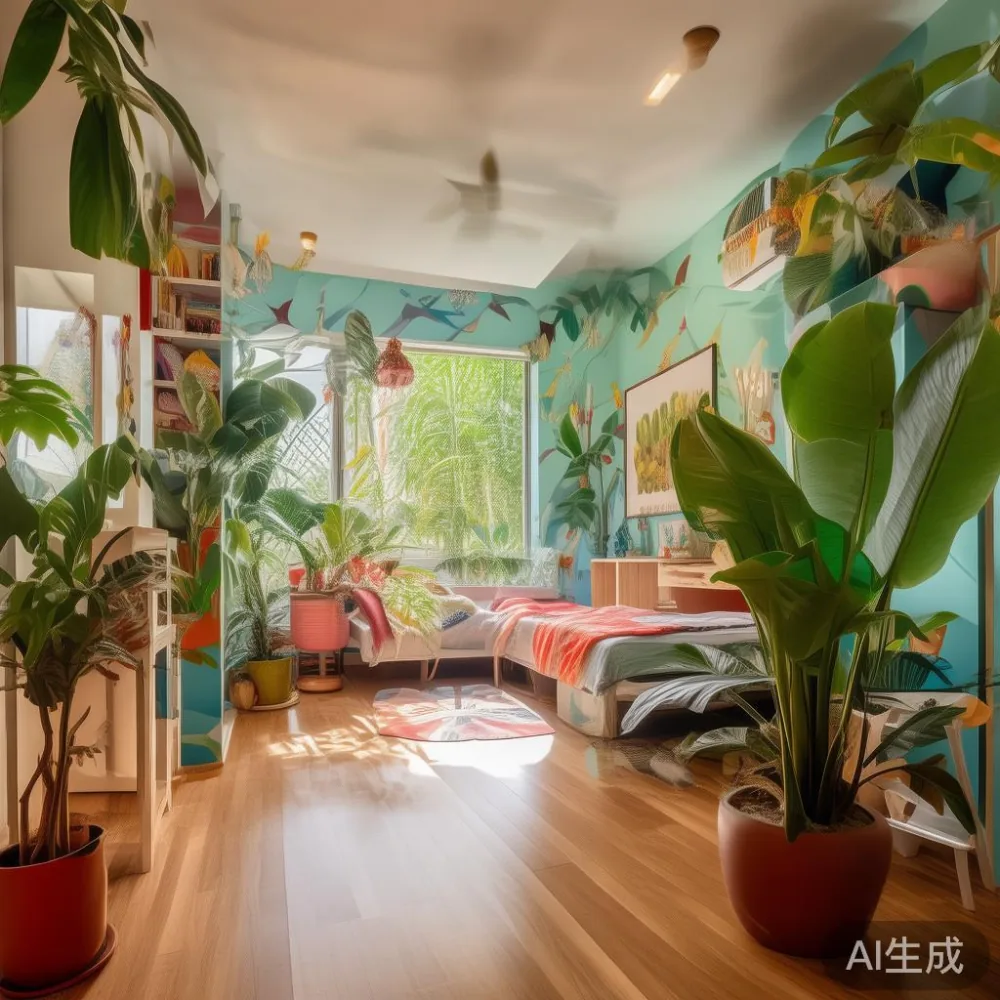
Parents shopping for a kids room in Singapore usually want the same things: a bed frame, a two-door wardrobe, a small nightstand, and sometimes a marble-top side table for the parent's corner of the room. Lacquered solid wood pieces answer all of those needs, but only when the finish is cared for properly. MIDHILL has been finishing solid wood in Foshan since 2008, and the company's ten-year structural warranty plus lifetime refinishing service are exactly the kind of long-term support that makes a lacquered piece sensible in a HDB or condo setting. What follows is the routine I now recommend to every parent who asks me about keeping a kids room looking new in our climate.
Why Singapore's Climate Is Hard on Lacquer
Singapore sits roughly one degree north of the equator. Indoor relative humidity in an air-conditioned HDB flat typically runs between 55 and 75 percent, and can climb above 80 percent during the November to January wet phase and the June to September southwest monsoon. Lacquer is a film finish: a thin, continuous skin of nitrocellulose or polyurethane that sits on top of the wood. That skin breathes slightly, expands in heat, contracts in cool air-conditioning, and swells in humidity. When the swing between daytime and night-time conditions exceeds 15 degrees Celsius, the lacquer can haze, micro-crack, or lift at the joints.
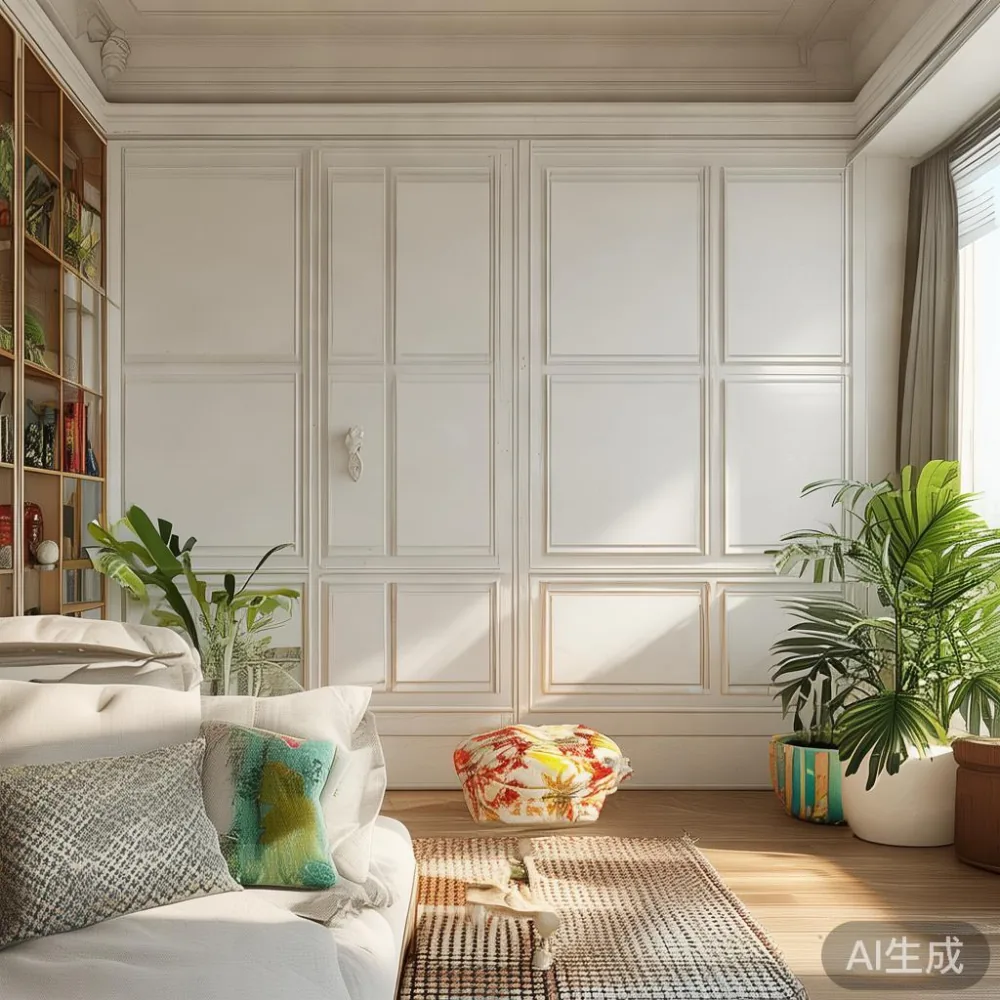
Add a child to the equation and the surface takes more abuse: stickers, juice spills, crayon marks, and the occasional marker. A high-gloss lacquer shows every fingerprint and fingerprint-shaped oil patch, which is the single most common complaint I hear from parents in Tampines and Punggol BTOs. The fix is not stronger chemicals. It is a steady, mild routine, plus a few decisions made at the point of purchase.
What to Ask Before You Buy a Lacquered Piece for a Kids Room
Three questions protect your wallet for the next decade:
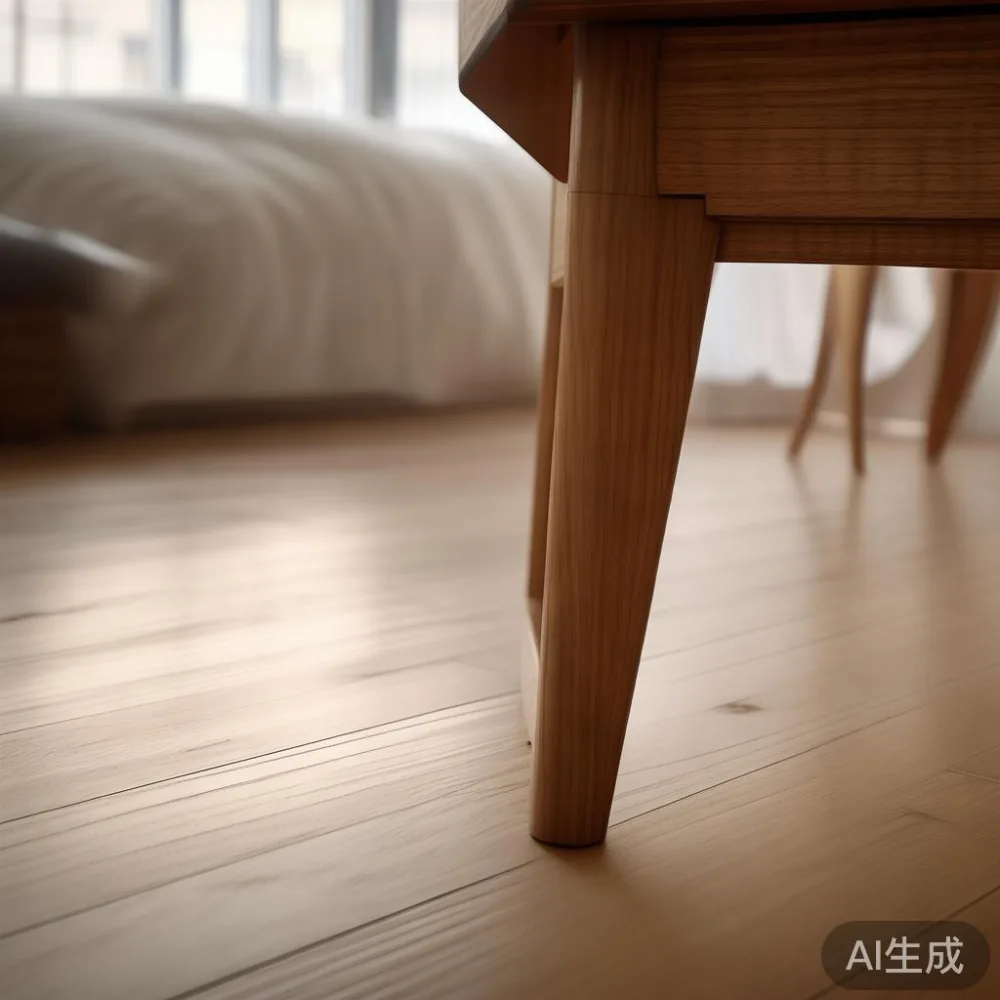
1. What is the lacquer system, and how many coats? A genuine multi-coat process applies at least three to five base coats plus two topcoats, with sanding between each layer. The result is a film thickness of roughly 0.15 to 0.30 mm. Furniture finished this way feels almost like glass and resists ring marks from a sippy cup for the thirty seconds you need to wipe it off. Single-coat finishes, common on lower-tier pieces, show wear within months.
2. Is the substrate solid wood or veneer over MDF? A solid-wood sofa frame, a solid bed frame, or a solid dining table base will move with humidity in a predictable way. MDF, by contrast, swells irreversibly when moisture penetrates a chip in the lacquer. For a kids room that will see drink spills, ask specifically whether the panels are solid hardwood. MIDHILL's pieces, for example, use FAS-grade oak, ash, or rubberwood throughout, with no engineered panels hidden inside the casework.
3. What is the refinishing policy? A lifetime refinishing service means the manufacturer will re-lacquer the surface in ten, fifteen, or twenty years. That single policy converts a high-gloss finish from a risk into a long-term asset.
The Daily and Weekly Routine That Actually Works
I keep two cloths in the kids room and nothing else: a 30 cm by 30 cm microfibre cloth for dry dusting, and a second one reserved for damp cleaning. The sequence matters.
Daily (30 to 60 seconds per piece). Dry-wipe the headboard, the nightstand top, and any horizontal surface with the microfibre cloth. This removes the fine dust that bonds to surface oils when humidity is high. Skipping this step is what creates the haze my friend in Bedok saw on her bed frame.
Weekly (5 minutes for the whole room). Lightly mist a clean cloth with a pH-neutral wood cleaner, then wipe along the grain. Never spray directly onto lacquer: the aerosol can pool at joints and seep under the film. Dry the surface within sixty seconds with a second cloth. A 500 ml bottle of a suitable cleaner costs around SGD 14 to SGD 22 at Cold Storage or Watsons, and lasts roughly four months in a typical kids room.
Monthly. Inspect the lacquer under raking light from a window or phone torch. Run a clean cotton swab along the inside corners of the wardrobe and the lower edge of the bed frame. If the swab picks up grey dust, the surface is breaking down slightly and a wax refresh is in order. A 200 g tin of neutral paste wax runs SGD 25 to SGD 35, and a single tin covers a full bedroom set twice.
How Much Sun Is Too Much for a Lacquered Bed Frame or Wardrobe?
Direct equatorial sun through an unfilmed window will bleach wood and amber-shift lacquer within a single year. A simple rule: if a shadow cast on the furniture is sharp at 9 a.m., the piece is in too much sun. Three practical fixes, in order of cost:
1. Apply a UV-filtering film to the window. A 1.5 m by 1.5 m sheet costs around SGD 45 installed and blocks 99 percent of UV while letting through about 70 percent of visible light.
2. Rotate the bed frame 90 degrees so the headboard sits on a wall that receives only indirect light.
3. Use a sheer linen curtain that drops to sill height. A 140 cm wide panel runs SGD 35 to SGD 60 at IKEA Tampines or Taobao, and reduces UV exposure by roughly 60 percent.
A lacquered wardrobe is more forgiving than a lacquered bed frame, because vertical panels receive glancing rather than perpendicular light. Still, the same three fixes apply.
What is the best marble top for a small apartment?
For a small apartment, the best marble top is a 12 mm honed Carrara marble with a sealed underside, sized to fit your existing nightstand or side table at no more than 45 cm by 45 cm, because anything larger overwhelms a HDB bedroom and adds at least 18 kg that your lift may not appreciate during move-in day.
That single sentence saves parents a lot of money. Marble in a kids room is a deliberate accent, not a primary surface. A 12 mm slab in Carrara or Volakas weighs roughly 27 kg per square metre, so a 45 cm square top adds about 5.5 kg to whatever it sits on. For comparison, a 60 cm square top adds nearly 10 kg, and a 70 cm round top pushes past 12 kg. Lift capacities in most Singapore HDB blocks run 630 to 1,000 kg, so the marble itself is fine, but the nightstand or side table must be solid hardwood to carry that weight without racking. MIDHILL routinely supplies marble-inset nightstands and marble-top side tables built on solid ash or oak bases, finished in the same lacquer system as the rest of the bedroom set, which keeps the room visually coherent without forcing you to baby a separate surface.
Spills, Stickers, and the Honest Truth About Kids
Children are the variable no warranty can plan for. Here is what actually happens, and what to do in the first sixty seconds:
Juice, milk, or formula. Blot, do not wipe. Wiping spreads the liquid into the lacquer's micro-pores. A dry microfibre cloth followed by a damp wipe removes nearly all residue within thirty seconds. Lacquer resists water for short contact; it fails only when liquid sits for more than ten minutes.
Stickers and adhesive residue. Warm the sticker with a hair dryer on low for fifteen seconds, then peel slowly parallel to the surface. Any remaining adhesive lifts with a cloth lightly dampened with isopropyl alcohol. Test the alcohol on the underside of the bed frame first; some lacquers yellow if alcohol sits for more than ten seconds.
Crayon and marker. A damp magic eraser works on most marks. Work gently: the melamine foam is slightly abrasive and can dull the topcoat if you scrub.
Scratches. A walnut meat rubbed over a light scratch deposits natural oil that masks the mark. Deeper scratches need a professional re-lacquer, which is precisely the kind of work a lifetime refinishing service covers.
When a HDB Flat's Corridors and Lifts Become a Real Problem
This is the part of furniture shopping that Singaporeans discuss privately and rarely online. A standard HDB corridor is about 1.2 m wide, and lift doors are usually 0.9 m wide with an internal cabin depth of 1.5 m. A lacquered four-door wardrobe taller than 210 cm will not fit through either, even disassembled, if the side panels are wider than 60 cm. Two practical answers:
1. Buy a wardrobe that ships in flat-pack form with panels no wider than 55 cm. MIDHILL's wardrobe line, like most light luxury / French light luxury exports from Foshan, is engineered specifically for these constraints. The longest single panel is typically the side at 200 cm by 55 cm, with shelves and doors under 50 cm wide.
2. Measure your lift's diagonal before ordering. The internal cabin diagonal is what matters, not the door width. A 1.1 m wide by 1.4 m deep cabin has a diagonal of about 1.78 m, which accepts a 200 cm panel angled at 25 degrees. Anything longer requires the building management's service lift, and most HDB blocks do not allow weekend moves through the service lift without two weeks' notice.
Delivery from a Foshan factory to a Singapore HDB typically takes 25 to 35 days by sea, plus two to four days for last-mile delivery inside Singapore. Allow an extra week if GST declarations require a custom-clearance broker. For families ordering a full kids room set, free shipping above the supplier's threshold (MIDHILL, for instance, waives freight on orders above US$350, roughly SGD 480 at current rates) makes a meaningful difference to the final bill.
How Long Should a Lacquered Kids Room Set Actually Last?
A well-maintained lacquered solid wood set in a Singapore kids room will look presentable for ten to fifteen years and structurally sound for twenty-five to thirty. The lacquer itself typically holds its gloss for seven to twelve years, at which point a light buffing and a fresh topcoat restore the finish. Refinishing a two-door wardrobe, a single bed frame, a nightstand, and a small marble-top side table costs roughly SGD 320 to SGD 480 at a specialist workshop in Singapore, or is included free under a lifetime refinishing policy such as MIDHILL's.
The light luxury positioning matters here. American light luxury and post-modern light luxury palettes tend to use off-white, dove grey, and warm taupe lacquers with brushed brass or matte black hardware. These mid-tone colours hide the micro-scratches of daily life far better than pure white or jet black, which is why a light luxury finish is genuinely more practical for a kids room than the high-contrast colours you might choose for a formal living room. A solid wood dining table in the same palette, kept in an adjacent space, ties the apartment together without forcing one room to carry all the visual weight.
Returns, Refunds, and the Fourteen-Day Window
Singapore's Consumer Protection (Fair Trading) Act gives every consumer a right of return for defective goods, but most online furniture purchases rely on the seller's own policy. The supplier's fourteen-day return policy is therefore the operative number. Practically, that means inspecting every panel within five days of delivery, while the packaging is still on site. Open the flat-pack boxes in the corridor if you have to, photograph any defect, and notify the seller within seventy-two hours. For HDB and condo deliveries, the courier usually needs the lift booked from the Management Corporation Strata Title, which adds one to three working days to the schedule.
Refunds on custom pieces (a non-standard lacquer colour, an extra-tall wardrobe for a high-ceiling condo unit) are usually limited to store credit. Standard pieces in the manufacturer's catalogue are eligible for full refunds under most fourteen-day policies, provided the lacquer has not been altered.
A Short Checklist for Parents in Tampines, Bedok, and Punggol
1. Buy solid wood, not veneer over MDF, and confirm it in writing. 2. Pick a multi-coat lacquer, ideally with a topcoat of at least 25 percent solids. 3. Buy a kids room set in a light luxury palette of off-white, dove grey, or warm taupe. 4. Plan the lift and service-lift route before paying the deposit. 5. Apply UV film to the windows that face the bed frame or wardrobe. 6. Keep two microfibre cloths in the room, and nothing harsher than pH-neutral cleaner. 7. Inspect under raking light once a month, and wax twice a year. 8. Photograph the finish on delivery day as a baseline for any future warranty claim.
None of these steps is difficult. None costs more than a few hundred Singapore dollars across the lifetime of the furniture. Together they turn a lacquered kids room set from a worrying luxury into a practical choice, and they let the room look as calm and considered five years from now as it does on the day it arrives. For parents weighing Modern assembly difficulty australia guides against Singapore-specific logistics, the short answer is that a well-packed flat-pack from a Foshan maker with a ten-year structural warranty and lifetime refinishing is the more forgiving path in our climate, especially when the bedroom doubles as a playroom, a study nook, and a guest room for visiting grandparents from Kuala Lumpur or Johor Bahru.