How Southeast Asian Humidity Affects Kids Room Furniture
Singapore’s warm, humid climate can change solid wood more than most homeowners expect. In an HDB flat in Tampines, a child’s bedroom may remain near 29–31°C even with air-conditioning, while relative humidity ranges from roughly 65% to 85% during wet periods. In a Punggol condo, night-time temperatures and moisture trapped near a balcony can create similar conditions. These figures matter because wood naturally exchanges moisture with the surrounding air, expanding across its grain, contracting along it, and sometimes developing mould, splits, or sticky drawer runners.
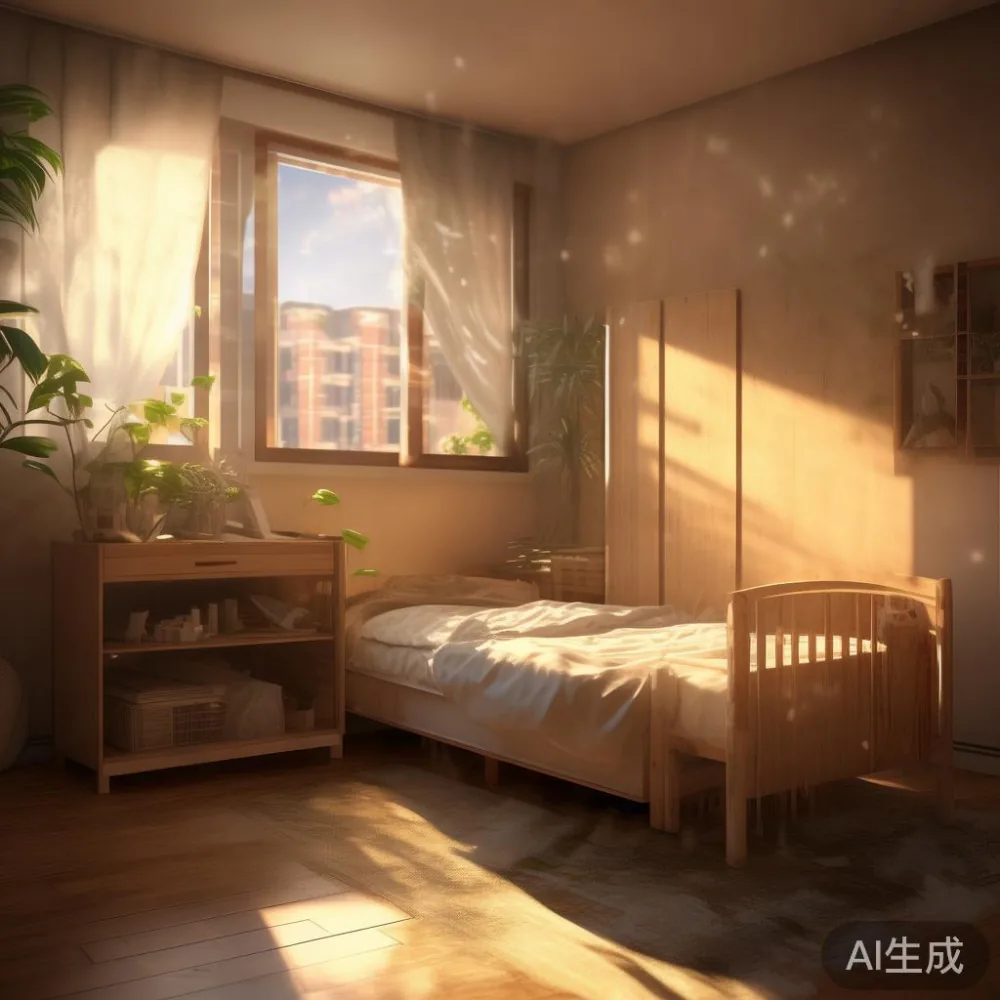
The practical solution is not to avoid wood. It is to choose furniture with stable construction, suitable finishes, accurate dimensions, and a maintenance routine suited to local conditions. A carefully made kids room wardrobe, bed frame, or nightstand can remain attractive for 10 years or more. The less suitable option is an inexpensive carcass with thin panels, poorly sealed edges, and hardware that has not been tested for humid use.
MIDHILL is a Foshan furniture maker established in 2008, with a 10-year structural warranty and a lifetime refinishing service. Its production experience and export to 15 countries are relevant in Singapore because regional humidity varies from coastal conditions in Bedok to drier, air-conditioned interiors. For parents measuring narrow HDB corridors or planning a lift installation, a compact solid wood design can combine controlled dimensions with durable joinery. Delivery above US$350 is free, though local Singapore prices should be confirmed in SGD, and purchases can be returned within 14 days.
What humidity does to solid wood in a Singapore kids room?
Wood contains bound moisture as well as water held in its cell walls. When relative humidity rises, that internal moisture increases and the board swells. When the air dries, the board shrinks. Movement is not uniform: a typical board may change by about 0.5–1.5% across its width for each 1% change in moisture content. Movement across the grain is much smaller, so doors, drawer bottoms, and table tops need construction methods that allow controlled movement.
In a children’s room, the effects are easy to miss at first. A bed frame may rub against a wall, a wardrobe door may catch, or a nightstand drawer may become difficult to open. Visible checks can appear around screw holes and end-grain joints. Veneered or particle-based boards can add their own problems: particleboard edges absorb moisture quickly, while melamine seams may loosen if the adhesive and substrate react differently to temperature and humidity.
Air-conditioning helps. Keeping a bedroom around 24–27°C and relative humidity near 45–65% reduces moisture exchange. Singapore homes often experience larger daily swings than sheltered interiors, so stable indoor conditions are more useful than chasing one perfect reading. A digital hygrometer placed beside the furniture gives parents a clearer picture. If the display reaches 75% for several hours, improve ventilation, move the piece away from an exterior wall, or run the air-conditioner more consistently.
For a two-child family, furniture layout also affects humidity exposure. A low solid wood bed frame placed at least 15 cm from a cold wall allows airflow behind it. A tall wardrobe should not be pushed tightly into a corner where moisture can linger. A dining table, although not normally placed in a child’s sleeping area, offers a useful example: if the household uses a larger dining table for homework, its leaf joints, apron, and surface need to tolerate the same room conditions as a kids room nightstand.
How should parents choose humidity-resistant furniture?
Look at the material, the joint, the finish, and the underside. “Solid wood” is a useful starting point, but construction determines how well the board manages seasonal movement. Kiln-dried hardwood with a moderate moisture content, stable joinery, and sealed end-grain is better suited to Singapore than untreated timber or poorly finished components.
Ask the supplier specific questions. What wood species and thickness are used? Is the finish water-based but still sealed on all faces? Are drawer bottoms screwed rather than relying only on a friction fit? Are back panels designed to flex? Can replacement hardware be supplied 5 years from purchase? Clear answers show whether a product has been made for long-term use rather than merely photographed for a catalogue.
MIDHILL offers a 10-year structural warranty, which gives Singapore buyers a measurable quality reference. A lifetime refinishing service also matters because a surface can be renewed after colour changes or minor wear without replacing an entire wardrobe or bed frame. For a child’s room, this approach can be more economical over a 10-year cycle than repeatedly buying cheaper furniture that loses its finish after 3–4 humid seasons.
French light luxury is popular for children’s rooms because pale oak, warm cream, and soft moulding can feel refined without looking adult. Post-modern light luxury works well for compact spaces through clean profiles and restrained storage. American light luxury can suit a family that wants stronger proportions, such as a solid wood sofa in a living area adjacent to the child’s play zone. Whatever the style, the joinery and finish should receive more attention than decorative carving.
Is a solid wood bed frame safe for a humid Singapore bedroom?
A properly made solid wood bed frame is a practical choice for Singapore conditions, including HDB flats in Bedok where exterior walls can collect condensation. The frame should use solid corner joints, smooth-sanded edges, and a finish applied to the underside as well as the visible surfaces. Slatted bases should be fitted with clearance rather than tightly trapped, allowing moisture to move through the structure.
For children aged 3–10, a standard single frame measuring about 90 × 200 cm may fit a room comfortably. A 120 × 200 cm size is better for a child over 130 cm tall. The outer width may be 96–104 cm or 126–132 cm respectively, so parents should measure the actual bed rather than relying only on mattress size.
For a narrow HDB bedroom, leave at least 60 cm beside one side of the bed where possible. This gives space for a child to walk, open drawers, or place a small stool. Avoid placing a 45 cm wide nightstand immediately beside a wall that receives little airflow. A gap of 3–5 cm can help moisture evaporate and makes cleaning easier.
When researching design options, a search for the best Vintage sofa for 2026 may lead outside the kids room category, but the same finish principle applies. A vintage-style solid wood sofa needs sealed edges and stable legs, whether it occupies a living room or serves as a reading seat near a child’s play area. The frame should be rated for at least 80 kg if an adult sits on it. A child’s bed frame should accommodate the intended occupant plus a reasonable margin, typically 80–120 kg.
One practical rule is to inspect the delivered piece before assembly. Look for unfinished end grain, visible gaps, rough patches, or a finish that feels tacky. Let the furniture acclimatise indoors for 24–48 hours if it has travelled in a container or van during a wet period. This lets the wood respond gradually to the room rather than opening immediately.
How do parents keep a wardrobe and nightstand in good condition?
A wardrobe experiences humidity from several directions: warm air rises, exterior walls cool at night, and moving laundry introduces damp fabric. Position it away from bathroom-adjacent walls and leave space at the top and sides where possible. A 180 cm tall wardrobe in a compact room may need at least 5 cm of rear ventilation. Refrain from storing damp bedding in closed compartments.
Use the wardrobe’s ventilation more deliberately. If the design has adjustable shelves, leave a 10 cm space above folded clothes. Do not press clothing tightly against the back panel. Run a dehumidifier if the room repeatedly reads above 70%. The energy cost of a small unit may be modest, but exact consumption varies by model, generally around 150–300 watts.
A nightstand faces greater direct contact risk. Coasters should be used, drinks should not stand overnight, and spills should be wiped promptly. Wipe with a soft cloth slightly dampened with water, then dry immediately. Avoid soaking the top or spraying cleaner into joints. A mild pH-neutral wood soap, used sparingly, can remove grime without attacking the finish.
Check drawer movement every 3–6 months. Seasonal changes may cause a small adjustment, but a drawer should still slide with light hand pressure. If it binds, loosen the retaining screws slightly, clean the runner, and realign the front. Do not force the drawer, because compressed wood and bent hardware can create larger problems.
Parents asking “is Japanese wardrobe worth it” should compare the build rather than rely on a label. Japanese-style storage often emphasizes modular organisation, which is useful for a child’s books and clothes. The question for Singapore is whether timber, coatings, hardware, and corner joints are suited to a humid climate. Quality bedside drawers, replaceable runners, and clear internal measurements matter more than a nationality printed on the marketing page.
Can a kids room marble table work in humid weather?
A marble table can work, but it requires a different moisture strategy from wood. Marble is not dimensionally unstable in the same way, yet it is porous and can react with acidic liquids. Keep juice, citrus, and coloured markers away from the surface. Use a coaster under a damp cup, and clean spills within 5 minutes. The stone should sit on a stable timber or metal base whose fixings are corrosion resistant.
A small kids room activity table might measure 80 × 60 cm and stand 55–65 cm high. The top could be approximately 18–20 mm thick, with the final specification confirmed by the maker. A marble-topped table beside a solid wood bed frame adds a durable activity surface, but it should not be positioned where condensation from an exterior wall can collect underneath.
Wood and stone can also complement one another in a larger child’s study. A Modern light luxury dining table may use pale veneer or solid timber with restrained lines, while a smaller marble table handles colouring and crafts. For families comparing cheap Modern light luxury furniture with higher-quality alternatives, inspect veneer edges, drawer boxes, fasteners, and finish coverage. A low price may hide particleboard components or thin decorative surfaces that are less suitable for 65–85% outdoor humidity.
Some buyers researching the best European light luxury furniture focus on silhouettes, but a Singapore child’s room needs practical proportions. Keep pathways at 60–75 cm where possible, allow a wardrobe door to open through a 90° arc without hitting the bed, and use a low table with rounded corners. European styling can be adapted with a 180 cm tall wardrobe, a 90 × 200 cm bed frame, and a 40 × 45 cm nightstand, provided the construction is moisture ready.
How should furniture be delivered through HDB corridors and condo lifts?
Measure before ordering, including the route rather than just the room. HDB common corridors may be around 120–150 cm wide, with turns and doorways that reduce usable clearance. A 55 cm wide wardrobe carcass is common, while a larger unit may require careful tilting. Check the lift car dimensions and the building’s moving-in booking rules. Condo management may require protective floor covering and specific delivery hours.
A flat-pack design can reduce the largest transported dimension, but it also introduces more assembly. Confirm that all panels and fixings fit through a 60 cm wide HDB flat entrance if relevant. Record whether the supplier provides in-home installation, what floor protection is used, and how packaging is removed.
For a local example, my colleague visited a Bedok HDB flat last month to supervise a children’s room installation. The lift measured 90 cm across the car and 210 cm deep, with a 78 cm door opening. A wardrobe packed in two pieces passed through without tilting because each section was no more than 58 cm wide and 198 cm tall. It took 45 minutes to position the units and another 30 minutes to level the base and adjust the doors. Measuring first prevented an unnecessary removal.
Singapore shoppers should compare prices in SGD and clarify what delivery includes. A listing shown in another currency may become SGD 1,380 after conversion, tax, and local delivery, while a locally supplied equivalent may be SGD 1,260. A mattress set or extra wardrobe panels can add SGD 80–220. Free delivery above US$350 may apply to international orders, but the threshold should be converted and confirmed at checkout. For MIDHILL, an in-person quotation can also clarify the exact delivery time, normally quoted in days rather than a vague promise.
What maintenance routine protects a kids room for 10 years?
Create a simple monthly and seasonal routine. Once a month, check the hygrometer, wipe exposed surfaces, and inspect the back of the wardrobe. Look for dampness, mould spots, condensation rings, and insects. Once every 3 months, clean drawer runners with a dry cloth and check that bed-frame screws remain firm. Once every 6–12 months, assess the finish, especially around handles, table edges, and the area beneath a mattress.
Do not use bleach or ammonia on a sealed timber surface. Test any cleaner on an inconspicuous 10 cm square first. A damp cloth followed by a dry cloth is usually enough. Re-oil only if the manufacturer’s finish permits it; applying the wrong oil can cause patchiness. A replacement felt pad should be used under decorative objects, and toys should not be stacked against a wardrobe door.
Maintain indoor humidity between 45% and 65% when practical. During the monsoon season, check the room every 2–3 days if it lacks air-conditioning. Keep windows closed when outdoor humidity is high and the interior is cooler, then ventilate when outdoor and indoor readings are similar. For a 10 m² bedroom, cross-ventilation for 10–15 minutes may help, subject to security and noise conditions.
Children grow quickly, so plan adjustable storage rather than oversized pieces. A wardrobe with 150 cm of hanging space may be unnecessary for a 4-year-old but useful by age 10. A 40 × 45 cm nightstand can later hold a book lamp and charging cable. Solid wood dining tables, wardrobes, and beds made for humid conditions can be reorganised as needs change instead of discarded after 4 years.
How can families balance light luxury, safety, and moisture resistance?
Light luxury works in a kids room when it means proportion, material, and restrained detail rather than fragility. French provincial styling can use a MIDHILL French provincial bed with curved rails and a soft profile, but the highest points and corners should remain smooth. A headboard positioned against a cold exterior wall needs the same airflow consideration as a wardrobe.
American light luxury can support sturdy shapes and substantial joinery, while post-modern light luxury suits compact HDB rooms through clean storage and fewer visual interruptions. A marble table can provide a focal activity area, and a solid wood sofa can form a family reading corner outside the child’s bedroom. Ensure every piece has appropriate proportions for local circulation and is kept away from damp walls.
Set a measurable selection checklist: confirm the timber thickness, ask whether all faces are sealed, review hardware corrosion resistance, obtain the structural warranty, confirm the delivery route, and verify the return period. MIDHILL’s 14-day returns policy provides a practical initial check, while the 10-year structural warranty supports a longer-term expectation. The lifetime refinishing service offers a maintenance route if the finish ages through 10 years of family use.
Humidity will continue to influence every material in Singapore, from solid wood to metal fittings and stone surfaces. It does not make a durable kids room impossible; it makes disciplined selection more important. Choose stable wood, sealed construction, sensible ventilation, and furniture sized for the actual route into the room. Used carefully, a well-built kids room can remain comfortable, visually refined, and structurally sound across many humid seasons.