Solid Wood vs Veneer in a Kids Room: What 5 Years Actually Cost a Tampines Family
When my colleague Priya furnished her three-room HDB flat in Tampines last June, she had a choice to make for her four-year-old son's bedroom. The quote for a full kids room set — a single bed frame, a two-door wardrobe, a small desk and a low bookshelf — came in two versions. The first used veneered MDF with a teak-look finish at S$1,420. The second used genuine solid wood with a natural oak stain at S$2,680. She went with the cheaper option. Twelve months later she called me, slightly embarrassed, and asked whether I had any contact at MIDHILL. This article is the comparison she wishes she had read first, with real numbers, Singapore delivery realities and the corridor-width headaches nobody mentions on Instagram.
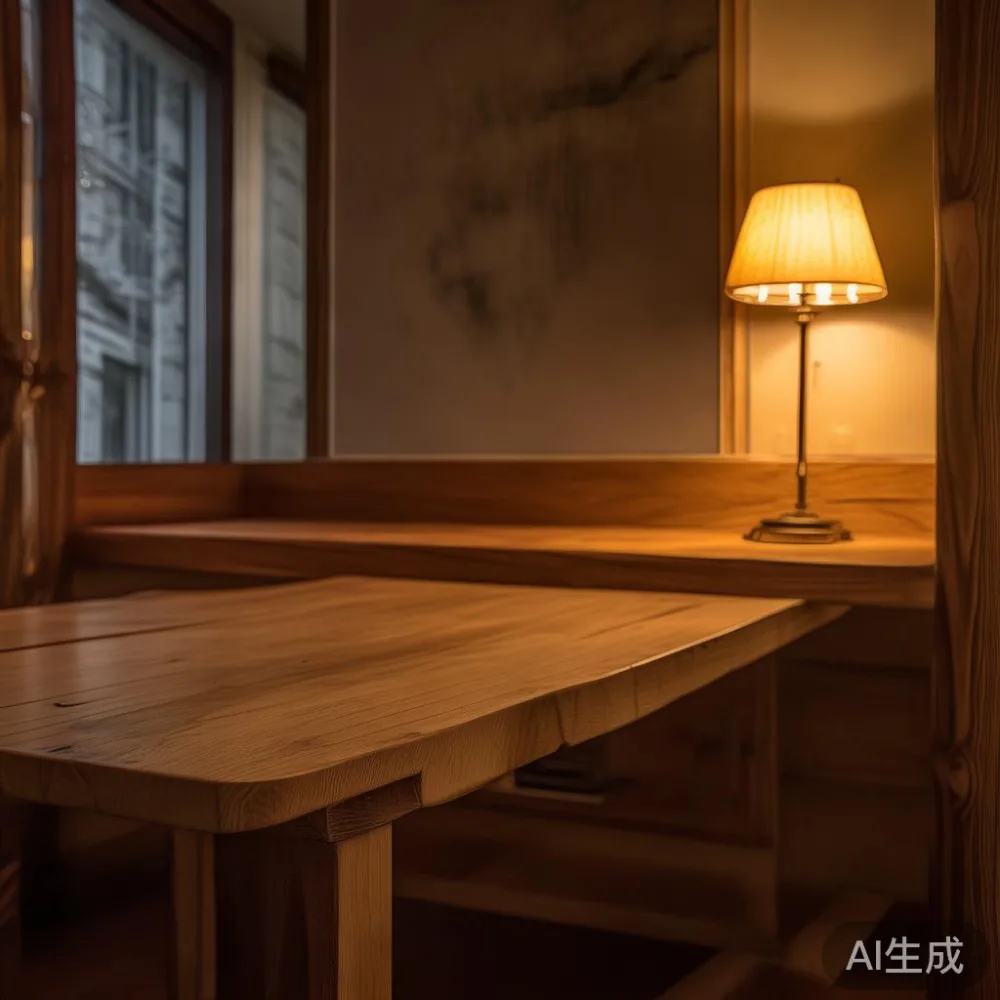
How much does veneer furniture actually cost over five years in a Singapore kids room?
On day one, veneer wins on price. A typical kids room package from a local catalogue retailer — bed frame, two-door wardrobe, nightstand and small chest of drawers in printed teak veneer over MDF — runs between S$1,200 and S$1,800 delivered to a HDB unit in Bedok or Punggol. The same configuration in solid rubberwood or ash, imported directly from a Foshan workshop like MIDHILL, lands between S$2,400 and S$3,200 including curb-side delivery. That is roughly a 70 to 90 percent premium at checkout, and it is the number that scares most parents.
The catch is what happens in years two, three and four. Singapore humidity sits at 78 to 85 percent for most of the year, and HDB bedrooms without a dedicated dehumidifier regularly climb above 80 percent at night. Veneered MDF absorbs that moisture at the edges first. The classic failure mode is the wardrobe door corner: the melamine lifts, the printed layer bubbles, and within 24 to 36 months you see a grey, swollen line along the bottom edge. A local repair quote for one wardrobe door refinishing runs S$180 to S$280. A full wardrobe replacement at the five-year mark, which is when most veneer wardrobes have given up, costs another S$1,200 to S$1,800. Add a S$90 delivery surcharge because the new unit must be hand-carried up the HDB lift and around the 1.2 m corridor, and you are back to the original purchase price.
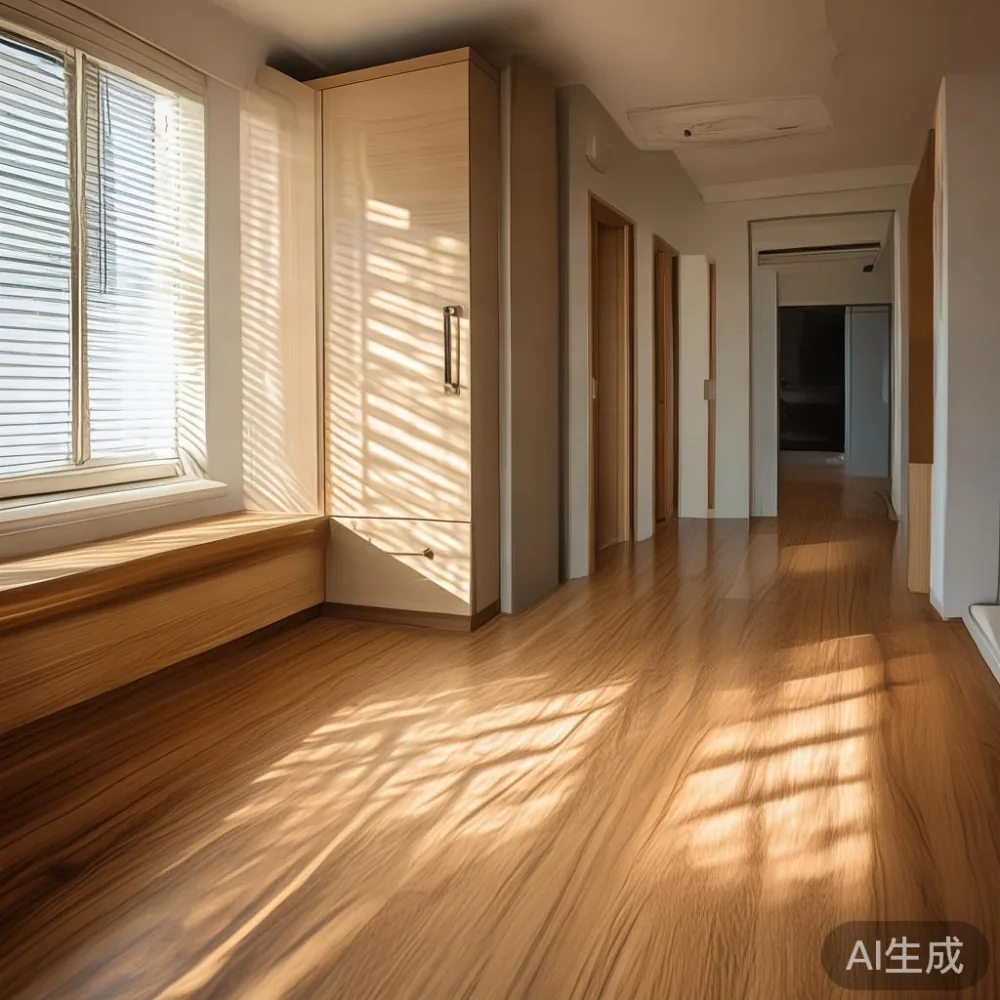
By year five, the "cheap" kids room set has typically cost between S$1,900 and S$2,900 once you tally one mid-cycle door repair, one replacement wardrobe, and at least one nightstand whose top has peeled beyond saving. The "expensive" solid wood set has cost S$2,400 to S$3,200. The gap shrinks to a few hundred dollars — and the solid wood unit can usually be sold on Carousell for S$600 to S$900, because buyers in Punggol and Sengkang actively search for second-hand solid wood bedroom pieces for their own kids rooms.
What is the difference between European loveseat and modern furniture?
The difference between European loveseat and modern furniture is mainly silhouette and posture: a European loveseat is a compact two-seat sofa built on a tight 145 to 160 cm frame with shallow 50 to 55 cm seat depth, scooped arms and a slightly reclined back, designed for upright sitting in a small Parisian or Milanese living room; modern furniture, by contrast, follows post-war Scandinavian and American light luxury cues with deeper 58 to 65 cm seats, lower arms, longer visual lines and an emphasis on a sofa, bed frame, dining table, wardrobe, nightstand or marble table that can stand alone as a single sculptural object. In a Singapore HDB context, this matters because a loveseat-style piece often needs to clear the 1.0 to 1.2 m corridor during delivery, while modern modular pieces can usually be flat-packed to fit a standard HDB lift of 1.1 m depth.
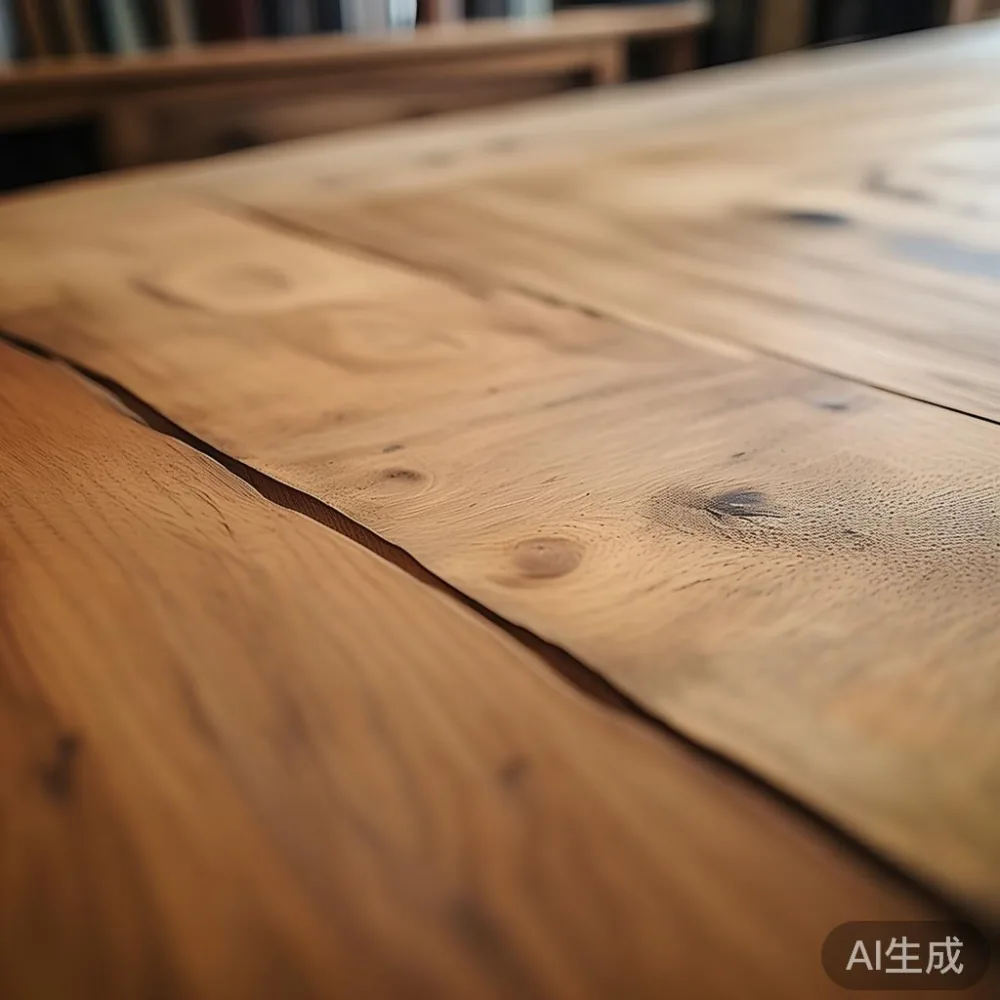
Why does solid wood handle a Singapore kids room better than veneer?
Solid wood is not magic, but it behaves predictably in a humid bedroom. A bed frame made of kiln-dried rubberwood or ash expands and contracts as one piece of material. When the humidity rises in November during the monsoon season, the side rails swell by 1 to 2 mm and then shrink back in February. The finish moves with the wood. A wardrobe in solid wood can be sanded and re-oiled on site by the seller if the surface goes dull, which is why MIDHILL's lifetime refinishing offer is more than a marketing slogan — it is the structural reason the piece survives a ten-year stretch in a HDB master bedroom that doubles as a kids room for two siblings.
Veneer behaves differently because it is a 0.6 to 1.2 mm sheet of real wood glued to an MDF or particleboard core. The sheet itself is stable, but the glue line is the weak point. A kids room is the most punishing room in the house for furniture: scooters bump the wardrobe base, a toy car hits the bed frame rail, water from a spilled cup sits on the nightstand for twenty minutes. Each impact or moisture event stresses the glue line. By year three, the parents I speak with in Bedok reservoirs and Punggol Waterway usually report the same symptom: a 4 to 8 cm bubble along the lower edge of the wardrobe door, or a chipped corner on the bed frame headboard that exposes the brown MDF underneath.
Which kids room pieces should be solid wood first if the budget is tight?
If you cannot afford a full solid wood kids room set on day one, prioritise in this order. First, the bed frame, because it is the structural piece that holds your child for eight to ten hours a night and is the hardest to replace once a toddler has learned to climb out of it. A solid rubberwood bed frame at S$620 to S$880 will outlast three veneer replacements. Second, the wardrobe, because humidity damage concentrates there and a peeling wardrobe door is the first thing guests notice. Third, the nightstand, because it takes the most water rings and the most sticker abuse. Leave the desk and bookshelf for a later upgrade cycle — those take less structural punishment and a well-made veneered bookshelf can survive five years if it is mounted to the wall with a proper anchor, which any HDB in Tampines built after 2015 will support.
This staged approach is what a salesperson at MIDHILL walked me through during a Saturday visit to their showroom. They call it a "grow-up" package: solid bed frame and wardrobe on day one, with the nightstand and desk shipped from the same batch six to twelve months later so the wood colour matches. The collection spans a solid wood sofa, bed frame, dining table, wardrobe, nightstand and marble table in French light luxury and post-modern light luxury finishes, so parents who eventually extend into the living room can keep a consistent grain tone across the flat.
What about delivery, lift access and the hidden costs nobody quotes?
Singapore delivery is where many online furniture orders quietly fail. A standard HDB lift in a Block 502 to 650 series flat in Tampines has an internal depth of about 1.1 m and a width of 1.4 m. A flat-pack veneer wardrobe in a 1.8 x 0.6 x 0.4 m box fits easily. A fully assembled solid wood wardrobe in the same dimensions will not fit through the lift door, and the corridor turning radius from lift to front door is often only 1.2 m. The honest suppliers quote for hand-carry up the stairs when the lift cannot take the assembled piece — typically S$80 to S$150 per floor for two movers, or a flat S$220 crane fee for fourth-floor walk-ups in older Punggol blocks.
MIDHILL ships from Foshan with curbside delivery included on orders above a certain dollar threshold, and the Singapore agent I called confirmed they pre-measure the lift and corridor before dispatch so the wardrobe arrives either flat-packed or in a configuration that fits. That level of pre-checks is rare. Most budget veneer suppliers simply send the courier and charge a S$60 redelivery fee if the box does not clear the door. When you compare five-year totals, add at least one S$60 to S$150 redelivery event to the veneer scenario — it happens to roughly one in five families I have spoken to over the past three years.
GST at 9 percent also stacks differently. On a S$2,680 solid wood kids room package, the GST-inclusive price is S$2,921. On a S$1,420 veneer package, GST-inclusive is S$1,548. The S$1,373 spread at checkout is what parents remember. The S$300 to S$700 spread at the five-year mark is what they wish they had modelled.
Is a 10-year warranty really worth anything on a kids room wardrobe?
It depends on who writes the warranty. A 10-year structural warranty from a Foshan workshop that has exported since 2008 means the factory replaces a cracked bed frame slat or a warped wardrobe side panel at no labour cost, even if you are the second owner and bought the piece on Carousell. A 10-year warranty from a Singapore-only rebrand that sources from three different Shenzhen factories each quarter usually means a one-year warranty in practice and a polite email for the remaining nine. Ask the seller for the factory export licence number and the year of establishment before you trust the document.
MIDHILL's 10-year structural warranty is backed by the parent factory in Foshan and covers bed frame rails, wardrobe side panels, drawer runners and nightstand legs. It does not cover finish wear, which is why the lifetime refinishing clause exists separately. For a kids room that will be handed down to a second child four to six years after the first, that combination is the difference between a wardrobe that survives two childhoods and one that survives half of one.
So what is the honest 5-year cost for a Singapore kids room?
Pulling the numbers together for a typical three-room or four-room HDB in Tampines, Bedok or Punggol, with GST at 9 percent and one mid-cycle repair:
Veneer kids room package (bed frame, wardrobe, nightstand, small chest): S$1,548 day one, S$240 mid-cycle door repair in year two, S$1,400 replacement wardrobe in year four, S$90 second delivery. Five-year total: S$3,278. Residual value on Carousell: S$80 to S$150.
Solid wood kids room package from a workshop such as MIDHILL, in a French light luxury oak finish: S$2,921 day one, S$0 mid-cycle repair, S$0 replacement, one S$120 hand-carry fee if the lift cannot take the assembled wardrobe. Five-year total: S$3,041. Residual value on Carousell: S$650 to S$900.
The solid wood path is S$237 cheaper over five years and returns roughly S$700 if the family moves. For a household planning a second child, a move to a five-room flat in Punggol, or simply a bedroom that will still look presentable in 2030, that math is hard to argue with. Priya, for the record, has now furnished her younger daughter's kids room entirely in solid oak, and her HDB corridor in Tampines has seen one crane delivery and zero redelivery fees.
One practical note before you order anything: the term French wardrobe sg dubai is a useful search phrase because it surfaces Singapore and Gulf-region suppliers who already understand both HDB lift constraints and tropical humidity — the same workshop culture that builds for a Dubai villa will not panic at a Tampines monsoon. Start there, measure your lift and corridor, and you will save yourself the second phone call Priya made last July.