How Southeast Asian Humidity Affects Solid Wood Furniture in Singapore Kids Rooms
Singapore’s warm, humid climate can change solid wood more than many buyers expect. A kids room in an HDB flat in Tampines may feel comfortable at 29°C and 78% relative humidity, yet the same timber can swell, contract or develop small surface checks when moisture levels move quickly. In Bedok and Punggol condos, air-conditioning often creates a second problem: very dry indoor air during the day followed by humid evening air. The answer is not simply to buy heavier furniture. It is to understand how timber, finishes, ventilation and delivery access work together.
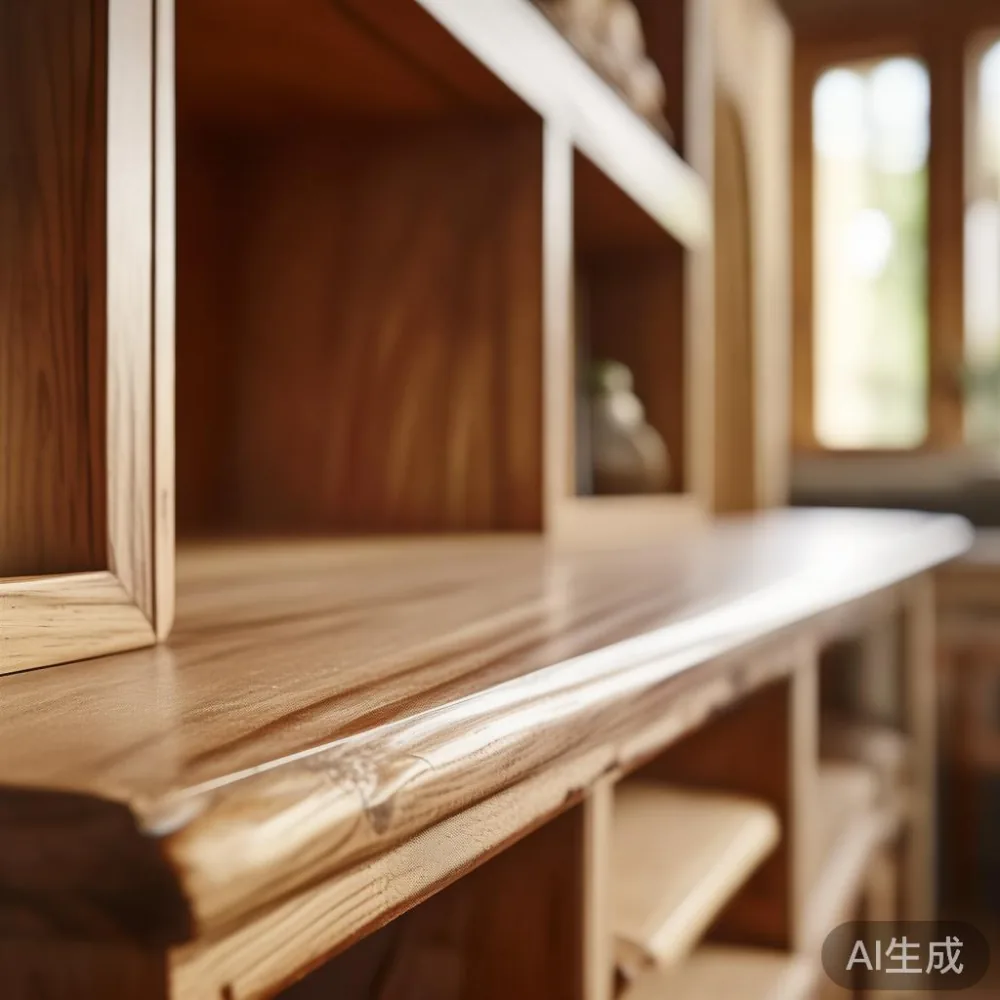
At MIDHILL, we design and manufacture solid wood furniture for families living in Southeast Asia, including children’s beds, storage and study pieces. This guide explains humidity-related movement in practical terms, with measurements for Singapore homes and clear care routines for a kids room.
How much does humidity affect solid wood furniture in Singapore?
Wood is hygroscopic: it absorbs moisture from the surrounding air and releases it when the air becomes drier. Southeast Asia’s combination of high outdoor humidity, frequent rainfall and strong air-conditioning can produce swings within a single day. A room might measure 64% relative humidity at 8 p.m. and 42% at 2 p.m. the following day. That 22-point difference is enough to make a poorly finished solid wood bed frame or dining table feel tacky, develop checking or open slightly at its joints.
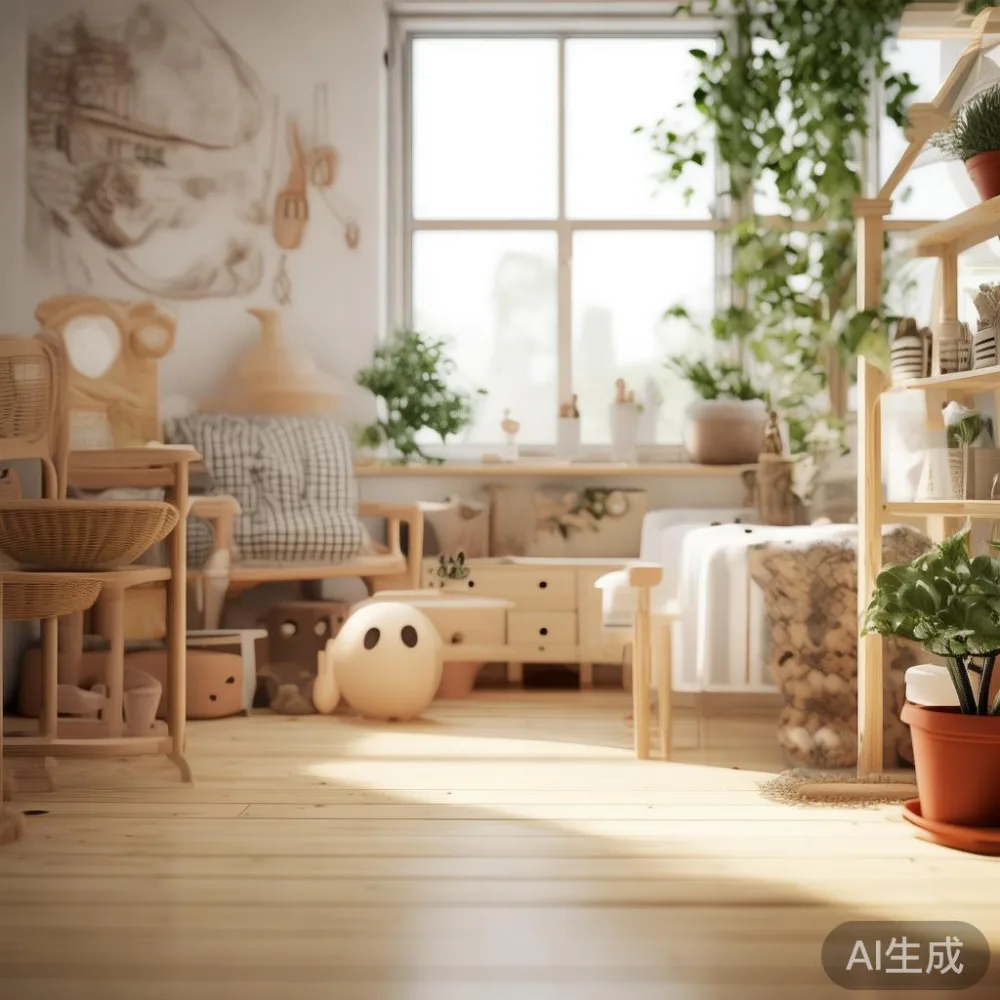
Ideal conditions for stable solid wood are usually around 45% to 55% relative humidity, with a temperature near 21°C to 24°C. Singapore homes rarely remain in that band continuously, so sensible precautions matter more than chasing perfection. A hygrometer costing about SGD 18 to SGD 35 can provide a useful indoor reading. Place it 20 cm above the floor and away from an air-conditioning vent, direct sunlight or a bathroom doorway.
Movement is normal. Solid oak may expand by roughly 1% to 3% across its grain for each 10% change in moisture content, although the actual figure varies by species, cutting method and panel design. A 120 cm-wide solid wood top could therefore move by around 1.2 mm to 3.6 mm across the grain. A 200 cm length may change less, perhaps 1 mm to 3 mm along its length. These small movements can stress glue lines, drawer bottoms and floating joints if the wood was manufactured for a very different climate.
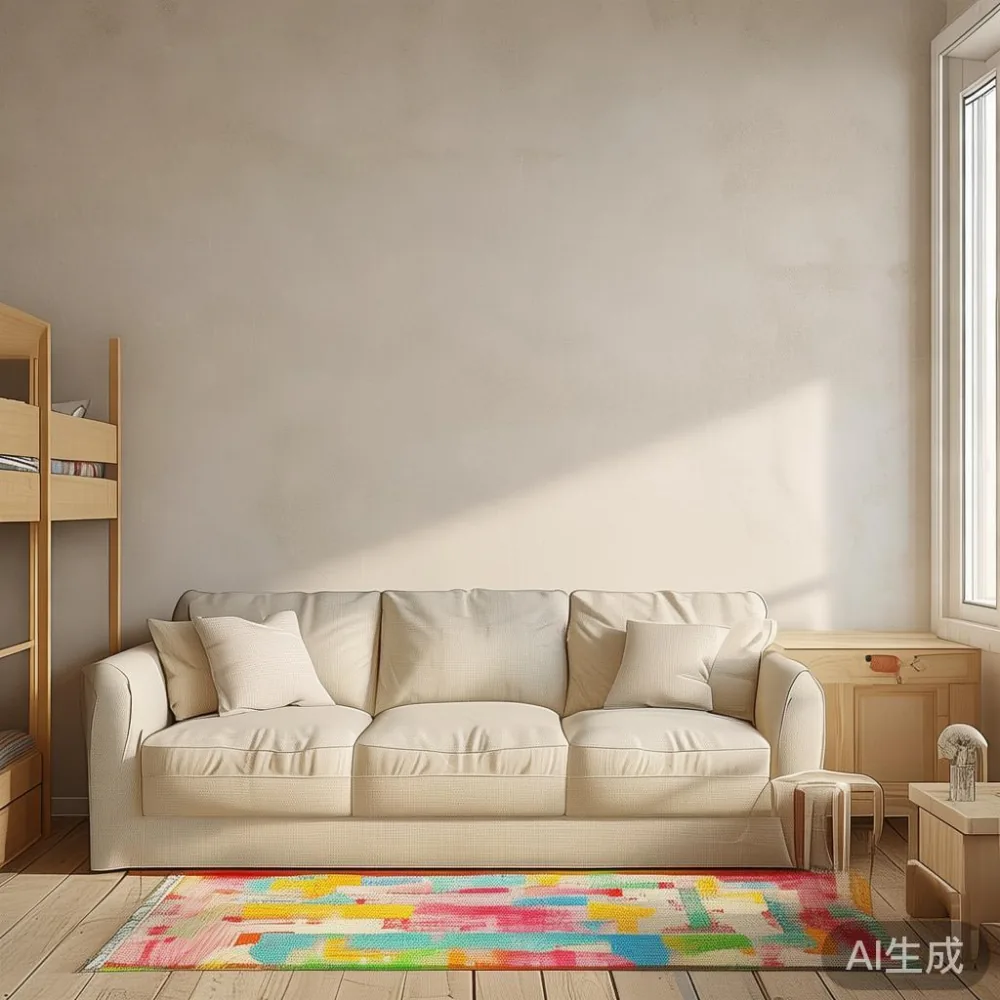
For a children’s room, safety and stability are equally important. Expansion does not normally make a properly anchored bed unsafe, but doors that rub, drawers that bind and uneven gaps can create daily friction. Families should allow furniture to acclimatise in the room for 7 to 14 days before tightening fittings or adding decorative objects.
Why are HDB flats and condos especially challenging?
HDB layouts make up storage space carefully. A common 3-room flat in Tampines has a bedroom width of approximately 270 cm to 330 cm, leaving limited clearance around a queen bed frame and wardrobe. Bedok HDB homes may have windows that face a busy void deck, while Punggol units can receive western sun through large glazing. Heat and rain load the room even when the air conditioner is running.
Condos add variations of their own. A high floor may benefit from stronger air movement, while a unit beside a sheltered car park can stay muggy. Many owners use a dehumidifier in the bedroom, but doors and windows still introduce seasonal changes. The useful approach is stable management: keep relative humidity between 45% and 60%, avoid direct airflow at close range and let furniture acclimatise.
Air-conditioning should not blow continuously onto a bed frame, nightstand or wardrobe. Set the room around 24°C to 26°C, with a moderate fan speed. An 8,000 BTU dehumidifier can manage a compact room of about 20 m² to 25 m², subject to its rated operating area. In larger rooms, capacity becomes more important. Cleaning filters every 2 to 4 weeks during humid months helps the system remove moisture effectively.
Wipe exterior surfaces with a dry or barely damp cloth, then dry them within 5 minutes. Avoid steam mops, wet cloths along joints and household sprays with high silicone or oil content. Cleaning a kids room also means checking under the bed and around the wardrobe every 3 months, where a leaking pipe or blocked floor drain can create hidden dampness.
Which timber and finishes handle Singapore humidity best?
Species choice helps, but construction quality matters just as much. Kiln-dried solid wood with well-designed joints is more suitable than thin decorative panels pretending to be timber. Ask for a target moisture range, usually around 8% to 12% for normal interior conditions, and information about the finish used. A reputable maker should also be able to discuss movement across grain rather than claiming that solid wood never changes.
Hardwoods such as oak, ash, beech and rubberwood can work well when properly dried and sealed. Teak has a reputation for moisture resistance, but no timber is moisture-proof. Cherry, walnut and other fine veneers used in modern European light luxury furniture can still be stable when the substrate, edges and finish are controlled. French light luxury styling can suit a child’s bedroom through pale oak, moulded details and a restrained palette, provided each piece is built to suit tropical conditions.
Surface finishes have different maintenance profiles. A matte hardwax oil highlights grain and repairs easily, although it needs renewal every 12 to 24 months in humid conditions. Water-based polyurethane creates a more protective film and usually needs less frequent recoating. Conversion varnish is durable but less straightforward to repair. For a high-use kids room, water-based polyurethane on frequently touched surfaces can be practical, paired with careful cleaning.
Marble table tops require a different moisture discussion. Marble is not wood and does not expand much with humidity, but its backing, support frame and fixings must remain stable. A marble table near an open window may show condensation, which can stain the surface if it is not wiped away. Use coasters with a base of at least 2 mm and keep drinks away from edges.
Will humidity damage a solid wood sofa, bed frame, dining table or wardrobe?
Each product reacts differently. A solid wood sofa frame may remain stable if the joints are sound, while loose cushions can compress in humid weather because foam absorbs moisture more readily. Rotate and plump cushions every week, and remove loose covers for cleaning every 2 to 3 months. Dehumidifying the room is more effective than trying to dry one soaked cushion.
A solid wood bed frame usually shows change at the headboard, side rails, slats and footboard. Keep at least 10 cm to 15 cm of ventilation space around the frame where practical, especially beside an exterior wall. Avoid pushing the frame tightly against a cold surface. A queen mattress measuring 152 cm by 191 cm needs space for installation and daily access; check the lift and landing before delivery.
A dining table needs an even indoor environment because large tops can cup slightly as different faces gain and lose moisture. Do not place hot dishes directly on timber, even when a finish is present. Use trivets and coasters, and wipe spills within 2 minutes. When comparing French bed vs Nordic bed designs, remember that lighter colour and open styling do not change the timber’s basic behaviour; joint construction, finish and placement do.
A wardrobe stores clothes and absorbs slow changes in moisture. Leave internal panels able to move and avoid wedging the unit tightly between walls. Leave about 3 cm to 5 cm at the sides for installation and expansion, subject to the maker’s instructions. For an European light luxury wardrobe in a compact Singapore bedroom, a modular solid wood construction can make future adjustments easier.
A nightstand experiences repeated exposure to damp handwashing, drinks and temperature changes. Use a coaster with a waterproof liner and check the underside every 6 months. None of these pieces needs panic treatment after one humid night. Look for movement over several weeks, not a reaction to a single weather pattern.
How should furniture be delivered to a Singapore home?
Humidity control starts before the furniture reaches the room. Solid wood should be protected from rain during unloading and carried in a breathable outer carton rather than sealed in plastic for long periods. Schedule delivery during drier hours, preferably between 10 a.m. and 3 p.m., and check the forecast for at least 24 hours beforehand.
Measure the complete route, not just the bedroom door. Include the HDB void-deck door, lift lobby, corridor turns and the final room opening. A standard HDB lift may offer a car-door opening of about 900 mm, but building rules vary. A mattress or disassembled wardrobe panel that exceeds the lift’s diagonal usable dimension may need staircase carrying. For a queen bed frame, packages may range from 45 cm to 180 cm long and 15 kg to 40 kg per carton.
Record corridor widths of 100 cm, 120 cm and 150 cm before choosing the service option. If the route is narrow, a flat-pack design can reduce bulk, though each joint must still be designed for frequent assembly. MIDHILL can confirm packed dimensions and weight before dispatch so a family does not discover an obstruction on moving day.
Singapore GST is normally 9%, and the final delivery quotation should state whether GST is included. Delivery outside Singapore may be quoted separately, with transit times commonly ranging from 7 to 21 days after production, depending on the destination and customs clearance. A local installation visit may add 1 to 3 days. Confirm whether assembly, carrying beyond the lift and packaging removal are included.
How do I style a French provincial bed in a bedroom without making humidity harder to manage?
A French provincial bed can work in a Singapore kids room if its shape is balanced with simple timber furniture. Keep the frame in pale oak or warm beech, use cotton or linen bedding, and limit the number of loose fabric elements. Upholstered panels near the floor can trap moisture, so leave a 10 cm gap for airflow and cleaning.
Wall colours such as warm white, soft sage and muted blue reduce visual heaviness. A narrow nightstand and one wall-mounted shelf preserve floor space, while a washable rug should not touch solid wood legs. If searching for how to style French provincial bed in bedroom ideas, consider the practical finishing details as part of the design: rounded corners for children, capped drawer edges and a finish without strong odours.
Storage should follow the room’s dampest and driest zones. Place a wardrobe on an internal wall if possible, with its back separated from an exterior wall by 5 cm to 10 cm. Keep toys in ventilated plastic bins rather than stacked cardboard directly against timber. Open drawers slightly on very humid days, then close them when the dehumidifier has worked for 2 hours.
What care routine protects a kids room through Singapore’s wet seasons?
Create a simple weekly and monthly schedule. Check the hygrometer every morning for 30 seconds. Keep the bedroom between 45% and 60% relative humidity where possible, and avoid abrupt changes greater than 10 percentage points in 24 hours. Wipe timber every 1 to 2 weeks with a pH-neutral cleaner suitable for the finish, using only a lightly damp cloth.
Inspect the bed frame, nightstand and wardrobe for raised grain, loose screws or sticking doors each month. Replenish oil-based finish only according to the product instructions; over-oiling can create a tacky surface in humid air. Keep silicone spray, air fresheners and reed diffusers away from untreated timber because some formulations leave residue.
Doors and windows require annual attention. Paint on exterior frames can fail after 2 to 3 years in intense sun and rain, allowing water into nearby walls. Check silicone seals around a wash area every 6 months. If condensation appears on a window or marble table, remove it promptly with a soft cloth rather than allowing water to sit overnight.
For families comparing child-friendly furniture, ask the supplier about the finish system, moisture target and repairability. MIDHILL offers a 10-year structural warranty and lifetime refinishing on eligible products, which can be useful when a child’s room evolves from cot to study space. The pieces are also backed by 14-day returns, subject to the stated conditions, and qualifying orders over US$350 receive free shipping under the published offer.
What should I check before buying solid wood furniture for a humid Singapore bedroom?
Ask five practical questions. What moisture content was targeted during drying? Which finish protects the surface? How are wide panels joined? What are the packed dimensions and carton weights? What happens if a part needs adjustment after the room has acclimatised?
For a dining table, request a sample and check movement across a face rather than only along one edge. For a bed frame, inspect joints, slat supports and anchoring. For a wardrobe, ask whether the back panel can accommodate seasonal movement. For a nightstand, confirm drawer clearances and finish repair options. A marble table should have a stable base, protected edges and information about the support beneath the stone.
Design should match the home. An Italian light luxury TV console can suit a living area in a Tampines condo, but ventilation and wall anchoring remain important. The same discipline applies throughout a kids room: refined proportions, durable hardware and controlled solid wood construction should work together.
Humidity does not make solid wood furniture unusable in Singapore. It does mean that moisture-aware design, responsible finishing and steady indoor care are necessary. For buyers who want to compare designs, a MIDHILL dining table wholesale enquiry can provide finish samples, measurements and production information, while local delivery planning helps protect the furniture from doorways, lifts and tropical weather.