How Southeast Asian Humidity Affects Solid Wood Furniture in Singapore Kids Rooms
Singapore’s warm, humid climate can change solid wood furniture more quickly than many owners expect. In an HDB flat in Tampines, a 4-door wardrobe beside a bedroom window may absorb moisture during a 32°C afternoon, then release it overnight when the air-conditioning cools the room to 26°C. Repeated cycles can cause a dining table to swell, a bed frame joints to loosen, or a kids room nightstand to develop small surface checks. Humidity is not a defect in the wood; it is a physical response that good timber preparation, protective finishes, sensible placement, and regular care can moderate.
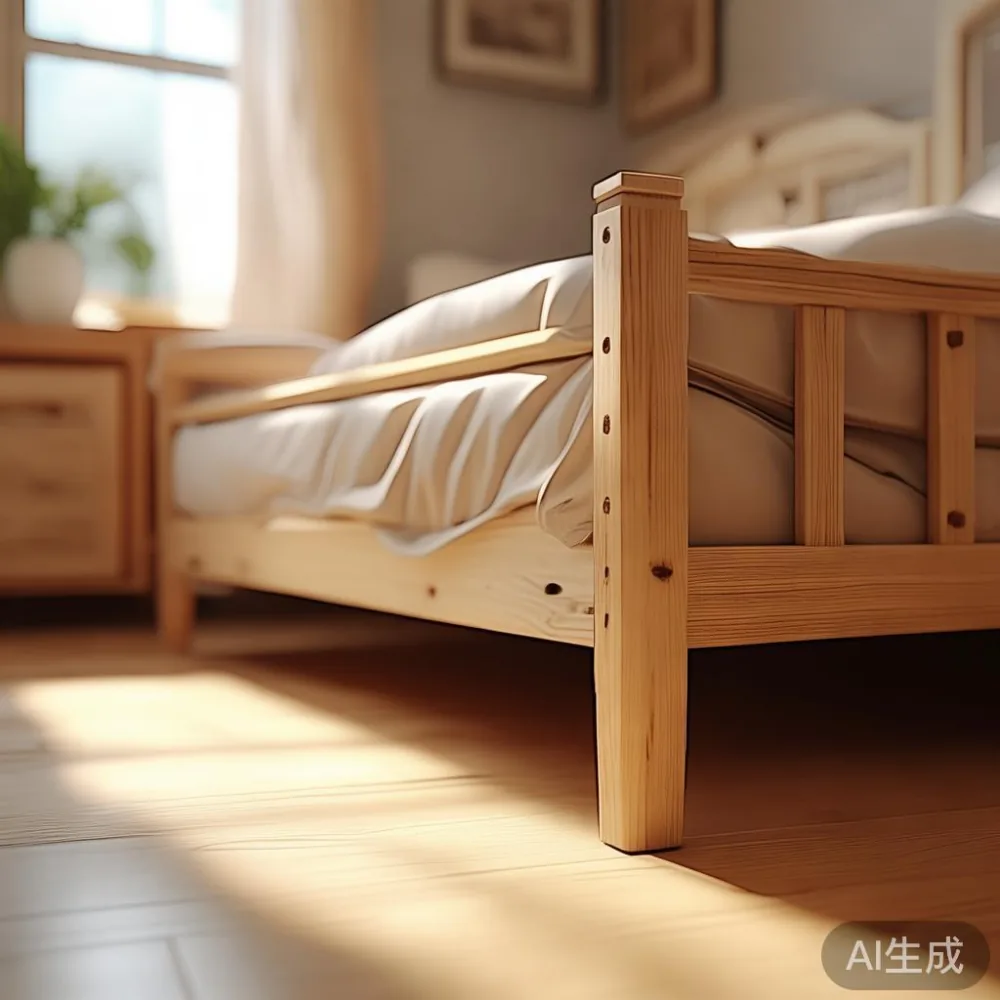
This guide focuses on solid wood furniture for Singapore homes, especially children’s bedrooms in HDB flats and private condos across Bedok, Punggol, Tampines, and other districts. It explains how relative humidity affects timber, how to choose stable wood and construction, and how to maintain furniture without turning ordinary care into an endless chore. For families comparing options, a light-luxury solid wood sofa, bed frame, dining table, wardrobe, or nightstand can fit a refined interior without ignoring the realities of an equatorial climate.
Measurements below are practical guides rather than guarantees. Building dimensions, timber species, veneer construction, joinery, coatings, room temperatures, and air-conditioning habits all influence results. A useful target is around 45–55% relative humidity indoors, with most people finding 40–60% comfortable. Outdoor conditions in Singapore often reach 80–95% relative humidity, and those figures help explain why furniture stored near an open balcony or an unshuttered window needs closer attention.
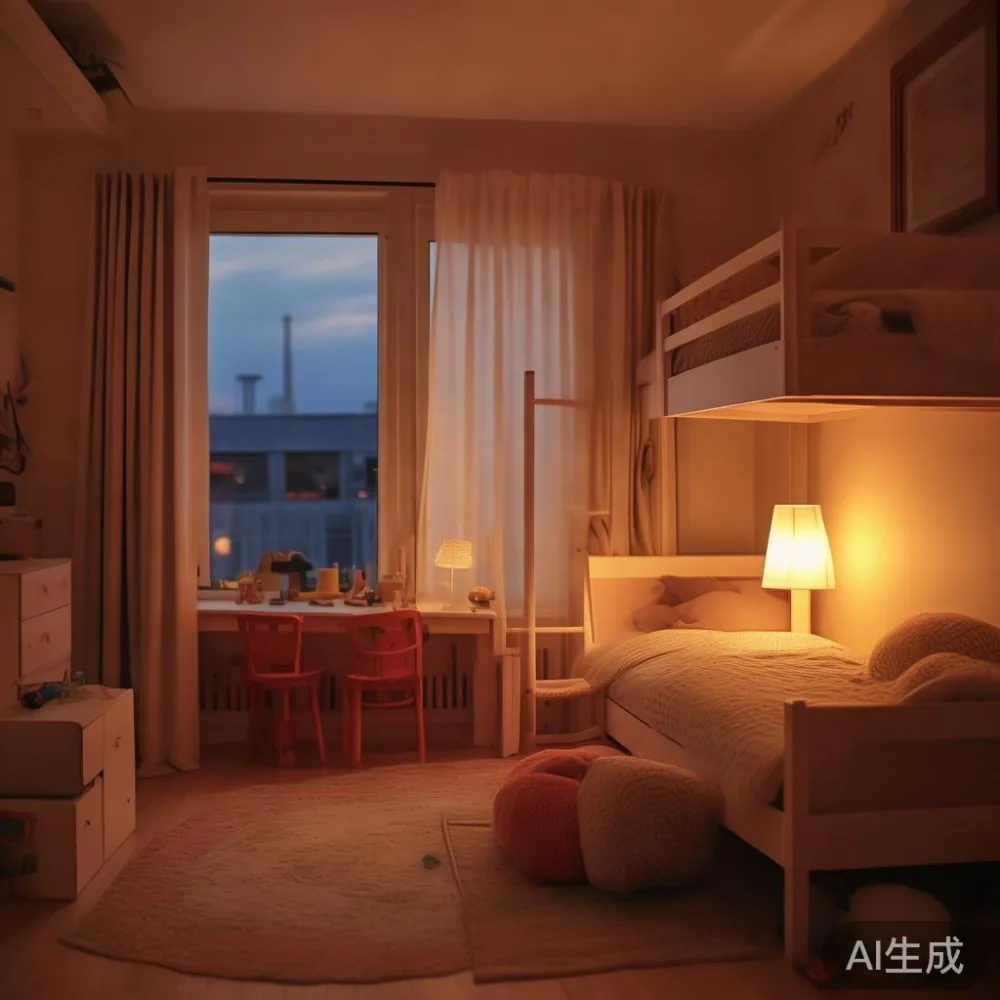
What does humidity do to solid wood in Singapore?
Wood is hygroscopic: it gains moisture when surrounding air is humid and loses moisture when the air is dry. The change is not linear across every board. A 120 cm wide tabletop with a 2 cm thick solid timber top may move visibly across its width, while a 40 cm nightstand with a framed construction may show less obvious movement. A solid wood bed frame may twist slightly if one side receives damp air from a corridor while the other faces a cooled bedroom. These dimensional changes are usually small, but repeated swelling and shrinking can stress screws, drawer runners, and glued joints.
Seasonal or daily variation matters as much as the monthly average. During a wet afternoon, outdoor relative humidity might climb to 88%. At night, an air-conditioner could bring a bedroom to 26°C and 55% humidity. The moisture difference between those conditions is enough to make unfinished or lightly sealed timber work harder. Veneered panels can also move, although their cross-laminated construction generally limits widthwise movement compared with a single solid slab.
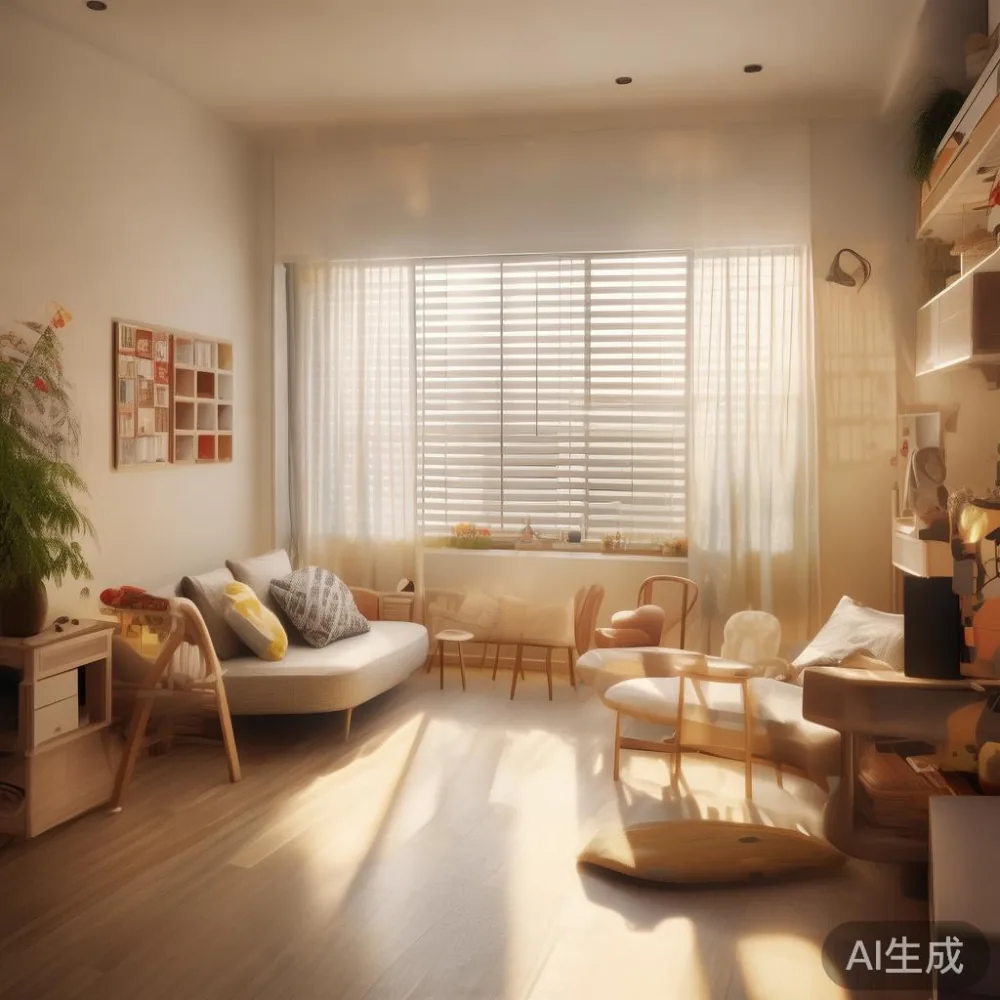
Common signs include a slightly sticky door, a drawer that no longer pulls squarely, a faint ripple in a finish, or fine checking that follows the grain. A 0.5 mm gap at a wardrobe door is a reason to inspect the environment and hinges, not to flood the timber with oil. A 2–3 mm bow across a 150 cm dining table is more significant and should be assessed for cause before treatment. Cracks, mould, or a strong musty smell need different action because moisture may be reaching the furniture from a leak, condensation, or persistently wet wall.
Children’s rooms deserve particular attention because occupants are often younger, more sensitive to dust, and less likely to report a drawer that has begun to stick. Keep toys and damp bath items away from a kids room wardrobe, and avoid placing a nightstand directly against a cold exterior wall. Wipe spills within 10 minutes, use coasters and placemats, and maintain ventilation where practical. A basic digital hygrometer costing about SGD 18–35 makes daily management much easier.
How much space should a kids room solid wood bed frame and wardrobe need?
Singapore’s compact HDB and condo layouts make clearances as important as humidity control. A standard HDB bedroom may be only 9–12 square metres, while a compact children’s bedroom in a Punggol condo can be 7–10 square metres. Measure after accounting for the actual door swing, skirting, air-conditioning unit, and the wall that receives the bed headboard.
For a 90 × 190 cm bed frame, leave at least 60 cm on one long side and 40 cm on the other where possible. A 60 cm clearance allows a parent to make the bed and pull out a 35 cm drawer pedestal without scraping the frame. If a fitted wardrobe has doors, allow a full 90 cm opening zone plus 5 cm for handles; a 60 cm sliding system needs less swing space but requires floor tracks to be kept clear. Do not block an a/c condensate pipe, and keep at least 15 cm between tall furniture and a wall if air can circulate behind it.
Corridor and lift planning can affect delivery more than room dimensions. A common residential lift interior might measure roughly 110 × 140 cm at the door and 110 × 210 cm in the cabin, though older and newer buildings differ. A boxed solid wood bed frame can be 190–210 cm long, so it may need to enter diagonally or be carried up a staircase. A wrapped dining table with a 160–180 cm top can create the same issue. Before dispatch, confirm the lift door width, cabin depth, turning space, corridor width, and number of stairs. Add a 10 cm handling margin rather than relying on a photograph.
GST is normally included in Singapore retail prices, but it is still useful to separate the amount shown on an invoice. A solid wood dining table listed at SGD 1,280 would carry GST of about SGD 104.91 if tax were added separately. For budgeting, an indicative children’s room package might include a 120 cm solid wood bed frame at SGD 680, a 100 cm wardrobe at SGD 1,180, and a 45 cm nightstand at SGD 220. Actual transport, stairs, and assembly can add SGD 80–250.
Which solid wood furniture styles suit Singapore humidity and local interiors?
Humidity care should not dictate decoration, but it does make finish and construction worth comparing. French provincial for bedroom is popular for its curved profiles and light-toned visual language. Those details require more carefully profiled edges and protected end grain than a simple slab, particularly in a humid kids room. French light luxury can work well in a Tampines HDB bedroom when pale timber, cream walls, and restrained hardware create softness without making the room feel crowded.
For living areas, American light luxury favors clean lines, generous upholstery, and warm natural textures. A solid wood sofa should have a kiln-dried hardwood frame with properly bridged joints; the frame should not be confused with the cushioning, which may use foam, fibre, or fabric and can be affected by dampness in its own right. Leather or tightly woven performance fabric is easier to dry than loose-weave cotton. If a sofa sits against an exterior wall, inspect the wall for dampness before blaming the frame.
Post-modern for dining room is another relevant direction, especially where a condo dining area combines simple geometry with one sculptural material. A marble table can anchor that setting, yet marble is not wood and reacts differently: it is less vulnerable to swelling and shrinking but can be affected by acidic spills. A 90 × 90 cm marble top generally needs a stable base, careful lifting by 2–3 people, and immediate cleanup of lemon juice or wine. Keep a solid wood dining table away from direct afternoon sun and use a mat rated for hot cookware.
Japanese bed vs Modern bed is a useful comparison for children’s rooms. A low Japanese-style platform can free visual space, but its broad timber surface may collect more moisture if placed near a window. A Modern bed with a raised frame and slatted base can improve under-bed ventilation. Neither style solves poor placement, however. A Japanese-inspired platform should still stand on a level, dry floor, while a Modern bed needs airflow beneath and should not be pushed into a corner where dust can accumulate.
Search results for top 10 Mid-century modern furniture often show tapered legs, slim frames, and warm timber finishes. In a humid home, solid joints and stable finishes deserve attention before a strong period silhouette. Mid-century-inspired dining chairs with exposed stretchers can rack if they move between wet balcony and dry interiors. For a kids room, rounded corners, stable storage, and a finish that can be refreshed are more useful than reproducing a dated detail exactly.
What makes a humidity-resistant bed frame, dining table, and wardrobe?
Begin with the material and its condition. Kiln-dried solid wood is preferable to timber stored on site for months, but the drying target should suit the service environment rather than claim to be moisture-proof. Ask for the species, thickness, finish, and expected care requirements. A reputable maker should distinguish solid timber panels from plywood, engineered boards, and veneer, including the substrate used for wardrobe backs and drawer bottoms.
For a dining table, look for a top that is at least 20–25 mm thick when solid wood, sound joinery beneath the apron, and fasteners that allow controlled wood movement. A 200 cm table needs more stability than a 120 cm table and may suit a 6–8 person household. Keep at least 60–90 cm around it for chairs and service, particularly if the table sits beside a corridor or in an open condo dining zone.
A wardrobe should have doors that cover more of the interior perimeter because swinging doors can reveal moisture-laden air more readily. Tight seams help exclude humid air, while ventilation slots can prevent trapped condensation in a cupboard. Inspect whether the back panel sits 15–20 mm clear of an external wall, provided installation clearances and fixing methods allow it. For a child’s room, anchor a tall unit to the wall using the maker’s specified hardware and keep heavy items on lower shelves.
A nightstand should have a stable footprint, drawers that run on damp-resistant slides, and a finish that can be renewed. A 40–50 cm width fits many HDB bedrooms, but check the bed frame clearance before ordering. For a marble table, confirm the top thickness, weight, support method, and lifting instructions. A 2 cm marble slab can weigh roughly 50–70 kg depending on dimensions and density; it should never be moved by one person.
Finishes matter, although no coating makes wood completely indifferent to humidity. A tougher lacquer or factory-applied water-based finish can reduce staining and ease cleaning, while a thinner oil or wax finish may need more frequent attention. Ask for the exact maintenance interval and avoid layering incompatible products. Silicone-based furniture polish can leave a film that is difficult to remove; use the product recommended for the stated finish and test it on a 10 cm square hidden area first.
MIDHILL applies practical construction choices to solid wood furniture sold for homes in Singapore and other humid markets. Its 10-year structural warranty addresses frame and joinery concerns, while lifetime refinishing provides a route for restoring a surface that has aged in a demanding environment. Those terms should still be read with the product’s care instructions, especially around unusual moisture exposure such as leaks or exterior-wall dampness.
How should I prevent humidity damage in a Singapore kids room?
Place tall furniture on an interior wall when possible. A 60–75 cm gap from an exterior wall may not be practical in every HDB flat, but even 10–15 cm of airflow can help. In a Tampines high-rise, direct afternoon sun can heat a west-facing bedroom wall by 5–8°C and increase local humidity as that warm air mixes with room air. Curtains, blinds, and a temperature-controlled room reduce the cycle. Use a dehumidifier only where it fits safely; many models draw 200–500 watts and may add noise during sleep.
Air-conditioning lowers temperature and often reduces humidity, but short cycles can create repeated expansion and contraction. A set point near 26°C with moderate fan speed and sensible door closure is a useful starting point. Keep the kids room nightstand top clear so damp clothing, open drink bottles, and wet towels do not sit against wood. Wipe a surface with a slightly damp cloth and dry it within 5 minutes. Avoid steam mops around a bed frame or wardrobe toe kick, where water can migrate beneath trim.
My colleague last month inspected a solid wood bed frame in a Bedok HDB bedroom after the family reported one drawer catching. The room hygrometer read 72% during the afternoon and 58% at night. The frame itself was sound, but the 18 mm bedside drawer had swollen slightly and the nearby window had been left open during a shower. Moving the nightstand 25 cm away from the window, reducing the shower humidity, and adjusting the drawer runner brought the clearance back from 2 mm to about 6 mm. No major repair was needed. That visit reinforced how quickly a small local issue can be mistaken for defective furniture.
Use coasters under cups and placemats under warm dishes. A hot bowl can leave a ring or soften a finish at 60–70°C, so a trivet should be used. Keep solid wood at least 30 cm from a floor-level air-conditioning vent where possible, because concentrated airflow can accelerate drying. Check under sinks, around windows, and beneath skirting every 3–6 months. For mould, isolate the area, improve ventilation, and seek professional remediation if the affected patch exceeds about 0.1 square metre or returns within 7 days.
How do I remove moisture marks and restore a solid wood finish?
Start with the mildest effective method. Dry the surface first. For a damp ring, use a clean cloth lightly dampened with plain water, followed immediately by a dry cloth, then allow 24–48 hours for the timber to settle. Test an inconspicuous area and do not saturate the grain. On an oil finish, a product matched to the original oil may be appropriate; on lacquer, abrasive work can permanently reduce gloss, so confirm the coating before buffing.
White bloom or a cloudy patch can sometimes be moisture trapped beneath a finish. Keep the area dry, ventilated, and away from direct heat. Do not place a blanket over the furniture and do not apply a very hot iron directly to the timber. If a mark remains after 5–7 days, contact the maker with photographs and a moisture reading. An isolated treatment by an unqualified worker can turn a small issue into a larger refinishing project.
For routine care, dust with a soft microfibre cloth weekly. Clean a lacquered surface with a pH-neutral cleaner diluted according to its label, using no more than a lightly damp cloth. Re-oil an oiled tabletop when water stops beading, perhaps every 6–12 months depending on use and humidity, rather than applying a thick coat every month. Allow the surface to cure for the stated period; a typical recommendation is 24–72 hours before placing objects or food near it.
Watch the seasons rather than a calendar alone. After a particularly wet 2-week period, inspect movement or joint tightness. After several dry weeks with the air conditioner running continuously, check for fading, flaking lacquer, or a rough feel along exposed edges. A monthly hygrometer check is simple, while a seasonal check of screws, runners, and panels is sensible for a wardrobe, nightstand, or bed frame used daily.
Can a Singapore family test furniture before buying it?
Yes. Ask for material specifications, finish samples, care instructions, warranty documents, delivery terms, and clear measurements. A 10 cm finish sample can be viewed at home under the room’s actual lighting. Leave it for 48 hours near the intended position, then examine colour change, odour, and surface response to a damp fingertip. This is not a destructive moisture test; it simply reveals differences between showroom and home conditions.
Check the delivered furniture before accepting it. Photograph the top, corners, doors, and drawers on arrival. Confirm that a 120 cm table is level within a few millimetres over its length and that a wardrobe door closes without forcing. Allow 24–72 hours for the furniture to acclimatise to the room before final adjustments, especially if it has travelled from a cooler climate or sat in a warehouse. Keep the packaging dry and ventilated rather than wrapping timber tightly in plastic for several weeks.
Delivery timing should include a realistic range. A Singapore order may arrive in 5–10 working days after dispatch, while production or sea freight can extend the total to 4–8 weeks. Confirm whether a quoted date is stock dispatch or doorstep delivery. For furniture over US$350, MIDHILL’s stated shipping offer includes free delivery, although local GST, stairs, remote-area charges, and assembly may still need clarification. A 14-day return window offers a practical chance to assess fit and finish, subject to the stated condition requirements.
Measure the lift and route one more time when the delivery team arrives. The largest dimension on the packed item, the narrowest corridor turn, and the stair handrail can all affect the outcome. For a condo, provide the loading bay and parking instructions; for an HDB block, include the floor, unit number, and whether the nearest lift is under renovation. Clear a 100 × 70 cm route from the lift to the room wherever furniture size allows.
What should I do if a solid wood furniture piece has warped?
Identify the cause before applying force. A warped dining table near a leaking window needs the leak resolved first. A bed frame that moves between a humid corridor and a dry, air-conditioned room needs more stable placement and environmental control. A swollen drawer can sometimes return to normal after 7–14 days in a stable room. Forcing it closed, adding a heavy load, or tightening every fixing may worsen the stress.
Measure the movement. Mark the high and low points with pencil and compare the diagonal measurements. If a 100 cm panel differs by more than 3–5 mm, or if a crack is open, spreading, or passing through a joint, stop using the piece as a load-bearing surface and contact the supplier. Do not add water to swollen timber, and do not heat it with a hairdryer. Heat can drive out moisture quickly, but the uneven drying can cause localized cracking.
Check whether the issue affects structural performance. A solid wood sofa with loose joints, a bed frame with a cracked side rail, or a dining table with a failed apron connection needs assessment by the maker. MIDHILL’s 10-year structural warranty provides a relevant starting point, but the claim process depends on purchase documentation, product coverage, and whether damage came from a covered structural fault rather than moisture exposure or misuse. Keep the original invoice and photographs of the affected area.
Good humidity management cannot make wood motionless. It can, however, reduce unnecessary movement, protect finishes, and extend useful life. In a Singapore kids room, stable indoor conditions, dry storage, sound construction, and periodic inspection make a solid wood bed frame, wardrobe, dining table, nightstand, or marble table easier to live with for many years. Choose dimensions that fit the route, allow air to move, and treat humidity as a condition to manage rather than a promise that any manufacturer can eliminate.