Caring for a Lacquered Surface in a Tropical Climate: A Singapore Kids-Room Guide
I still remember the Saturday morning last month when I visited a 12-year-old HDB flat in Tampines with my colleague from the MIDHILL after-sales desk. We were called in because a four-year-old had drawn a purple crayon masterpiece across the headboard of his bunk bed, and the mother was convinced the lacquer had been ruined. It wasn’t. A soft eraser, a microfibre cloth, and ten minutes later the panel looked like the day it was delivered. That scene is the reason I am writing this guide: in a tropical climate, lacquered kids-room furniture behaves differently than it does in a temperate showroom, and a few small habits keep it looking new for a decade or more.
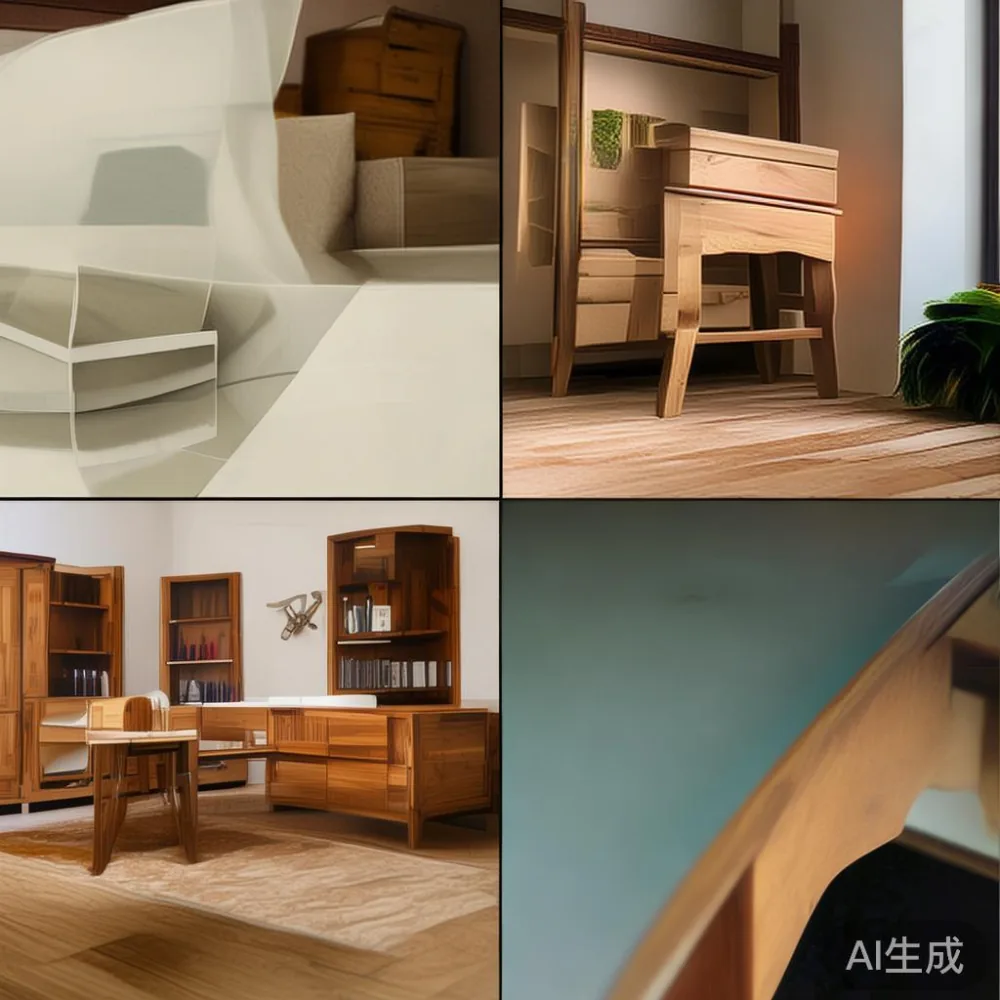
Singapore sits roughly one degree north of the equator. The relative humidity in a Bedok corridor apartment with the windows shut can climb past 85 percent by nine in the evening, drop to 65 percent when the air-con runs, and settle around 78 percent the rest of the night. That swing is the single biggest variable affecting a kid’s bed frame, wardrobe, or nightstand that carries a clear coat. Wood moves. Lacquer moves with it. If you understand that movement, you stop being afraid of it.
This guide is written for Singapore households specifically — HDB flats in Punggol with 90 cm corridor turns, condos with service-lift dimensions of 2.1 m deep by 1.5 m wide, and landed homes with full-height wardrobes that were walked up three flights because the stairwell measured only 110 cm across. The advice also works for Penang, Jakarta, and Kuching, but the prices are quoted in SGD, and the delivery windows are local-to-MIDHILL.
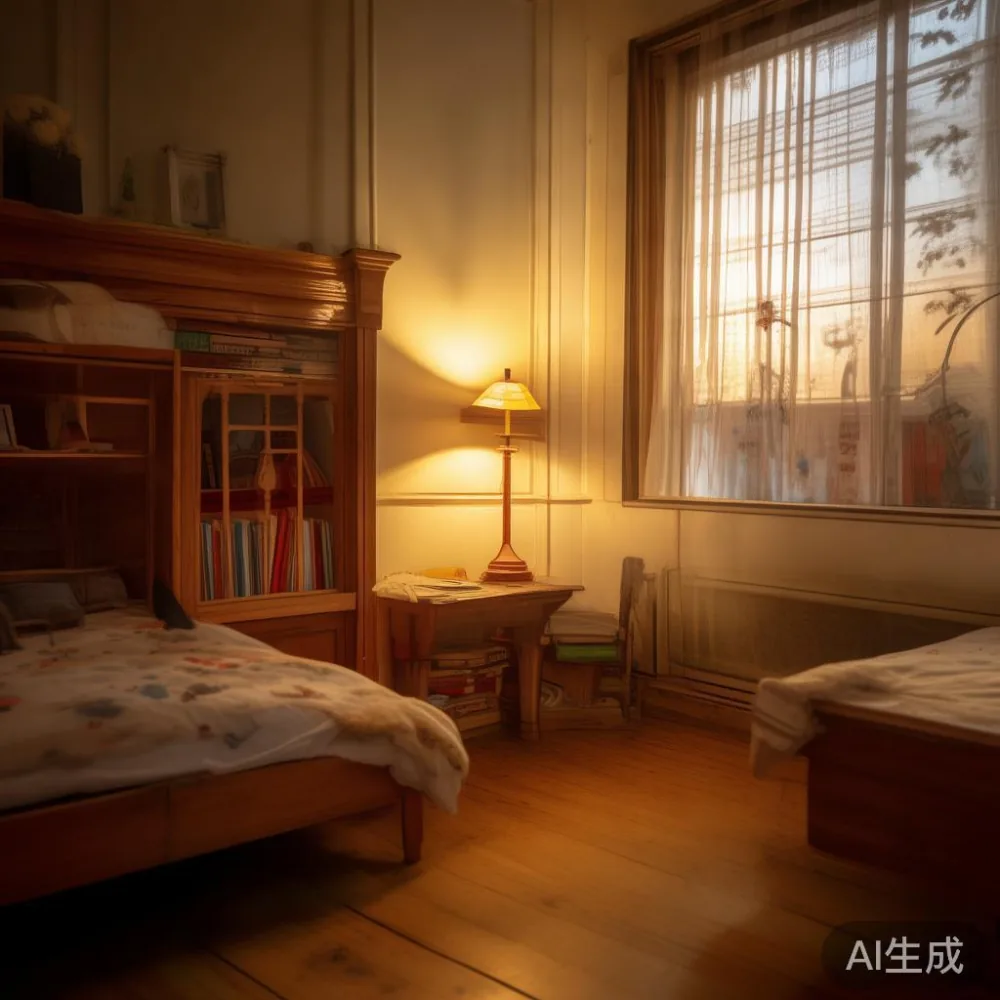
Why does lacquer behave differently when the humidity hits 80 percent every afternoon?
A nitrocellulose or polyurethane lacquer is in effect a thin plastic skin bonded to solid wood. In a climate-controlled Beijing or Milan showroom, the wood moisture content sits near 8 percent. Inside a Tampines flat at 82 percent humidity, the same piece will absorb moisture until its core reaches roughly 12 to 14 percent. The lacquer stretches with it. That is why you sometimes see a faint haze, called blushing, on a dining table top two hours after a rain shower. It is not damage; it is optics, and it goes away when the room re-equilibrates.
Three rules follow from this. First, keep lacquered pieces out of direct afternoon sun through a west-facing window — UV breaks down the resin chain and ambering follows within six to nine months. Second, maintain a stable indoor range of 55 to 70 percent humidity if you can; a S$45 hygrometer from any HomeFix or a Xiaomi sensor at S$29 is enough. Third, never wipe a lacquered kids-room surface with a wet cloth. Always mist the cloth, never the wood.
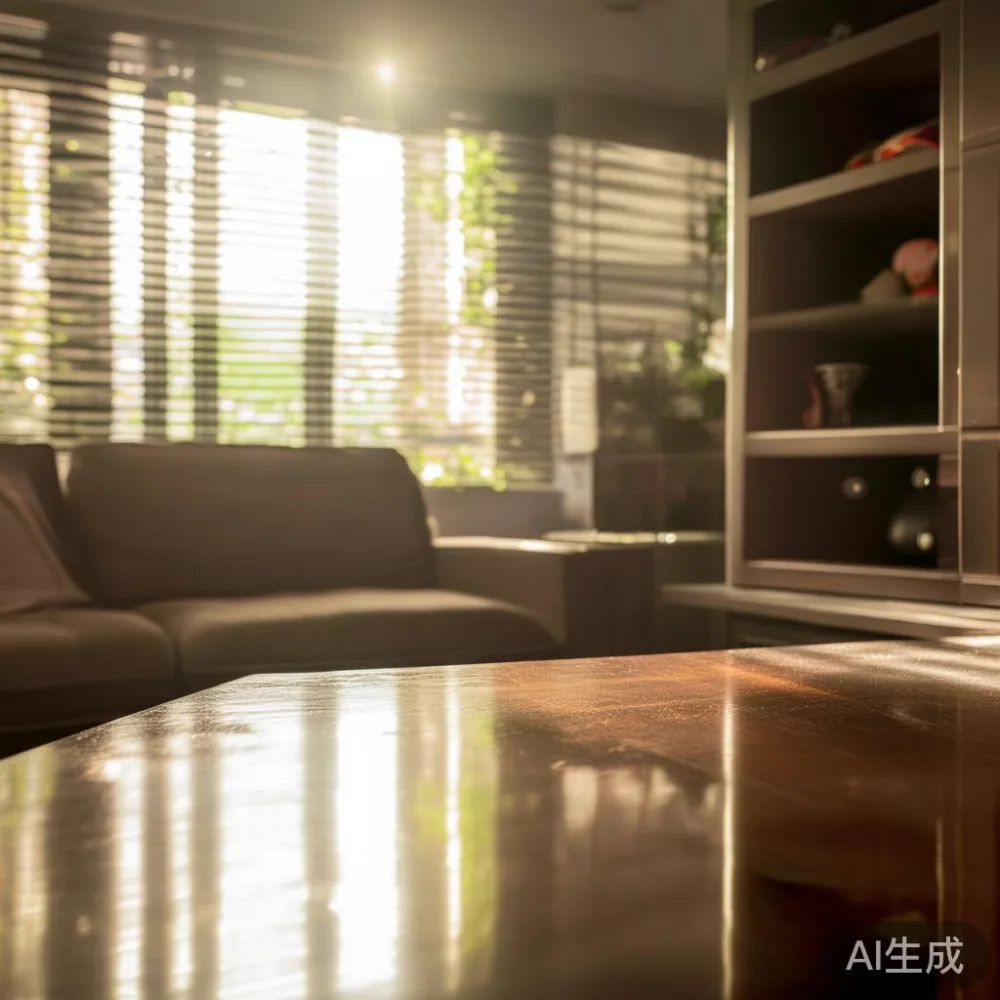
What is the difference between Post-modern master bed and modern furniture?
A Post-modern master bed is a specific design language: it uses rounded corners, asymmetric layered headboards, satin rather than mirror lacquids, and decorative metal trims in champagne or rose-gold finishes. Modern furniture, by contrast, is the broader minimalist school — flat panels, square edges, no ornament. A Post-modern master bed will therefore feel softer and more decorative, while a modern bed feels architectural and quiet. In a kid’s room, the Post-modern styling tends to age well because rounded edges are kinder to small elbows during the 18 to 24 months a child climbs in and out of a low bed frame.
If you are weighing a 2-seater headboard for kids room against a single full-width panel, the difference is footprint and presence. A 2-seater headboard for kids room is two equal panels side by side, typically 60 cm wide each, totalling 120 cm. It suits a 1.2 m or 1.35 m bed frame and visually balances a wider wall without overpowering a 9 m-square HDB bedroom. A solid-panel headboard on the same bed frame will read as one block, which can feel heavy in compact layouts under 12 m-square.
Daily care: the four habits that protect every lacquered piece in the house
Habit one is a 30-second nightly wipe with a dry microfibre cloth (S$8 for a pack of five at Daiso). Skip any cloth that has been laundered with fabric conditioner — the residue leaves a film that catches dust and dulls the satin sheen within a week. Habit two is no rubber-soled toys dragged across a dining table or marble table. Use felt pads under any wooden toy box or storage trunk; a 24-pack costs S$6 and lasts about three years.
Habit three is to keep a small coaster set near every wardrobe and nightstand. A bedroom with a humidifier running for a child’s cough will deposit a faint mist ring on any horizontal lacquered surface within forty minutes; coasters end that. Habit four is to rotate the position of objects — a lamp, a tissue box, a stack of picture books — once a month. Constant occlusion leads to uneven ambering on the unlit zones, and a rotating schedule evens out the colour shift over a five-year span.
For the French light luxury pieces with brushed brass hardware, a separate routine applies. Brass lacquer is softer than the wood lacquer beneath it. Wipe brass with a barely damp cloth, dry immediately, and never spray any cleaner containing ammonia within 60 cm of the handle. Ammonia clouds micelles in the coating, and the result is irreversible white spotting that looks like bloom on a grape.
Spills, scribbles, and the small disasters unique to a kid’s room
Children between the ages of two and seven produce, on average, three to five staining substances per week in a contained space: milk, Milo, soy sauce, crayon wax, sticker glue, and the occasional pen. Most of these are water-soluble or wax-soluble. The protocol I recommend is identical to the one my colleague used on that Tampines bunk bed.
For milk, Milo, and soy sauce: blot, do not wipe. Use a fresh microfibre cloth, work from the outside of the stain inward to prevent spreading, then follow with a cloth lightly misted with a 1:4 solution of white vinegar and filtered water. Dry with a second cloth within 90 seconds. For crayon wax: place a plain brown paper bag over the mark and press with a warm iron set to silk (around 110 degrees C). The wax melts into the paper, not the lacquer. For sticker glue: warm a spoon under hot tap water for 20 seconds, dry it, and press the back of the spoon against the residue for ten seconds. The glue softens and a plastic scraper lifts it without touching the finish.
For ballpoint ink — the one accident most parents panic over — isopropyl alcohol at 70 percent on a cotton bud, dabbed, never rubbed, removes 90 percent of marks within three applications. If the ink has sat for more than 48 hours, expect a faint shadow. That shadow is pigment lodged in the surface texture of a satin lacquer; it cannot be rubbed out without damaging the sheen, and it will fade to near-invisibility within 90 days as the finish naturally re-flows at 28 to 32 degrees C ambient.
How often should I refinish a lacquered kid’s room piece?
Inside a Singapore home, a lacquered solid wood sofa frame, bed frame, or dining table top will hold its showroom sheen for five to seven years with weekly care and daily dusting. A wardrobe or tall cabinet that does not see direct touch will hold its sheen for eight to ten years. A marble table with a lacquered wooden base follows the wood cycle, not the stone cycle.
MIDHILL offers lifetime refinishing on every piece they ship, which in Singapore is handled through their regional refinishing partner and quoted at around S$180 to S$320 per panel depending on surface area. For a typical 1.5 m bed frame headboard, expect S$220; for a six-door wardrobe at 2.4 m tall, expect S$280. The work is collected, returned within 14 working days, and carried out in a controlled clean-room environment. That is one of the small reasons a well-engineered piece survives two children and still looks presentable when the second one leaves home.
What about moving a lacquered piece through a 90 cm HDB corridor or a 1.5 m service lift?
Lacquered furniture is largely unscathed by careful transport, but a poor move will leave pressure marks along the edges and corners that no amount of home polishing can remove. The single most useful figure to know is the diagonal of your largest lift opening. A 2.1 m deep by 1.5 m wide lift can fit a fully assembled wardrobe up to 1.9 m tall on its diagonal, but only if you remove the doors and wrap them separately. For a 1.35 m bed frame, the diagonal of a 1.5 m wide lift is sufficient with the headboard unscrewed.
When MIDHILL schedules a Singapore delivery, the team measures the lift and corridor in advance. I have watched them reject a corridor turn in a Punggol BTO that was only 85 cm across the inside radius; the alternative was a 90-minute dismantle on site. Most movers charge S$80 to S$160 per dismantled-and-reassembled panel. The savings from measuring twice are obvious.
Storage, sunlight, and the seasonal shifts Singapore does not officially have
Singapore has two unofficial seasons — the wetter northwest monsoon roughly November to February, and the drier southwest monsoon June to September. During the wetter months, a closed-up room with the air-con off for eight hours can climb past 80 percent RH by morning. During the drier months, a room with a fan running 24 hours can drop to 58 percent. The wider the swing, the more the wood and lacquer move.
Two practical answers exist. The first is a small dehumidifier rated at 6 L per day, which costs S$169 to S$229 from any local electronics shop, and run it for the eight hours the family is out of the house. The second is to keep wardrobe doors slightly ajar for 20 minutes each morning to let trapped moisture exit — a habit common in landed-house households along Bukit Timah. Both reduce the daily swing to a manageable 8 to 12 percent, well below the 20 percent threshold where lacquer begins to blush.
Direct sunlight through a north-facing window is usually safe for lacquered kids-room furniture for two to three hours a day. Through a west-facing window after 2 pm, two months is enough to amber a satin finish visibly. A S$45 sheer curtain from Taobao or Spotlight reduces UV transmission by roughly 70 percent, and combined with a 1 m setback from the glass, keeps the piece looking new for the full ten-year warranty window.
A short checklist before you buy another lacquered piece for the kid’s room
First, measure the lift diagonal and the tightest corridor turn, in centimetres. Second, ask the maker what finish system they use: a seven-layer polyurethane with a satin topcoat is more forgiving in humidity than a two-layer nitrocellulose. Third, ask whether the piece can be disassembled for delivery, and how many panels it breaks into. Fourth, confirm the warranty covers lacquer peeling, not just structural cracking. A 10-year structural warranty is meaningless if the finish fails at year three.
Fifth, ask whether the maker offers lifetime refinishing. MIDHILL does, which is why their dining tables, nightstands, and solid wood sofa frames keep reappearing in second-child bedrooms and in Airbnts across Tanjong Pagar. Sixth, budget S$30 to S$60 for coasters, felt pads, a hygrometer, and a microfibre starter set on day one. The S$30 spent on day one saves S$300 in refinishing within a decade. Last, register the warranty within 30 days of delivery; GST 9 percent is included in the listed price, and free shipping kicks in above US$350, which most kid’s room sets clear in a single order.
Caring for lacquered furniture in a tropical climate is not difficult, but it is also not automatic. Once you understand the wood is alive, the lacquer is its skin, and Singapore’s humidity is the constant conversation between the two, the care becomes a five-minute-a-day habit rather than a quarterly project. The Tampines bunk bed is still in service two months after that crayon Saturday, the lacquer unblemished, and the four-year-old has moved on to colouring books, mostly within the lines.