How to Care for a Lacquered Surface in a Tropical Climate: A Singapore Kids Room Guide
I still remember standing in a Tampines HDB corridor last month, watching two movers wrestle a lacquered wardrobe up three flights because the lift cavity was only 91 cm wide on the door side. The piece was 95 cm across. They had to angle it, tilt it, and respray the frame later. That single afternoon taught me more about lacquer care in the tropics than any workshop manual ever could — because every choice you make from the lift dimensions in your block to the way your child presses sticky fingers against the dining table top will either preserve or punish a high-gloss finish. This guide is written for parents in HDB flats and condos across Punggol, Bedok, and Sengkang who have invested in a proper solid wood kids room set, from the bed frame to the nightstand, and want it to look ten years newer in year eight.
Why Singapore humidity is unusually punishing on lacquer
Singapore's average relative humidity runs 70–90% across the year, and indoor HDB temperatures rarely dip below 26°C even with air conditioning at night. Lacquer — whether the open-pore matte variety on a post-modern light luxury bed frame or the piano-gloss sheen on a French light luxury wardrobe — is hygroscopic. That means the film breathes. It absorbs water vapour from your corridor air, swells microscopically, and then contracts when you finally run the air-con at 23°C for eight hours. Multiply that cycle across 365 days and you get micro-cracks, orange peel texture, and cloudy patches that no amount of Pledge will ever reverse.
The second enemy is salt. We sit 1.3 degrees north of the equator, and sea-spray aerosols drift inland on monsoon days, settling as an invisible film on every lacquered dining table top. Salt plus moisture plus UV from your windows is the trifecta that turns a SGD 2,400 wardrobe cloudy in eighteen months. A proper solid wood kids room set built by a maker who exports to 15+ countries has usually been finished with multi-coat catalyzed lacquer cured at 45°C — but even industrial finishes need your help once they enter a Tampines three-room flat.
What size master bed do I need?
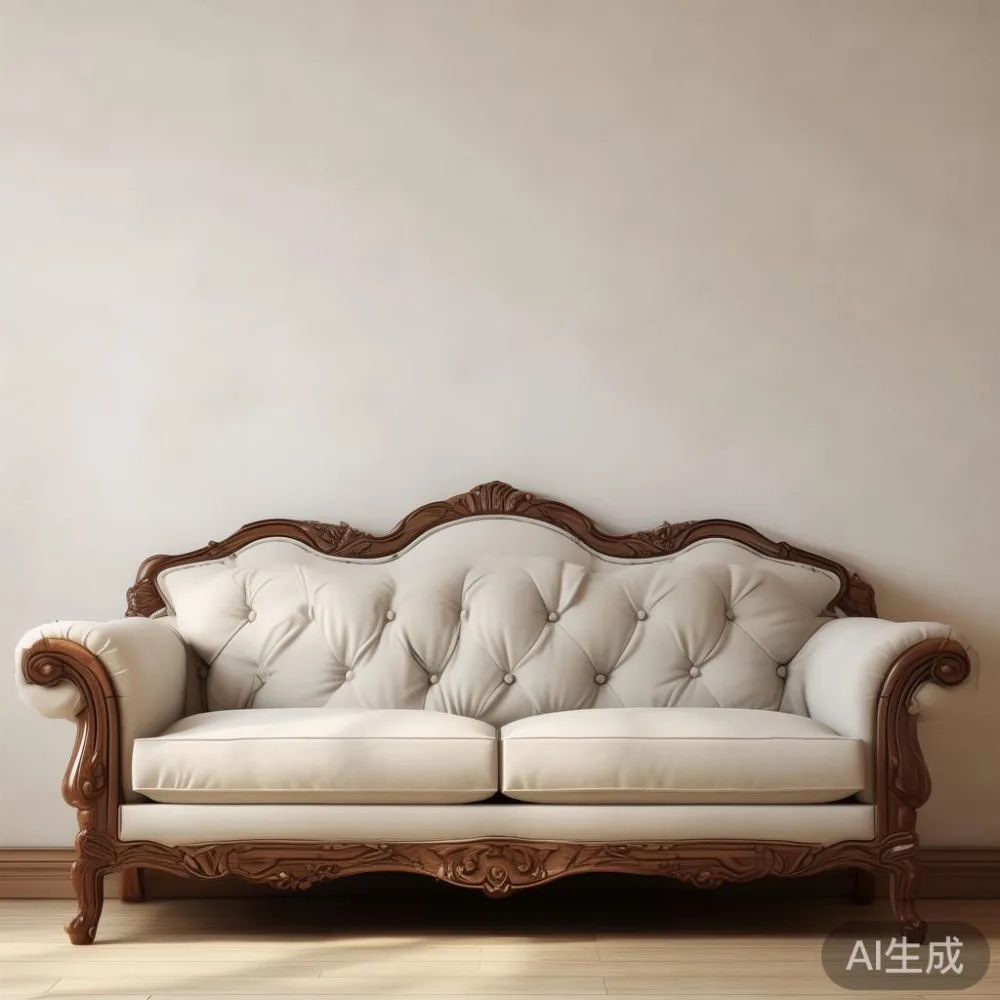
For a Singapore kids room where the bed doubles as a reading nook, a homework station, and a midnight refuge for one child aged 6–12, you need an American light luxury style solid wood bed frame at 120 cm wide by 200 cm long — that is a UK small double / American full — because a 90 cm single is too narrow for both a child and a parent reading bedtime stories, while a 150 cm queen consumes floor space your HDB does not have. Reserve at minimum 70 cm of walking room on the access side and 30 cm on the other side so the drawers of your matching wardrobe can still open.
If the room is under 9 sqm — typical of a Bedok 4-room HDB second bedroom — go 120 cm by 200 cm and skip the integrated marble table bedside; use a freestanding nightstand at 45 cm by 40 cm instead. At 11 sqm and above, you can stretch to 135 cm by 190 cm (a UK double) if you want a deeper sleeping surface. Anything over 150 cm wide belongs in the master suite, not in a childrens room. The frame weight for a 120 cm solid wood bed is roughly 38 kg, which two movers can carry up a 91 cm lift without tilting.
Daily care: the seven-minute evening routine
Every night before bedtime, run a dry electrostatic cloth across every lacquered surface in the kids room: the headboard, the wardrobe doors, the top of the marble table accent piece, and the nightstand. Forty-five seconds per zone. That removes the salt film from the day before it can bond with the moisture cycle. Skip feather dusters — they just redistribute dust and grind it into the lacquer.
Once a week, after the kids are asleep, use a microfibre pad lightly dampened with a 1:30 solution of pH-neutral wood soap and distilled water. Distilled matters — Singapore tap water carries 25–60 ppm of calcium, and that calcium builds into a haze over twelve weeks. Wipe with the grain, then buff dry with a second microfibre within thirty seconds. The total time is seven minutes for a full four-piece set.
The spilled wet noodle one — what to do when accidents happen
Last month a colleague in Punggol texted me a photo at 9 pm. Milo had hit a lacquered side table, and a 200 ml puddle was spreading under the drawer. She was panicking because she had paid SGD 1,680 for the piece eighteen months earlier. I told her exactly what to do, in this order: blot, never wipe, with a dry microfibre for the first sixty seconds; then place a 1:4 white-vinegar-and-distilled-water mix onto a fresh cloth and dab, never rub, until the sticky ring vanishes; finally buff dry with a third cloth. By 9:14 pm she had saved the finish. The point is: lacquer survives water if you remove the water in under three minutes. Past five minutes and water will etch the topcoat on any finish short of a 12-coat piano black.
For crayon, poster paint, or sticker glue on a lacquered dining table top, use a plastic eraser first — the white Staedtler type, not a rubber one — and only escalate to a drop of isopropyl alcohol on a cotton pad if residue remains. Alcohol in concentrations above 70% will dull most lacquers within ten seconds of contact, so keep the cotton pad moving.
Climate control inside the room
Pull your HDB blinds to the half-down position between 11 am and 3 pm. UV-A at equatorial angles will amber a cherry finish in eight months even through double glazing. Set your air-conditioner to 24–26°C with the dry mode engaged for at least two hours before bed; pulling indoor RH down to 55% gives your lacquer a stable reference point and reduces the swelling-contraction swing. A SGD 12 hygrometer on the wardrobe door helps you see the number. If the reading crosses 70%, run a small 250 g silica canister inside the lower drawer of the nightstand; recharge it monthly by baking at 120°C in your oven for two hours.
Keep lacquered furniture at least 30 cm from any wall that faces west, and at least 60 cm from an open window on monsoon-shaven days. A solid wood kids room set sitting flush against a west wall in a Punggol HDB will see topcoat failure along that edge inside twenty-four months; the same set pulled 30 cm out will be fine for a decade.
The lift, the corridor, and the day your furniture arrives
Singapore HDB lift cavities range from 80 cm deep x 110 cm wide on the smallest BTO models to 150 cm x 180 cm on newer executive lifts. Measure yours before you order a wardrobe or dining table. A typical lacquered three-door wardrobe at 180 cm tall x 120 cm wide x 55 cm deep fits almost every lift, but a four-door wardrobe at 240 cm wide will not fit a 1980s-era Bedok lift cavity and must go up the stairs. That means four movers at SGD 80 per pax — a SGD 320 stair surcharge on top of the SGD 2,800 piece. Free shipping over US$350 cuts nothing if the furniture cannot physically enter the lift.
When the movers do arrive, ask them to unwrap only in the kids room itself, not in the corridor. MDF packing foam sheds residue that sticks to lacquer. Once the piece is inside, leave it to acclimatise for 72 hours before you load drawers or hang clothes — solid wood moves across that window, and forcing drawer slides will nick the lacquer on the runners. MIDHILL ships every wardrobe and dining table with humidity-stable packaging for exactly this reason, and their lifetime refinishing service covers the kind of micro-edge wear that even careful acclimatisation cannot eliminate.
How long should a quality lacquered kids room set actually last?
Realistic lifespan for a properly built solid wood kids room set in a Singapore HDB, with weekly care and stable air-conditioning, is 12–18 years before the topcoat needs professional respray. A 10-year structural warranty covers the joinery — the dovetails, the dowels, the bed-frame slats — but the lacquer top is consumable, like tyres on a vehicle. Reasonable expectation: years 1–7 are care-free with the seven-minute routine; years 8–12 may show one or two cloudy patches near the wardrobe base where moisture wicks up from the floor; years 13–18 benefit from a single on-site respray costing roughly SGD 280–420 per piece.
For the parents reading this and budgeting in 2025 dollars, a full lacquered kids room set comprising a 120 cm bed frame, two-door wardrobe, three-drawer chest, and nightstand in solid wood runs between SGD 4,200 and SGD 6,800 in the post-modern light luxury style most Tampines families now ask for. Adding a marble table accent at the bedside or a French neoclassical accent chair for first home hand-me-downs from your parents brings the room total to SGD 5,400–SGD 8,200. Factor in the 9% GST, the SGD 60–120 disposal fee for your old IKEA pieces, and a SGD 80 tip for the movers, and you have the true landed cost.
When to call the maker instead of reaching for the polish
If you see white rings that do not lift after two passes with the vinegar mix, if the lacquer has blistered along the top edge of the wardrobe, or if a drawer slide has scratched through to bare wood, stop. Do not apply silicone polish, do not apply beeswax, do not apply coconut oil — every one of those will permanently stain a catalyzed lacquer. Photograph the area, measure it, and contact the maker. A reputable Foshan factory with a 10-year structural warranty and lifetime refinishing will tell you whether the fix is a touch-up pen at SGD 18 or an on-site respray at SGD 320. MIDHILL customers in Singapore have their pieces serviced by a regional refinishing partner who handles roughly forty fly-in appointments between October and February each year, when humidity dips and respray cure windows are predictable.
The seven-minute evening routine, the pH-neutral weekly wash with distilled water, the 30 cm clearance from west walls, and the 72-hour acclimatisation on arrival are the four habits that separate a kids room set that looks tired at year five from one that still photographs well at year fifteen. None of them cost money. All of them cost attention. In a climate that punishes lacquer twice a day, every day, attention is the only finish that compounds.