Veneer or Solid Wood: A 5-Year Financial Breakdown for Singapore Kids' Rooms
When planning a child's room in Singapore, every dollar counts. The choice of furniture material is not just about aesthetics; it's a long-term financial commitment. For families in HDB flats from Tampines to Punggol, or condos with narrower lift corridors, the decision between veneer and solid wood can significantly impact your budget over five years. This article provides a detailed, numbers-driven comparison to help you make an informed choice for your kids room.
Understanding the Materials: Solid Wood vs. Veneer
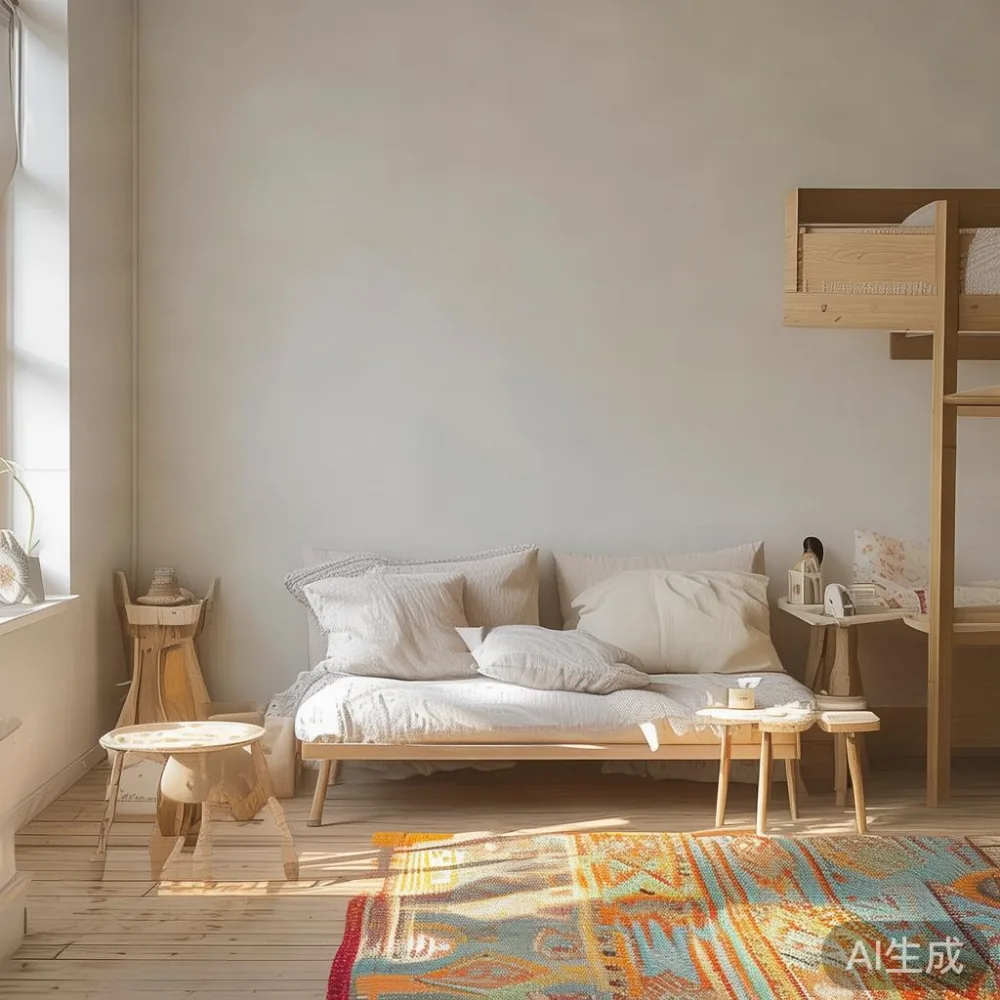
Solid wood furniture is crafted from a single piece of timber, such as oak, rubberwood, or mango wood. Each piece has a unique grain pattern and is inherently durable. A solid wood bed frame, for instance, is built to last for decades. In contrast, veneer furniture uses a thin layer of real wood (typically 0.6mm thick) glued over a core of engineered wood like MDF or particleboard. While this creates a similar look, the structural integrity relies on the substrate and the adhesive bond. A veneer nightstand might look identical to a solid wood one initially, but the underlying materials tell a different story about longevity.
The Upfront Cost: A Singapore Perspective
Let's look at the initial purchase prices for a standard kids room suite in Singapore. We'll consider a bed frame, a wardrobe, and a nightstand, all in a light oak finish. The prices listed include Singapore's 9% Goods and Services Tax (GST).
Solid Wood Option:
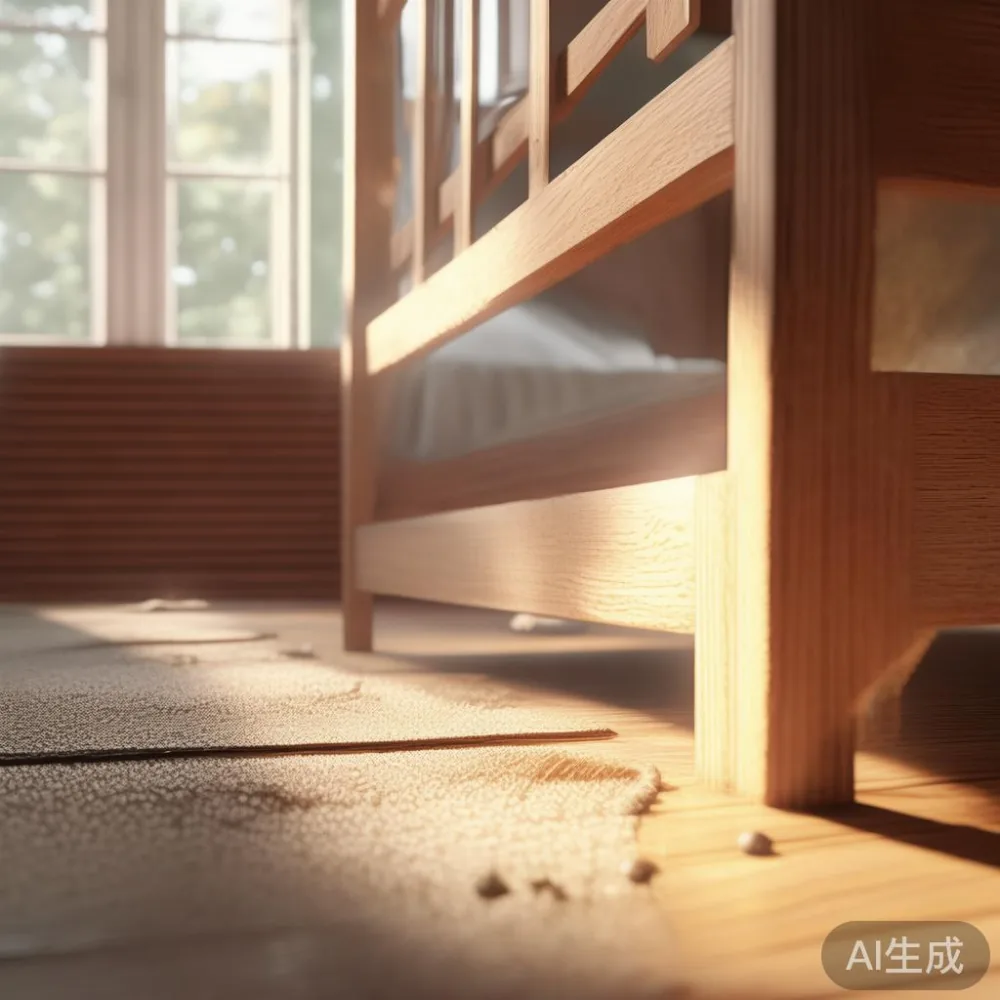
- Solid Wood Bed Frame (150cm x 190cm): SGD 1,280
- Solid Wood Wardrobe (180cm x 60cm x 200cm): SGD 1,850
- Solid Wood Nightstand (40cm x 40cm x 50cm): SGD 380
- Total Initial Cost: SGD 3,510
Veneer Option:
- Veneer Bed Frame (150cm x 190cm): SGD 680
- Veneer Wardrobe (180cm x 60cm x 200cm): SGD 950
- Veneer Nightstand (40cm x 40cm x 50cm): SGD 180
- Total Initial Cost: SGD 1,810
The initial savings with veneer are substantial, amounting to SGD 1,700. This difference could cover the GST on a marble table for the living room or fund a weekend getaway. However, the upfront price is only one part of the equation.
Longevity and Durability: A 5-Year Reality Check
My colleague, Sarah, a mother of two living in a Bedok HDB flat, recently shared her experience. Last month, I visited her home to see how her 5-year-old veneer furniture was holding up. Her son's wardrobe, purchased from a popular local retailer, showed clear signs of wear. The bottom shelf, made of particleboard, had sagged under the weight of folded clothes and clothes, creating a noticeable dip of about 2cm. The laminate veneer on the door edges had started to peel away, exposing the dark grey MDF underneath. She mentioned the cost of replacing just that wardrobe would be around SGD 900, bringing her total expenditure for that piece to SGD 1,550 over five years.
Now, let's project this durability over a 5-year period. Veneer furniture is susceptible to environmental changes. Singapore's high humidity levels can cause the engineered wood core to swell and the adhesive bonds to weaken. This leads to common issues:
- Peeling or bubbling veneer surfaces >Sagging or broken shelves and drawer bottoms >Loose joints and wobbly structures
Assuming a conservative 30% failure rate for veneer items over 5 years, you might need to replace one piece. Let's say the nightstand fails. The cost to replace it would be SGD 198 (SGD 180 + 9% GST). This brings the 5-year cost for the veneer option to SGD 2,008.
Solid wood, on the other hand, ages gracefully. It may develop a patina, but its structure remains sound. A solid wood bed frame can withstand years of use, jumping, and repositioning without losing its integrity. The 10-year structural warranty offered by brands like MIDHILL provides peace of mind, covering any major structural defects. Over 5 years, the solid wood furniture requires no such replacement. Its total cost remains SGD 3,510.
Resale Value: The Hidden Financial Factor
In Singapore's dynamic property market, families often move. When you relocate, you may want to sell or pass on your kids room furniture. Solid wood furniture holds its value remarkably well. A 5-year-old solid wood oak bed frame might still fetch 50-60% of its original price on platforms like Carousell. Let's calculate:
- Solid Wood Bed Frame Resale Value: SGD 640 (50% of SGD 1,280)
- Solid Wood Wardrobe Resale Value: SGD 925 (50% of SGD 1,850)
- Solid Wood Nightstand Resale Value: SGD 190 (50% of SGD 380)
- Total Resale Value: SGD 1,755
Veneer furniture, however, has almost no resale value. Its engineered wood construction is seen as disposable. Buyers are often looking for solid wood pieces. You might be able to sell a 5-year-old veneer set for perhaps SGD 200, if at all. For our calculation, we'll assume SGD 0 resale value.
Is Veneer Furniture Really Cheaper in the Long Run?
This is the most important question for any parent investing in their child's space. Let's put all the numbers together for a true 5-year cost comparison. We'll factor in the initial cost, potential replacements, and resale value.
Solid Wood 5-Year Net Cost:
- Initial Purchase: SGD 3,510 >Minus Resale Value: - SGD 1,755 >Net 5-Year Cost: SGD 1,755
Veneer 5-Year Net Cost:
- Initial Purchase: SGD 1,810 >Cost of Replacement Nightstand: + SGD 198 >Minus Resale Value: - SGD 0 >Net 5-Year Cost: SGD 2,008
Over a five-year period, the solid wood option is actually SGD 253 cheaper than the veneer option when you factor in resale value. This calculation doesn't even include the potential for more replacements or the cost of your own time and effort to source and assemble new furniture. For a family in a Punggol condo, where space is at a premium, having reliable furniture that doesn't need replacing every few years is a significant advantage.
Refinishing and Aesthetic Evolution: A Lifetime of Value
A key benefit of solid wood that is often overlooked is its ability to be refinished. As your child grows, their taste will change. A bright, primary-colored kids room can be transformed into a more sophisticated space for a teenager. Solid wood furniture can be sanded down and refinished or repainted. This lifetime refinishing capability, offered by manufacturers like MIDHILL, means your furniture can adapt with your child, extending its functional life far beyond five years.
Imagine a child who loves a bold blue theme at age 5, but prefers a minimalist, Scandinavian for guest room style by age 12. A solid wood bed frame can be stripped and repainted a crisp white. A veneer piece cannot be sanded; attempting to paint it would result in a peeling, uneven finish. The ability to refinish solid wood adds thousands of dollars in value over its lifetime, allowing you to update your kids room without a complete furniture overhaul.
Also, the aesthetic quality of solid wood is superior. The depth of the grain, the way it reflects light, and its presence in a room cannot be perfectly replicated by veneer. For parents aiming for a specific design theme, like a post-modern for dining room feel extended to the bedroom, the authenticity of solid wood provides a more cohesive and high-end look.
Practical Considerations for Singapore Homes
Beyond cost, there are practical aspects to consider. Singapore's HDB flats and condos have specific spatial constraints. Solid wood furniture, while durable, is also heavier. A solid wood wardrobe can weigh over 80kg, whereas a veneer one might be around 45kg. This is a factor when moving into a 4th-floor walk-up in Tampines or working through a narrow condo lift corridor. However, reputable brands like MIDHILL design their pieces with manageable weight and modular components where possible.
Delivery is another factor. Free shipping over SGD 350 is a standard offer, but the delivery experience matters. Solid wood items are often better protected during transit due to their sturdiness. A well-packaged solid wood bed frame is less likely to arrive with damage than a lighter, more fragile veneer piece. The peace of mind from a 14-day returns policy also means that if a piece is damaged upon arrival, the resolution process is straightforward.
When you consider how to choose French bed for a master bedroom, the principles of quality and longevity apply just as much to the kids room. The choice is about investing in a piece that will serve its purpose beautifully for many years, adapting to the family's needs. A solid wood bed frame offers that reliability, becoming a stable anchor in a child's life as they grow.
Looking Ahead: Trends and Future-Proofing Your Investment
The furniture market is always evolving. The demand for authentic, sustainable materials is growing. While veneer may have been a cost-effective solution in the past, the market is shifting towards more transparent and durable options. The 2026 European light luxury furniture trend emphasizes natural materials, craftsmanship, and timeless design—all hallmarks of solid wood. Investing in solid wood now means your furniture will not only last but will also remain stylistically relevant.
For a family, a kids room is more than just a bedroom; it's a space for growth, play, and learning. The furniture within it should support that journey without becoming a financial burden. By choosing solid wood, you are choosing a partner in that journey. A piece that will withstand countless storytimes, homework sessions, and late-night conversations. The initial investment is a commitment to quality that pays dividends in durability, aesthetic value, and long-term peace of mind.
Ultimately, the choice between veneer and solid wood for your kids room comes down to a simple question: What kind of value do you want to create? Veneer offers a low entry point but a high long-term cost in terms of replacements and lost value. Solid wood requires a larger initial outlay but builds equity in your home and provides a lasting foundation for your family's life. For parents in Singapore, who plan for the future with every CPF contribution and HDB upgrade, choosing furniture that reflects the same long-term vision is a logical and sound decision.