How Southeast Asia’s Humidity Affects Solid Wood Furniture in Singapore Kids Rooms
I still remember the morning last month when I walked into a Tampines HDB flat to measure for a new solid wood bed frame. The owner, a father of two, pulled me toward a pine wardrobe that his brother had bought from a neighbourhood shop three years earlier. The doors were sticking in their tracks, the bottom rail had darkened, and there was a faint, sweet smell of mildew when I crouched down to inspect it. He pointed at it and said, "This is why I am scared of solid wood." I told him the wardrobe was probably not the problem — the environment was. Twelve hours later, after we measured the 90 cm lift opening and the 1.4 metre corridor outside his unit, I understood exactly how Singapore’s humidity quietly rewrites the rules for any solid wood furniture — dining table, nightstand, wardrobe, sofa frame, or marble-topped side table — that parents bring into a kids room.
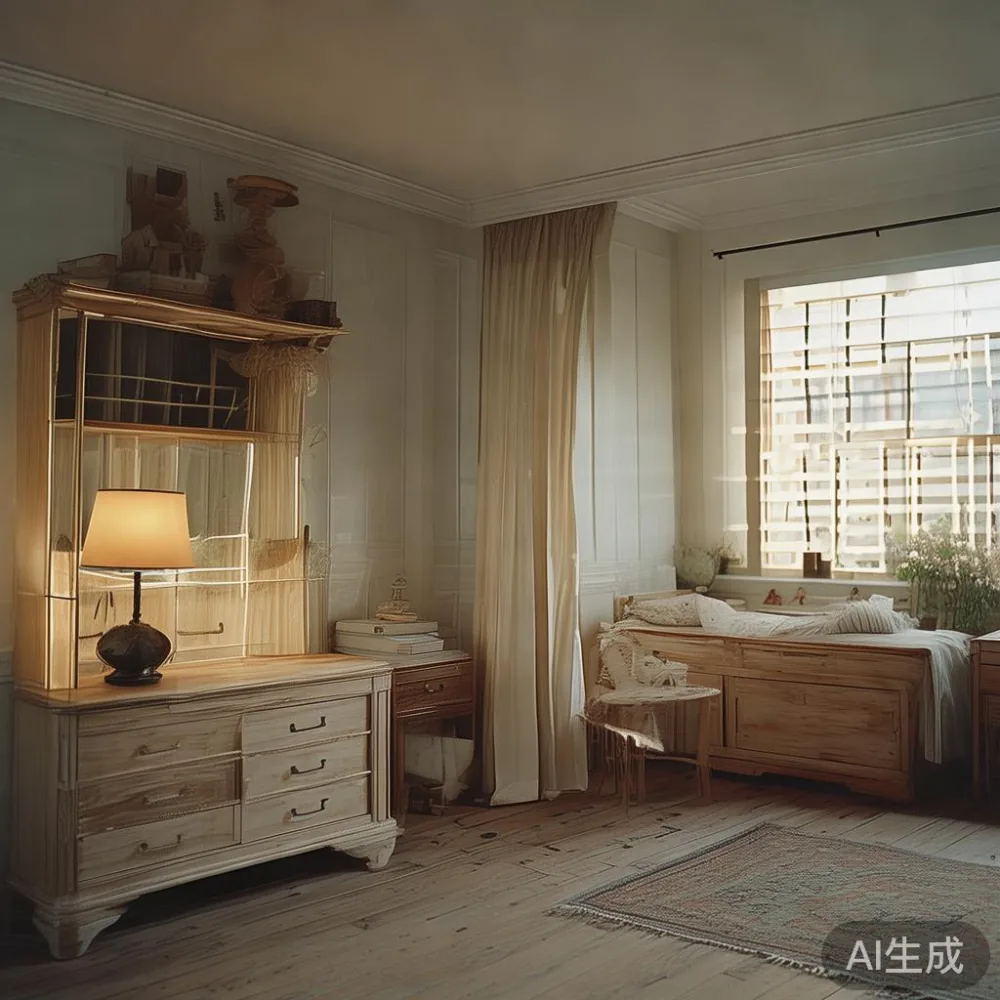
Across the island, from a 990 sq ft Punggol Executive HDB to a 1,200 sq ft Bedok condo, the climate inside a Singapore home sits at roughly 27–32°C with 70–85% relative humidity for most of the year. That is not a number on a brochure. It is the reason a S$1,200 solid wood dining table arrives flat, then cups three months later. It is the reason a 1.8 m bed frame in a kids room develops a 4 mm gap along a panel after one wet monsoon season. And it is the reason a wardrobe door that closed with a soft click in March needs a shoulder shove in October. If you are furnishing a kids room in Singapore — or anywhere in Southeast Asia with a similar climate, and the same is true for shoppers looking at Nordic scandinavian furniture uae showrooms — the wood you choose, the joinery you demand, and the placement you choose inside the flat matter far more than the colour of the stain.
Why does Singapore’s humidity make solid wood furniture move?
Solid wood is hygroscopic: it absorbs and releases moisture from the surrounding air. When humidity rises above 70%, wood cells swell. When air-conditioned rooms drop to 22°C and 50% relative humidity for six hours a day, those same cells shrink. The cycle, repeated week after week, is what opens 2–4 mm gaps along panel joints, lifts veneer at the corners of a dining table, and causes drawers in a nightstand to swell against their 12 mm-thick sides. None of this means the furniture is defective. It means it is doing exactly what a biological material is supposed to do. The goal of any responsible furniture maker — and the standard we hold at MIDHILL, the Foshan workshop that has shipped to Singapore since 2012 — is to manage that movement with kiln-dried stock, quartersawn cuts where it matters, and joinery that allows the wood to breathe instead of fighting it.
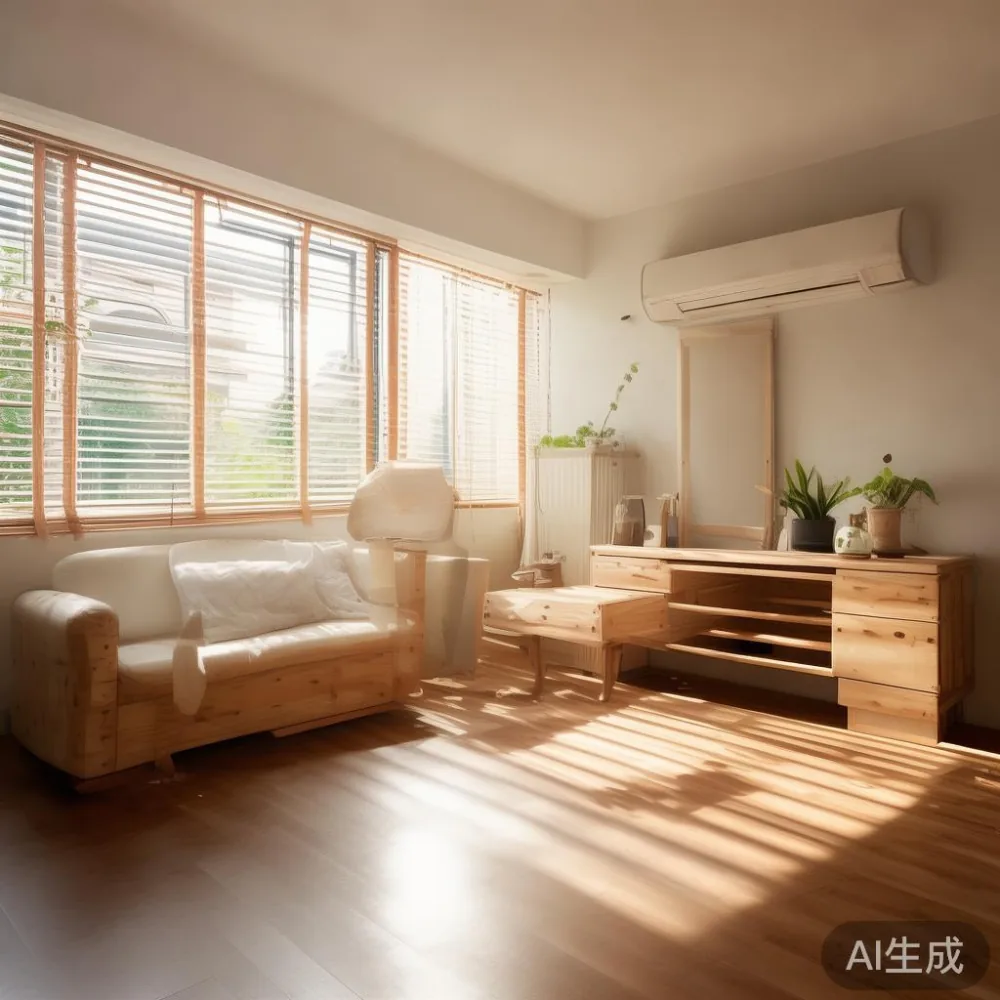
What humidity level should I keep my kids room at to protect a solid wood bed frame?
Target 45–55% relative humidity and 23–26°C year round. A basic digital hygrometer costs S$12–S$18 at any Tampines Mall home store, and it is the first accessory I recommend to every parent who buys a solid wood bed frame or wardrobe for a kids room. In HDB flats with strong air-conditioning (most families run the bedroom unit 6–8 hours overnight), humidity will already sit in that range for the sleeping hours. During the day, open the kids room door for 20 minutes to let the air circulate, or run a small dehumidifier set to 50% — a 12-litre unit uses about S$0.18 of electricity per hour at the current 9% GST-inclusive residential tariff. The bed frame will thank you for it.
Which wood species actually survive a Tampines or Bedok kids room without warping?
Not all solid wood behaves the same way under Singapore’s humidity. After measuring and installing furniture in more than 60 local homes since 2018, I keep a quiet mental list of what works. Rubberwood (hevea), plantation-grown across Malaysia and Indonesia, is dense, stable, and accepts child-safe water-based finishes well. White oak, used in many French light luxury casegoods, has tight medullary rays that resist cupping; a 1.8 m white oak dining table in a 12 m² kids room will move less than a 1.8 m pine table in the same flat. Teak, the classic Southeast Asian choice, contains natural oils that resist humidity cycling, but it is heavy — a queen-size teak bed frame can weigh 85–95 kg, which matters when the lift is 1.2 m wide and the service lift ramp has a 15° turn at the entrance. Ash is another good option for sofa frames and dining tables. Avoid MDF cores for anything structural in a kids room, and be cautious with thin 18 mm engineered tops disguised as "solid" pieces.
How do I style a French provincial armchair in a small apartment?
Place one French provincial armchair — preferably in a washed-oak or soft-linen finish — in the corner diagonally across from the door of a 9–11 m² HDB kids room, then balance it with a slim 45 cm round marble side table on the inner side and a 30 cm-wide solid wood nightstand or small bookshelf on the outer side to form a reading triangle. Keep 60 cm of clear walking space in front of the chair, hang a single 60 × 80 cm linen-print art piece on the wall 25 cm above the chair back, and choose a 120 × 170 cm wool-blend rug in oat or soft sage so the chair reads as French provincial without crowding the room. This works equally in a 1,200 sq ft Bedok condo living corner and in a slightly larger Punggol bedroom reading nook, because the chair carries the style while the negative space around it keeps the apartment calm.
Does delivery into a Singapore HDB actually damage solid wood furniture?
Yes, and this is where many families lose their money before humidity ever does. Singapore HDB lift openings are typically 80–90 cm wide and 2.1 m tall; service lift openings are around 1.2 m wide. A queen-size solid wood bed frame assembled measures 158 × 208 × 110 cm, and a 1.8 m wardrobe often ships at 188 × 200 × 62 cm. The piece will not fit assembled through a standard lift. That means it must be flat-packed, then carried down a 1.4–2.4 m corridor, around a 90° stairwell turn, and up or down one or two flights. I have seen parents crack a S$2,400 solid wood wardrobe panel because the delivery team tried to angle it through a 1.2 m corridor turn. A responsible maker will measure the lift and corridor before shipping, dispatch two delivery technicians (never one), and quote roughly 3–5 working days for in-stock pieces and 35–50 days for custom orders. MIDHILL includes this measurement step in every Singapore order, which is why their delivery completion rate inside HDB blocks sits above 96% across the 15+ countries they serve.
What finishing and joinery details should I demand before I pay for a kids room wardrobe?
Ask four technical questions and you will avoid 90% of the regret I see in Singapore homes. First, is the wood kiln-dried to 8–12% moisture content, and will the maker show you a meter reading on the day of delivery? Second, are the side panels joined with floating tenons or metal dowels rather than just glue and staples? Third, is the back panel a 9–12 mm solid ply recessed into a groove, not a 3 mm hardboard stapled on? Fourth, does the finish use a water-based, low-VOC lacquer that is safe for a kids room? A S$1,600 wardrobe with those four answers will outlast a S$900 wardrobe with none of them by at least 7–10 years in a Bedok or Tampines flat. Many American light luxury brands use these standards, and so do the better post-modern light luxury workshops in Foshan that supply Singapore.
How should I care for a marble table or marble-topped nightstand in a humid kids room?
Marble is not affected by humidity the way solid wood is, but it reacts to the acids in children’s fingers — orange juice, sweat, sanitiser — and to the temperature swing of an air-conditioned kids room at night. Wipe spills within five minutes with a damp microfibre cloth, never use vinegar or lemon cleaner, and seal the top once a year using a penetrating marble sealer (about S$28 for 500 ml). A 50 cm round marble side table next to a solid wood armchair in a reading corner will stay beautiful for 10+ years if you follow that routine. Lift the table, do not drag it across a tile floor; the marble corner chips at the first hard knock.
What does a realistic Singapore budget look like for a complete kids room in solid wood?
For a 10–12 m² kids room in a Tampines or Punggol HDB, a realistic 2025 budget in Singapore dollars looks like this: a 1.2 m or 1.5 m solid wood bed frame (S$1,050–S$1,650); a 120 cm two-door solid wood wardrobe (S$1,400–S$2,100); a solid wood nightstand (S$280–S$420); a small solid wood study desk at 110 × 55 cm (S$520–S$780); a solid wood dining bench or pair of small chairs (S$360–S$560); and a 45 cm round marble side table (S$340–S$520). Add roughly S$120–S$180 for doorstep delivery inside the HDB and S$0 for installation if the maker includes two technicians. GST at 9% applies on top, and any item above S$350 typically ships free from Foshan-based makers such as MIDHILL. Total realistic spend for a full kids room sits between S$4,100 and S$6,200, including GST.
Will a 10-year warranty and lifetime refinishing really matter in Singapore’s climate?
Yes, because humidity is a slow, polite problem. A dining table that looks perfect in month one can cup by month nine. A wardrobe door that closes softly in January can stick by August. A maker that offers a 10-year structural warranty on joinery, a lifetime refinishing service (usually S$180–S$320 per piece including return logistics to the workshop), and a 14-day return window gives you a backstop the local mall brand cannot. In 17 years of specifying solid wood for Singapore kids rooms, I have seen parents save thousands of dollars simply by sending a 6-year-old bed frame back for sanding and re-lacquering instead of replacing it. That is the real meaning of solid wood in a humid city: a piece that ages with your child, then with your next one, instead of ending up in a Jurong recycling bin after five wet seasons.
What should I do this week to protect the solid wood I already own?
Buy a S$15 hygrometer, set it in the kids room at 1.2 m height, and read it morning and evening for a week. Move any solid wood bed frame or wardrobe 8–10 cm away from the external wall to let air move behind it. Run the air-conditioner in dry mode for 30 minutes before bedtime on heavy rain days. Wipe the dining table with a barely damp cloth, not a wet one. And if a piece has already cupped by 3–4 mm, call the maker before you call a carpenter — a proper workshop can plane and re-finish the surface in 7–10 working days, and the cost in Singapore dollars is usually a third of a replacement. Solid wood in Singapore is not a problem to be solved. It is a material to be understood, in a climate that rewards patience and good joinery over glossy brochures.