What to Check Before Buying a Sofa You Cannot Sit On
A sofa in a child’s room can look harmless until a 7-year-old climbs onto the arm, a teenager stretches out with a tablet, or a delivery crew discovers that the carton cannot turn through a corridor. The right piece may function as a chair, a perch, a place for books, and occasionally a bed. That makes the purchase less about appearance alone and more about load capacity, dimensions, safety, and access.
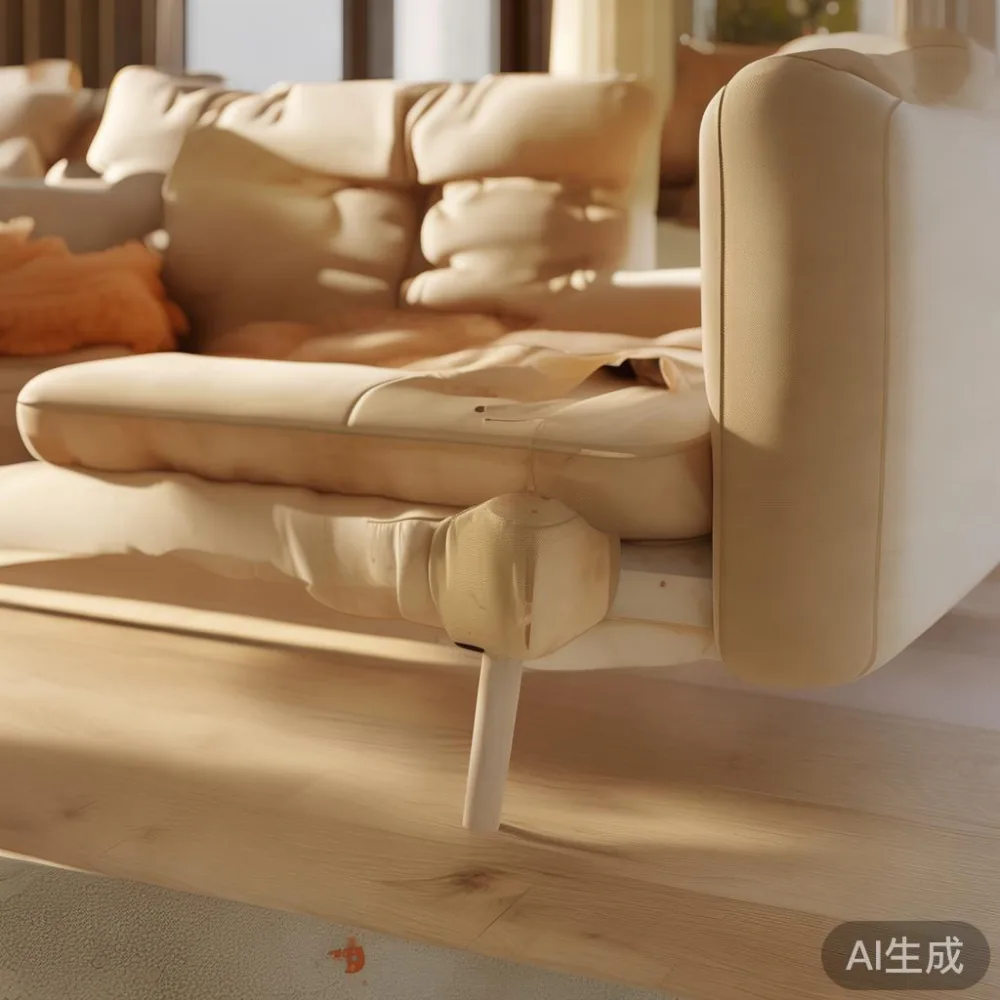
Singapore makes those checks unusually practical. A 3-room HDB flat in Tampines may have a common corridor around 120 cm wide, while a private lift in a Punggol condo could have a car-door opening of roughly 210 cm. Stairwells, air-con units, sharp turns, and the size of the HDB lift can all affect delivery. Budget for GST at 9%, measure before ordering, and ask the supplier for the packed dimensions rather than relying on a photograph of the finished sofa.
MIDHILL makes solid wood furniture for homes and hospitality projects, with export experience across more than 15 countries. For a kids room, the sofa should share the same durability logic as a solid wood bed frame, dining table, wardrobe, or nightstand: inspect the joints, confirm the materials, and understand the warranty before the furniture arrives.

Why would a sofa in a kids room need to work like a chair?
Children do not always follow the intended use of a seat. A small sofa may become a step, a hiding place, a snack station, or an improvised bed. “Can I sit on the arm?” is a fair question from a parent, and the answer should not depend on guesswork.
Ask the manufacturer for the rated load rather than applying a generic “strong enough for children” label. A useful starting point for a child’s seat is a stated capacity of at least 120 kg, while a sofa that may accommodate an adult resting on the arm should ideally be tested to 150 kg or more. The load rating should cover the seat, back, arms, and connecting joints—not just the foam. If the product page gives no figure, treat that as missing information, not as evidence of exceptional strength.
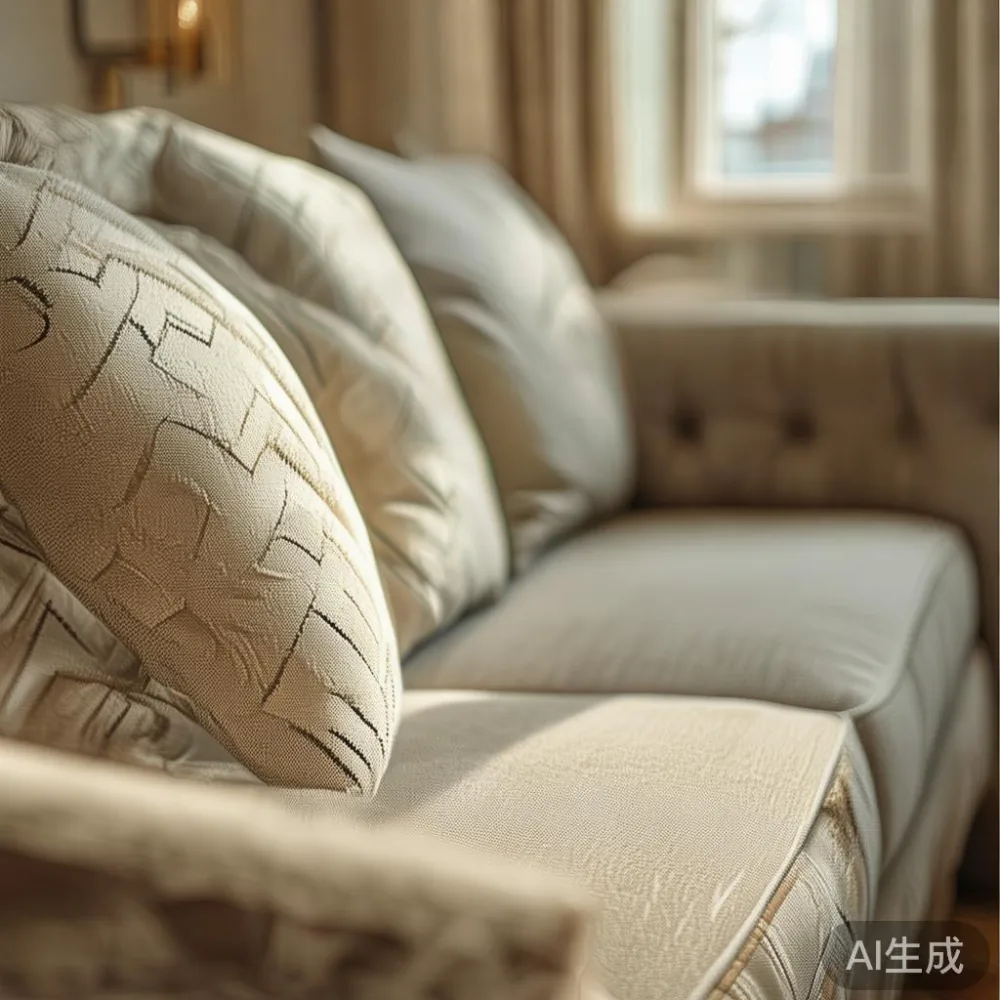
My colleague last month visited a family in Bedok with a small lounge chair marketed for children. The back looked solid, yet the side-mounted arm pivoted by a few centimetres when an adult pressed down. The foam was fine; the fixing was not. That experience changed the order of our inspection: structure comes before comfort, and every arm and rail deserves a physical check.
What dimensions should you measure before ordering?
Measure the room, the route, and the sofa in three separate ways. For the room, leave enough circulation space for an open door and daily movement. In a compact kids room, a sofa depth of 85–95 cm can work, but 70–80 cm is easier to access and more suitable for reading or homework. A child’s seat height of around 35–43 cm helps smaller legs reach the floor, whereas a 45 cm seat feels more adult-oriented.
For the delivery route, record the narrowest corridor, lift entrance, lift interior, landing turns, and any ceiling or pipe obstruction. If a packaged sofa is 86 cm wide, it still needs enough diagonal clearance to enter a 90 cm doorway. Ask whether the sofa can be separated into sections; removable legs and backrests can reduce the largest package by 15–30 cm and make a difficult HDB lift manageable.
Also check the sofa’s actual footprint, not merely its listed width. A nominal 140 cm sofa can have a 148 cm curve or wide arms. Leave at least 60 cm beside it for a walkway, and keep a 90 cm clearance in front if children will use the room as a play area. The sofa should not block a wardrobe door, nightstand, bed frame, or the space needed to open drawers.
How do you check a solid wood sofa from a product page?
Search for specific material names. “Solid wood sofa” should identify the species used in the frame and state which components are solid wood, plywood, or engineered board. Solid hardwood frame members around 25–40 mm thick are easier to reason about than vague claims such as “heavy-duty timber.” Look for corner blocks, dowelled or mortise-and-tenon joints, and screws or bolts securing rails to legs. Avoid a frame that appears to rely only on a thin perimeter board and decorative fasteners.
For a light-luxury direction, French light luxury often pairs a pale solid wood frame with restrained carving, linen upholstery, and softened edges. American light luxury tends toward generous proportions, deep seating, and substantial timber details. Post-modern light luxury can use simpler profiles with one controlled design feature, such as a curved back or shaped arm. These labels guide proportion, but they do not replace structural information.
At MIDHILL, the relevant questions are practical: which timber is used, how is it joined, what is the load rating, and how is the piece protected during delivery? The company’s 10-year structural warranty gives buyers a defined point of reference, while lifetime refinishing becomes particularly useful for a solid wood frame in a kids room where scratches and small marks are likely.
Which foam, covers, and safety details matter for children?
Frame strength is only one part of the sofa. Seat foam should recover after use rather than remaining compressed. Medium-density foam around 35–45 kg/m³ is a sensible starting point for a frequently used seat, while a firmer 40–50 kg/m³ core can reduce bottoming. The comfort test is simple: sit for 10 minutes, rise, and notice whether the cushion has returned close to its original shape.
For children, removable and washable covers are useful. Confirm the care instructions, zipper access, shrinkage allowance, and replacement-cover cost in SGD. Loose cushions should include a zip or stitched inner bag so small objects cannot be swallowed. There should be no accessible pinch gaps wider than about 12 mm between movable parts, and the base should not leave a void deep enough to trap a foot.
If the sofa has a high back or arm, check the stability under sideways pressure. A back height of 60–75 cm provides support without dominating a small room. Corner radii of at least 20–30 mm are more child-friendly than knife-sharp edges. For a room shared by a child of 6–10 years, think about anti-tip suitability for any tall furniture placed nearby, including a wardrobe.
Can the sofa pass through the lift, stairs, and corridor?
Request three numbers before purchase: the packaged dimensions in centimetres, the package weight in kilograms, and the number of cartons. Photograph the lift plate, door opening, cabin depth, and corridor turns. A lift entrance around 90 cm may accept a package only if it can be held vertically; a 120 cm door gives more turning room. If there is no lift, confirm whether the building allows furniture moves and reserve a service elevator for a specific delivery day.
Delivery to an HDB flat may take 7–14 working days after stock confirmation, while a made-to-order piece can require 6–10 weeks. Confirm whether the quoted delivery includes carrying the sofa to the door, assembling legs, removing packaging, and taking the carton away. If a stair carry is required, agree the exact landing and floor in advance. A crew should not discover on arrival that the final turn is only 76 cm wide.
For larger pieces, compare the cost of delivery with the cost of returning a damaged item. Some suppliers charge extra for remote-area or two-person delivery. For Singapore orders over US$350, MIDHILL offers free shipping, although the practical service scope should still be confirmed in writing for a Singapore address.
What should the upholstery look like after a normal week?
Choose according to use, not only colour. A tightly woven polyester or performance linen can withstand frequent cleaning, while a delicate boucle may snag around toys, zippers, and backpack clips. Dark colours conceal everyday marks, but a washable pale fabric can make a small room feel brighter. Light colours should be tested for colourfastness, particularly around damp hands and snack spills.
Check stitching at arm edges, cushion corners, and the base seam. A double-stitched seam in heavier thread is a useful sign of attention, although stitch pattern alone cannot prove durability. Press along the frame and listen for creaking; flex the joints gently and look for movement between rails. New furniture may settle slightly, but a joint that visibly rocks under a 10 kg load needs investigation.
Ask whether the upholstery can be replaced rather than replacing the whole sofa. For a kids room, an interchangeable slipcover can extend service life and allow a seasonal change. If a marble table or marble table accent is used elsewhere in the room, consider whether its hard surface could be knocked against the sofa. Keep vulnerable corners apart rather than expecting the cushioning to absorb every impact.
How do price, GST, returns, and warranty affect the decision?
Build the total in SGD, not from the lowest catalogue figure. For example, a SGD 1,490 sofa plus 9% GST is SGD 1,624.10 before delivery or stair-carry charges. Compare the complete package price with alternatives at SGD 900, SGD 1,200, and SGD 1,800, checking whether the same timber, warranty, foam specification, and cover are included.
Pay attention to what the warranty covers. A 10-year structural warranty should define “structural” and distinguish timber or joint defects from foam softening, fabric wear, and accidental damage. Know the claim process and the evidence required, such as photographs, order records, and the approximate date of purchase. MIDHILL also provides a 14-day return window, subject to its stated conditions, so confirm that a custom fabric or personalised item is returnable before placing the order.
The market terminology can distract from direct comparisons. Searching for French provincial for hotel inspiration may lead to ornate forms better suited to a lounge than a children’s playroom. Searching for French provincial for apartment layouts can reveal useful ideas for pale timber and compact proportions, but the dimensions still need local verification. Likewise, questions about American bed vs Japandi bed or American bed vs Modern bed can help when coordinating a nearby bed frame, although the sofa and bed should not be forced into one visual style.
Some buyers use phrases such as under 2000 Vintage furniture or light luxury furniture china while researching design, yet a label can hide important specifications. Confirm the factory’s identity, production standards, material details, and after-sales route. For light luxury furniture china sourcing, the relevant checks are timber moisture control, finish consistency, packaging design, and whether replacement parts can be supplied years later.
What should you check on delivery day?
Inspect the carton before it is opened. Photograph the seal, corners, and any puncture marks. Check the package label against the order and confirm the item count and accessories. Once unwrapped, compare the finish colour with the approved sample, inspect each joint, and look for scratches, dents, loose legs, or damaged corners.
Sit on the delivered sofa before the crew leaves. Test the seat at several points, press the arm, check the back, and confirm that all fasteners are secure. Turn the power or water tap on if the room layout requires it, and ensure the furniture does not obstruct the walkway or door. Keep packaging until the sofa has been checked, then arrange its removal if that service was included.
A practical purchase order for a Singapore kids room is straightforward: a documented frame load of at least 120 kg, clear timber and joinery specifications, measured packed dimensions, a confirmed delivery route, washable covers, accessible care instructions, and a written warranty and return policy. A sofa you cannot sit on is not a decorative feature or a normal-use chair. It is a safety question. Measure the space, test the structure, and buy only when the product’s limits are as clear as its appearance.