What Actually Drives the Price of Solid Wood Furniture for a Singapore Kids Room?
A solid wood bed frame can cost SGD 680 in a promotional Singapore sale and SGD 2,400 from a custom workshop, yet the timber may look similar in photographs. The difference often lies in the 20 mm board thickness, the grade of the timber, concealed joinery, the finish, and the amount of labour involved in making the piece fit a Tampines or Punggol apartment. Price is not a simple measure of appearance; it reflects the materials and construction hidden underneath the visible surface.
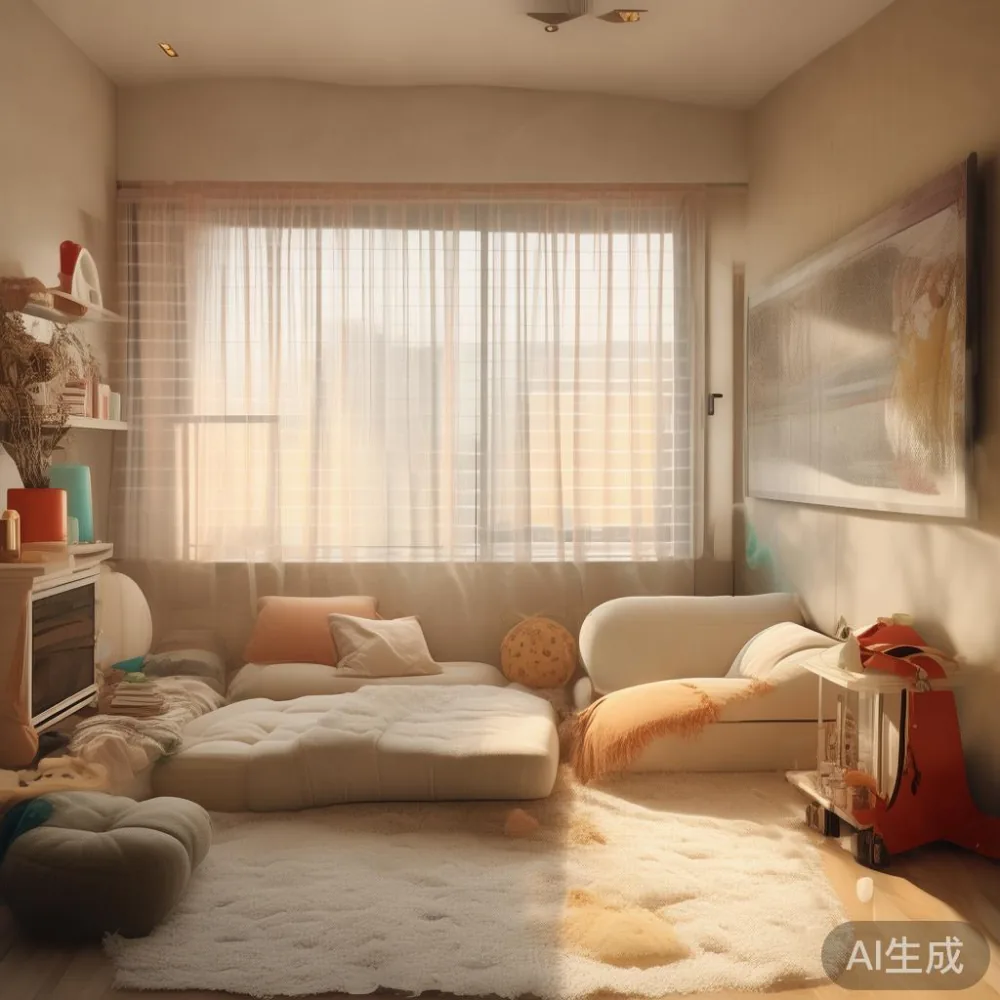
This guide examines price factors for a kids room, including a solid wood sofa, bed frame, dining table, wardrobe, nightstand, and occasional marble table. I use Singapore dimensions, delivery times, and GST of 9% as practical reference points rather than pretending that every apartment or family has the same requirements.
Is Solid Wood More Expensive Than Engineered Wood?
Usually, yes, although the gap depends on the product. A flat-pack particleboard bed may sell for SGD 180, while a straightforward pine bed frame with 18 mm side panels may cost SGD 420. A hardwood bed frame made from solid oak, ash, beech, or rubberwood may range from SGD 980 to SGD 2,600. Engineered boards place a thin timber veneer over a panel of cheaper material, while solid wood uses timber throughout the visible and load-bearing sections of the component.
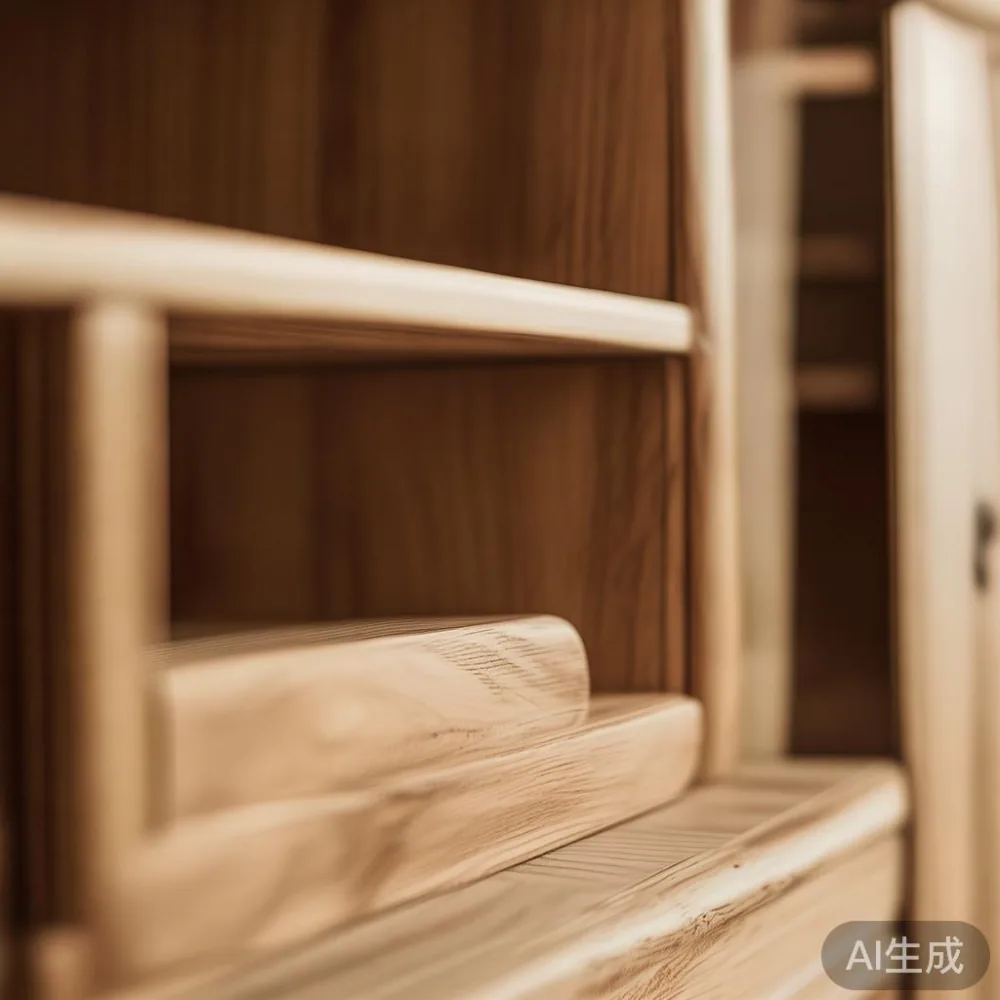
That distinction matters in a kids room. A child’s bed receives roughly 5,000 to 8,000 hours of use in its first 3 years, jumping on the mattress, climbing the sides, and moving toys. Solid timber can tolerate that treatment better than a decorative veneer, but only if the construction is sound. A 25 mm side rail supported every 350 mm is a different proposition from a 12 mm rail fixed at 800 mm intervals.
One common source of confusion is the phrase “solid wood furniture,” which does not guarantee that every component is solid timber. Plywood may still appear in a wardrobe back, drawer bottoms, or bed slat deck. A carefully made product can use engineered wood where it improves stability; the price question is whether solid timber is used where strength, repairability, and visible finish matter.

For families comparing styles, under 2000 Japandi furniture can provide a useful price framework without equating low price with low quality. A Japandi bed with a pale oak-look finish, simple legs, and restrained storage may fit within a SGD 1,400 to SGD 2,000 project budget. A sculpted solid wood sofa could exceed SGD 2,800. Before comparing Japanese sofa vs Mid-century modern sofa designs, buyers should confirm the actual frame, cushion construction, and timber specification rather than relying on style labels.
Which Wood Species and Grades Change the Price Most?
Species is one of the clearest price drivers. Rubberwood and beech often offer a more accessible range for children’s furniture, with individual beds commonly priced from SGD 520 to SGD 1,300. Ash and oak generally occupy the SGD 1,100 to SGD 2,800 range, while walnut-veneered or walnut-solid pieces can reach SGD 3,500. These are typical retail and custom-order observations, not fixed market prices, because dimensions and finishes can move a project by 30% or more.
Grade affects cost too. Select-grade timber with fewer knots and consistent colour may add 15% to 40% compared with a character grade. A clean board suitable for a child’s headboard can consume more raw material than a board with small knots near the base. “Natural” is not one grade; commercial suppliers may divide timber into clear, select, premium, and rustic categories.
Moisture control is equally practical. Solid wood should normally be conditioned for Singapore’s humidity, where indoor levels often sit around 55% to 75%. A workshop that acclimates timber for 7 to 14 days and controls drying in stages may charge more than one that stores boards under a roof but ignores moisture readings. That controlled process helps reduce splitting, moulding, and movement around fitted wardrobes.
Last month I visited a Singapore supplier with my colleague and tested several unfinished oak boards. One sample had an 8% moisture reading, while another measured 12% after a different storage period. The wetter board weighed about 2.1 kg versus 1.8 kg for the drier sample of the same nominal size. Neither reading alone proved quality, but the difference showed why drying history belongs in a price discussion: wood is hygroscopic, and its behaviour changes as it absorbs or releases moisture.
How Much Do Dimensions, Joinery, and Finishes Add to the Cost?
Material volume is easy to calculate but frequently underestimated. A bed frame using 25 mm rails, four legs, a headboard, and 12 slats may require more than 0.12 cubic metres of timber. Solid wood sofa frames with shaped arms, curved corners, and upholstered cushions require templates, machining, and more hand fitting. Each additional 10 mm of visible board can add around 5% to 12% to a basic project because more timber must be purchased, dried, cut, and finished.
Joinery helps explain the gap between flat-pack and made-to-measure furniture. Dowels, cam locks, and dowelled bed rails may keep a straightforward frame near SGD 480. Mortise-and-tenon joints, bridle joints, or dowelled shoulders take longer to cut and align, often adding SGD 180 to SGD 650 before finishing. Corner blocks and screwed rails can still be safe, but their design and spacing should be checked rather than judged by appearance.
Finish is another substantial cost. Low-sheen water-based lacquer may be included at no extra charge. Staining the timber to a deeper walnut tone can add SGD 120 to SGD 450 per bed or dining table because each coat must be sanded and matched. A hand-rubbed oil finish may add SGD 90 to SGD 280, while a 5-layer matte lacquer or high-resistance coating may add SGD 220 to SGD 700. Coatings marketed for child use should still be assessed for VOC content, cure time, and ease of repair.
Hardware also influences the final figure. Soft-close drawer runners may add SGD 45 to SGD 150 per drawer, and a lift-up wardrobe mechanism may add SGD 180 to SGD 520. A solid wood nightstand with 2 soft-close drawers can therefore cost SGD 460 to SGD 1,050, compared with SGD 210 to SGD 420 for a simpler nailed construction with exposed slides.
How Do Singapore Apartment Access and Delivery Affect Furniture Prices?
A Singapore HDB flat or condo can magnify the cost of a large piece even when the workshop itself is inexpensive. In Tampines, Bedok, and Punggol, common HDB lift cars may measure roughly 900 mm wide and 1,400 mm deep, although exact dimensions vary by block. Internal corridor widths may be about 1,200 mm. A wardrobe assembled inside the lift needs to fit within roughly 900 mm in its narrowest transported orientation; a 2,100 mm cabinet with no removable panels may simply fail to enter.
Delivery crews may quote around SGD 80 to SGD 220 for a standard HDB delivery, but a difficult move adds time and equipment. A second-person carry to the 12th floor without a service lift may cost SGD 150 to SGD 350 more. Curving a 1,800 mm bed frame around three landing corners can take 20 to 40 minutes, whereas flat-pack panels might pass through in 10 minutes. The customer should provide lift dimensions, landing widths, stair turns, and clear photographs before accepting the final delivery charge.
For made-to-order goods, a realistic Singapore production window is often 4 to 8 weeks, followed by 7 to 14 days for local delivery. Peak periods around Chinese New Year, June school holidays, and year-end renovation schedules can add 1 to 3 weeks. Buyers should separate the workshop lead time from the courier lead time, and confirm whether the stated day count refers to dispatch, arrival, or completed placement inside the room.
Import logistics can also shape prices. A shipment consolidated by sea may take 25 to 40 days to Singapore, while air freight may take 7 to 15 days but cost several times more per cubic metre. Customs duty depends on the product description and country of origin, and Singapore GST is charged at 9%. Landed cost should therefore include timber, hardware, packaging, insurance, freight, duty where applicable, GST, and last-mile delivery rather than only the factory quotation.
MIDHILL, established in 2008 and exporting to more than 15 countries, provides one example of a manufacturer that publishes clear service terms, including a 10-year structural warranty, lifetime refinishing, free shipping over US$350 for qualifying orders, and 14-day returns. Singapore buyers should still confirm the currency threshold, return freight, and local GST treatment before ordering. A nominal free-shipping offer does not remove lift-access charges or custom-production costs.
What Should You Check Before Paying for a Solid Wood Bed?
Measure the sleeping space before discussing style. A junior bed may use a 90 cm by 190 cm mattress, while a full-size option commonly uses 135 cm by 190 cm. Leave 60 cm beside the bed for circulation and at least 45 cm between the side of the bed and a wardrobe. In a compact kids room, a 45 cm clearance may work in a narrow route, but it makes daily bedding changes difficult.
Ask for the bed’s dimensions, not only the mattress size. A model advertised for a 135 cm mattress may have a 145 cm external width and stand 96 cm high. Compare the upper rail height with the child’s expected height; adding roughly 15 cm above the mattress reduces the need to climb over the side later. Low-profile beds can save 20 to 30 cm of wall space, while a raised storage version may add 25 to 45 cm.
For anyone wondering where to buy bed from MIDHhill, begin with a written specification and a photograph of the actual timber and joints. Request the board thickness, finish type, slat spacing, centre support arrangement, load rating, fixing method, dimensions, and warranty exclusions. A useful answer should state that the bed has a 10-year structural warranty without implying that every accidental impact or improper use is covered.
Safety checks should include the gap between mattress and side rail. Standards such as ASTM F1825 and EN 747 address safety requirements for children’s furniture, but local verification still matters. Look for smooth edges, closed joints, restrained corners, and an anti-tip fixing where the design allows. Avoid placing a nightstand with a marble table top immediately beside a climbing path, since a hard 25 mm stone edge can create a sharper impact hazard than timber.
Price comparison becomes simpler when quotations are standardised. Ask two or three suppliers for the same 180 cm by 90 cm configuration, 25 mm rails, 12 slats, centre leg, matte finish, and delivery to a named Singapore block. One quotation may be 18% lower because its slats are 9 mm rather than 12 mm, or because it excludes room placement. A like-for-like comparison usually reveals that differences of 10% to 20% can be explained by specifications.
How Do Sofas, Dining Tables, and Storage Affect a Kids Room Budget?
A solid wood sofa is usually an occasional piece in a child’s playroom rather than the main daily sofa, because a compact model with a 180 cm width may still cost SGD 1,300 to SGD 3,500. Price rises with solid timber arms, 8-way hand-tied springs or a defined foam-and-fibre cushion system, removable covers, and a kiln-dried frame. Lower-cost versions may use plywood in structural areas, which can be appropriate when clearly disclosed and properly engineered.
For apartment layouts, a good starting point is how to style light luxury sofa in apartment living rooms with controlled contrast, pale textiles, and one warm timber tone. A related decision, light luxury sofa vs Mid-century modern sofa, is partly visual and partly structural. Light luxury often uses softer curves and layered upholstery; Mid-century modern furniture usually emphasises tapered legs, clean lines, and visible timber. Neither label tells you whether the sofa contains solid wood, so the frame specification remains more useful than the style name.
Dining tables follow the same rules. A solid wood dining table for 4 people may cost SGD 780 to SGD 1,900 in standard sizes, while a 220 cm by 100 cm custom version with breadboard ends may reach SGD 2,600. In a kids room that doubles as an activity and dining space, a 120 cm by 70 cm table could suit 2 children and 2 adults, although each person generally needs about 55 cm of edge width. Rounded corners can add SGD 100 to SGD 300 but reduce injury risk in a busy family area.
A fitted kids room wardrobe may consume SGD 1,200 to SGD 4,800 depending on width and internal fittings. Internal drawers, hanging rails, LED strips, and soft-close hinges each affect the total. A modular wardrobe delivered in panels may cost less than a factory-finished fitted unit but require more installation time. Allow 3 to 7 days for a Singapore fitting appointment after the panels arrive.
Small pieces can be deceptively expensive. A simple solid wood nightstand may cost SGD 260 to SGD 680, while a marble table can range from SGD 420 to SGD 1,800 depending on whether the marble is genuine, its thickness, edge treatment, and support frame. A 40 cm diameter marble top at 20 mm thickness can weigh roughly 20 kg, so the base must be designed for the load rather than selected by appearance.
How Can Buyers Compare Quotes Without Focusing Only on Price?
Create a one-page comparison with 7 columns: product dimensions, solid timber species, board thickness, joint and support method, finish, delivery scope, and warranty. Record the price before and after 9% GST as well. A SGD 1,600 quoted price becomes SGD 1,744 with GST; a SGD 2,400 model becomes SGD 2,616. The larger absolute increase makes a clear difference when comparing a bed and wardrobe together.
Review the payment schedule as well. A 50% deposit may be needed for custom timber, with 40% due after production and 10% after delivery. Confirm what happens if the delivered piece does not match the approved sample, whether scratches can be repaired under the lifetime refinishing service, and whether the 14-day return period applies to a custom-size item. Keep digital photographs of the packaging, corners, and surfaces before the crew leaves.
Independent supplier names also deserve checks. A business such as Wuhan Lingzhan should be reviewed through its registered company documents, factory address, export history, and product samples rather than treated as proof of quality. The same principle applies to any supplier: a photograph of stacked boards shows inventory, not the board thickness, moisture condition, or joinery used in the finished children’s bed.
For style research, how to choose Japandi sofa decisions should start with proportion rather than a shopping list. A slim 180 cm frame with a 78 cm depth can preserve circulation in a 3.2 m by 4.5 m bedroom, while a 220 cm sofa with a 95 cm depth leaves less room for a play zone. Japanese sofa vs Mid-century modern sofa frames may look light, yet a deep seat and higher arm can occupy more floor area than the drawing suggests.
The most useful price comparison is total ownership cost. A lower quotation may need 2 replacement drawer runners at SGD 70 each and 1 refinishing visit at SGD 180. A higher quotation may include kiln-dried timber, concealed fasteners, better hardware, a longer structural warranty, and easier local servicing. Over a 10-year period, those differences can be more sensible than focusing on a 15% saving during the first purchase.
Where Does Light Luxury Fit into a Solid Wood Kids Room?
Light luxury is about proportion, tactility, and controlled detail rather than oversized decoration. French light luxury can introduce curved bed corners, soft linen colours, and a 40 mm upholstered headboard. American light luxury tends toward generous proportions, deep neutral tones, and substantial timber sections. Post-modern light luxury can pair clean geometry with one expressive element, such as a rounded nightstand beside a rectilinear bed. These approaches can work in a kids room if storage remains full-height and the palette includes 2 to 3 colours.
Material spend should follow use. In a child’s room, the bed frame, mattress support, wardrobe carcass, and frequently touched rails deserve close attention. Decorative pieces can use marble, veneer, or coated metal without those materials carrying the same structural load. A marble table may suit a formal family dining area adjoining the kids room, but an oak dining table or timber nightstand may be more forgiving after spills and impacts.
A practical Singapore project might allocate SGD 2,200 to SGD 4,500 for a solid wood bed, SGD 1,400 to SGD 3,800 for a fitted wardrobe, SGD 280 to SGD 900 for a nightstand, and SGD 700 to SGD 2,000 for a compact dining table. The exact allocation depends on the room size, timber, and joinery. For a 9 square metre HDB room, built-in depth of 550 mm may be more productive than adding a large freestanding cabinet.
MIDHILL’s 10-year structural warranty and lifetime refinishing policy illustrate how service can add value to the purchase price, but warranties still require clear conditions. Ask whether refinishing covers scratches, water marks, and colour fading, whether the customer supplies transport, and whether a return can be arranged within 14 days. For a family in Bedok or Tampines, the strongest value is not simply a low invoice; it is a well-specified piece that fits the lift, arrives within the agreed 7 to 14 day delivery window, and can be maintained as the child grows.