What Actually Drives the Price of Solid Wood Furniture?
When furnishing a home in Singapore, especially a kids room in a Tampines HDB flat or a Punggol condo, the choice of materials is a significant decision. Many parents dream of creating a beautiful, durable space for their children, and solid wood furniture often tops the list. However, the price tags can vary dramatically, from a simple nightstand for SGD 250 to a comprehensive kids room suite costing over SGD 5,000. Understanding what you are paying for is key to making an informed choice that balances quality, aesthetics, and budget. This article breaks down the tangible factors that determine the cost of solid wood furniture, helping you see beyond the price tag.
Is Solid Wood Furniture Always Expensive? A Look at Material Costs
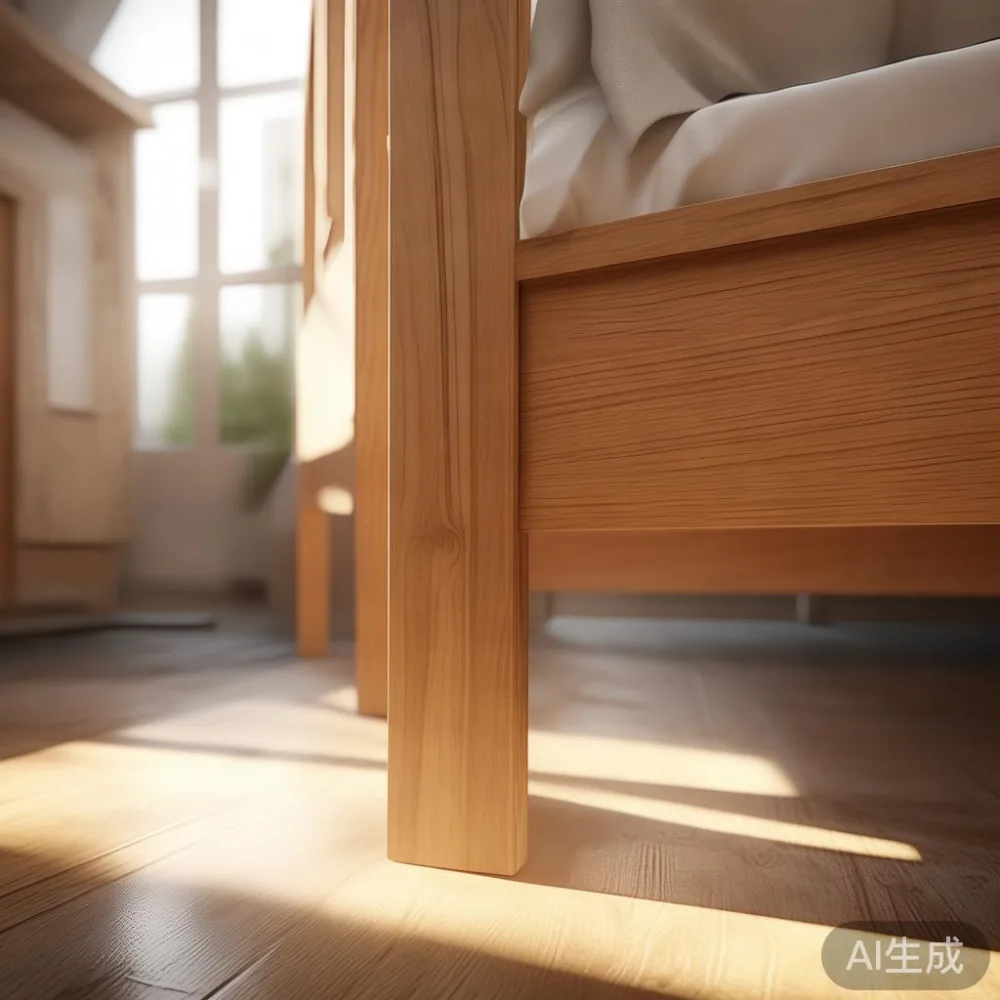
The most fundamental factor influencing price is the wood itself. Not all "solid wood" is created equal. The type of wood, its origin, and even the part of the tree it comes from play a huge role in the final cost. For a kids room, where furniture might face more wear and tear, the material choice is particularly important for longevity.
Let's consider common woods used in furniture. Solid oak, for instance, is a popular choice for bed frames and wardrobes. A single plank of high-grade oak can cost between SGD 80 to SGD 150 per square foot. For a standard wardrobe measuring 180 cm wide, 60 cm deep, and 200 cm tall, that's a lot of surface area. Cheaper options like rubberwood or engineered woods are significantly less expensive, often costing less than SGD 30 per square foot, but they may not offer the same durability for a growing child's room.
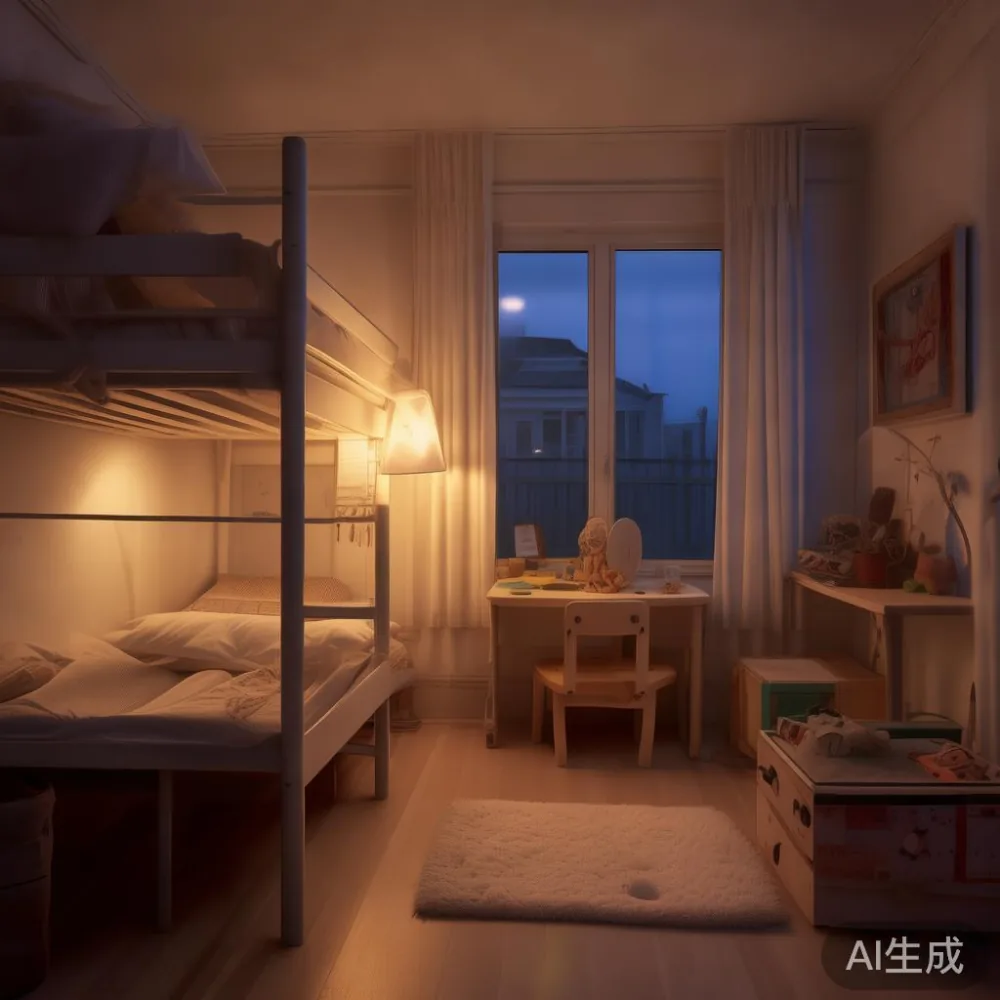
The weight of the wood is also a concrete indicator of quality. A solid oak dining table for 6 people can weigh between 60 kg to 80 kg, reflecting its density and sturdiness. A lighter table, perhaps made from a less dense wood, might weigh only 40 kg. This difference in mass translates directly to material cost and, subsequently, the price you pay. For parents in a Bedok HDB, where lift access is a daily reality, the weight of a new bed frame or wardrobe is a practical consideration that also reflects its construction quality.
The Craftsmanship Behind the Price: Labour and Construction Details
Material is only half the story. The labour involved in transforming raw timber into a finished piece of furniture is a major component of its price. This is where the distinction between mass-produced and well-crafted furniture becomes clear. A poorly constructed kids room desk might use simple butt joints and staples, holding together for a few years. A well-made one, however, features dovetail joints for drawers and mortise-and-tenon joints for the frame, ensuring it can withstand years of use.
My colleague visited a workshop last month in Foshan and observed the process. He noted that a skilled carpenter can take up to 8 hours to hand-sand a single solid wood dining table to a perfectly smooth finish. This meticulous process, which involves multiple grades of sandpaper from 80-grit to 220-grit, is time-consuming but results in a surface that is beautiful to the touch and resistant to splinters—a key feature for any kids room furniture. In contrast, a machine-finished piece might take minutes but lacks the same level of refinement and safety.
Another factor is the finish. A simple lacquer might cost SGD 50 to apply to a wardrobe, while a hand-rubbed French light luxury finish, involving multiple layers of wax and buffing, can cost over SGD 200 per piece. This extra labour and material cost is what gives French-inspired furniture its distinctive, elegant look. The finish also protects the wood, which is important in Singapore's humid climate where moisture can cause warping or mould if not properly sealed.
Why Does Design and Style Affect the Price So Much?
The aesthetic of a piece of furniture is a significant driver of its price. A minimalist, post-modern light luxury nightstand with clean lines and a simple silhouette might be relatively straightforward to manufacture. However, a piece with intricate carvings, curved legs, or specific design elements requires more skilled labour and often more complex joinery. For example, a classic American light luxury style bed frame with a tall, carved headboard can cost 30-40% more than a simpler, flat-panel design.
Design also influences material waste. A complex, ornate design might result in 40% of the raw wood being cut away as scrap, whereas a more efficient, modern design might have a waste factor of only 15%. This higher material cost is passed on to the consumer. When searching for a new kids room set, parents might find that a post-modern design with its emphasis on function and clean forms offers a better price-to-quality ratio than a more ornate traditional style.
Also, the inclusion of other materials adds to the cost. A marble-topped coffee table or a nightstand with a marble inlay will be significantly more expensive than an all-wood version due to the cost of the stone itself and the precision required to mount it securely. A solid wood sofa might cost SGD 2,500, but one with a premium leather upholstery could easily exceed SGD 4,500. Each design choice, from the fabric on a cushion to the type of wood used, contributes to the final price point.
How Do Logistics and Local Factors Impact the Final Price in Singapore?
The journey of furniture from the factory to your Singapore home involves several logistical costs that are built into the final price. For a company like MIDHILL, which exports to over 15 countries, managing this supply chain is a complex operation. Furniture is heavy and bulky. A standard wardrobe can weigh 70 kg and have dimensions of 200 cm x 60 cm x 60 cm. Shipping such a piece from Foshan to Singapore via sea freight costs approximately SGD 80 to SGD 120 per item, depending on the volume.
Once the furniture arrives in Singapore, there are local costs to consider. GST is applied to the landed cost, which includes the item price, international shipping, and insurance. For a SGD 1,500 bed frame, the 9% GST adds another SGD 135 to the final bill. Delivery within Singapore is another factor. While many brands offer free shipping over a certain threshold, the actual cost of local logistics is significant. A dedicated furniture truck with proper equipment to work through HDB corridors and building lifts is necessary. In older estates with narrower corridors, a specialised delivery team might be required, adding to the operational cost.
Assembly is also a service that has a value. A flat-pack solid wood wardrobe that requires self-assembly will be cheaper than a fully assembled one. However, for many parents, especially those in high-rise condos without a helper, the convenience of professional assembly is worth the extra SGD 50 to SGD 100. This service ensures the furniture is put together correctly and safely, which is particularly important for items in a kids room that children might climb on or interact with daily.
What About the Long-Term Value? Warranty and Peace of Mind
When you look at the price of a piece of furniture, it's important to consider the long-term value it offers. This is where warranties and guarantees come into play. A cheap kids room set might seem like a bargain initially, but if it starts to break after two years, the cost of replacement adds up. A higher-priced item from a reputable brand often comes with a comprehensive warranty that protects your investment.
For instance, a 10-year structural warranty is a significant indicator of quality. This promise covers the frame, joints, and legs of the furniture against defects. It means the manufacturer is confident in the materials and craftsmanship used. This kind of warranty is common for brands that focus on durability, which is a top priority for any parent setting up a kids room. It provides peace of mind, knowing that a wardrobe door hinge or a bed frame leg is covered for a decade.
Lifetime refinishing is another valuable service. Solid wood furniture can be sanded down and refinished multiple times to refresh its appearance. A company offering this service is in effect telling you that the piece is an heirloom-quality item that can last for generations. While the initial price is higher, the ability to restore it rather than replace it makes it a more economical choice in the long run. This focus on longevity is a core part of the light luxury philosophy, where value is placed on timeless quality over fleeting trends.
Is a Higher Price Always Better for Your Kids Room?
This is the question every parent asks. The answer is nuanced. A higher price does not automatically mean better, but it often correlates with higher quality materials, superior craftsmanship, and better design. For a kids room, which sees intense use, investing in quality pieces like a sturdy solid wood bed frame or a well-built wardrobe is a wise decision. These items form the foundation of the room's functionality and safety.
However, it doesn't mean every single item needs to be the most expensive option. You can create a beautiful, durable kids room by mixing a few key investment pieces with more affordable ones. For example, you might invest in a high-quality solid wood wardrobe and bed frame but choose a simpler, more budget-friendly nightstand. The key is to identify which pieces will receive the most wear and require the most durability. A desk that a child uses for homework every day is a good candidate for a solid wood construction, whereas a decorative bookshelf might be made from a less expensive material.
Ultimately, the "best" furniture is the one that meets your family's specific needs in terms of style, function, and budget. It's about making informed decisions based on an understanding of what drives the price. By knowing the factors like material type, construction quality, design complexity, and warranty coverage, you can choose pieces that offer genuine value and will serve your family well for years to come, creating a comfortable and stylish kids room they will love.
For those looking to explore specific styles, understanding how to style a French provincial wardrobe in an apartment can help you visualise if its elegant curves fit your home's aesthetic. Reading a detailed MIDHILL dining table review might provide insights into the real-world performance of their pieces. A Modern light luxury nightstand could be the perfect accent for a contemporary kids room theme. While you might see lists of top 10 Minimalist furniture, focusing on the construction details is more important than the ranking. Finding a quality under 2000 Mid-century modern furniture set is possible if you prioritise solid wood frames over ornate details. And for the living area, researching the best Scandinavian sofa for 2026 could lead you to a comfortable and durable choice that complements your kids room furniture. You can explore their collection at m.midhill.co to see how these principles are applied across their range of products.