Small-Apartment Styling for Singapore Homes: A Practical Kids-Room Guide
A compact HDB flat in Tampines or a narrow condominium bedroom in Bedok does not need more furniture; it needs fewer visual blocks, better proportions, and storage that earns its footprint. With HDB corridors often measuring roughly 120–150 cm and standard lift doors around 90 cm, even a well-loved solid wood dining table or bed frame can make daily movement feel awkward if it was chosen without measuring the route from the loading area to the room.
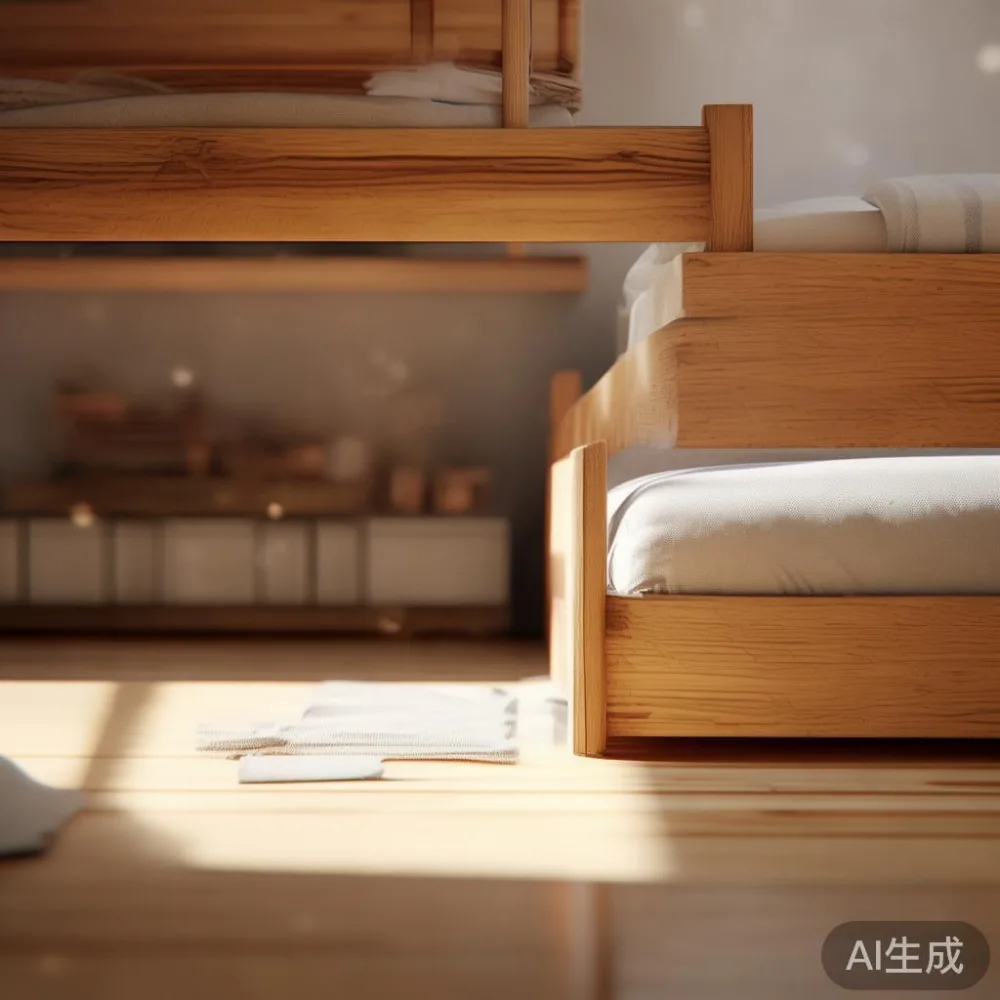
At MIDHILL, we work with solid wood furniture made for real homes rather than showroom perfection. The useful question is not whether a piece looks luxurious, but whether it still feels comfortable after a school run, a family dinner, and the daily negotiation over toys, laundry, and school bags. This guide focuses on kids-room styling, with practical room layouts and piece dimensions for compact Singapore interiors.
How do you make a small kids room feel spacious without removing everything?
Begin with the floor, not the shopping list. Keep the central path clear for at least 70 cm where possible, and do not let loose furniture occupy the narrow strip between the bed and the wall. In a typical 3 m × 3.6 m HDB bedroom, a 90 cm-wide bed leaves useful zones on either side, while a 120 cm bed can still work if one side is used for a slim 30–35 cm shelf rather than a wide nightstand.
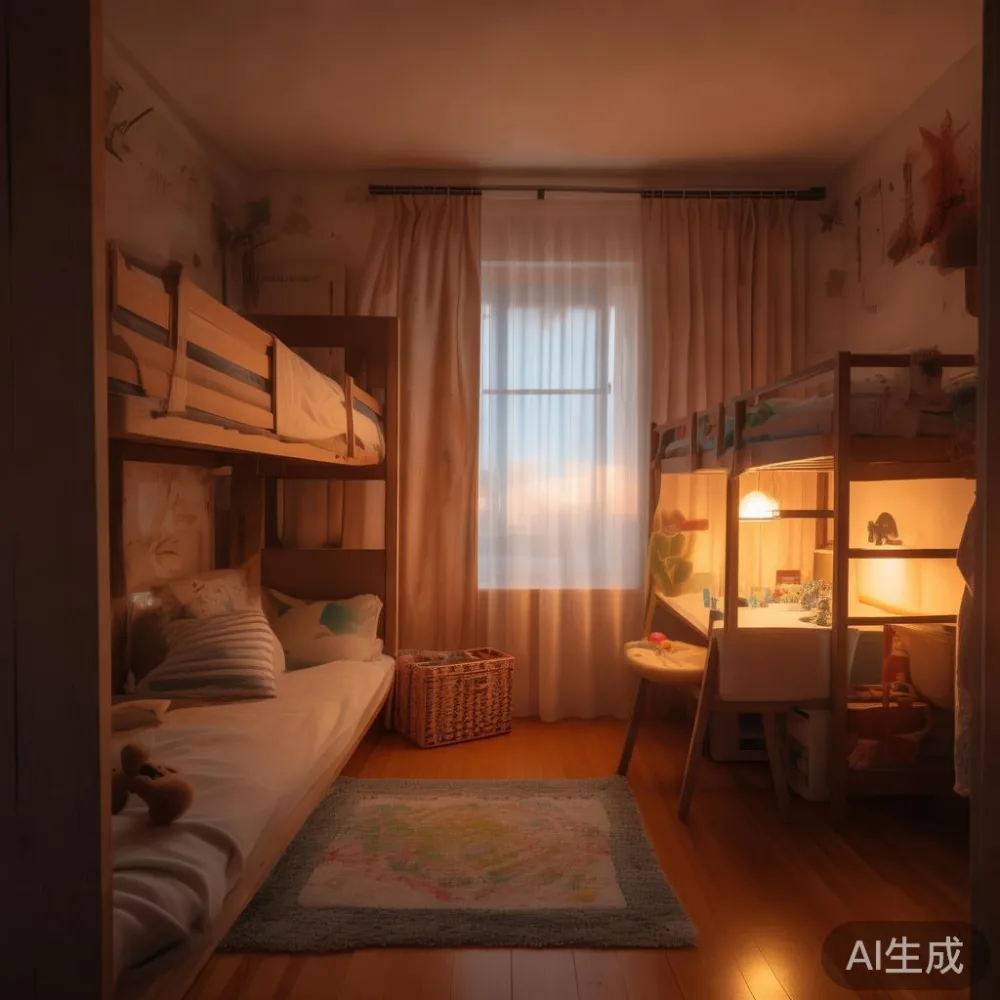
Lower furniture changes the perceived scale of a room. A bed with a total height below 95 cm can leave sightlines open above it, while a 35–45 cm-high toy cabinet creates a light boundary without making the room feel boxed in. Avoid stacking several large pieces against one wall: one 45 cm-deep wardrobe and one shallow 18–22 cm book ledge often look calmer than a 50 cm-deep wardrobe with an oversized toy chest beside it.
For visual calm, repeat 2–3 colours throughout the room. Warm white walls with pale oak, natural ash, or light walnut create continuity. Black details should be small: perhaps one 12 cm frame or a 20 cm lamp base, not several competing objects across the shelves.
What dimensions should you check before ordering furniture for a HDB or condo?
Measure the room, the door opening, the lift, and the turning points. Add 5–10 cm of clearance for packaging and handling. A 140 cm-wide bed frame may fit through a bedroom door, but it still needs to be turned through the corridor; a 160 cm frame can present a harder diagonal manoeuvre in a narrow HDB access route.
For the bed, check the mattress size, the frame width, and the route into the room. For example, a 90 cm mattress inside a 99–105 cm frame gives about 4.5–7.5 cm of clearance on each side. That is enough for a child to sit down, but not enough for an adult to walk past. In compact rooms, wall-mounted storage can recover useful floor area, provided it is fixed into suitable masonry or properly rated anchors.
Also check delivery timing. Standard Singapore deliveries commonly take 7–14 working days, while made-to-order pieces can require 4–8 weeks. Confirm the delivery window before building the room around a piece. MIDHILL offers free shipping on orders over US$350, but the final Singapore delivery cost and GST should still be confirmed before checkout.
Can a kids room mix French light luxury with practical family storage?
Yes, if the luxurious details remain small and the storage stays disciplined. French light luxury works through pale timber, gentle curves, linen textures, and muted colours rather than heavy carving. A solid wood bed frame with a softly shaped headboard, slim turned legs, and a warm neutral finish can fit a child’s room without turning it into a formal guest room.
Use a marble table only when its weight and footprint are appropriate. A small 50–60 cm round marble table can serve as a surface for a puzzle or a bedtime cup, but it should not replace the child’s main activity table if that means leaving only 45 cm of circulation space. Marble is durable but unforgiving; place it away from the edge of a bunk bed and consider a protective cover during drawing sessions.
The style question can become very specific. Someone comparing a best French provincial bed for 2026 with a best Scandinavian bed for 2026 should look beyond ornament. French provincial tends to show more visual detail, while Scandinavian design usually relies on cleaner lines, pale timber, and restrained contrast. In either direction, choose a bed height and mattress profile your child can actually use comfortably.
A post-modern approach can add character through shape rather than pattern. Search for for sale Post-modern furniture when you want one sculptural element—such as a curved nightstand or an unusual bedside silhouette—but keep the surrounding pieces quiet. One distinctive object has more impact than five competing ones.
What is the most useful layout for a 3 m × 3 m bedroom?
For a 300 cm × 300 cm room, a 90 cm bed placed against the longest wall is usually the most workable starting point. Put the headboard against a solid wall, not beside a window, and leave a 60–70 cm path from the door to the bed. A narrow nightstand measuring 30–35 cm wide can sit beside it if the remaining circulation route remains at least 55–60 cm.
Use vertical space for clothes and toys rather than adding more floor units. A wardrobe around 100–120 cm wide and 55–60 cm deep can contain hanging clothes, shelves, and drawers. Below 120 cm, closed storage is often more visually peaceful than several open shelves. Put frequently used books in a 20–25 cm-deep ledge at 70–90 cm above the floor, leaving the lower zone available for a chair or floor cushion.
Choose one flexible activity zone instead of a fixed desk and toy shelf competing for the same corner. A 60–75 cm round table can be moved when the child wants to lie on the floor with a puzzle. A folding chair weighing under 4 kg is easier for an adult to move than a 9 kg solid wood chair with a wide frame.
Lighting matters too. A ceiling light near the room’s centre, rather than only over the bed, reduces shadows. Add a warm bedside lamp with a 25–40 cm shade and place the cable away from the bed edge. For an 8–10-year-old, the average task surface should be around 58–64 cm high; younger children need a lower surface or a stable step stool.
How do you keep toys, books, and laundry from making the room feel crowded?
Contain categories, not every individual item. Closed storage should handle clothes and seasonal toys; one open basket can hold the books currently being read; a lidded basket can manage small toys. Aim for no more than 2 open containers visible at once. Their differing textures create interest, but constant visual clutter makes a compact room feel smaller.
Use the space under the bed carefully. A 25–30 cm-high platform frame may lift the mattress enough for low baskets, but check that ventilation remains adequate and that the storage is light enough for an adult to pull out safely. Vacuum bags are useful for soft toys and spare bedding, yet they should not compress quilts for long periods.
For laundry, a slim ventilated cabinet around 40–50 cm wide can separate clean clothes from used uniforms. If space is extremely tight, a 12–18 cm wall rail with 3–5 hooks may be more practical than a floor hamper, provided nothing hangs directly over the bed or blocks a window.
Label storage with large, removable labels rather than permanent labels on moving baskets. This makes reorganising faster and avoids buying for “someday” storage. A good rule is to keep only what the child uses weekly in the room; place seasonal items elsewhere or store them in a 35–45 cm-high lidded unit.
Should the kids room use a solid wood sofa, dining table, or bed frame?
Choose the largest useful piece first: the bed frame. A solid wood bed frame should have stable joints, supportive slats, and a finish that can be maintained over time. For a child’s room, an under-bed design can provide storage, but the mattress should sit at a comfortable height—typically 40–50 cm from the floor for many children aged 6–12, depending on their height and the room’s layout.
A solid wood sofa is more likely to belong in the living room, and the dining table is usually a separate zone. Their mention here is useful as a sizing lesson: a large sofa with deep 95–100 cm seat depth uses more visual weight than a 75–85 cm-deep model. The same principle applies to a child’s reading chair; a compact 60–70 cm-wide chair can serve a small reading corner without crowding the bed.
For the main sleeping product, comparing a light luxury bed vs Italian light luxury bed can help separate finish preferences from structural decisions. Italian-inspired details may include curved edges and darker timber, but the frame construction, slat spacing, mattress support, and child safety should come first. A French light luxury headboard with deep buttoning can also collect dust; simpler upholstery or washable fabric is easier to maintain in a kids room.
MIDHILL solid wood furniture comes with a 10-year structural warranty and lifetime refinishing support, which is relevant when a child’s needs change. A 90 cm bed bought for ages 6–9 may later become a teen bed, so check the mattress size and whether the frame can take a larger mattress before purchasing.
How do you style a compact reading corner in Japandi style?
Japandi works well in Singapore because it combines clear function with warm, uncluttered surfaces. If you are considering a how to style Japandi sofa in bedroom setup, measure the corner before choosing the seat. A 120–140 cm loveseat can work in a larger bedroom, but a 90–110 cm compact sofa is more suitable for a 3 m × 3.6 m room. Leave 45–60 cm between the sofa and the bed for access, and keep the side table within 30–40 cm of the sofa arm.
Use pale solid wood, a oatmeal or clay-toned cover, and one woven texture. Avoid adding a large rug in a room where the floor is already visible only in fragments; a 120 × 160 cm rug may create a neat zone, but a full 160 × 200 cm rug in a 300 cm-wide room can make the walking space feel restricted.
Store the sofa’s cushions vertically when not in use, or use a slim 25–30 cm-deep shelf behind it. A slim nightstand with one drawer and one open shelf is often more useful than a decorative marble table in a tight corner. If you do choose marble, select a 40–50 cm diameter top and a stable base, and check that the total weight does not make the arrangement difficult to rearrange.
Books can be grouped by colour or size rather than filling every shelf. Leave 15–20% of the shelving empty so the storage does not look complete before the child has even moved in. This is also a practical strategy for rotating books during the school year.
How can you create a European light luxury sideboard for a compact kids room?
A European light luxury sideboard can be useful for books, art supplies, and concealed storage, but it must not become the room’s second wardrobe. For a 300 cm-wide wall, choose a sideboard around 100–130 cm wide and no more than 35–40 cm deep. A light oak finish, modest fluted doors, or simple brass-toned pulls can add polish without overwhelming the walls.
Check whether drawers and cupboard doors can open without striking the bed. Allow the full door width plus 10 cm of working clearance. Many families appreciate a unit around 75–85 cm high because children can reach everyday items without a stool, while a taller 90–100 cm sideboard offers more display space but increases visual weight.
Keep the top mostly clear. One lamp, one framed picture, and one small object are enough for a 100 cm surface. If a marble table is already nearby, do not repeat the stone finish. Mix texture instead: pale timber, matte-painted wall, woven basket, and linen seat cover can feel more refined than several glossy surfaces.
Children’s artwork can be displayed in a clip rail rather than in numerous frames. A 60–80 cm rail positioned 10–15 cm above the sideboard can create a gallery effect while allowing pieces to be changed. Use removable clips rather than adhesive tape, which can damage painted walls.
What should you check when a delivery reaches the lift lobby?
Before delivery, confirm the lift booking, access restrictions, and whether the driver needs to move the item through a shared corridor. In HDB blocks, stair access may be needed if the lift is unavailable, so a sofa, dining table, or large bed frame may need to be split into manageable sections or carried by additional crew.
On arrival, check the corners, legs, drawer runners, and surface for transit damage before signing. Photograph the furniture in the lift lobby and corridor, and record any issue through the seller’s process. Once the item reaches the room, check that doors, drawers, and bed slats operate correctly. Allow 15–30 minutes for placement and assembly; larger furniture can take 45–90 minutes.
For a child’s room, test the bed before adding bedding and décor. The child should be able to sit on the edge, lie comfortably, and reach the floor without the mattress being too high. Keep heavy furniture away from the window if it could tip, anchor tall wardrobes to the wall, and follow the manufacturer’s guidance for anchoring and weight limits.
MIDHILL’s 14-day returns policy gives households time to assess the piece in context, subject to the stated return conditions. Read the product specifications carefully, especially for custom dimensions, finish choices, and delivery arrangements. This is more reliable than ordering a visually appealing item that cannot turn through the corridor or fit beside the bed.
What is the simplest way to make a small room feel lighter?
Remove one thing, move one large piece, and establish a single clear path. In many compact Singapore flats, changing the position of the bed from directly opposite the door to along the side wall can improve both movement and visibility. Then use closed storage for most belongings, reserve open shelving for the items in daily use, and keep the palette to 3 main colours.
Good design is not about making a small apartment look empty. It is about making the space feel intentionally edited. A 95 cm-high solid wood bed frame, a 35 cm nightstand, a 120 cm wardrobe, and one low toy cabinet can support a complete kids room without turning every gap into another furniture decision. Measure first, order once, and let the room’s daily rhythm determine what deserves to remain on display.