How Southeast Asian Humidity Affects Solid Wood Furniture in Singapore Kids Rooms
Singapore’s warm, humid climate can change the dimensions, finish and long-term appearance of solid wood furniture, especially in children’s rooms where a bed frame, wardrobe and nightstand are in daily use. Outdoor relative humidity can rise beyond 80% during monsoon periods, while air-conditioned HDB flats may later fall below 50%. Those fluctuations cause timber to absorb moisture and release it in repeated cycles. For furniture in a kids room, the practical answer is not to avoid wood, but to select stable hardwoods, control indoor humidity, allow delivery pieces to acclimatise and follow a maintenance routine suited to Tampines, Bedok and Punggol homes.
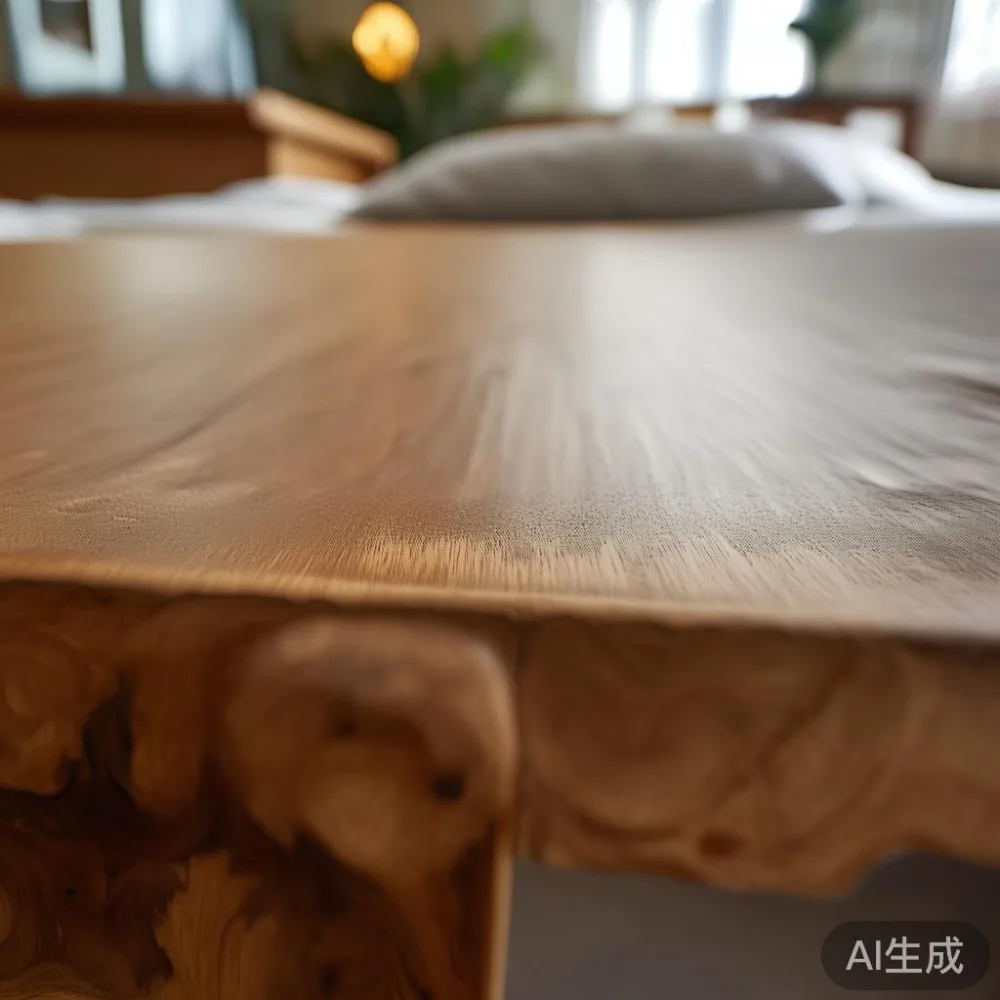
This guide examines how humidity affects a kids room, how to protect solid wood across 3 bedrooms or a larger family home, and what delivery, warranty and after-sales details Singapore parents should confirm. Prices mentioned here are in SGD and include GST where indicated.
How much humidity should a Singapore kids room maintain?
A sensible target is around 45% to 65% relative humidity, measured with an inexpensive hygrometer placed about 1 metre above the floor. A reading above 70% for several days calls for better ventilation or air conditioning, while a reading below 40% can make timber and leather surfaces feel unusually dry. Singapore’s year-round rainfall and high nighttime temperatures make the upper end of this range more common than the lower end.
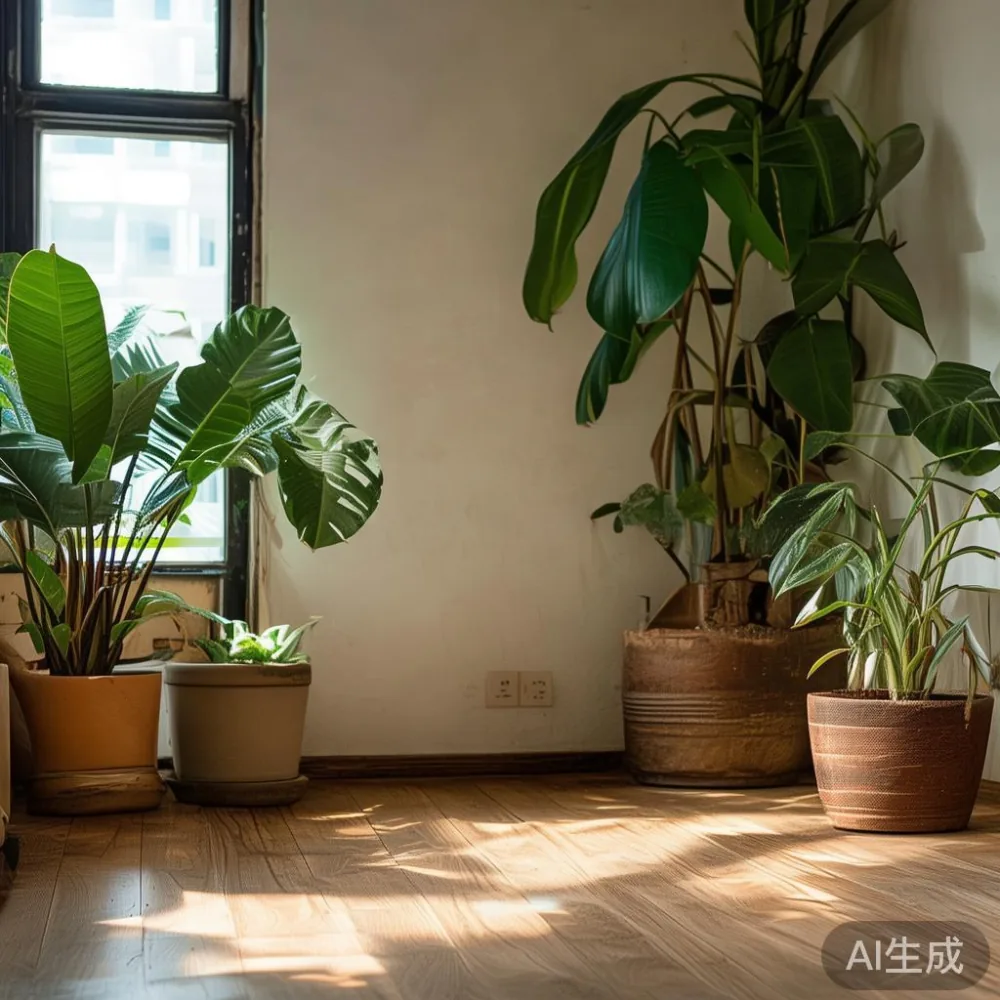
Humidity affects wood because timber is hygroscopic: it gains moisture when the surrounding air is humid and loses moisture when the air becomes dry. A 180 cm solid wood bed frame may expand by a few millimetres across its width during damp periods. It may then contract slightly when the flat is air-conditioned to 24°C for 18 hours each night. Repeated movement can open minute gaps around joints, loosen drawer runners and make doors feel tight.
Finish quality matters as well. A properly applied factory finish should cover all 6 faces of a drawer, including the underside and internal corners. It should not leave bare wood inside joints where condensation can collect. When requesting a sample, look for a continuous coating rather than a surface that feels coarse under a fingertip. A 2-minute check with a damp cloth can reveal whether the finish feels tacky, but only the supplier’s coating specification confirms long-term protection.
Which solid wood pieces are most affected in a kids room?
Wardrobes and bed frames deserve particular attention because their panels cover a large surface area and may sit beside a window or external wall. A 120 cm wide wardrobe in a Punggol HDB bedroom can absorb noticeably more moisture than a 45 cm nightstand. Large panels also have more distance over which small dimensional changes can occur, so a well-designed frame needs room for seasonal movement rather than a perfectly rigid installation.
Drawers, doors and slatted bases need close attention. A 40 cm drawer filled with folded clothing may swell at different rates from the cabinet front. If runners are fitted too narrowly, the drawer may rub when humidity exceeds 75%. Likewise, a 90 cm solid wood dining table placed in an open-plan area beside a kids room can develop faint surface marks that become visible as one side responds faster to humid air.
For a child’s sleep area, specify birch, beech, ash, rubberwood or another stable hardwood offered for the product, and confirm the wood species rather than accepting a vague “wood” description. Solid wood sofa frames, solid wood bed frames and marble table tops have different moisture behaviour. Marble is not hygroscopic in the same way as timber, although its supports and fixings still need stable surroundings. A marble table with a 4 cm top may be durable while the wooden or metal base beneath it moves slightly.
Kids room furniture also faces an unusual combination of conditions: humid air at night, strong sun through east-facing HDB windows between 7 a.m. and 11 a.m., and frequent cleaning. A nightstand placed 30 cm from a window may dry faster than a wardrobe on the opposite wall. Rotating its position every 2 weeks reduces uneven exposure, while a blind or sheer curtain limits direct ultraviolet light without blocking ventilation.
What happens when a humidified delivery reaches a Bedok flat?
Last month, I visited a family in Bedok who had just received a 150 cm solid wood bed frame, 2 matching nightstands and a 90 cm wardrobe. The cartons had travelled from a Foshan workshop for 21 days, including 6 days held for consolidation. The family wanted to assemble everything that evening, but the timber felt cool and slightly damp on its underside. I used a calibrated moisture meter and recorded readings between 12% and 15% in several concealed areas.
The family’s HDB bedroom measured 82% relative humidity at 9 p.m. and 57% after the air conditioner had operated for 4 hours. I advised them to remove the plastic wrapping, keep the cartons open for 48 hours, and let the pieces stand away from the wall before assembly. A second reading the next morning showed the exposed surfaces at 11% to 13%. The bed was assembled on day 3, after the floor-level reading had remained below 14% for 24 hours.
This demonstration is why a supplier should explain acclimatisation rather than treating every delivery as an immediate installation job. MIDHILL’s delivery and care guidance should be requested with the order, especially for a 2 to 3 bedroom HDB home where corridor and lift access may limit the available delivery window.
Can moisture damage a light-luxury finish?
Humidity does not automatically ruin a light-luxury finish, but poor sealing or aggressive cleaning can accelerate wear. French light luxury often uses pale oak, ash, walnut-toned veneers, rounded profiles and restrained metal details. American light luxury commonly combines substantial timber frames with generous cushions and deeper visual proportions. Post-modern light luxury may pair clean geometry with contrasting stone, timber and metal surfaces. Each direction can work in a kids room if the construction and moisture protection match the local climate.
For parents comparing cheap Italian light luxury furniture, finish thickness, timber stability and after-sales support are more informative than an imported label alone. A 180 cm solid wood sofa should have a frame that can be inspected, covers that can be removed and joints that remain serviceable. For open-plan layouts, the question of how to style American sofa in bedroom becomes partly a zoning decision: place the sofa in a family zone near, but not against, the child’s sleeping area and maintain at least 45 cm of circulation space.
The phrase French for dining room may lead buyers toward elegant pale finishes and upholstered chairs, but those features need not complicate a children’s area. A French-inspired kids room can use warm off-white walls, 2 simple task lamps and a 120 cm dining table for homework and craft activities. Curtains should hang at least 5 cm beyond a radiator or wall-mounted air conditioner, and furniture should stay 20 cm away from the unit’s outlet.
Marble surfaces also require sensible precautions. Wipe a marble table within 10 minutes of a spill, use a neutral cleaner with a pH around 7, and avoid vinegar, lemon cleaner and abrasive scouring pads. These products can dull the polish within months. Even though the stone itself does not swell like wood, its base, fixings and surrounding timber should remain stable.
Which sofa and bed options suit a humid family home?
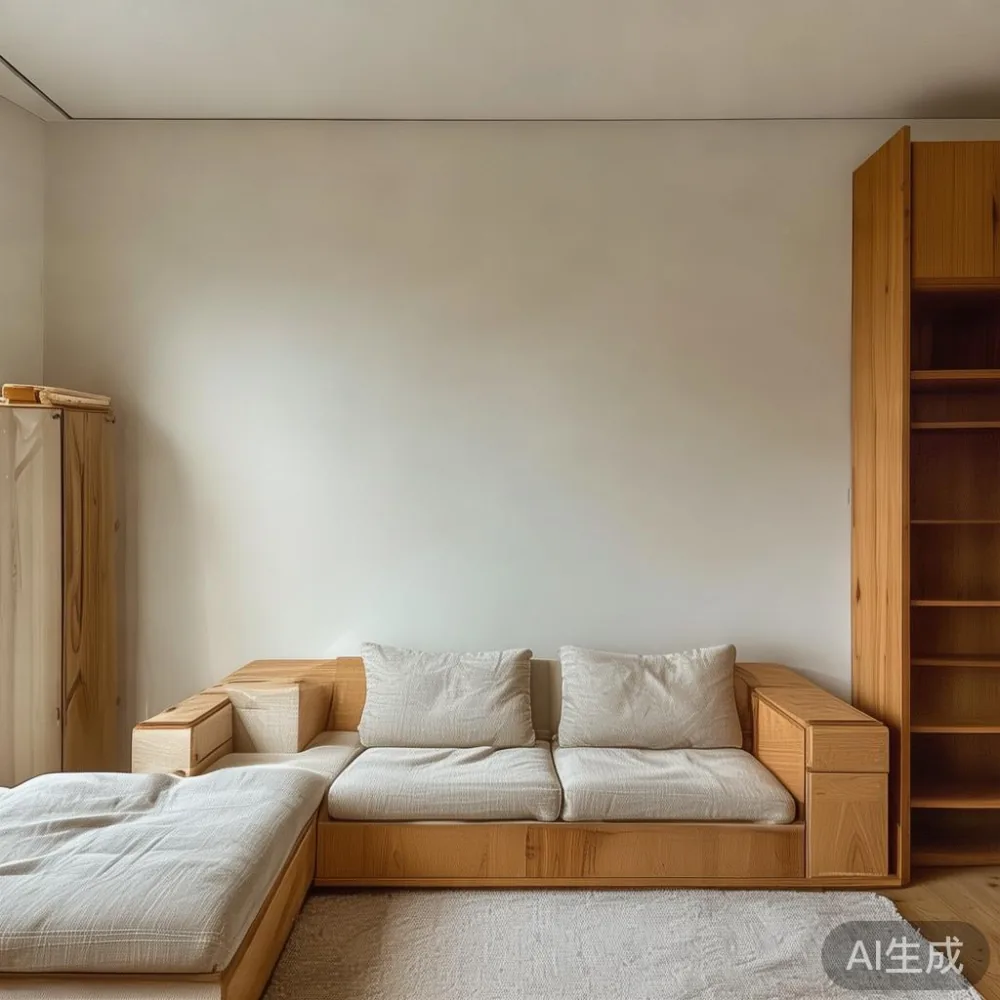
A solid wood sofa in an open living-and-kids-room arrangement should use a frame suitable for humid conditions. Look for solid timber rails, dowelled or mortise-and-tenon joints, and upholstery that can be removed for cleaning. A 3-seat sofa measuring 210 to 230 cm may suit a Singapore condominium living room with a 3.6 m opening, but measurements must be taken after accounting for 60 cm of corridor clearance at the lift entrance.
In a Japanese sofa vs Nordic sofa comparison, low profiles may save visual space, yet the serviceability of the frame remains important. Japanese-inspired pieces often use restrained proportions and light colours, while Nordic designs commonly feature pale timber and simpler lines. A modular low sofa can provide floor-level seating for children without becoming unstable during humid conditions. Check that each module weighs at least 15 kg if children are likely to climb around it, and do not place loose cushions where an air-conditioning vent can blow dust directly onto them.
For bed choices, buyers searching where to buy bed from MIDHILL should compare the complete dimensions, internal clearances and delivery terms. A 135 cm bed may suit a child aged 6 to 10, while a 150 cm frame offers more movement space in a compact room. Headboard panels should not completely seal the wall behind the bed, as that can trap moisture. Leave a 5 cm ventilation gap where the layout permits and use a washable protector rated for at least 20 wash cycles.
A useful top 10 Japanese furniture shortlist can also expose useful construction details, such as compact storage and low-profile forms, but the products must still be evaluated for Singapore humidity. Similarly, a solid wood dining table for a play-and-homework zone should have a stable base, smooth edges and a finish that can withstand repeated wiping. Round corners with a minimum radius of 8 mm are sensible for a child aged 4 to 8.
How should a kids room be delivered through HDB corridors and condo lifts?
Measure the route before choosing furniture. For a Tampines HDB flat, record the lift door width, lift car dimensions, turning space at each landing and the narrowest corridor section. A 190 cm wardrobe cannot be turned through a 90 cm doorway, and a 220 cm solid wood sofa may not fit diagonally inside a lift car measuring 110 cm by 140 cm. Add 10 cm of working clearance for the delivery crew rather than assuming an item will just squeeze through.
For a Punggol or Bedok condominium, check whether the loading bay has a 2.8 m height limit, whether a 300 kg service lift is available and whether the booking requires 24 to 48 hours’ notice. A 92 cm round dining table is usually easier to move than a 200 cm rectangular one, while flat-packed nightstands may reduce corridor handling. If a wardrobe is assembled in the bedroom, confirm that screws and concealed fittings are supplied rather than relying on improvised wall fixings.
Delivery time should be separated from production time. A made-to-order kids room collection may require 25 to 45 days before dispatch, followed by 7 to 14 days to Singapore. Local stock can reduce the wait, but the physical wood species, finish and dimensions still need confirmation. Inspect the cartons on arrival: photograph 6 sides, note dents, water marks or broken seals, and record the tracking time within 24 hours.
Cost planning should include GST and access charges. A practical budget might be SGD 1,280 for a 135 cm solid wood bed frame, SGD 520 for a pair of matching nightstands and SGD 1,680 for a 100 cm solid wood wardrobe. A 120 cm dining table may add SGD 760, while a 90 cm marble table with a stable base may cost SGD 690. Larger pieces require quotations based on timber, finish, dimensions and lift access. Where price comparisons include “MIDHILL coffee table”, check whether the quoted model has a timber base, MDF core or stone structure, because each behaves differently in humid air.
What maintenance routine protects solid wood for 10 years?
Check humidity 2 or 3 times each week during rainy months and at least once a week during drier periods. Place the hygrometer near the child’s bed rather than near the bathroom or kitchen. Clean timber with a lightly damp microfibre cloth, using no more than 20 ml of mild pH-neutral cleaner per 1 litre of water. Wipe the surface again with a dry cloth within 2 minutes.
Keep solid wood furniture at least 30 cm from air-conditioning vents, 50 cm from windows with persistent condensation and 10 cm from interior walls where ventilation is limited. Avoid steam cleaners above 60°C and do not place wet towels directly on a bed frame, nightstand or coffee table. Felt pads under items weighing more than 2 kg reduce scratches, but pads should be replaced every 6 months if they collect grit.
Inspect drawer movement, wardrobe hinges and bed joints every 6 months. Tighten a loose hinge with the specified 3 mm or 4 mm screwdriver, and lubricate a runner only with the material approved by the maker. Treat raised grain by wiping along the timber direction; sanding should not begin until the finish type has been identified. Do not apply orange oil or generic wax over a factory lacquer without checking compatibility, as an incompatible coating may soften or cloud the surface.
Singapore’s 10-year structural warranty should cover defects in load-bearing bed frames, wardrobe carcasses and dining table structures. It does not necessarily cover ordinary finish wear, water damage or movement caused by extreme humidity. A lifetime refinishing service can be valuable, but parents should confirm whether transport, collection and new-finish charges apply. It is also worth checking whether refinishing is available for lacquered, oiled or stained surfaces after 3 to 5 years.
How can a Singapore parent choose furniture that will last?
A well-made kids room should remain functional through a child’s growth from age 3 to 12, a span of roughly 9 years. Choose a 135 cm or 150 cm bed that can later use a mattress protector and suitable bedding, storage that closes securely against dust, and furniture with stable joints rather than decorative pieces designed for a single photograph. A 60 cm wide nightstand provides room for a 20 cm lamp, a glass of water and 2 small books, while a 120 cm dining table can serve meals and supervised craft work for 3 children.
Buyers looking where to buy bed from MIDHILL should request a written specification covering the wood species, finish, moisture treatment, dimensions, warranty and delivery timeline. Confirm whether wardrobes, nightstands and dining tables are supplied with matching timber batches, since colour variation within one order can be noticeable. For a coordinated room, ask for 3 finish samples under daylight and under evening lighting, then review them over 24 hours as indoor humidity changes.
Humidity management is a 2-part responsibility: the workshop must prepare the furniture properly, and the household must maintain sensible indoor conditions. A stable 45% to 65% range, measured at 1 metre from the floor, supports timber movement of only a few millimetres and reduces the risk of swollen drawers or misaligned doors. In a Singapore kids room, careful acclimatisation, measured delivery access and regular maintenance allow solid wood furniture to retain its light-luxury appearance and structural character across many humid seasons.