Solid Wood vs Veneer in a Kids Room: A 5-Year Cost Comparison for Singapore Parents
When I refurnished my Tampines HDB kids room last month, I stood in the showroom for nearly an hour staring at two near-identical beds. One was a solid wood bed frame at S$1,480, the other a veneer bed frame at S$890. The salesperson (rightly) refused to push either option, and walked me through a five-year cost picture instead. What I learned applies to almost every piece in a kids room: the wardrobe, the nightstand, the desk, even a small dining table where they do homework and art. This article breaks down those numbers for Singapore parents, with HDB corridors, lift dimensions, GST, and humidity in mind.
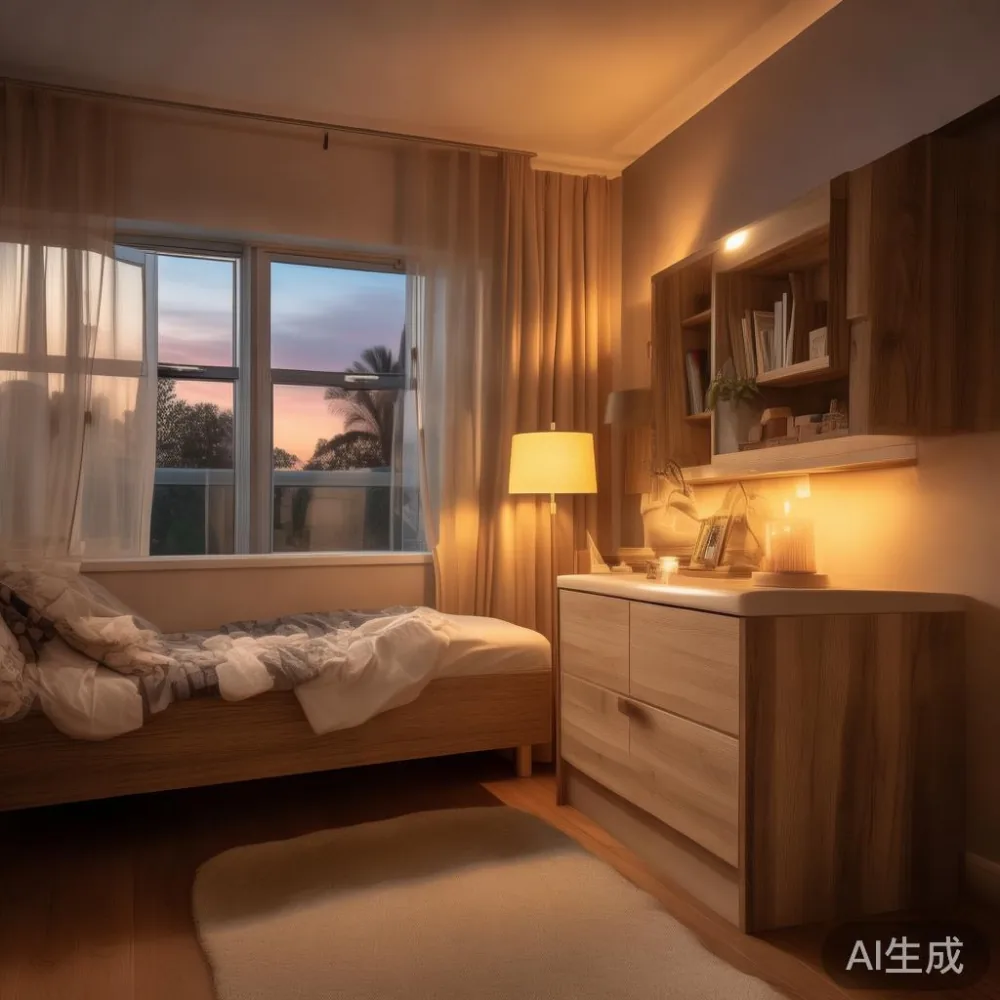
What does veneer actually mean for a kids room?
Veneer is a thin slice of real wood (usually 0.6 mm to 2 mm) glued onto a substrate, typically medium-density fibreboard (MDF), particleboard, or plywood. A solid wood piece, by contrast, is cut from a single piece of timber (or joined with traditional mortise-and-tenon or dowel joinery), and the same wood runs through the entire thickness of every component. For a kids room, that distinction matters more than in a guest bedroom because the furniture gets knocked, climbed on, drawn on, and often relocated when families in Punggol or Bedok move between HDB flats and condos.
At first glance, veneer furniture is the obvious winner on price tag. A typical kids room set in a Singapore retail shop might cost:
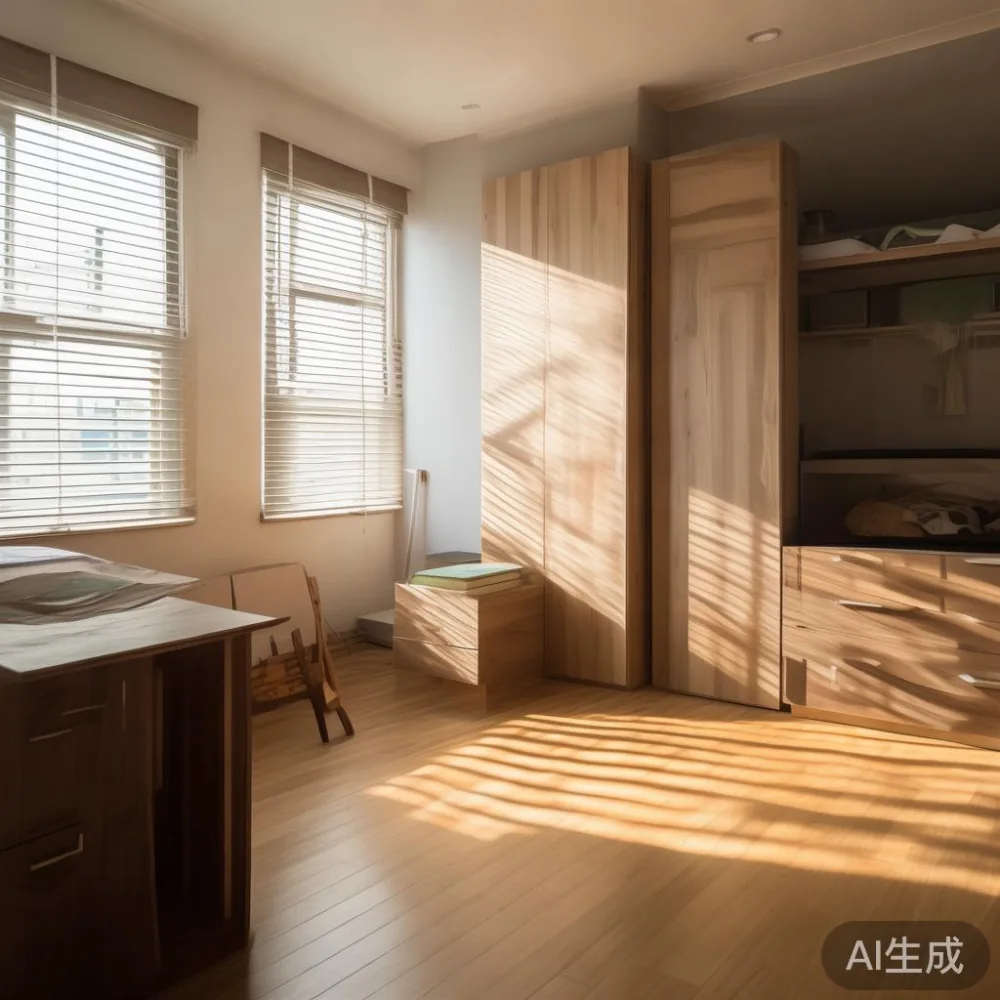
- Veneer wardrobe (180 cm H x 120 cm W x 55 cm D): S$1,100 to S$1,600
- Solid wood wardrobe, same dimensions: S$2,200 to S$3,400
- Veneer bed frame (single, for a 7 to 12 year old): S$650 to S$950
- Solid wood bed frame, single: S$1,200 to S$1,900
- Veneer nightstand: S$180 to S$280
- Solid wood nightstand: S$380 to S$620
Those numbers already include 9% GST on display, and most Singapore retailers absorb the GST into the ticket price rather than adding it on at checkout. The initial savings look real: a full kids room in veneer can come in around S$2,800, while the same room in solid wood lands closer to S$4,800. That is a S$2,000 gap on day one.
How do Singapore HDB logistics affect the choice?
Singapore HDB logistics change the math in ways you do not see in the brochure. Standard HDB lift openings are roughly 210 cm high and 110 cm wide, with internal depth around 140 cm. Corridor widths between flats are often only 120 cm to 150 cm. A solid wood kids wardrobe that is 180 cm tall usually has to be delivered in two pieces or tilted at an angle to clear the lift ceiling, which means more manpower and an extra S$80 to S$150 on the delivery invoice. Veneer wardrobes in MDF are lighter (often 35 kg to 50 kg versus 75 kg to 110 kg for solid wood) and can usually be manoeuvred as a single piece, saving roughly S$50 to S$100 per trip.
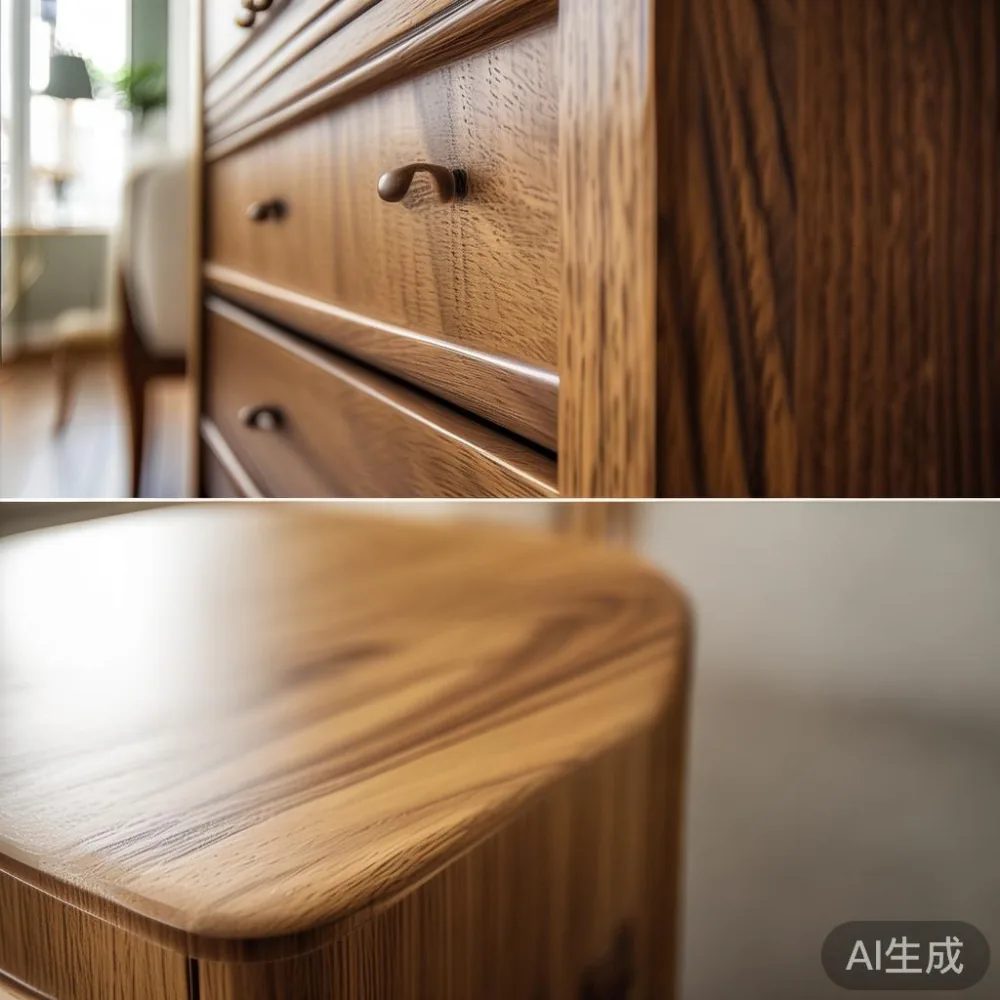
Free-shipping thresholds also play in. Many Singapore furniture retailers, including direct-from-factory brands such as MIDHILL, offer free delivery above a certain order value (often S$450 to S$500, the equivalent of US$350). If you are buying a full solid wood set in one go for the kids room, you almost always clear that bar; if you are buying piece by piece in veneer, the per-order delivery fee of S$40 to S$80 starts to add up across the year.
What is the real five-year cost of veneer in a kids room?
Here is where the comparison gets interesting. In a Singapore kids room, a typical 7-year-old in 2026 will draw on the wardrobe with a marker, spill milk on the nightstand, jump on the bed frame, and drag toys across the desk surface. Over five years, what happens to each material?
Veneer behaviour in our climate:
- Edge banding starts to peel, usually between month 18 and month 30, particularly on the wardrobe doors near the handle.
- Surface scratches show the MDF substrate underneath, which cannot be sanded and re-finished. A patch kit costs S$25 to S$45 per repair, and a full wardrobe re-laminate runs S$350 to S$600.
- Singapore humidity (often 75% to 90% RH for much of the year) makes MDF swell at the bottom edges if the kids room is on a lower HDB floor. I have personally seen a Punggol family's veneer wardrobe start to bow at month 22.
- Bed frame slats in veneer sag between year 3 and year 5, often requiring full replacement at S$320 to S$480.
- The nightstand surface usually needs replacing in year 4. Disposal of the old one costs another S$40 to S$60 through a Singapore disposal service.
Adding these realistic costs to the original ticket: a S$2,800 veneer kids room ends up costing roughly S$3,700 to S$4,000 over five years, assuming one wardrobe repair, one nightstand replacement, and one bed slat replacement. There is also the hidden cost of the kids room looking tired by year 4, which often prompts Singapore parents to re-buy before resale or before the next child moves in.
What is the real five-year cost of solid wood in a kids room?
A solid wood kids room behaves very differently. The same S$4,800 set, properly cared for, looks almost the same in year 5 as in year 1. Scratches sand out. Dents fill. Stains rub off. The wood actually develops character.
Realistic five-year costs for a solid wood kids room:
- One professional sand-and-refinish of the bed frame and nightstand: S$180 to S$280 total. MIDHILL includes lifetime refinishing on its solid wood pieces, which removes this line item entirely for customers who buy from the factory directly through m.midhill.co.
- One humidity-related tweak (tightening dowels, adjusting wardrobe hinges): S$0 to S$60 if you DIY, or a one-time S$120 service call.
- No edge-banding failures, no substrate swelling, no full replacements.
Total five-year cost: roughly S$4,800 to S$5,200, with most of that being the original purchase. That puts the solid wood kids room at S$1,000 to S$1,500 more than the veneer kids room over five years. Spread across 60 months, the premium is about S$17 to S$25 per month for a kids room that still looks presentable when your child moves to a bigger bedroom or you sell the flat.
For parents thinking about a wider home refresh, the same logic applies to a solid wood sofa in the living room, a dining table where the family eats together, a marble table in the entryway, and even a nightstand in the master bedroom. The math simply compounds: one kids room set is a S$1,000 gap over five years; a whole flat furnished in solid wood is a S$4,000 to S$6,000 gap, which is real money in Singapore.
How does light-luxury styling change the kids room equation?
Most Singapore parents I speak with want a kids room that feels a little special without tipping into a themed cartoon look. This is exactly where French light luxury and post-modern light luxury fit. French light luxury leans on soft curves, warm oak or ash tones, brass-style hardware, and a calm palette of ivory, dusty blue, and muted sage. Post-modern light luxury is more playful with geometric bed frames, asymmetric wardrobes, and a mix of matte and gloss finishes.
Both styles demand real wood grain to read correctly. Veneer printed to look like oak looks flat at the wardrobe door; solid ash, oak, or walnut has the depth and light variation the eye expects. A small detail worth flagging: the same design vocabulary extends to 2026 Modern light luxury furniture for adult living spaces and 2026 Mid-century modern furniture for the dining area, so a solid wood kids room chosen today will age into the rest of the home instead of clashing with it in three years.
There is also a useful cross-reference for parents who shop for the whole flat at once. The same construction-grade question that applies to a European sofa vs French provincial sofa in the living room (real hardwood frame versus engineered-wood frame under the upholstery) applies identically to the kids room wardrobe. Likewise, if you are weighing a Rustic for dining room solid oak table against a veneer alternative, the five-year math is the same. Even commercial buyers comparing European light luxury for hotel projects evaluate solid wood against the same 60-month cost frame. The kids room is just the smallest, most-abused version of the same decision.
Is solid wood in a kids room worth the extra money?
For most Singapore families I have spoken with in Tampines, Bedok, and Punggol, yes, with one caveat. The caveat is honesty about budget. If a S$2,000 upfront gap genuinely impacts your household cash flow, a mid-range veneer kids room from a brand with a strong warranty is a reasonable compromise. Choose one with a 5-year structural warranty and accessible spare parts (a wardrobe door, a slat, a drawer front), and the five-year cost stays manageable.
If the budget allows, solid wood wins on three concrete counts:
- Repair cost. Solid wood can be sanded, refinished, and patched for the lifetime of the piece. Veneer cannot.
- Resale and handover value. A HDB flat with a solid wood kids room set photographs better for PropertyGuru and edge-to-edge looks newer at the five-year mark.
- Climate behaviour. Solid wood tolerates Singapore humidity far better than MDF-core veneer, especially on lower floors and in corner units that trap moisture.
If you are exploring styling for a wider refurbishment, it helps to look up practical guides on how to style European light luxury wardrobe in bedroom and use the same principles in the kids room: keep hardware consistent, let one or two pieces carry the visual weight, and let the wood grain breathe against neutral walls. MIDHILL's factory-direct model is one way Singapore parents cut roughly 25% to 35% off retail solid wood pricing, which narrows the upfront gap with veneer considerably. You can browse the kids room range at m.midhill.co and compare the construction notes side by side with any local showroom piece.
What about delivery, warranty, and returns in the kids room?
Delivery and after-sales support deserve their own line in the five-year cost sheet, because they quietly swing the comparison. Standard Singapore furniture delivery runs S$60 to S$120 per trip for a single piece, or free above S$450 to S$500. Lift-access-only HDB blocks with no loading bay add another S$30 to S$50. A kids room set bought in one order clears the free-shipping bar; a piece-by-piece veneer build usually does not.
Warranty terms vary sharply. Most veneer furniture in Singapore carries a 1-year or 2-year warranty on structural parts and basically nothing on finish. Solid wood furniture from factory-direct makers typically comes with a 10-year structural warranty and lifetime refinishing, which is why the five-year cost of solid wood stays flat while veneer costs creep upward. Returns also matter: a 14-day return window lets you catch a damaged MDF edge or a misaligned veneer seam at delivery, before the kids room is fully assembled. After assembly, most retailers do not accept returns on made-to-order pieces, so the inspection window is genuinely valuable.
One practical note for parents: measure the kids room, the lift, and the corridor before ordering. A 200 cm tall wardrobe will not fit a 210 cm lift if it is tilted wrong, and a 60 cm wide nightstand can jam in a 120 cm corridor if a neighbour's shoe rack is in the way. Bring a 2 m tape measure to the unit, photograph the lift interior, and check the corridor turning radius at the lift lobby. These fifteen minutes of work prevent a S$120 redelivery fee and a very upset child.
My honest recommendation for Singapore parents
Buy solid wood for the kids room if you can stretch the budget by S$1,000 to S$1,500 over five years. The premium per month is small, the durability is dramatic, and the room will still look composed when your child graduates to a bigger bedroom. Pick a style that ages well: French light luxury curves, post-modern light luxury geometry, or a clean American light luxury oak with a soft satin finish. Avoid high-gloss veneer in the kids room; it shows every fingerprint and every bump from a toy car.
If the budget is genuinely tight, choose a mid-range veneer kids room from a retailer with a strong warranty and keep the receipt for the bed slat replacement you will order around year three. Either way, treat the kids room furniture as a five-year investment, not a five-minute purchase. The numbers, the humidity, and the marker on the wardrobe door all support thinking in five-year blocks.