Kids Room Solid Wood vs Veneer: A 5-Year Cost Comparison for Singapore Homes
Choosing furniture for a kids room in Singapore involves more than comparing two price tags. A veneer unit may cost less on day one, while a solid wood piece can continue in service for years if it is made well and maintained correctly. The real question is how each option performs across 60 months of daily use, including school-night tidying, toy impacts, humid weather, repairs and eventual resale.
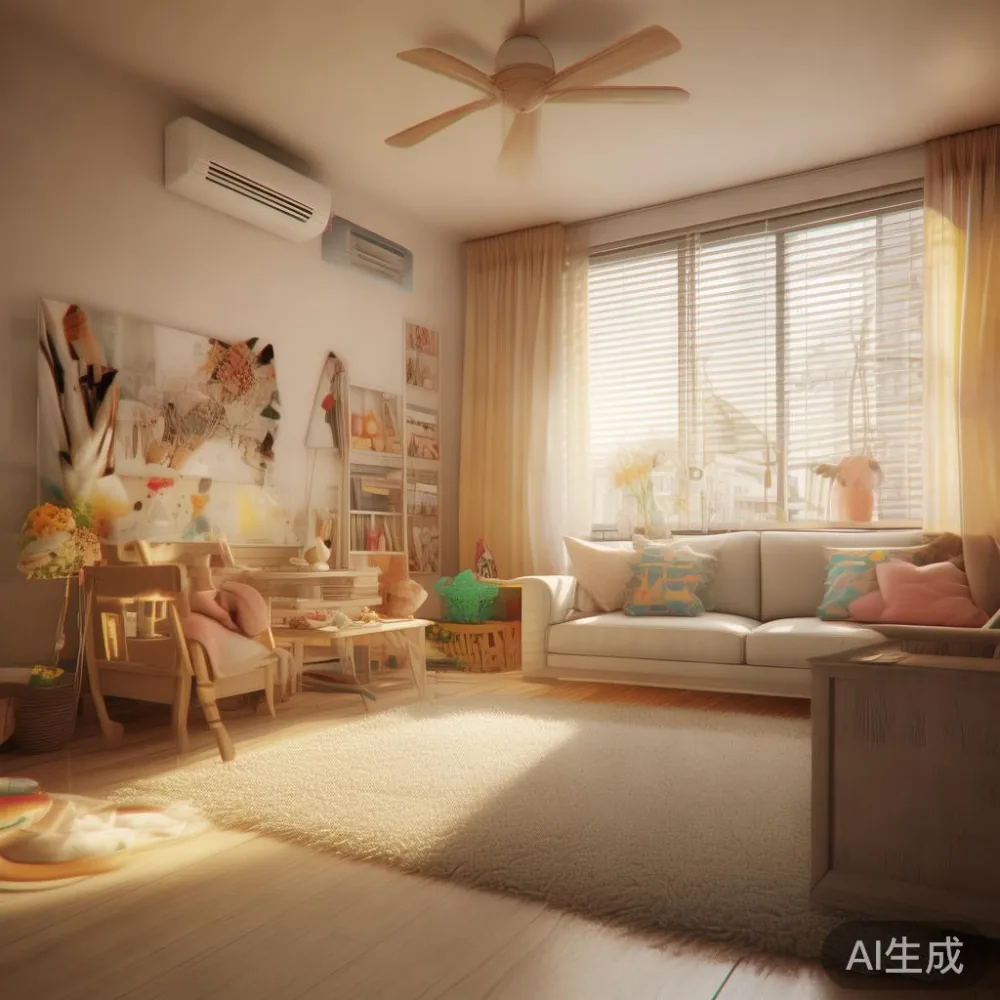
For families living in HDB flats in Tampines, Bedok or Punggol, dimensions and logistics matter as much as material. A 180 cm wardrobe may fit a bedroom but strain during delivery through a 90 cm lift doorway or around a narrow corridor. A compact 120 cm solid wood bed frame can be easier to manoeuvre than a wider veneer model, even before freight charges are considered.
This comparison follows a representative kids room over 5 years. I include purchase price, delivery, care materials and realistic repair scenarios in Singapore dollars. The figures are estimates rather than quotations, but they make the trade-offs clear for a room that must work for a child from age 5 to age 10.
What does veneer actually mean in a kids room?
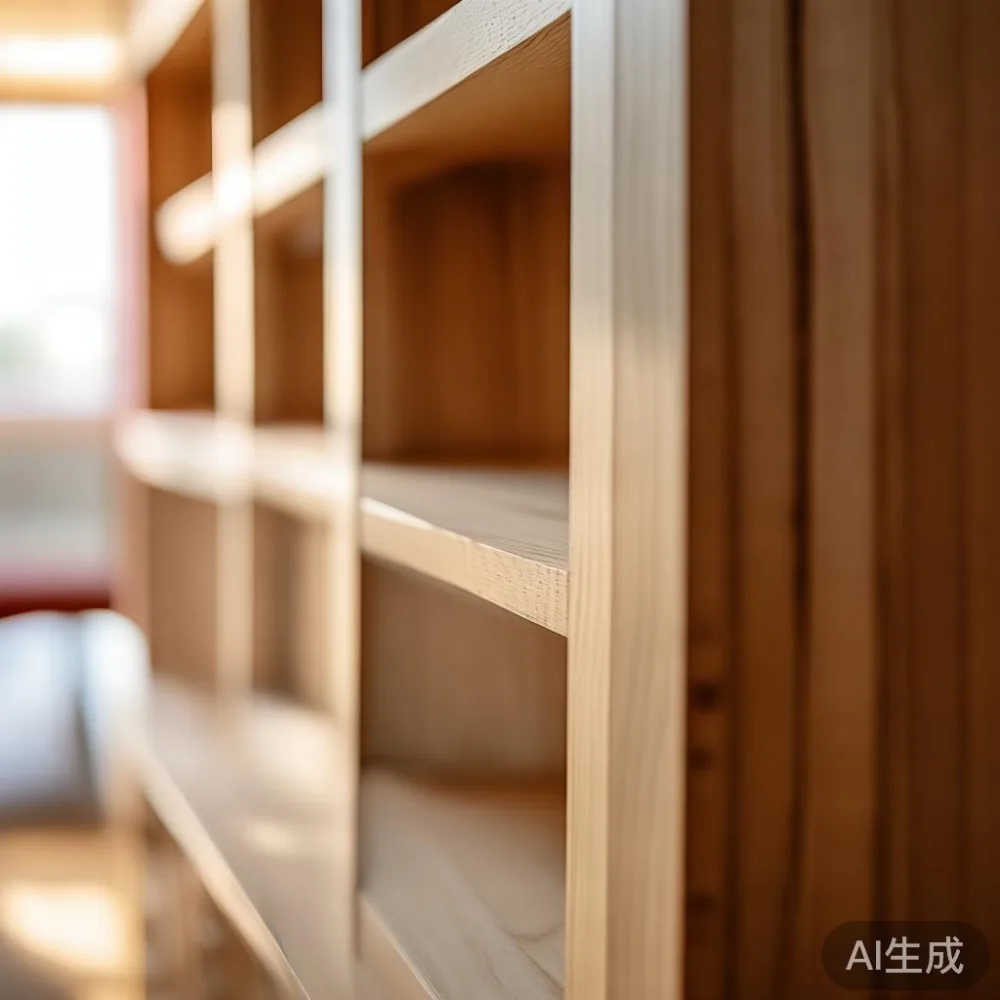
Veneer is a thin layer of wood, commonly about 0.3 to 1.0 mm thick, bonded to an engineered board or particle board. A 25 mm panel can weigh roughly 15 to 30 kg, depending on its core, while comparable solid hardwood sections may weigh 30 to 50 kg. The lighter weight can help when movers carry a wardrobe upstairs, although a 220 cm solid wood wardrobe can still exceed 90 kg and require a 2-person crew.
Veneer offers convincing colour and grain at a lower cost, and replacing one damaged panel may be simpler than splicing a solid board. Its weakness is edge and surface vulnerability. Chips, peeled corners and water marks tend to appear where a child pulls, wipes or bumps the furniture. Moisture can also cause swelling around joints if the panel is not properly sealed.

Solid wood is not automatically indestructible. Cheap pine may dent easily, while kiln-dried oak, ash or beech has a different feel and repairability. In a kids room, the specific board, joint and finish matter. Look for solid wood bed frames, wardrobes and nightstands with stable joinery, rounded edges and water-resistant finishes rather than treating “solid wood” as a guarantee.
How much do veneer and solid wood kids room sets cost?
For this 5-year comparison, I use a coordinated room containing a 120 cm single bed frame, 100 cm nightstand, 120 cm wardrobe and 120 cm desk. The estimated veneer package is SGD 1,780 before delivery, while the equivalent solid wood package is SGD 2,960. These are realistic retail bands for mid-range furniture, not luxury pricing.
The veneer breakdown is SGD 880 for the bed frame, SGD 320 for the nightstand, SGD 460 for the wardrobe and SGD 120 for the desk. The solid wood figures are SGD 1,480, SGD 520, SGD 760 and SGD 200. A modest 10 cm marble table is included as a separate functional item at SGD 280 in either scenario; it is not treated as a wood construction comparison.
Delivery in Singapore can add SGD 80 to SGD 220 for a normal HDB delivery, including lift handling, while a condo with parking restrictions or a long corridor may add SGD 120 to SGD 350. A standard delivery window is 7 to 14 days after dispatch. If a wardrobe must be flat-packed, the installer may charge SGD 60 to SGD 120 more. The heavier solid wood set may require extra labour, so comparing only showroom prices can understate its true cost.
Over 5 years, the solid wood package costs SGD 1,180 more at purchase. That is SGD 236 per year. It is a meaningful difference, but it becomes easier to accept when the room is used daily and the furniture must survive moving, birthdays and repeated reorganising.
Is solid wood cheaper to own over 5 years?
<It depends on the repair history. In my sample room, the veneer set needs 2 small corner repairs costing SGD 55 each and one moisture-related panel replacement at SGD 190. I also budget SGD 95 for touch-up supplies and SGD 60 for two extra delivery trips. Total repair and maintenance spending reaches SGD 455, producing a 5-year cost of SGD 2,235 before GST.
The solid wood set receives one scratch repair at SGD 80 and one hinge adjustment at SGD 45. Care supplies cost SGD 120 across 5 years, and there are no expected panel replacements in the normal-use scenario. Its total reaches SGD 3,205 before GST. Solid wood is SGD 970 more over 5 years in this case, or SGD 194 more per year.
That outcome changes if the veneer furniture is badly damaged. Replacing a swollen wardrobe side or a chipped bed rail can cost SGD 250 to SGD 650, plus SGD 80 to SGD 180 for delivery and fitting. If that happens twice, the veneer set reaches SGD 2,695 to SGD 3,195, overlapping the solid wood figure. Conversely, solid wood can be economical over time if it is moved without impact and refinished rather than discarded.
This is why a simple “veneer costs less” claim is incomplete. Buy cost, repair cost and usable years all belong in the calculation. At 8 to 12 years of actual service, even a moderate solid wood advantage can become clear, particularly for a wardrobe or dining table that stays in the family.
What happens during 60 months of daily family use?
Last month I visited a colleague’s three-bedroom HDB flat in Punggol to examine a child’s room after a house move. The original 120 cm bed frame was veneered particle board. Its footboard had 4 chipped corners, one drawer had swollen after a drink was knocked over, and the desk was scratched beneath a toy keyboard. The family estimated SGD 430 in repairs over 18 months.
The replacement was a 120 cm solid wood bed frame with a 30 cm clearance underneath, rounded corners and a reinforced centre rail. It was heavier at 38 kg compared with the old frame’s 21 kg, and the delivery took 10 days. Two movers brought it through the 90 cm lift and turned it into the bedroom corridor, where clearance was 105 cm. The cost was SGD 1,280 fitted, but the point was not to praise one material blindly; it was to observe how edges, weight and design affect use.
Month-by-month, expect fingerprints on both surfaces, scratches near floor level and hinges that need tightening. Solid wood absorbs impacts differently: a shallow dent can sometimes be sanded and refinished, while veneer can chip through to its core. Veneer’s uniform surface may also show scratches less clearly, and factory-made panels often have very tight gaps.
Humidity is part of Singapore life, but indoor conditions are usually controlled. Keep furniture 15 cm away from an open window, use coasters on the marble table and wipe spills within 5 minutes. Maintain indoor relative humidity around 50% to 65% where practical. Avoid placing damp bedding directly against a wardrobe back, and give wall panels 3 cm of ventilation space.
How do delivery constraints change the comparison?
<A 220 cm wardrobe sounds manageable until it reaches the lift lobby. HDB lift doors are often about 80 to 90 cm wide, and internal lift dimensions may be around 140 cm deep by 110 cm wide. A condo may have wider lifts but tighter corridors, security registration requirements or a loading bay booking.
Measure the route before ordering: door width, lift door, lift cabin, corridor turns and the bedroom opening. Allow at least 5 cm extra room around a tall cabinet when it is tilted. Flat-pack veneer wardrobes can arrive in 2 to 3 cartons, whereas a solid wood wardrobe may arrive as 1 rigid cabinet. If the latter will not fit, a 160 cm wardrobe with sliding doors can reduce delivery difficulty, although it may offer less internal hanging space than a hinged 120 cm model.
Delivery time is another cost. Local stock may be available in 3 to 7 days, but made-to-order furniture commonly takes 30 to 60 days. A replacement panel might take 14 to 28 days to source. During that interval, a temporary folding storage unit can cost SGD 35 per month, which should be included if a damaged wardrobe cannot be repaired immediately.
MIDHILL offers delivery over US$350 without a freight charge, while Singapore orders still need local freight and GST calculated at checkout. Their 14-day returns policy provides a useful check on sizing, although return freight for a bulky item can be substantial. Check the return terms before ordering and inspect the package on arrival.
Which option should a Singapore family choose?
Choose veneer when the furniture is low-impact, the budget is constrained, and easy replacement matters more than long-term repairability. A 90 cm veneer nightstand, for example, may cost SGD 220 and fit a small room well. Add a replacement allowance of 15% to 25% of the purchase price for chips, swelling or scratches. The best European wardrobe for 2026 and the best American wardrobe for 2026 may both feature veneer cores with hardwood details, so material labels should be read carefully.
Choose solid wood when the piece will be used daily, moved frequently or expected to remain beyond 5 years. Inspect the underside, corners, drawer runners and joint construction. A warranty can indicate manufacturer confidence: MIDHILL has operated since 2008 and provides a 10-year structural warranty with lifetime refinishing, which gives solid wood owners a practical route for preserving appearance.
Style matters too. Modern light luxury for guest room ideas can be adapted for a child’s space through oak tones, clean profiles and warm lighting. If you are learning how to choose Japanese sofa, focus on removable covers and child-safe proportions rather than matching an adult living room. A compact solid wood sofa can be useful in a larger kids room, and a dining table may remain as the child grows.
For a 120 cm bed frame, budget about SGD 900 to SGD 1,600 for solid wood and SGD 480 to SGD 900 for quality veneer. The exact price depends on timber, finish and construction, not geography alone. French light luxury often uses pale oak and restrained forms; American light luxury may pair walnut tones with generous proportions; post-modern light luxury can use softened geometry without overwhelming a compact flat.
Before buying, ask for the board thickness, timber species, finish type and repair policy in writing. If learning how to style French bed in bedroom, place the bed away from direct afternoon sun, use one soft rug and keep toy storage visually quiet. If comparing the best Nordic wardrobe for 2026, prioritise adjustable shelves, rounded corners and anti-tip fittings over decorative grain alone.
What is the final 5-year value of each choice?
On the sample used here, the veneer kids room costs SGD 2,235 before GST over 5 years, while the solid wood kids room costs SGD 3,205. That is a difference of SGD 970, or SGD 194 per year. Both figures include estimated delivery, care and repair. Add 9% GST at the point of purchase, subject to the prevailing tax treatment of the transaction.
The practical conclusion is not that one material wins every room. A modest room with replaceable furniture may suit veneer. A heavily used bed frame, wardrobe and nightstand can justify solid wood if the family expects to move it once or twice and values refinishing. The same principle applies beyond the child’s years: a solid wood dining table may serve for 20 years, while a veneer unit may need replacement sooner.
For a kids room, set aside the full upfront figure, add a 10% to 20% contingency for access and repairs, and compare the expected service life. If the pieces will be used for 10 years or more, solid wood often presents a stronger long-term value. Most importantly, measure the route, anchor tall furniture to the wall, choose a low-VOC finish and inspect every delivered piece before accepting it.