How Southeast Asian Humidity Affects Solid Wood Kids Room Furniture
Singapore’s warm, humid climate can change the dimensions, finish and stability of solid wood furniture stored in a kids room. The risk is especially noticeable in HDB flats and condos in Tampines, Bedok and Punggol, where rooms may face afternoon sun, bathroom vapour and the limited cross-ventilation created by common lift and corridor layouts. A properly designed bed frame, wardrobe or dining table can remain serviceable for many years, but humidity control matters from the day it arrives.
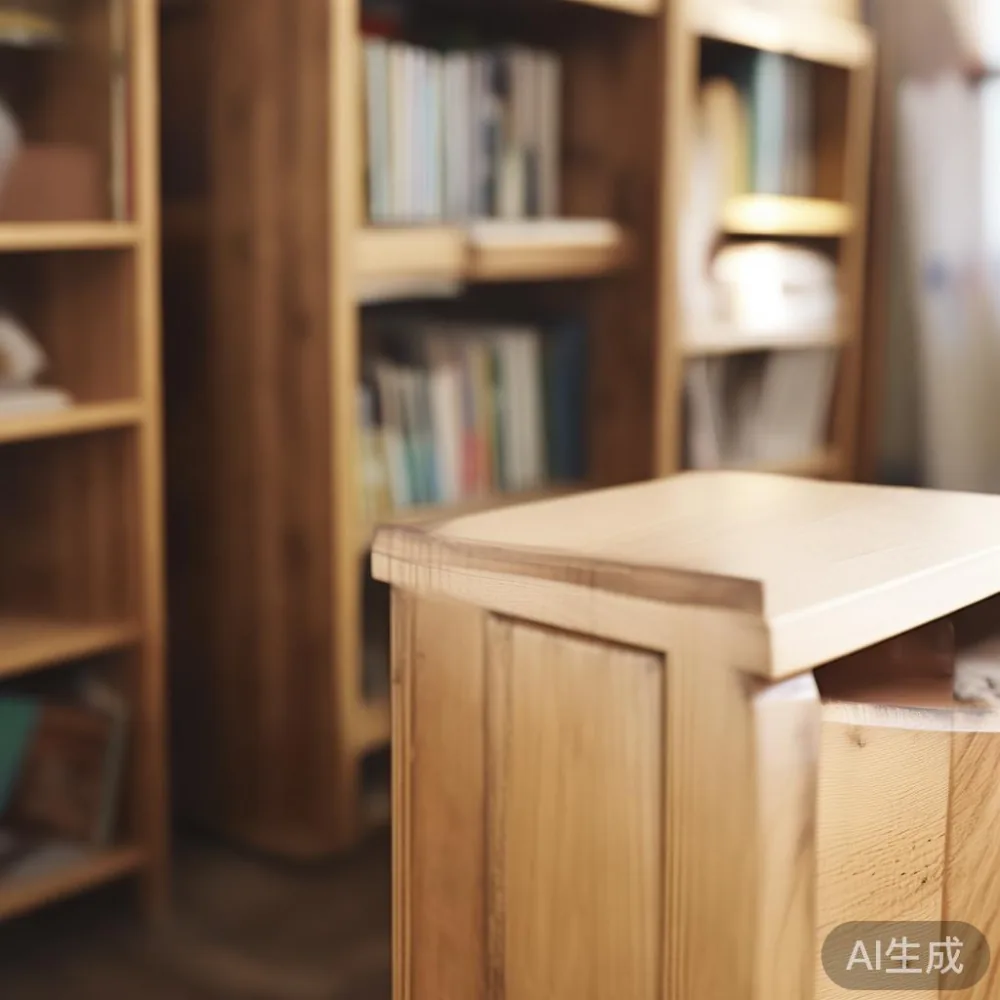
At MIDHILL, we build furniture intended for real family use, with a 10-year structural warranty and lifetime refinishing support. That approach is particularly useful in Singapore, where seasonal rain and daily air-conditioning produce repeated shifts in moisture rather than a constant, dry environment. The goal is not to pretend wood never moves. It is to help customers choose proportions, construction and care routines that reduce visible movement.
This guide focuses on the kids room: children’s beds, storage, study pieces and the small furniture that makes a child’s space comfortable. It also explains what to inspect after delivery, how much clearance to leave around pieces and when humidity has become a repair issue rather than a maintenance task.

Why does humidity make solid wood furniture move in Singapore?
Wood is hygroscopic. It absorbs moisture when the surrounding air is humid and releases it when the air becomes drier. In Singapore, outdoor relative humidity often reaches about 75–85% during wet periods, while an air-conditioned bedroom may be maintained near 50–60%. Repeated movement between those conditions can open fine checks along a grain line, cause a door to sit differently in its frame and make a flat surface appear slightly rippled.
Temperature also affects the result. A room that rises from 24°C to 31°C will not damage a sound solid wood piece by itself, but heat can drive moisture out unevenly. The strongest exposure often occurs beside a window with afternoon sun, near a balcony door or against an external wall in a high-rise HDB flat. Bathrooms generate an additional load: after a shower, moisture can temporarily raise local humidity above 80% and take 30–60 minutes to disperse with effective ventilation.
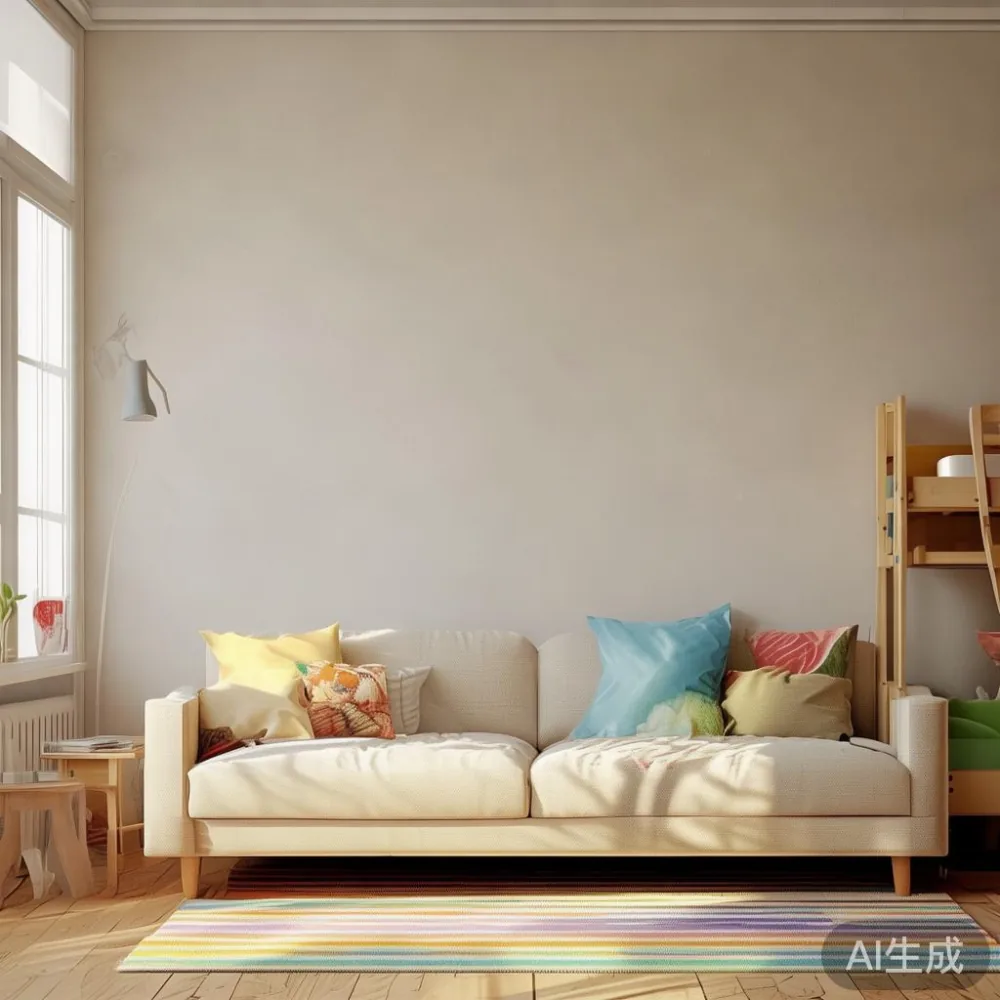
The material matters. Kiln-dried hardwood used for a dining table or bed frame still responds to ambient humidity, but its movement is usually restrained by sound joinery and an appropriate finish. Particleboard and MDF can expand more noticeably across their edges, while veneer may show its substrate if the protective finish has been breached. Solid wood is not moisture-proof, but it is generally more forgiving when specifications and care are handled properly.
How much humidity should a Singapore kids room maintain?
A sensible operating range is approximately 45–65% relative humidity, with room temperature held around 23–27°C. These figures support dimensional stability and reduce mould risk without making a child’s room uncomfortable. During very wet afternoons, a short period above 70% is normal; the more important point is how long the room remains damp and whether air moves across the furniture.
A low-cost hygrometer placed at shelf height can provide a useful reading. Position it 15–30 cm away from an air-conditioner vent or wall, and check it at about 9 a.m. and 8 p.m. over a 7-day period. If the display remains above 70% for several hours daily, improve ventilation or run a dehumidifier. If it repeatedly falls below 40%, reduce direct air-conditioner airflow rather than over-wetting the wood.
In a compact HDB kids room, avoid pushing a wardrobe tightly into an external corner. Leave approximately 5–8 cm behind tall pieces and 3–5 cm at the sides where installation allows. Keep beds and nightstands away from bathroom walls, and place a dining table or study desk where air can circulate on at least two sides. A gap of 20–30 cm between the floor and a slightly raised base can also reduce dampness during heavy rain.
What should I check when a solid wood kids room delivery arrives?
Inspect the furniture before accepting it. Check that doors close evenly, drawers slide without force and a bed frame sits level. Look at end grain, edges and joints for existing cracks. A dry piece may show a hairline check less than 1 mm wide; that is different from a split several millimetres long or a joint that has visibly separated.
Measure the delivery route before the day of arrival. Singapore HDB lift doors commonly measure about 90–100 cm wide and 200–210 cm high in many blocks, though older or upgraded lift dimensions vary. Internal lift cars may be only 110–150 cm deep, while common corridors can be about 120–180 cm wide. A 160 cm solid wood bed frame may need to be turned upright or partially disassembled. Confirm the packaged length, width and diagonal before choosing the service lift.
Protection during transit matters as much as the finish. Keep wrapped furniture away from rain, do not leave it beside a loading bay for more than 20–30 minutes and bring it into an air-conditioned room promptly. Remove plastic only after the surface is dry; trapped film can trap moisture against the wood. Allow an acclimatisation period of 48–72 hours before making final adjustments or applying decorative items.
MIDHILL offers delivery coordination for customers, with free shipping on orders over US$350. Local prices should still be planned in SGD; a practical furniture allowance for one complete kids room is often SGD 1,800–4,500, depending on whether the scheme includes a bed frame, wardrobe, desk and nightstand.
How do I stop a wardrobe, bed frame or nightstand from swelling?
Start with stable indoor conditions. Keep exterior doors closed when rain is heavy, use bathroom exhaust fans for 15–20 minutes after bathing and open internal doors whenever practical. Air-conditioning helps because it lowers both temperature and moisture, but avoid aiming vents directly at a wardrobe door or the head of a bed. Short, regular ventilation is usually more useful than one long period of open windows during peak rain.
For a kids room, choose furniture with durable finishes, rounded corners and stable storage. A solid wood sofa may be useful in a larger multipurpose room, but a low bench or upholstered reading chair near a play area introduces fabric that needs separate humidity attention. For a bed frame, use a mattress that does not press tightly against timber panels; leave about 2–3 cm where clearance is needed and follow the maker’s mattress instructions.
A dining table in a children’s or shared activity area should have enough room for airflow. Leave at least 60–90 cm between the table edge and a wall for chairs, circulation and cleaning. If the table is near a balcony, use a stable felt or cork coaster under plants and avoid damp pots. For a marble table, wipe water promptly because marble is less porous than many stones but acidic spills can dull the surface.
Wipe wood with a soft, slightly damp cloth and dry it immediately. Do not use silicone sprays, washing-up liquid, bleach or alcohol-based cleaners. Avoid wet-mopping directly against a wardrobe plinth. If a finish becomes dull, use a product approved for that specific coating and test it on an inconspicuous 5 cm area first.
What humidity damage can be repaired, and when should furniture be replaced?
Minor surface checking often needs no structural repair. If a fine line does not close as the room becomes drier, apply a finish compatible with the existing coating. Match sheen and colour carefully: one satin sample may look different from an aged panel. Keep the repair area free of heavy use for at least 24 hours, then reassess after the next humid evening and dry morning.
Do not fill a moving joint with filler while the wood is swollen. Wait for stable conditions, usually 7–14 days, and determine whether the gap changes with humidity. A joint that remains within 2–3 mm may be adjusted with a discreet shim or catch; a wider, recurring gap can indicate that the frame has moved and should be inspected by a cabinetmaker.
Warping becomes more serious when a tabletop or door no longer sits flat, a drawer binds across its full travel or a bed rail twists enough to affect the mattress support. A weight test is useful: apply 40–60 kg evenly across a dining table over several minutes and observe the surface. For a bed frame, check the centre rail and legs under normal sleeping load. Never stand or sit on a wardrobe top or a marble table solely to test it; excessive point loading can cause damage even when the furniture is sound.
For damaged coating, sanding and refinishing may restore appearance, provided the timber underneath remains sound. Lifetime refinishing support can be valuable here, but warranty terms and eligible finishes should be confirmed for each piece. Structural problems, mould or decay require different treatment from a cosmetic scratch.
Can you compare European light luxury beds and Italian styles for a child’s room?
Stylish names should not obscure practical requirements. When comparing a European light luxury bed vs Italian light luxury bed, check the internal dimensions, rail height, mattress support and finish compatibility before considering ornament. Italian light luxury for bedroom furniture often emphasises clean lines and tactile finishes, while French light luxury and post-modern light luxury can use softer shapes or graphic details. In a kids room, simpler profiles tend to collect less dust and are easier to maintain.
Search terms can be misleading. A page about the best Industrial bed for 2026 may cover full-size adults rather than children, while a discussion of Mid-century modern for office furniture is not directly relevant to a child’s sleeping area. Likewise, research about light luxury furniture china can explain finish trends, but the local humidity trial, assembly method and after-sales terms still need confirmation. French provincial dining table designs suit larger rooms; a compact version should be assessed around a real chair clearance of 60–75 cm.
Look for a solid wood bed frame with a stable centre support, a wardrobe with adjustable shelves and hardware that can be aligned, and a nightstand with a surface that can tolerate a damp hand or cup. The child’s age, room size and daily habits should guide the selection. A room measuring 2.8 m by 3.2 m may accommodate a 90 cm bed with only narrow bedside circulation, so measurements should be taken before ordering.
Is it normal for a solid wood bed frame to develop small gaps?
Small movement can be normal, but its scale and context determine whether it is acceptable. A change of 1–3 mm over a season in a wide panel is less concerning than a sudden split, a mouldy smell or a rail that no longer supports the mattress. Record dimensions and photographs on delivery, then compare them after 7 days, 30 days and at the end of a wetter month. This creates an accurate maintenance record.
Ask the seller how the piece should be installed and serviced. MIDHILL has operated since 2008 and exports to more than 15 countries, giving the company experience across different climate zones. Its 10-year structural warranty addresses qualifying structural issues, while a 14-day return window provides an opportunity to identify an obvious problem, subject to the stated return conditions. Customers should confirm the item condition, assembly and delivery terms before accepting the furniture.
What is the simplest humidity-care routine for a kids room?
Use a three-part routine: measure, circulate and inspect. Check the hygrometer twice each day for 7 days, maintain approximately 45–65% relative humidity, and keep furniture 5–8 cm from suitable walls where space permits. Run a dehumidifier when readings remain above 70% and clean filters every 2–4 weeks, following the device instructions. Avoid abrupt changes: aim for no more than a 5% humidity shift over 24 hours.
Inspect vulnerable areas every 2–3 months. Look beneath the bed, around wardrobe bases, inside drawers and below window-side nightstands. Touch the timber to check for dampness, and examine surfaces under good light. Small dust marks can be removed with a dry microfibre cloth; persistent dampness needs an environmental correction rather than extra polish.
Choose furniture that suits the room’s dimensions and climate. For a compact HDB flat in Bedok, a slim solid wood bed frame, fitted wardrobe and wall-conscious desk may create more usable space than bulky pieces. In a larger Punggol condo, a dining table or marble table can support shared activities, but still requires airflow and careful placement.
Humidity does not make solid wood furniture unsuitable for Southeast Asia. It does make disciplined care important. With suitable moisture control, sensible spacing and regular inspection, a kids room can retain its character and function for years while the family adjusts the space to a child’s changing needs.