How to Care for a Lacquered Kids Room in Singapore’s Humid Climate
A lacquered kids room in Singapore rarely stays dry for long. Humidity, afternoon rain, air-conditioning, sticky fingers, and sudden changes in temperature can all affect a finished surface over time. The goal is not to create a rule-obsessed cleaning routine, but to use a few measured habits that protect lacquer without making the room feel clinical. For families furnishing an HDB flat in Tampines, a condo in Bedok, or a new home in Punggol, these habits matter because polished furniture often shares space with compact corridors, frequently opened windows, and busy family routines.
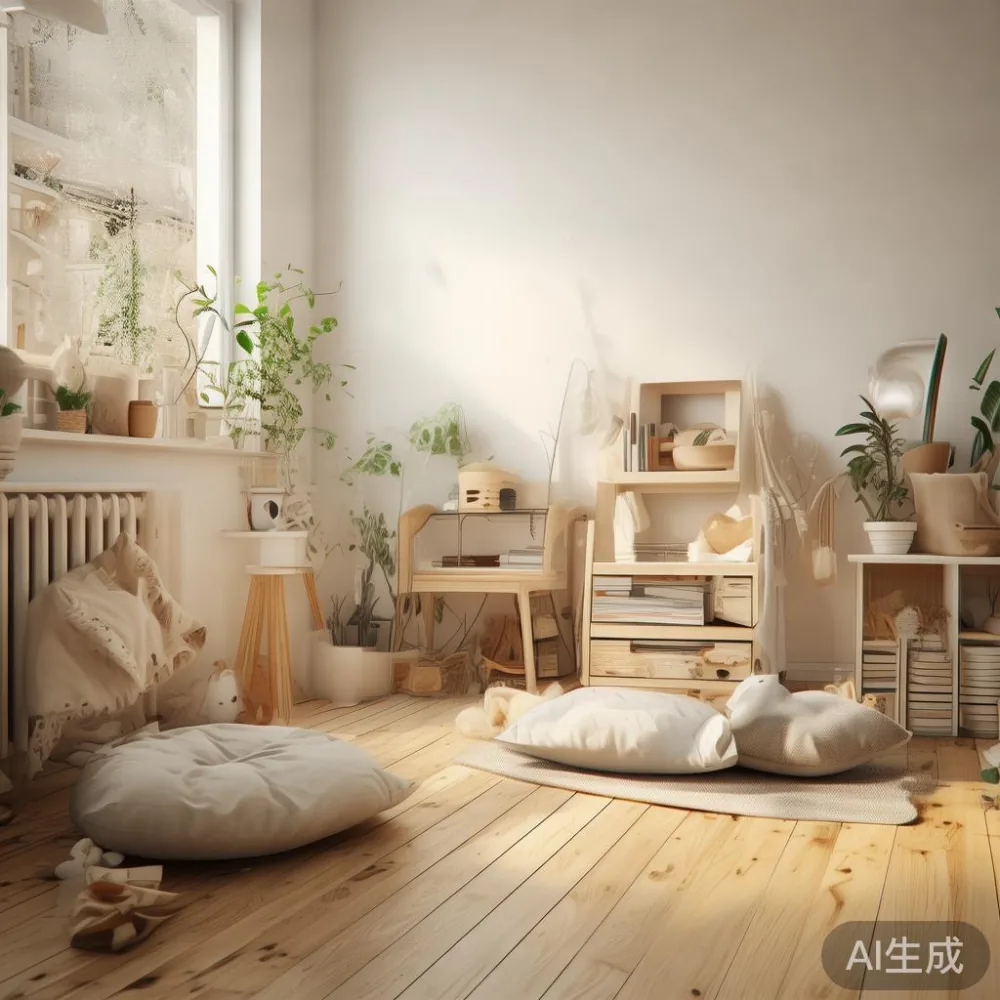
MIDHILL designs lacquered pieces for practical residential use, including kids-room storage, solid wood bed frames, wardrobes, nightstands, and dining tables. A lacquered surface should still be treated as a finish that responds to its surroundings. Relative humidity, sunlight, water, and abrasive grit are more important than the name of the product used to wipe it.
What does humidity do to lacquered furniture in Singapore?
Lacquer can look glass-like while remaining sensitive to environmental changes. In Singapore, outdoor relative humidity commonly ranges from about 70% to 90%, while air-conditioned interiors may fall to roughly 50% to 65%. A 30-percentage-point swing over a day can encourage wood movement beneath the finish. A solid wood bed frame, wardrobe, or dining table may expand or contract by a small but visible amount if its edges and joints are not considered during installation.
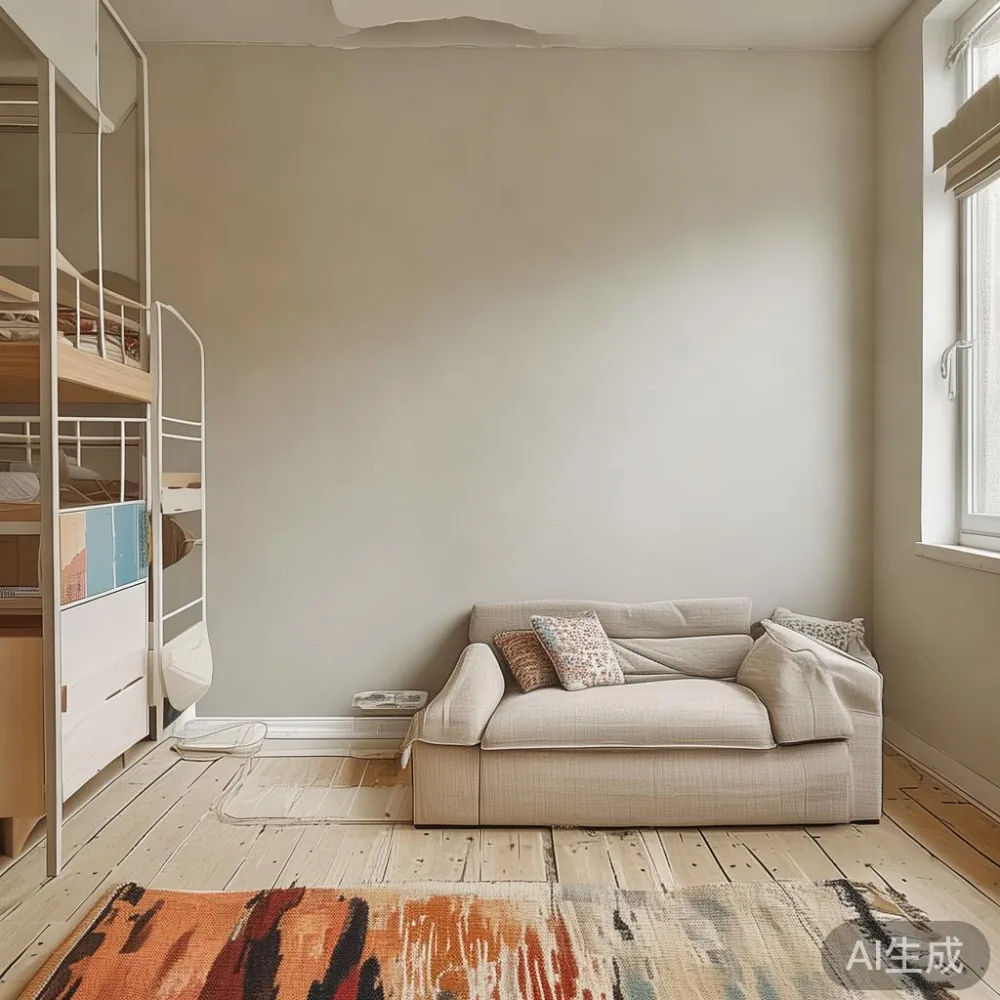
For most Singapore homes, maintaining indoor relative humidity between 55% and 70% is a sensible target. It is rarely necessary to run a dehumidifier continuously. A digital hygrometer costing about SGD 25 to SGD 60 is enough to identify a persistently damp corner or a room that becomes unusually dry. Place the sensor around 100 cm above the floor and away from direct airflow from an air-conditioner.
Keep lacquered furniture at least 30 cm from an open window, 60 cm from a frequently used sliding door, and 45 cm from an air-conditioning vent where practical. In a narrow HDB living room, this may mean placing a solid wood sofa against an interior wall rather than directly beside the balcony. It also means leaving clearance around a kids-room wardrobe so that moisture does not remain trapped behind it.

Lift and corridor dimensions deserve attention during delivery as well. A modern HDB lift commonly measures about 90 cm wide and 140 cm deep, although older blocks vary. A lacquered nightstand with a 40 cm width may enter easily, while a large wardrobe or bed frame may require assembly at the door. For condo moves, reserve the freight lift and check whether the packaged piece exceeds a doorway width of 85 cm. These access details protect the lacquer because a forced corner can crack or dent the finish before it reaches the room.
How should I clean a lacquered surface without damaging the coating?
Use a soft, lint-free cloth dampened with plain water and a small amount of mild dishwashing liquid. The proportion is approximately 1 teaspoon of detergent to 500 ml of water. Wring the cloth until it is only damp, then wipe in the direction of the grain. Dry the area immediately with a separate clean cloth.
Do not soak lacquered panels, flood the joints of a solid wood bed frame, or spray cleaner directly onto a wardrobe or kids-room desk. A saturated cloth can wick water into seams and edges, where it may remain longer than it does on the exposed face.
For ordinary dust, a dry microfibre cloth usually removes enough. For fingerprints and sticky marks, dilute detergent is safer than ammonia, bleach, vinegar, alcohol, or concentrated glass cleaner. After wiping, allow the surface to dry for 20 to 30 minutes before placing toys, books, or bedding against it.
Cleaning frequency depends on use rather than the calendar. Wipe a lacquered dining table after each meal and clean a frequently touched nightstand once a week. A wardrobe handle may need attention every 3 to 7 days during school holidays. A solid wood sofa should not be sprayed with water; its lacquered frame can be wiped carefully, but upholstery needs its own cleaning method.
Can sunlight fade lacquer in a children’s room?
Yes. Direct sun can discolour both lacquer and the timber visible through a clear finish. A dark panel may lose depth, while a pale finish may shift towards yellow. Singapore’s UV index often reaches 11 or higher around midday, so curtains are more useful than occasional wiping.
Install a sheer curtain with a visible light transmission of approximately 40% to 60%, or combine it with a blackout layer. Keep lacquered furniture at least 60 cm from a south-facing window where possible. Rotate a stool or small nightstand every 6 months if one side receives noticeably stronger light.
Do not place a hot iron, radiator, clothes ironing board, or heated hair dryer directly against the furniture. Local air-conditioned bedrooms can experience rapid surface-temperature changes, especially when a child’s room warms quickly during the day. A stable routine of 26°C air conditioning, with moderate ventilation when the outdoor relative humidity is below 80%, offers a more consistent environment for lacquered pieces.
Marble table tops require a different approach. A marble dining table in a children’s room or study area can be affected by acidic spills, so wipe orange juice, cola, and tomato sauce within 5 minutes. The surrounding lacquered dining table or solid wood seating should still be kept dry, and coasters with a diameter of 8 cm to 10 cm help prevent rings.
How do I protect a kids room from spills, heat, and everyday marks?
Children’s rooms need more margin for error. Fit a lacquered wardrobe with soft catches on doors that may swing against a wall, and use a 2 mm felt pad beneath a solid wood nightstand or low cabinet. Avoid rigid plastic sliders on floors that can leave grit trapped against furniture legs.
A table protector can help during homework and craft sessions, but it should not be fixed tightly to the lacquer. Leave a 5 cm gap at the edge so moisture can evaporate. For a dining table, use placemats measuring at least 30 cm by 40 cm and coasters of 8 cm to 10 cm. Replace felt pads every 6 to 12 months because compressed felt can collect dust and scratch a lacquered base.
Place fragile objects away from the front edge of a nightstand. A 15 cm-wide zone at the edge should remain clear, especially in a child’s bedroom where a water cup or craft bottle may be knocked over. For a bed frame, check that floor-level toys do not rub against the side rails during floor time.
Furniture style can support these habits without making the room crowded. French light luxury often introduces pale upholstery, gentle curves, and reflective finishes, but the lacquer should be balanced with natural wood and washable textiles. Post-modern light luxury can combine cleaner lines with a warmer solid wood bed frame. A useful comparison such as French sofa vs Modern sofa can help a family select proportions for a compact living area before choosing the children’s furniture.
What should I do if the lacquer gets scratched, swollen, or cloudy?
Small marks should not be corrected with aggressive polishing. If a lacquered surface loses gloss, first determine whether the mark is dirt, a fine scratch, or moisture damage. Clean it with the damp-cloth method. A hairline scratch that catches only a fingernail can usually be left alone; deeper damage may need professional assessment.
For a heat mark, let the surface cool naturally for 60 minutes. Do not rub it while warm, because heat can spread the distortion. For a white water ring, a lightly damp cloth may lift the residue, but repeated chemical treatment can dull the surrounding finish. If a wardrobe panel appears swollen along one edge, keep the area dry and avoid sanding it at home. Swelling suggests that moisture reached the substrate or an adhesive joint.
Keep an invoice, care record, and photographs of the finish. This makes warranty discussions clearer and helps a repairer match colour and sheen. MIDHILL offers a 10-year structural warranty on eligible furniture, and lifetime refinishing support may cover appropriate service needs under its policy. Warranty scope and refinishing terms should be confirmed for the specific item rather than assumed for every surface.
How often should lacquered furniture be maintained?
A simple schedule is easier to sustain than a demanding ritual. Check the hygrometer once a week. Dust horizontal lacquered surfaces every 7 days, clean handles every 3 to 7 days, and inspect window-adjacent furniture every 3 months. During humid weeks, wipe any condensation from a wardrobe or bed frame within 30 minutes.
Use renewal intervals rather than fixed replacement intervals. Replace a desk blotter every 12 to 18 months, felt pads every 6 to 12 months, and a drink coaster whenever its felt becomes wet or rough. If the finish feels tacky, do not stack objects on it; move the piece away from heat and contact a service professional.
Service furniture before it becomes crowded. Singapore delivery commonly takes 7 to 14 delivery days for in-stock items, while made-to-order pieces may require 4 to 8 weeks. Factor in the building’s loading area, lift booking, and assembly time when planning a child’s room. Leave about 60 cm of clear circulation space in front of a kids-room wardrobe and at least 75 cm beside a bed where a child needs to move safely.
Can air-conditioning alone prevent damage to a lacquered kids room?
Air-conditioning helps control temperature, but it does not remove every airborne particle and does not guarantee the correct humidity level. Run it consistently, keep doors and windows closed when the outdoor humidity is high, and ventilate briefly after a shower or wet-weather entry. Use a exhaust fan for 20 to 30 minutes in a windowless bathroom adjoining a child’s room.
Some families search for design guidance such as how to choose French bed or is Japandi bed worth it while planning a compact bedroom. The answer depends on clearances and daily use, not only appearance. Measure the mattress area, add at least 5 cm for a frame border, and check the route from the lift. A smaller, lighter frame may be easier to reposition for cleaning than a wide model.
For a shared apartment layout, questions such as how to style Japandi wardrobe in apartment can prompt useful spacing decisions, while Rustic for guest room is more relevant when a study becomes an occasional guest sleeping area. The universal rules remain the same: keep moisture away from the finish, provide stable indoor conditions, and leave enough space to clean around every edge.
What if the furniture has to move between rooms or buildings?
Move lacquered furniture in its protective covering and never drag it across a tiled floor. Two people should carry a nightstand if it weighs more than 20 kg; use a furniture dolly rated for at least 1.5 times the item’s weight. A solid wood dining table may weigh 70 kg to 120 kg, while a large wardrobe can exceed 150 kg. Blanket corners and secure doors before transport.
For a short internal move, a 5 cm gap beneath a light bed frame can protect the base, but taller storage should be lifted rather than tilted. If a panel is removed, bag and label each fitting, photograph hinge positions, and reinstall them evenly. Avoid leaving an empty wardrobe, dresser, or nightstand in direct sunlight after its finish is exposed.
Families in Tampines, Bedok, and Punggol can plan around delivery windows and lift reservations without rushing installation. For items over US$350, MIDHILL provides free international shipping under its stated policy, while Singapore orders should be confirmed with the supplier because local charges, GST, and delivery terms can vary. A 14-day return period allows a final check, provided the furniture remains clean, unused, and in its original protective packaging.
A well-cared-for lacquered kids room should feel calm, bright, and easy to maintain. The finish does not need constant attention. It needs a stable climate, restrained cleaning, prompt spill response, and sensible placement within the dimensions of the home. Measure the room, control moisture, and allow the furniture to age with the family rather than trying to make it look untouched.