Solid Wood Furniture Prices: What Singapore Buyers Really Pay For
Solid wood furniture can look deceptively simple in a showroom. One bed frame looks heavier than another, one dining table receives compliments, and a kids room wardrobe appears to offer more storage for less money. Yet the visible material is only one part of the price. Timber species, moisture control, joinery, hardware, finishing, dimensions, and delivery logistics all affect the final invoice.
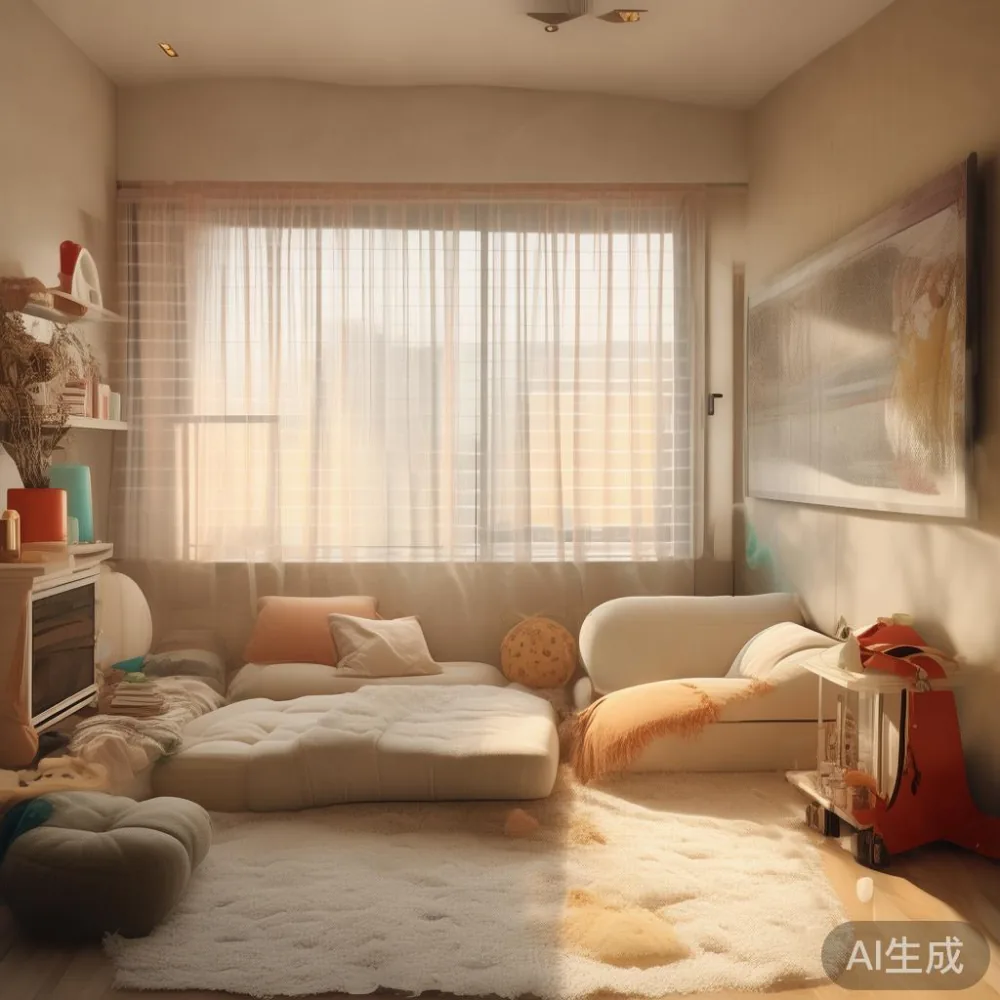
For Singapore households, those variables matter because apartments have practical limits. An HDB flat in Tampines may have a compact kids room, while a Bedok condo may offer a wider corridor but still have a constrained lift. Punggol families often balance storage with floor area, and GST must be included when comparing quotations. MIDHILL makes solid wood furniture in Foshan, where material selection and production scale can keep specifications competitive for families furnishing a kids room, guest room, or main bedroom.
This guide explains what actually drives the price of solid wood furniture, using Singapore dimensions and costs as a reference point. The aim is not to identify one universal bargain. It is to help buyers compare products that may look similar but differ materially in use, durability, and long-term value.
What determines the price of a solid wood dining table?
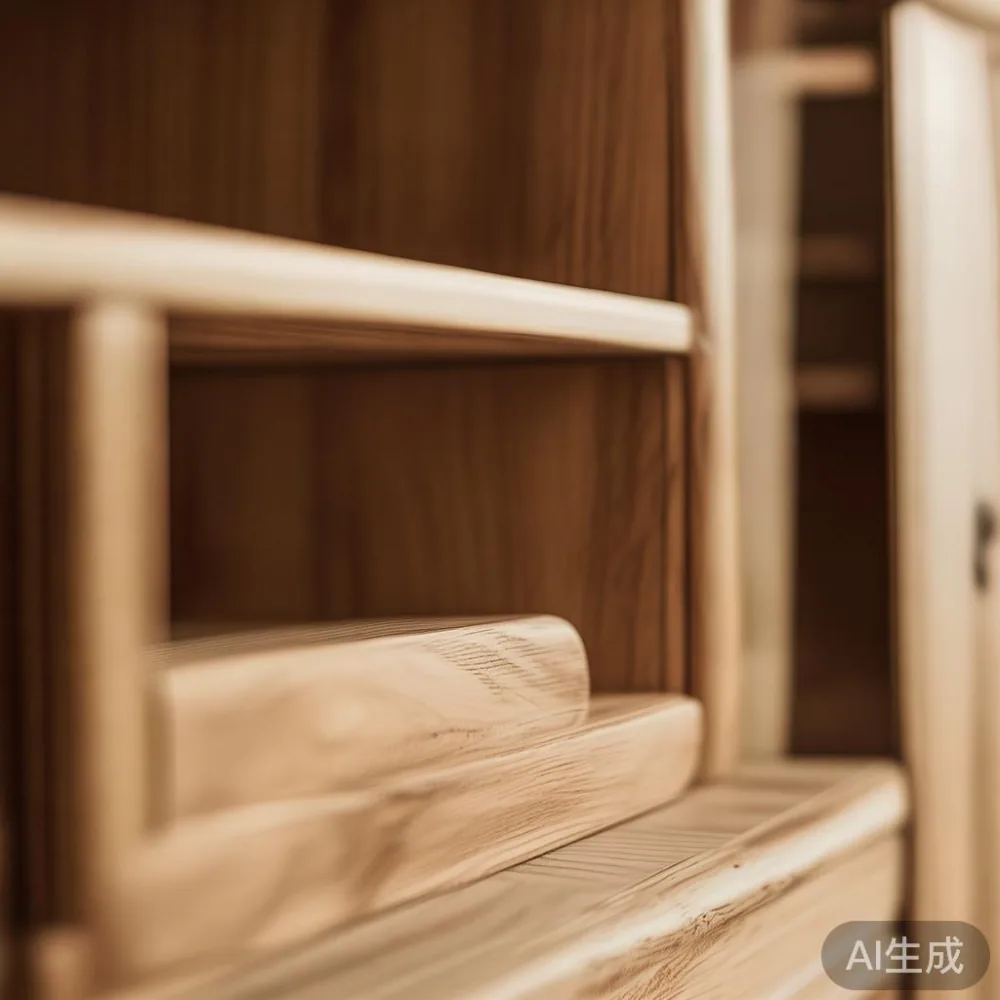
The timber is a major starting point, but “solid wood” is a construction description rather than a single species or grade. A dining table may use rubberwood, oak, ash, beech, walnut, or another verified timber. Each has different supply patterns, grain character, hardness, and market pricing. A 200 cm by 100 cm table in one wood may cost SGD 1,800, while another design in a scarcer veneer or solid timber may reach SGD 3,200 before GST.
Board thickness affects weight and stability. A top made from 18 mm boards feels meaningfully different from a 25 mm top. That additional material can add 20 to 40 kg to a large table, influencing transport cost and making it harder to move through a lift. A 4-legged base in the centre of the table may support a family of six more confidently than a narrow trestle arrangement, while a 90 cm width can leave only 55 cm of space per diner at a six-seat table.

Joinery is another price driver. Dowelled and glued joints, mortise-and-tenon construction, and reinforced corner blocks require different production steps. Wood that is kiln-dried to approximately 8% to 12% moisture content is better suited to Singapore’s humid conditions than timber stored under variable humidity. The quality of drying cannot be seen in a photograph, so buyers should ask for the species, thickness, finish, and moisture-control information in writing.
Finish also changes the figure. Clear matte lacquer may be economical and practical for a kids room. Smoked oak, fumed walnut, white oak, or a hand-rubbed oil finish can add SGD 150 to SGD 800 to the same table because staining and multiple treatment stages consume more labour. A marble table follows a different route: the surface may be natural marble, while the structure remains timber or metal. Each slab has its own pattern, and reinforced packaging can add to freight.
Is a solid wood sofa worth the extra money compared with a fabric model?
A solid wood sofa can cost SGD 2,400 to SGD 6,500 depending on frame construction, cushions, upholstery, and size. The timber frame may last longer than a particleboard or mixed-wood alternative, but the price does not guarantee a comfortable seat. Foam density, feather wrapping, suspension type, seam finishing, and fabric grade can influence the experience as much as the visible frame.
This is why a clear breakdown matters. A 210 cm three-seat solid wood sofa with a kiln-dried hardwood frame, high-resilience foam, removable covers, and tied springs may sit around SGD 3,900. The same general silhouette with a lighter mixed frame, thinner foam, and fixed covers may be around SGD 2,300. Neither description alone establishes value. Buyers should compare the hidden components and the warranty rather than infer quality from the word “wood” alone.
For children’s spaces, the material around the frame deserves attention. A washable, tightly woven fabric with pilling ratings and colourfastness information is useful in a kids room. Full leather can cost another SGD 700 to SGD 2,500, but it requires care around spills and humidity. Since upholstery affects the price by several hundred dollars, ask whether seat cushions are reversible, whether covers can be replaced, and how stains should be treated.
I tested this distinction last month at a supplier’s Foshan showroom. Two solid wood sofas had nearly identical silhouettes and timber legs. One used thicker seat foam and more substantial rear bracing; the other used a thinner cushion and had several diagonal joints. The heavier unit was 46 kg rather than 34 kg and cost SGD 1,100 more. Moving it into the sample room took two people and 20 minutes. That experience reinforced a practical point: sofa price includes what is inside, while delivery planning must also account for whether the lift and corridor can accept the packed dimensions.
How much should a bed frame cost in Singapore?
A queen bed frame may range from SGD 900 to SGD 3,000, while a king frame with more timber, decorative detailing, or integrated storage may reach SGD 4,500. The bed is often one of the easiest places to save money without seeing an immediate difference, yet the differences affect floor strength, movement, and serviceability.
Consider a typical Singapore queen mattress at 152 cm by 190 cm. A 160 cm by 200 cm frame gives 4 cm of width on each side and 5 cm at the foot. A 165 cm by 205 cm frame offers more clearance but can create a tight relationship with a wardrobe in a compact HDB room. Slatted bases need sufficient support spacing, while a solid platform can provide a different look and feel but may be heavier.
Headboard design also affects price. A plain 100 cm timber panel may add SGD 80; a 125 cm upholstered panel may add SGD 350 to SGD 900. Tall posts, curved profiles, and matched storage add further cost. When comparing a European bed, it is useful to ask how to style European bed in bedroom layouts with wardrobes, curtains, and narrow circulation paths. The visual language should suit the room rather than force extra furniture into limited floor area.
The external finish should be specified. Eucalyptus, rubberwood, and beech each behave differently, and a frame finished with low-VOC water-based coating can be more suitable for a children’s bedroom. A model advertised with a 10-year structural warranty should identify whether the coverage includes joints, slats, centre supports, and bed rails. It should also explain what is excluded, such as mattress indentation or accidental damage.
Is European bed worth it for a Singapore bedroom?
The phrase “European bed” can refer to a design style, a place of manufacture, or marketing language rather than a regulated construction standard. A sculpted oak frame may cost SGD 2,800, while a simpler Scandinavian-style solid wood bed may cost SGD 1,500. If a buyer asks whether a European bed is worth it for a Singapore home, the answer depends on room dimensions, humidity performance, assembly, and after-sales support—not on the label alone.
Humidity makes the comparison more local. Singapore’s outdoor air can approach 80% relative humidity during wet periods. Solid wood can move by small amounts as it responds to changing moisture, so expansion gaps and ventilation matter. A bed should not sit directly against a cold exterior wall or where condensation is likely. Good finishes slow surface changes, but they do not make timber immune to movement.
For a kids room, a low-profile bed can free visual space, but safety requirements remain the priority. Guardrail height, gaps between rails, corner projections, and mattress fit should be checked. A European-style platform may need a separate guardrail, and that extra piece can add SGD 120 to SGD 350. Measure the mattress before ordering: a nominal “queen” purchased internationally may not match a local 152 cm by 190 cm mattress.
What should I pay for a wardrobe and a nightstand?
A wardrobe is priced by its external volume, internal system, timber, and hardware. A 180 cm-wide, 200 cm-high, 55 cm-deep wardrobe may cost SGD 1,600 in a basic mixed construction. A solid wood version with adjustable shelves, soft-close hinges, drawer runners, and a more demanding finish may cost SGD 3,200 to SGD 5,500.
Inside the wardrobe, the usable details are measurable. A 120 cm hanging section can hold approximately 30 to 35 garments on standard hangers, depending on garment length and hanger thickness. Six drawers of 45 cm width may make better use of a child’s wardrobe than three wide drawers. For a kids room, a lower hanging rail and a 90 cm-high section can allow a child to organise clothes without adult help.
Hardware prices should be considered with the cabinet, not as an afterthought. Soft-close hinges, full-extension runners, and anti-tip fittings add useful function, but inexpensive fittings may need adjustment within 1 to 3 years. Solid wood drawer sides also carry a price advantage over thin panels because they resist sagging under damp clothing and towels.
A nightstand can range from SGD 180 to SGD 700. A 40 cm by 35 cm unit with one drawer, a 20 cm-high shelf, and solid timber sides may cost SGD 320. Marble, stone, or lacquered surfaces can raise that to SGD 550. The nightstand should complement the bed height: if the mattress top sits at 55 cm, a 50 cm nightstand may leave the surface almost level with the mattress, while a 55 cm unit is easier to reach.
For buyers researching the best European wardrobe for 2026, the relevant comparisons include drawer depth, rail position, hinge brand, wood thickness, and delivered dimensions. A European name does not replace an inspection checklist. Ask for the inside measurements and the mechanism warranty.
How do light-luxury details affect furniture prices?
Light luxury sits between plain utility and decorative statement furniture. French light luxury often introduces soft curves, pale oak, linen textures, and brass-toned accents. American light luxury tends toward generous proportions, upholstered forms, and layered neutral palettes. Post-modern light luxury can use cleaner geometry, selective contrast, and restrained material variation.
These styles become more expensive through proportion and detail rather than excess. A solid wood bed frame with a 125 cm curved headboard may use more timber and hand finishing than a 100 cm rectangular model. A solid wood sofa with sculpted arms requires shaping templates and sanding. A marble table may use a 20 mm top with eased edges instead of a squared 15 mm slab.
Hardware and touch points matter. A wardrobe with slim brass-coloured pulls, recessed finger pulls, or coordinated hinge systems can add SGD 200 to SGD 900. Brass-plated handles are generally more economical than solid brass, while leather pulls can add another SGD 40 per pull. If the goal is light luxury for guest room, a modest upholstered armchair, a 45 cm round side table, and a framed mirror may create more impact than an oversized suite.
For shoppers comparing under 2000 Post-modern furniture, a 150 cm bed frame at SGD 1,650 or a 180 cm wardrobe at SGD 1,900 may show the style’s geometry, but the specification should remain clear. Product terms should not be used to conceal mixed timber, thin panels, or unlisted hardware. A sculptural silhouette made with engineered board can cost less while looking similar for a limited period.
For a kids room, light luxury should be interpreted through durability and calm visual order. Pale timber, rounded edges, concealed fixings, and a limited palette can create a composed room without turning it into a formal sitting area. Child-safe finishes and replaceable textiles may cost more initially but reduce disruption later.
How do delivery, lifts, and GST change the final price?
The displayed product price is rarely the complete landed cost in Singapore. GST adds 9% to most furniture sales, and delivery depends on the packed volume, weight, access, and destination. A packed dining table might measure 220 cm by 115 cm by 18 cm and weigh 68 kg. A flat-pack wardrobe may occupy less road space but require two people and 45 to 70 minutes of assembly after arrival.
Lift access should be checked before ordering. Common HDB lift interiors are around 100 cm wide and 120 cm deep, though building-specific measurements vary. A package turned on its side may fit a 100 cm opening but still fail at a 90 cm corridor corner. A 210 cm sofa packed in a protective carton can be difficult to pivot inside a narrow landing even if it fits the lift.
Useful measurements include the lift door width, internal height and depth, corridor turns, stair width, and the distance from the lift lobby to the bedroom door. Add 10 cm to the largest package dimension when checking a doorway. For upper-floor HDB flats without a suitable passenger lift, carrying a 40 kg wardrobe through 12 flights can add SGD 120 to SGD 300 in service fees.
MIDHILL offers delivery to Singapore, and qualifying orders over US$350 receive free shipping under its stated shipping policy. Because the threshold is in US dollars, the exact SGD value should be confirmed at checkout rather than estimated. It is also important to distinguish free freight from local delivery, lift handling, assembly, and GST.
Typical delivery timelines may be 7 to 21 days for stock items and 30 to 60 days for made-to-order pieces. These ranges can change with production schedules, peak periods, customs procedures, and the destination. A room should not be scheduled around a vague “2 to 4 weeks” promise; a firm date or tracking window is more useful.
What should a buyer verify before paying for solid wood furniture?
Begin with a written specification. It should identify the timber species or clearly describe the material used, distinguish solid wood from veneer or engineered board, and state panel thickness. “Solid wood” used for visible frames does not necessarily mean every hidden component is solid timber. That distinction can account for several hundred dollars in a wardrobe or bed frame.
Then check tolerances and movement. A manufacturer should explain how solid wood is prepared for Singapore’s climate, which finish is applied, and how many coats are used. For a dining table, ask about expansion joints and the stability of the base. For a wardrobe, inspect the back panel, shelf supports, hanging rail, and drawer joints. For a bed, examine slat spacing, centre support, rail connections, and the floor-contact fixings.
Warranty terms should also be precise. MIDHILL provides a 10-year structural warranty and lifetime refinishing, which gives buyers a clear distinction between structural failure and ordinary surface wear. Ask whether refinishing covers customer-requested colour changes, freight, and work performed outside the supplier. A 14-day return policy offers another layer of protection, but furniture returns can involve substantial packing and transport damage risk, so the return conditions should be read before ordering.
For delivery, request packed dimensions and gross weight—not only the assembled measurements. Confirm whether the quotation includes GST, curbside delivery, room-of-choice placement, assembly, and lift charges. Photograph the furniture on arrival and inspect corners, rails, drawer faces, and surfaces before the delivery team leaves.
Finally, compare total ownership rather than sticker price alone. A SGD 2,800 dining table with 25 mm timber, stable joinery, and a refinishing service may fit a family’s use for 15 years. A SGD 1,600 table with a thin top and weak joints may need replacement sooner. Price is driven by several visible and hidden inputs; sound information helps the buyer pay for the inputs that matter in the actual home.