Veneer vs Solid Wood in a Singapore Kids Room: A 5-Year Cost Breakdown in SGD
I moved my family into a 4-room HDB in Tampines North last month, and the moment my six-year-old started drawing dinosaurs on the wardrobe with a crayon, I realised the kids room furniture question was no longer theoretical. What looks identical in a showroom photo can cost very different amounts over five years once you factor in Singapore humidity, lift access on the 12th storey, and the small-but-real risk of a milk spill at 7am.
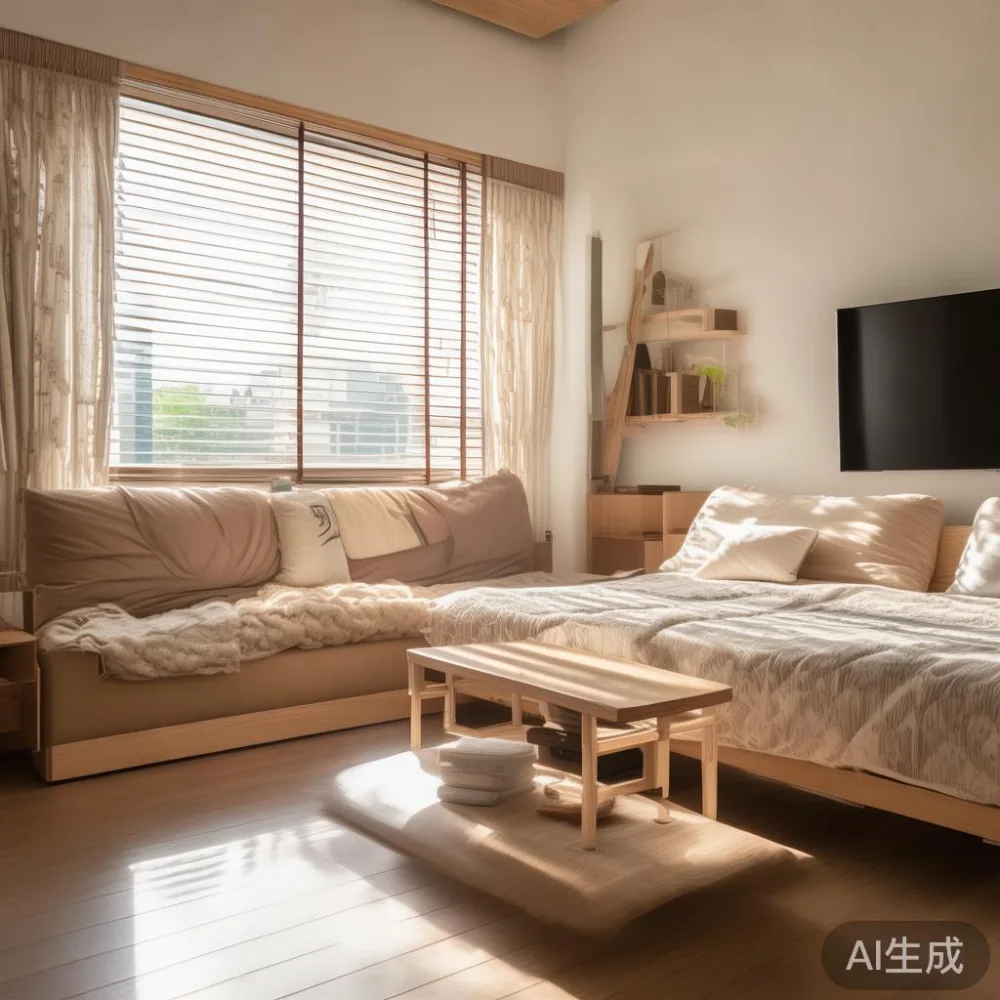
This guide is a side-by-side, SGD-denominated comparison of veneer furniture versus solid wood furniture for a kids room, using Singapore HDB and condo realities (corridor widths around 1.2 m, lift openings about 0.9 m wide, 9% GST, delivery surcharges for non-lift floors). It is also the guide I wish I had before buying my own child's bed frame, nightstand and small wardrobe.
What is actually different between veneer and solid wood?
Veneer furniture is built from engineered wood panels (MDF, particleboard or plywood) with a thin slice of real wood glued on top, usually 0.3 mm to 1.5 mm thick. Solid wood furniture is milled from one piece of timber, most commonly ash, oak, rubberwood or beech for the price band most Singapore parents shop in.
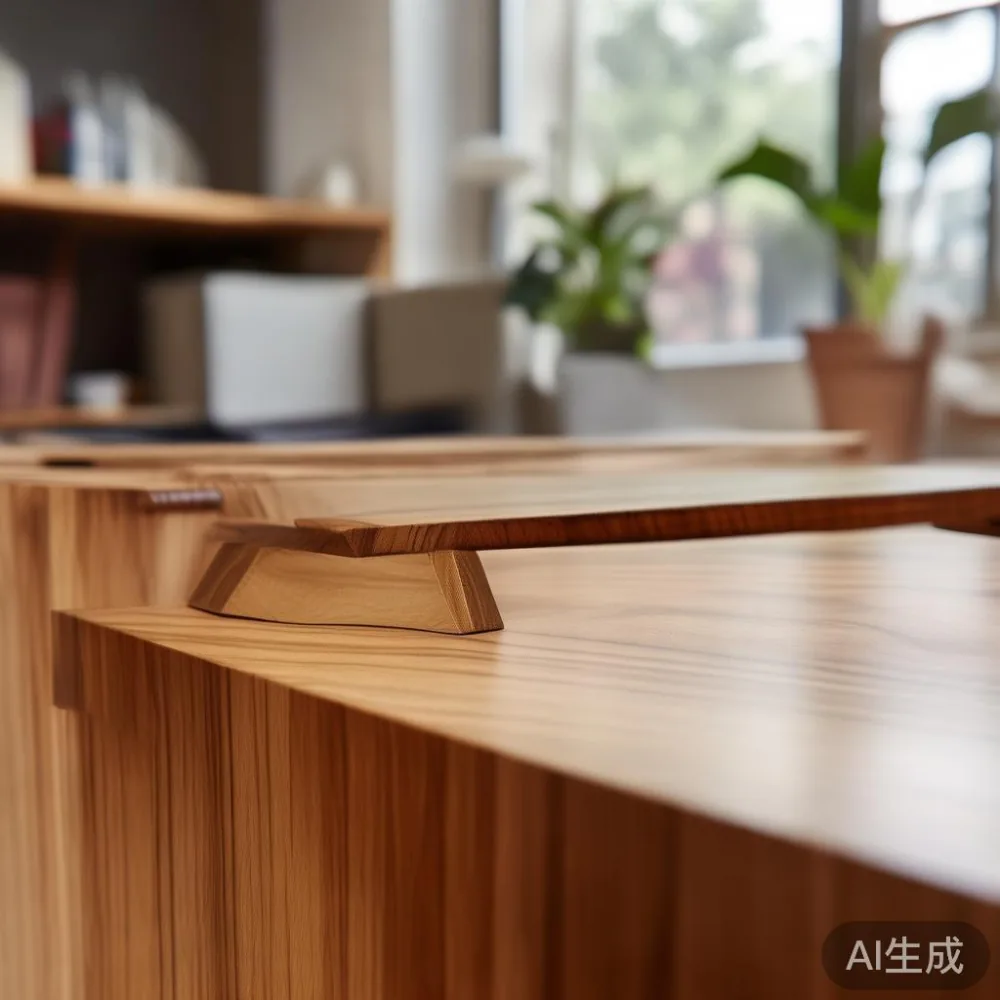
For a kids room, the surfaces that take daily abuse are the same: the bed frame rails your child climbs, the wardrobe doors that get yanked open, the nightstand top that catches water cups. The difference is how those surfaces behave after year two, year three and year five.
One quick note on language: when a Foshan solid wood furniture maker such as MIDHILL talks about a solid wood sofa, a solid wood bed frame or a solid wood dining table, they mean load-bearing parts (legs, rails, frames) are solid timber, with possibly engineered panels for large flat doors. Veneer competitors use the same words for furniture that is MDF inside with a 0.5 mm wood sticker outside. The price gap reflects this.
The 5-year cost table, in Singapore dollars
Below is the realistic cost picture for a complete kids room set in a Singapore HDB flat (Tampines, Bedok or Punggol) using current 2024–2025 SGD pricing, including 9% GST, delivery, and one realistic repair or replacement event per category.
Kids room set A (typical mid-market veneer):
- Bed frame (1.2 m): S$420
- Wardrobe 1.8 m, 3 doors: S$680
- Nightstand x 2: S$180 (S$90 each)
- Study desk with hutch: S$320
- Bookshelf 1.2 m: S$210
- Delivery HDB 4-room, lift available: S$45
- 9% GST on goods: S$163
- Total purchase: S$2,018
- Year 3 repair: swollen wardrobe door from humidity, partial panel replacement: S$220
- Year 5 replacement of bed frame (squeaking joints, peeling): S$480
- 5-year total: S$2,718
Kids room set B (solid wood, imported):
- Bed frame (1.2 m, ash): S$780
- Wardrobe 1.8 m, 3 doors: S$1,260
- Nightstand x 2: S$360 (S$180 each)
- Study desk with hutch: S$640
- Bookshelf 1.2 m: S$420
- Delivery HDB 4-room, lift available: S$45
- 9% GST on goods: S$311
- Total purchase: S$3,816
- Year 3 light sanding + refinishing of wardrobe edges: S$80
- Year 5 refinishing of bed frame and nightstand: S$140
- 5-year total: S$4,036
The gap is roughly S$1,318 over five years, or about S$22 a month. Most parents I speak to in Bedok and Punggol coffee shops say they would happily pay that to avoid one panicked Saturday with a swollen MDF door.
How do I choose a pet furniture for a study?
Choose pet furniture for a study the same way you choose kids room furniture: by what fails first, not what looks best on day one. For a study that doubles as a reading nook for a child and a nap spot for a small dog or cat, prioritise solid wood legs and rails, a sealed or oiled finish rather than a painted one (painted finishes chip where claws and crayons meet), and pieces small enough to clear a 0.9 m lift door if you live above the 10th storey in a Punggol condo.
Now, applying that logic to a kids room specifically: the surfaces that fail first in veneer are the wardrobe doors near the floor (humidity from concrete slab) and the bed frame side rails (impact from jumping). The surfaces that fail first in solid wood are almost always the finish, never the wood itself, which is why refinishing is meaningful and replacement is rare.
Real cost drivers Singapore parents forget about
Four numbers most parents in Tampines and Bedok do not budget for at the showroom:
1. Non-lift-floor surcharges. Most Singapore furniture delivery is free above S$350 to a lift-accessible HDB. Above the 5th storey without lift access (think older walk-up blocks in parts of Geylang or Tiong Bahru, or some Joo Chiat shophouses), movers add S$15 to S$25 per floor per item. A three-piece solid wood order can add S$180 to S$220 in stair labour alone.
2. Corridor turns. A 1.8 m wardrobe that fits a Tampines GreenRidges corridor will not fit a Punggol Waterway block with a 90-degree turn before the lift. Disassembly and re-assembly in the kids room adds S$120 to S$180. Solid wood pieces from makers like MIDHILL are usually designed for flat-pack under 1.6 m, which saves this fee almost every time.
3. Humidity damage in years 2–4. HDB flats without daily aircon run at 75% to 85% relative humidity for 8 to 12 hours a day. MDF edges absorb moisture and swell within 24 months; you see it first as wardrobe doors that no longer close flush. Solid wood expands and contracts on its own grain pattern but returns to shape, and the finish is the part you can refinish.
4. Resale and hand-me-down value. A solid wood bed frame moves with the family; the same piece bought for a 6-year-old becomes the bed for the 12-year-old, then the guest bed in the study, then the bed in the rental room. Veneer pieces in Singapore's Classifieds and Carousell resale market clear at 15% to 25% of new price after three years; solid wood holds 40% to 55%.
What about light luxury style: does solid wood fit a French or American theme?
Yes, and this is where the math starts to favour solid wood more obviously. Light luxury in the French register, with soft curved cornices, fluted legs and muted brass-look handles, is almost always shown on display pieces that are MDF with a wood-look foil. The foil peels at the handle edges within 18 months of a child using the wardrobe daily. A genuine light luxury look on solid wood uses ash or beech with a hand-applied patina; the pattern is in the timber, so wear simply adds character.
American light luxury leans on thicker proportions: chunky bed frames, deep drawers, oak dining tables in the same room as the kids bed for breakfast. The chunkier the proportion, the more obvious a hollow MDF core sounds when a child climbs on it. Solid wood carries that weight silently, which is exactly why post-modern light luxury collections from Foshan makers pair solid frames with marble table accents in the dining zone and solid wardrobes in the kids room; one material palette runs through the whole flat, and the children grow up around real timber.
If you are browsing a showroom and someone offers you a large French neoclassical bed at a price that sounds too good to be true for solid wood, ask to see the end grain at the foot rail and the underside of a slat. If it is engineered, the price is right for what it is; if it is solid ash or oak, you are looking at a different retail tier and a different 5-year cost line entirely.
My real test: the Tampines HDB kids room
Last month I visited a colleague's flat in Tampines North, a 5-room HDB on the 14th storey with a corridor 1.1 m wide and a lift opening 0.9 m. Her kids room is 3.2 m by 3.6 m, holding a 1.2 m bed, a 1.8 m wardrobe, one nightstand and a small study desk.
The bed frame and nightstand are solid ash, bought from a Foshan workshop two years ago; the wardrobe is MDF with a wood-look veneer from a local retailer. Total spent: about S$2,650.
What I saw in person: the bed frame edges near the headboard have one small dent from a pillow fight, easy to sand out; the nightstand top has a faint water ring, also sandable. The wardrobe, however, has a 2 mm swell along the bottom edge of the left door and a chip on the handle where the foil layer has lifted. Repair quotes came in at S$260 for a new door panel versus S$0 for a 20-minute sand on the nightstand.
Her plan for year three is to replace the wardrobe with a solid wood one and keep the bed frame for the next child. On her current numbers, she will spend roughly S$3,900 over five years for a kids room set that survives two children. A neighbour two doors down replaced all her veneer pieces twice in the same window and spent about S$3,200 with all the disruption.
When veneer is still the right answer
Solid wood is not automatically the better buy. There are three kids room cases where veneer wins on cost over five years:
- Short stay, 2 years or less. If you are on a 24-month rental in Punggol or a two-year expat posting, you will not recoup the S$1,300 premium. A S$2,000 veneer set that you hand back to the landlord costs less than a S$3,800 solid wood set you have to disassemble and ship.
- Light-use spare room. A kids room used as a guest room twice a year will not see enough humidity cycling or impact to expose MDF weaknesses. Solid wood is a luxury, not a need.
- Very tight floor plan with many turns. If the wardrobe cannot be delivered in fewer than three sections, the assembly fees eat the resale advantage. A flat-pack MDF wardrobe that ships in two boxes can be cheaper even after one replacement.
For the primary kids room of a long-stay family in a Tampines, Bedok or Punggol HDB, the maths is clear: solid wood wins on total five-year cost, on daily quiet, and on the small emotional benefit of a child growing up around real timber rather than printed foil.
How long does delivery and warranty actually take from Foshan?
A practical note for parents who order from a Foshan maker such as MIDHILL. Sea freight from Guangzhou or Shenzhen to Singapore's PSA port takes 8 to 14 days, plus 3 to 5 days for customs clearance and a free local delivery slot to your HDB or condo (above S$350 order value, 14-day returns, 10-year structural warranty on solid wood frames, lifetime refinishing service by appointment). Door-to-door in Singapore is realistically 3 to 5 weeks from order confirmation, which matters when you are furnishing a kids room before a primary school registration deadline.
Allow one extra week if you are in a condo with a management loading bay booking system, as most Punggol and Bedok condos require a 48-hour vehicle pass application.
FAQ parents ask me after reading this
Is rubberwood solid wood? Yes. Rubberwood is a genuine hardwood, lighter than ash or oak but with similar density to cherry. It is the most common species in mid-range solid wood bed frames and dining tables exported from Foshan and is well-suited to Singapore's humidity cycle.
Will a solid wood wardrobe really fit my lift? Most 1.8 m wardrobes ship flat-packed in 1.5 m to 1.6 m cartons. A 0.9 m lift door and 1.1 m corridor will accept the cartons at a slight angle. The piece to check is your internal doorway from corridor to kids room; if it is under 0.7 m, ask the maker to split the wardrobe into two narrower towers before shipping.
What about a marble table in the kids room? A marble table in a kids room is workable for an older child's study desk top or a display console, but for under-8s, stick to solid wood with a sealed finish. Marble chips at the edges on impact and is cold on bare arms at 6am. A solid wood dining table or solid wood sofa frame in the same flat will visually rhyme with the kids room furniture if you stay in one species and one finish tone.
The honest answer to the original question is that for a Singapore kids room in 2025, spending roughly S$22 more per month over five years buys you furniture that survives humidity, two children, and the resale market. For most long-stay families in Tampines, Bedok and Punggol, that is a trade worth making on paper and a trade you feel every morning when the wardrobe still closes flush.