Singapore Kids Rooms: Veneer vs. Solid Wood Costs
A child’s room changes quickly: a cot becomes a study desk, a small wardrobe carries school clothes, and a toy shelf eventually holds sports gear and project boards. Yet the furniture itself may need to last 5 years or more. For families in HDB flats and condos across Tampines, Bedok, and Punggol, the choice is rarely only about appearance. It is about purchase price, durability, repairability, delivery access, and the number of times a piece must be replaced.
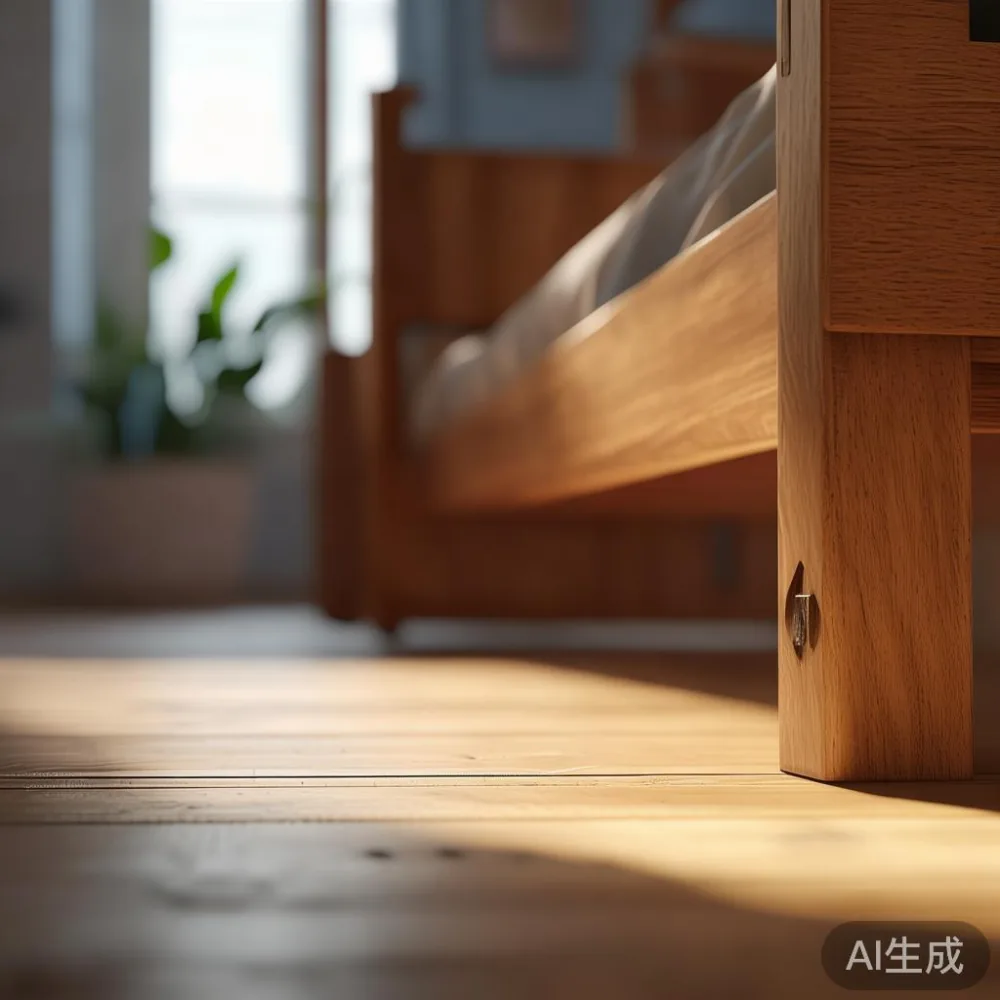
This comparison examines veneer and solid wood for a children’s setup comprising a bed frame, wardrobe, desk or dining table, nightstand, and small seating. All prices are indicative Singapore retail estimates in SGD before GST; the supplied examples include GST for easier budgeting. Actual quotations can change with dimensions, timber, hardware, finish, and delivery conditions. The figures show a planning model, not a fixed quotation.
What is the real 5-year difference between veneer and solid wood?
Veneer is a thin layer of wood, usually about 0.6 mm, bonded to a engineered or particleboard core. A 120 cm-wide wardrobe might use around 17 sheets of veneer if they are cut sequentially, although wastage can raise this. Solid wood uses solid timber throughout selected structural and visible components. It is heavier: a 120 cm by 45 cm solid-wood dining table may weigh 45–65 kg, compared with 25–40 kg for a comparable veneer table.
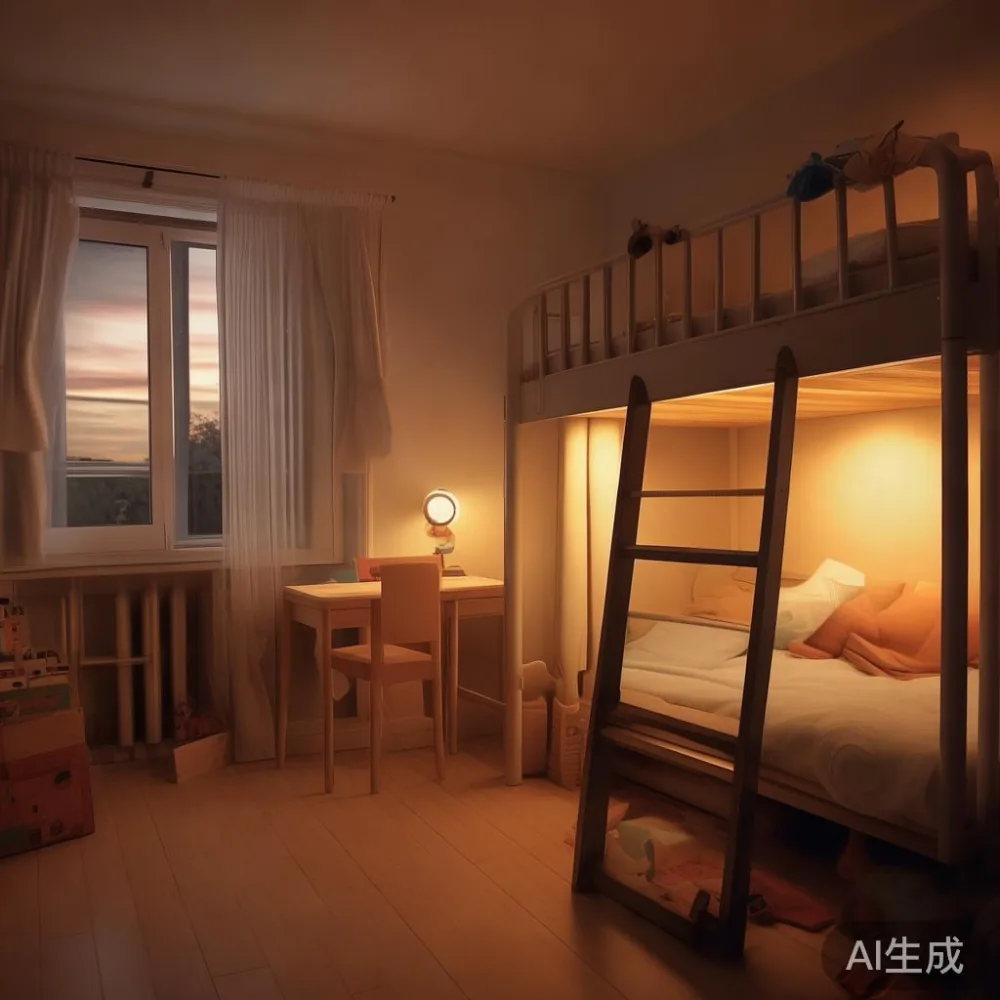
For a typical Singapore kids room, assume a 100 cm bed frame, a 90 cm wardrobe, a 120 cm dining table, a 45 cm nightstand, and a compact sofa or reading chair. The estimated solid-wood basket is SGD 4,150 before GST, while the veneer basket is about SGD 2,650. Adding 9% GST gives approximately SGD 4,724 and SGD 2,889 respectively.
Over 5 years, solid wood is not automatically cheaper. In this model it costs about SGD 945 per year, compared with roughly SGD 578 per year for veneer. The difference is SGD 1,835 before maintenance. The result depends on whether the family keeps every piece for the full period, replaces damaged parts, or resells the furniture.
How much do the main pieces cost?
Here is a practical price model for commonly used children’s furniture:
100 cm solid-wood bed frame: SGD 1,000–1,350, or SGD 1,900 with a more decorative headboard and stronger joinery.
100 cm veneer bed frame: SGD 420–700, or SGD 900 with detailed mouldings and premium hardware.
90 cm solid-wood wardrobe: SGD 1,300–1,750; a fitted version with drawers, soft-close hinges, and adjustable shelves may reach SGD 2,100.
90 cm veneer wardrobe: SGD 700–1,050, with similar premium fittings reaching SGD 1,350.
120 cm solid-wood dining table: SGD 850–1,250, while a marble table with the same top size can fall between SGD 1,400 and SGD 2,400. Marble has its own maintenance profile: it stains, chips, and requires careful sealing, so it should not be treated as a default material for an active children’s room.
120 cm veneer dining table: SGD 500–850.
45 cm solid-wood nightstand: SGD 180–280; veneer versions usually cost SGD 100–180.
Compact solid-wood sofa: SGD 1,500–2,300; a comparable veneer or upholstered model is often SGD 900–1,500.
Compact veneer reading sofa: SGD 750–1,200.
A solid wood sofa is not automatically the right choice for a child’s room. Foam density, removable covers, guardrails, and rounded corners may matter more than the frame material. A dining table needs a stable base and wipe-clean top. A nightstand should have a recessed drawer or anti-tip feature. A wardrobe should be fixed safely to the wall. A bed frame should meet the child’s height needs and comply with applicable safety expectations.
What happens to the costs in years 1 to 5?
Year 1: The veneer option may require 2–3 hours of assembly, while solid wood may require 3–5 hours because of its weight. A professional assembler could charge SGD 80–150 for veneer and SGD 120–220 for solid wood. Some HDB lifts and condo corridors are narrow, so dismantling and carrying individual panels can cost more than the furniture discount saves.
Year 2: Veneer may develop small edge chips, especially on a wardrobe base or table corner. A repair kit and careful patching may cost SGD 40–120. Solid wood can scratch, but a deeper gouge can sometimes be filled and refinished. Allow roughly SGD 80–200 for a solid-wood repair, depending on whether the finish is local or sprayed.
Year 3: Children grow, and a 100 cm bed frame may become too short. A low-cost bed can be passed on, while a solid-wood frame may retain more value if it is sturdy and neutral in design. However, a bulky frame can be difficult to move through a 900 mm HDB corridor turn or in a lift with a 1,000 mm door opening.
Year 4: A veneer wardrobe door may swell at an exposed edge if moisture is not controlled. Singapore humidity often sits around 60–80% during wet periods, although indoor conditions vary. Solid wood also moves with humidity, but a well-made frame with proper joinery and sealed surfaces has more repair options. Budget about SGD 60–150 for veneer edge work, compared with SGD 100–250 for a solid-wood refinishing service.
Year 5: The veneer basket may need one replacement part or one professional touch-up, while the solid-wood basket may require only minor refinishing. The calculated totals are approximately SGD 3,050 for veneer, including repairs, assembly, and a modest contingency, and SGD 4,950 for solid wood, including one refinishing allowance and hardware adjustment.
What about delivery, lifts, and GST in Singapore?
Delivery should be priced before checkout. A small flat-pack item might cost SGD 35–80 for doorstep delivery in Singapore, while a solid-wood wardrobe or bed frame may cost SGD 120–280 because of its weight and size. Lift booking, carrying to the unit, and extra delivery to a condo car park can add SGD 30–100. Some buildings require movers to book a service lift at least 48 hours ahead.
Measure the route before ordering. Check the lift car dimensions, door width, turning radius at the corridor, and the distance from the lift lobby to the bedroom door. A 180 cm-long solid-wood bed frame cannot always be turned upright in a tight HDB landing; a flat-pack design with separate rails may be more practical. Veneer panels can also be long, so panel length matters as much as material.
GST is 9% in Singapore. For example, a SGD 700 before-GST bed frame becomes SGD 763 after GST. Delivery may be taxable or exempt depending on the supplier’s arrangement and the exact service, so ask for an all-in quotation. Confirm whether returns, assembly, and lift charges are included. MIDHILL states free shipping over US$350, but a Singapore buyer should still request the local delivery amount in SGD rather than assume the overseas threshold applies.
Which style should a family choose for a kids room?
Style can affect the final cost without changing the material category. A light-luxury room benefits from simple proportions, durable finishes, and furniture that can grow with the child. For example, a solid-wood bed frame in pale oak can sit beside a marble table, while a neutral wardrobe keeps the room visually calm. French provincial styling uses curves, carved details, and decorative profiles; those details may require more labour in either veneer or solid wood.
Search phrases such as French provincial for bedroom and French provincial for guest room can be useful when reviewing design references, but a children’s room should prioritise safety and daily maintenance over heavily carved edges. A post-modern light-luxury direction may use clean lines and restrained contrast, which often suits a multipurpose kids room better.
For seating, how to choose Japanese sofa requires checking seat height, washable fabric, and whether the frame is solid wood or engineered. A low Japanese-style sofa may be comfortable for reading but less suitable for a young child who needs back support. Likewise, a solid wood sofa can be durable while still needing a replaceable cover. The bed should be chosen for its dimensions, not just its material: a search for the best Vintage bed for 2026 may lead to decorative options that are too tall for a small HDB bedroom, while the best Post-modern bed for 2026 may offer a more adaptable, compact profile.
What real-life details changed the result?
Last month I visited a family in Tampines who had ordered a 120 cm bed frame, a 90 cm wardrobe, and a 120 cm dining table for a child’s room. The original veneer set looked polished during delivery, but the wardrobe needed an anti-tip strap after installation. The unit was in a lift lobby with a narrow approach, so moving the table in one piece would have been difficult. Splitting the top into two sections added about SGD 60 to the delivery job and prevented damage to the corridor.
The family also used a marble table temporarily for homework. It looked elegant, but a spilled marker and a chipped corner showed why marble is not ideal for a high-use children’s surface. They replaced it with a solid-wood dining table after 8 months. That change cost SGD 980, illustrating how finish choice can outweigh the original material comparison. The final room was stronger because the table had a rounded edge and a wipe-clean coating.
A Bedok family I spoke with chose a solid-wood bed frame and a veneer wardrobe. The bed was kept for 5 years and passed to a younger child; the wardrobe needed one hinge adjustment. This mixed approach gave them the repairability they valued where it mattered, without paying solid-wood prices for every surface. For a Punggol condo, the family measured the service lift before ordering and selected a bed with detachable side rails.
How should a family make the purchase decision?
Ask these questions before paying:
1. Is the frame genuinely solid wood, or veneer over particleboard or MDF?
2. What are the thickness and dimensions of the panels, rails, and tabletop?
3. Are drawer boxes, back panels, and joinery included in the description?
4. What finish is used: water-based lacquer, oil, wax, or another coating?
5. Can scratches and small chips be repaired locally?
6. Will the supplier replace a damaged panel, hinge, or fitting, and within how many days?
7. Can the product be dismantled for delivery and carried through the lift?
Choose veneer when the budget is fixed, the room will be redecorated within 3–5 years, and the pieces will be handled carefully. Choose solid wood when the bed frame or wardrobe is expected to remain in use, pass between siblings, or accept frequent refinishing. A mixed plan can be sensible: solid wood for the bed frame and dining table, veneer for a less-used wardrobe or nightstand.
MIDHILL makes furniture with a 10-year structural warranty and lifetime refinishing support, which is relevant to a 5-year planning horizon. The company has supplied solid-wood furniture since 2008 and exports to more than 15 countries, but the local buyer should still confirm warranty coverage, finish scope, and Singapore delivery terms in writing.
For returns, check the supplier’s policy carefully. MIDHILL offers a 14-day returns period, yet a customised wardrobe or installed wardrobe may have different conditions. Confirm the restocking or collection charge before ordering. For a kids room, a 5-year plan is a period of growth, not a need to replace everything. Choose safe dimensions, solid joining details—where “solid” means properly fitted hardware rather than a marketing claim—and finishes that can be maintained by an ordinary household.
What is the sensible 5-year budget?
For the model room, budget about SGD 2,900–3,100 for a carefully chosen veneer arrangement after GST, including modest assembly and repairs. Set aside approximately SGD 4,700–5,100 for a comparable solid-wood arrangement after GST and one refinishing allowance. A marble table may add SGD 1,400–2,400 before GST, while a custom fitted wardrobe can add SGD 300–900 above the standard model.
The cheapest-looking option is not necessarily the most economical over 5 years. Veneer can work well with measured maintenance and occasional replacement. Solid wood can justify its premium when the family values repairability, longevity, and the ability to pass furniture on. The practical answer is to match each piece to its use, measure the Singapore home’s access route, include GST and delivery from the outset, and buy a room that can adapt as the child grows.