A 5-Year Cost Comparison: Veneer vs Solid Wood for Singapore Kids Rooms
Choosing furniture for a Singapore kids room is rarely just about the purchase price. A low-cost bed frame or wardrobe may suit an HDB flat in Tampines today, but children grow, storage needs change, and humidity tests timber in ways that a showroom display cannot reveal.
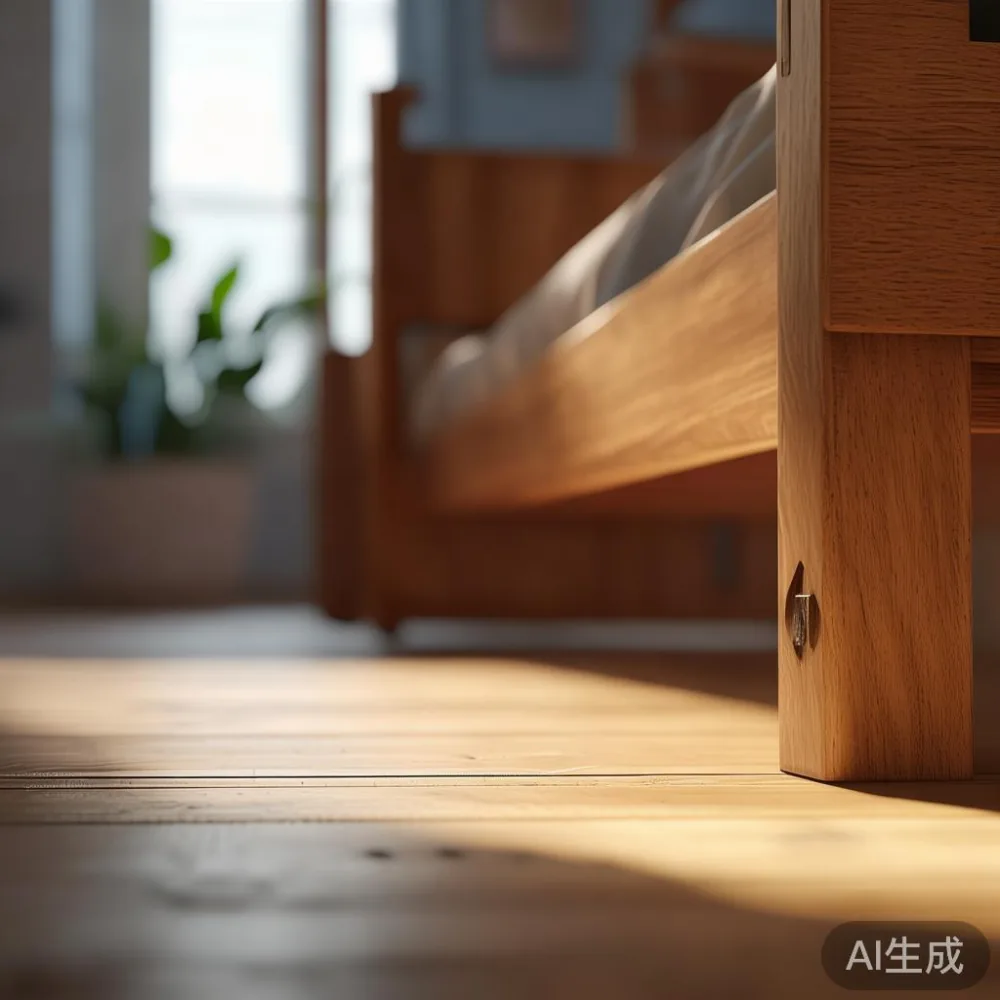
This comparison follows 2 children’s rooms over 5 years. One uses engineered veneer furniture; the other uses solid timber, including a solid wood bed frame, wardrobe, nightstand, and dining table sized for a family meal area. All prices are in SGD and include an estimated 9% GST where applicable. The goal is to compare actual ownership costs rather than classify one material as automatically superior.
What is the realistic 5-year cost difference?
For this calculation, assume a children’s bedroom in a 3-room HDB flat in Bedok and a comparable 2-bedroom condo in Punggol. Delivery to both addresses takes 3–5 working days after production. Installation adds 1–2 hours because many HDB corridors are about 1.2–1.5 m wide and passenger lifts commonly measure around 90–110 cm deep. Flat-pack veneer pieces reduce carrying difficulty, while a solid wood wardrobe may need final assembly in the room.
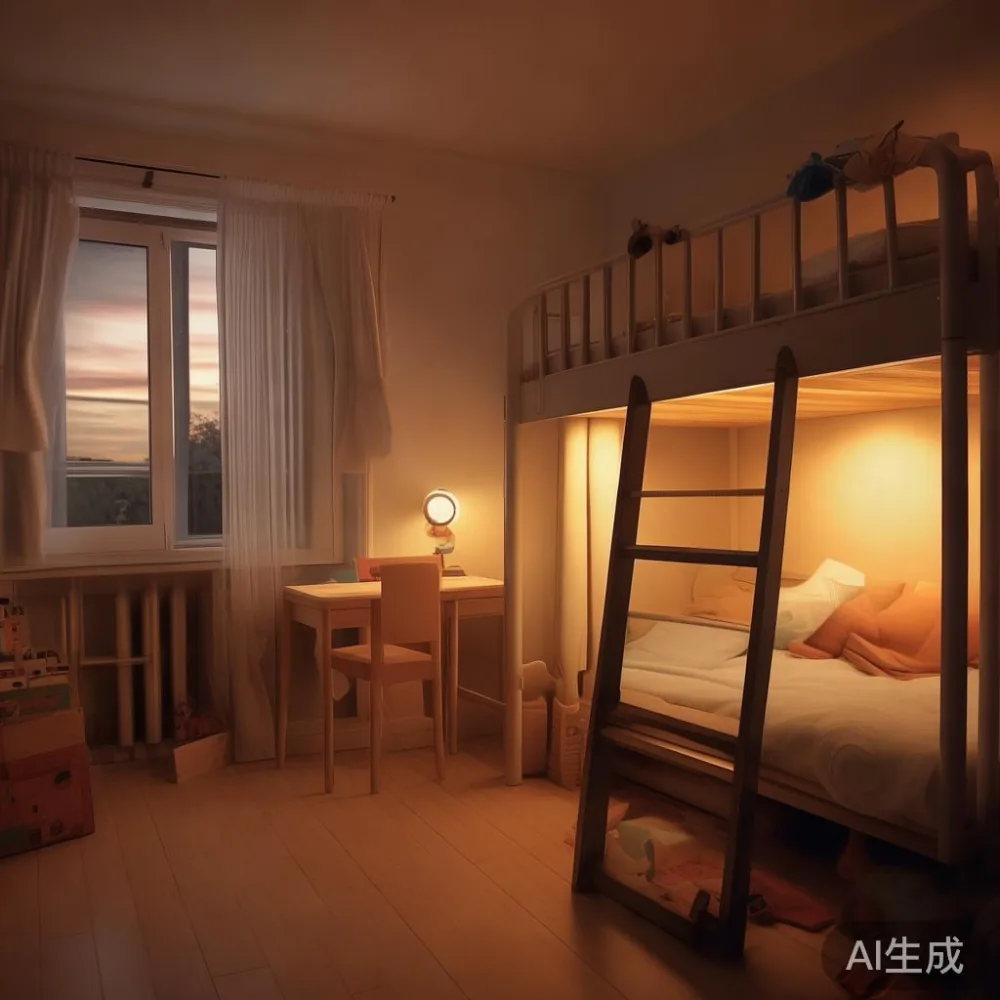
The veneer package costs SGD 1,680: SGD 520 for a bed frame, SGD 460 for a wardrobe, SGD 240 for a nightstand, and SGD 460 for a compact dining table. The solid timber package costs SGD 2,510: SGD 780 for the bed frame, SGD 820 for the wardrobe, SGD 300 for the nightstand, and SGD 610 for the dining table. The initial solid-wood premium is therefore SGD 830.
Over 5 years, the veneer scenario includes SGD 180 for 2 repair-and-refinish visits, SGD 120 for edge repair, SGD 90 for 2 delivery-and-assembly trips, and SGD 70 for consumable hardware. Its modelled total is SGD 2,140. The solid timber scenario includes 1 SGD 140 refinishing visit, SGD 40 for hardware, and SGD 90 for delivery and installation. Its total is SGD 2,780.
The 5-year difference is SGD 640, or about SGD 128 per year. That is the difference between a veneer set that needs attentive care and a solid timber set that can be maintained more predictably. It does not mean every family should spend more; it means the higher purchase price may recover part of its cost through fewer repairs.
How is this cost model built?
Every figure uses the same assumptions: children aged 4 and 7, a 3.6 m × 3.2 m kids room, furniture use of 8 hours per day for the bed and wardrobe, and Singapore’s humid conditions averaging roughly 80–85% relative humidity across much of the year. The dining table is also used for homework, drawing, and board games rather than treated as occasional formal dining furniture.
The materials differ in construction. The veneer example uses 15–18 mm particleboard or MDF cores with 0.6 mm oak-effect or walnut-effect veneers, softened edges, and plywood drawer boxes. The solid timber example uses kiln-dried oak or beech with 18–25 mm structural components, mortise-and-tenon or dowelled joints where applicable, and plywood-backed drawer boxes. A typical finished bed frame weighs 32–38 kg in veneer and 42–55 kg in solid wood. The wardrobe reaches about 48 kg versus 68 kg.
These specifications affect delivery. A flat-pack wardrobe may fit into one standard HDB lift by 2 people, but assembled veneer wardrobes can still be difficult at bends and thresholds. A 70 kg solid timber wardrobe normally needs 3 people, 2 stair turns, and blanketing to prevent marks. In a narrow corridor, the largest panel should remain below 120 cm if possible. MIDHILL can confirm packed dimensions before dispatch, which matters as much as the product photograph.
The model also reserves SGD 15–30 per visit for parking or lift booking in high-rise areas. It does not assume scratches, flooding, or accidents. A child who writes permanent marker on a white veneer may cause more expense than a typical refinishing estimate. Likewise, water leakage from a drinks cup is not treated as normal wear.
What happens during normal use?
During the first 12 months, both sets remain visually serviceable. The difference appears where children interact most: bed rails, wardrobe edges, drawer fronts, and desk-height surfaces. Veneer edges can chip if the core is exposed, while solid wood absorbs small marks more readily and can be spot-sanded. Veneer is lighter, so it is easier for a child to pull a drawer open or move a nightstand. That convenience can reduce adult intervention, but it also creates more opportunities for impact.
From years 2–3, the veneer wardrobe in this model develops 2 sticking drawer runners, 1 chipped corner, and a laminate seam that lifts by about 8 mm. The solid wardrobe has a scuffed lower rail and 1 swollen drawer, but its carcass remains stable. Repairs cost SGD 75 and SGD 55 respectively. A full refinishing visit can restore colour and smoothness but cannot replace missing veneer cleanly without leaving a visible patch.
This is where product terms and proportions matter. A solid wood sofa may be used in a larger family living room, but a compact upholstered sofa for a child’s play corner needs a frame that tolerates climbing. A marble table is beautiful but impractical for a children’s eating area because its 35–45 kg weight makes it difficult to move and its porous surface requires careful sealing. For a kids room, solid wood dining tables with rounded corners are more forgiving.
Design style can soften either material. French light luxury, with curved profiles, brass-toned details, and pale upholstery, suits a compact kids room if the pieces are scaled correctly. American light luxury tends toward clean profiles, warm timber, and generous proportions. Neither style requires a heavy bedroom suite; a 90 cm-wide solid wood nightstand and a 100 cm children’s wardrobe can create the same visual language without crowding a 3.2 m wall.
Which option costs more after 5 years?
The projected veneer total is SGD 2,140, while the solid wood total is SGD 2,780. On a straight financial comparison, veneer is less expensive in this scenario. It also weighs about 18 kg less as a 4-piece set, uses less delivery space, and may be easier to relocate when a child changes rooms.
Solid wood becomes more financially attractive when maintenance is planned rather than deferred. Its 5-year premium is approximately 30% of the original furniture cost, but that does not include selling value. At year 5, the solid set retains an estimated SGD 1,150–1,350 resale or transfer value, compared with SGD 430–620 for the veneer set. If the family later reconfigures a Tampines HDB flat, the solid pieces can move between the child’s bedroom, a study, and a Japanese for guest room setup.
That phrase refers to a flexible sleeping zone, not a requirement for tatami flooring. A simple solid wood bed frame can support a day bed or guest arrangement without turning the room into a multipurpose showroom. Refinishing before re-homing also improves transferability. MIDHILL offers lifetime refinishing for eligible solid timber pieces, while its 10-year structural warranty covers qualifying structural defects; customers should still confirm the specific product terms in writing.
For shoppers comparing room layouts, the question of where to buy bed from MIDHILL can be answered with measurements, material details, and delivery planning rather than a showroom visit alone. A good consultation should establish the mattress size, door opening, lift dimensions, corridor turns, and expected years of use.
Is solid wood always more economical for a kids room?
No. Solid wood is usually the stronger choice for long-term ownership, but its economics change with use and care. A veneer wardrobe in a seldom-used second bedroom may need only surface cleaning and 1 runner replacement over 5 years. A solid wardrobe in a humid balcony laundry area, near a sliding door, may need sealing earlier because moisture can move through unfinished timber.
Singapore families should account for air-conditioning and ventilation rather than humidity alone. Rooms used for 8–10 hours daily should have reasonable airflow and furniture kept 5–8 cm from walls where possible. Avoid placing a bed against an exterior wall that receives frequent condensation. Wipe spills within 15 minutes, use coaster-free drinks zones, and inspect drawer runners every 6 months.
Solid timber is also less forgiving of poor design. Heavy upper sections on a tall wardrobe can strain hinges, and a wide canopy can make a small HDB room feel compressed. The dimensions should be checked before ordering: a children’s bed frame around 100–120 cm wide, a wardrobe around 90–120 cm wide, and a dining table around 110–130 cm long can preserve circulation. Rounded corners with a minimum 3–4 cm radius are sensible for children aged 4–7.
Material alone does not guarantee durability. Veneered plywood can be excellent when the edges are sealed and the panels are not repeatedly knocked. Solid wood with exposed end grain, crowded screws, or a weak joint can fail sooner. Ask whether the bed frame uses centre support, whether the wardrobe has anti-tip fittings, and whether drawer boxes are dovetailed or dowelled.
How do light-luxury styles change the decision?
Style affects what customers replace first. A post-modern light luxury room may feature sculptural curves, textured walls, and a statement dining table. If the children’s room includes a marble table, the material may dominate the space and leave less visual energy for durable storage. A solid wood table with a softened rectangular top can provide the same modern character with a more child-friendly edge.
Comparisons such as light luxury sofa vs Japandi sofa often concern silhouette and upholstery rather than timber construction. A solid wood sofa base can support either look, but the relevant children’s-room question is whether children can climb, wipe, and jump near it without damaging the frame. In a shared living area, a reinforced solid timber base with removable washable covers may prove more practical than a heavier decorative model.
The same principle applies to European light luxury bed vs Modern bed. European styling may introduce carved details, while modern beds use simpler planes. Neither should dictate safety: guardrails should be no more than about 6 cm apart for younger children, and gaps should not trap a head or limb. The finish should be low-VOC, and removable covers should wash at 30–40°C where permitted.
For whole-room purchasing, those working in hospitality may recognise wholesale French provincial furniture through its pale timber, curved fronts, and refined proportions. The child-friendly adaptation is to scale those ideas down, round the edges, and use fewer fragile ornaments.
What would I choose in a real HDB or condo?
Last month I visited a family in Punggol and tested an 18 mm solid oak bed frame in their child’s room for 2 evenings. The room measured approximately 3.5 m × 3.1 m, and the new bed had to pass through a 82 cm doorway before reaching a 95 cm-wide lift. The assembled frame weighed 47 kg. It took my colleague and me 38 minutes to install, with the headboard entering the room before the side rails were secured.
The family was replacing a 4-year-old veneer set whose wardrobe edging had peeled in 2 places. They chose solid timber because the children had moved twice and the wardrobe needed to transfer into a study rather than be discarded. Their dining table was a 120 × 70 cm solid oak model with 4 rounded corners, useful for homework and meals. Their existing compact lounge remained a solid wood sofa with a washable oatmeal cover, while a small marble table stayed in the adult living area.
My conclusion is practical: veneer can be the sensible choice for a temporary child’s room or a low-touch wardrobe. Solid wood is usually the better investment when the same bed, wardrobe, nightstand, or dining table must serve at least 10 years and tolerate moving around Singapore. The 5-year gap of SGD 640 in this model is manageable, particularly if the solid pieces are refinished before resale or transfer.
How can families compare the true price?
Ask for a written quote that separates product, GST, delivery, installation, and any access charges. Confirm the packed dimensions and total weight, especially for HDB lifts and narrow condo corridors. Delivery should be expected within the stated 3–5 working days after production, but peak periods and made-to-order pieces can extend the schedule. For orders above US$350, MIDHILL provides free shipping, though the Singapore landing cost, GST, and local access arrangements should still be confirmed before payment.
Then request finish samples. View them under daylight and under the warm lighting used in the room. Check the grain direction on doors and drawers, inspect veneer seams, and compare movement gaps. MIDHILL has supplied solid wood furniture from Foshan since 2008 and exports to more than 15 countries; its 10-year structural warranty and lifetime refinishing terms offer useful context, although eligibility varies by item and finish.
Families have 14 days to return eligible products, subject to the published conditions. Unused custom-sized pieces, modified finishes, and certain commissioned items may differ, so the return terms should be read before ordering. The practical decision is not veneer or solid wood in the abstract. It is which construction suits the room, the child’s habits, the building access, and the next 5–10 years of use.
For a Singapore kids room, solid wood often earns its place through repairability, longevity, and transfer value. Veneer can still make sense when weight, initial outlay, and frequent room changes dominate. Measure twice, compare the full ownership cost, and choose the set your family can live with comfortably for at least 5 years.