Solid Wood Kids Room Furniture: What Actually Drives the Price?
A solid wood bed frame can look deceptively simple from across a Tampines HDB living room, yet two pieces with similar oak-coloured finishes can differ by several hundred dollars. The reason is rarely just the timber label. It is the combination of board dimensions, joinery, hardware, finish layers, engineering tolerances, packaging and the delivery route to your door.
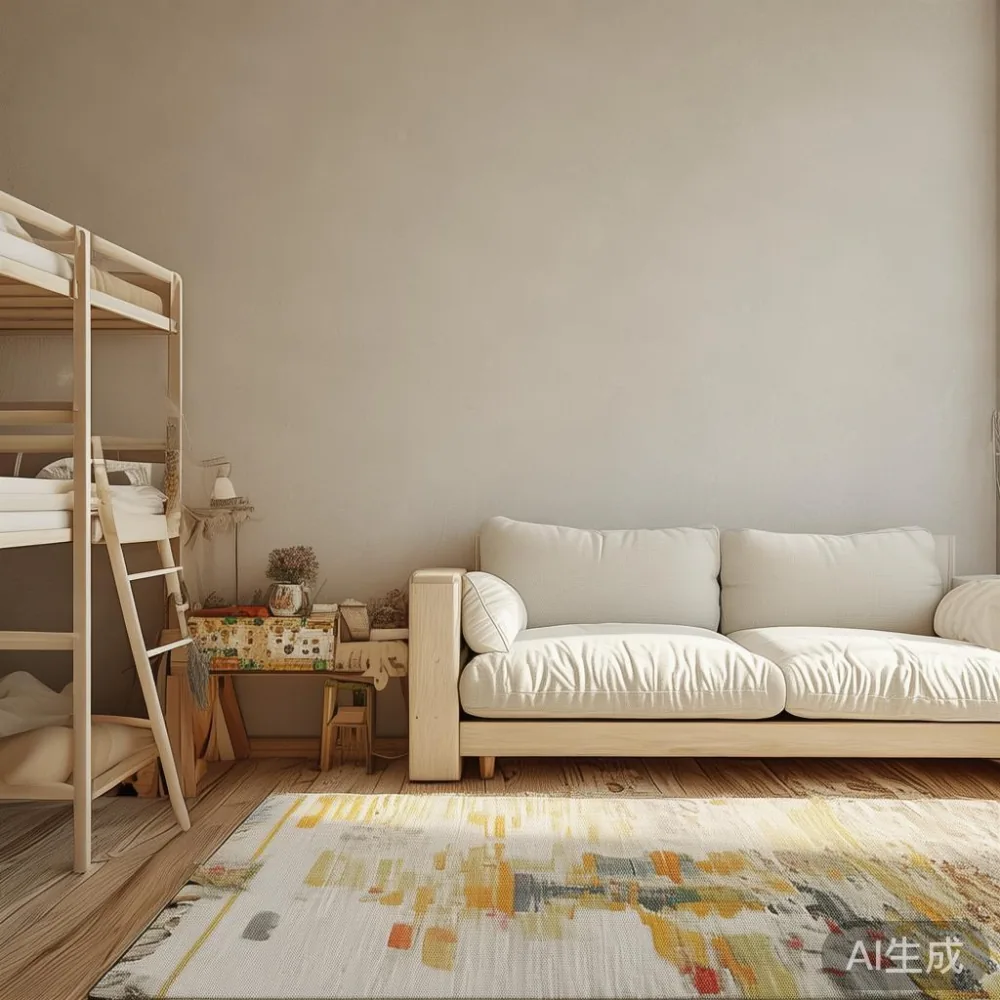
For families furnishing a kids room in Singapore, price deserves a careful breakdown. HDB flats have compact rooms, narrow lift lobbies and shared corridors, while newer condos often include compact storage requirements despite their more generous interiors. GST also matters, and the 14-day return window can make a large wardrobe or dining table a more consequential purchase than a small nightstand.
MIDHILL has built solid wood furniture since 2008 and exports to more than 15 countries, with a 10-year structural warranty and lifetime refinishing support. Its position between accessible solid wood production and considered design is useful context, but the price of any individual kids room piece still comes down to measurable components.
Is solid wood automatically more expensive than engineered wood?
Not necessarily. Solid wood costs more per cubic metre than engineered board, but a well-engineered product may use less material, fewer parts and simpler packaging. Conversely, a thick solid wood bed frame may weigh 70 kg and use 10 hardwood components, making it more expensive to manufacture and deliver than a lighter veneer-and-board alternative.
The key distinction is structural use. In a solid wood sofa, the main rails, frame and legs should perform the work. Decorative panels can still use other materials, but the buyer should know exactly what is solid timber and what is not. The same principle applies to a solid wood bed frame, dining table, wardrobe, nightstand or marble table: material should be described component by component, not applied as one vague claim.
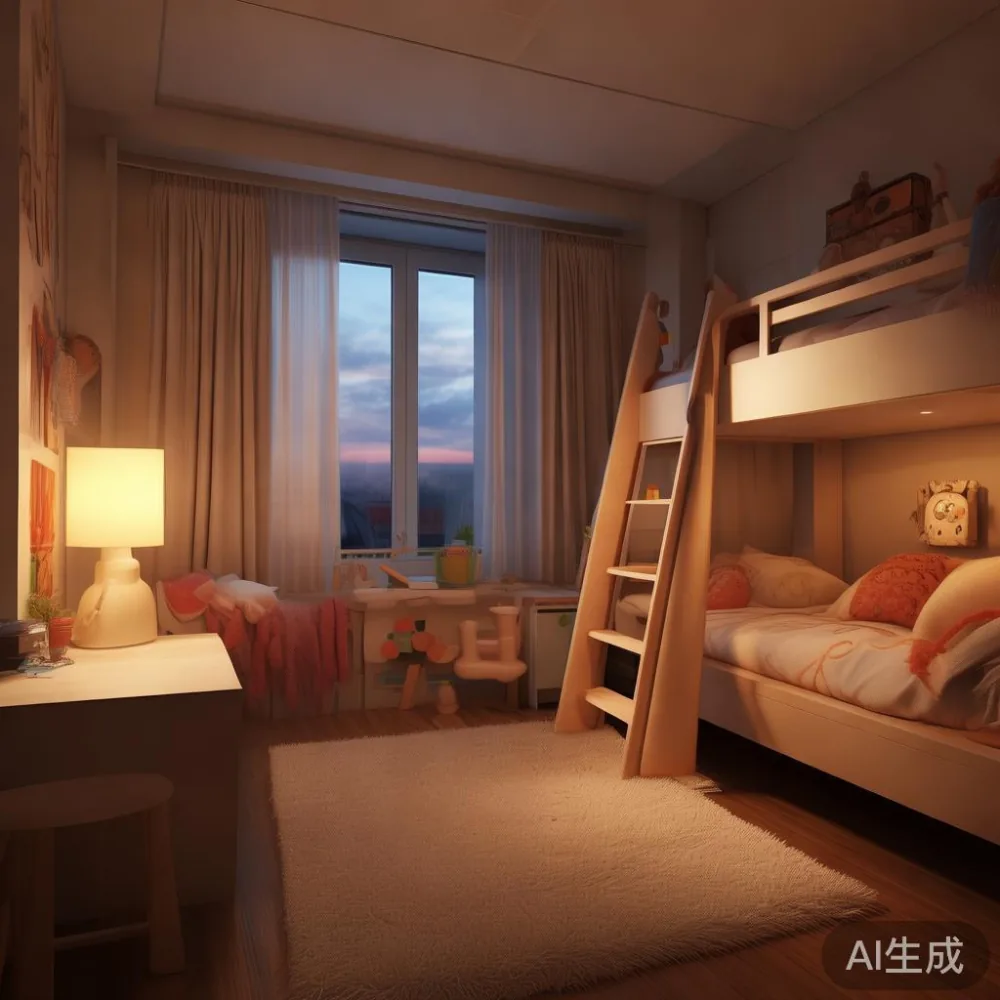
For a child’s bed, consider the actual dimensions. A 90 cm by 190 cm frame may require a long side rail of roughly 190 cm, while the headboard may need several vertical boards. A 120 cm by 200 cm model uses more timber, adds weight and creates a larger packing carton. Check the listed dimensions and solid wood thickness, commonly around 18 mm to 25 mm for major rails and legs, before comparing prices.
Species also affects cost. Rubberwood, pine, beech, oak, ash and similar hardwoods have different prices, densities and movement characteristics. Dense timber can be harder to machine and may need slower drying to reduce warping. Singapore’s humid climate makes stability important, so responsible seasoning matters more than a fashionable colour name.
What costs money inside a solid wood bed frame?
One of the largest price drivers is timber yield. A tree that yields straight, wide boards is more efficient than one with knots, cracks or irregular grain. Cutting defect-free sections takes planning, and good offcuts can become bed slats, drawer parts or smaller supports. Waste is not zero, and pretending otherwise creates unrealistic price expectations.
Joinery is another major factor. Mortise-and-tenon joints, dowels, screws and concealed metal connectors each offer different levels of work and performance. A bed that uses 14 visible dowels and 6 corner braces requires more assembly operations than one held together with 4 brackets. That does not mean more joints are always better; it means construction should match the load and the product’s design intent.
Hardware can add S$40 to S$160 per piece. A basic wardrobe may use standard hinges and a basic sliding rail, while a higher-spec model may include soft-close hinges, full-extension runners and reinforced hanging rods. Drawer boxes should be checked for thickness, dovetail or corner-block construction, and usable internal depth.
Finishing is easy to overlook because it appears on the sales page as a short colour label. Sealing, sanding, priming and spraying a smooth finish can account for S$80 to S$300 of a piece’s cost. Matte, open-pore and distressed finishes need more preparation than straightforward lacquer tones. A white-painted dining table that must conceal grain variation can also require additional labour.
Last month I visited a supplier’s finishing area and watched a sample dining table top move through sanding, sealing and colour adjustment. The technician rejected one panel because a pale mark remained visible under the intended finish. That small decision affected yield, labour and delivery timing. It was a useful reminder that the final colour exists because of several controlled steps, not one coat of brown paint.
How should I compare a S$600 dresser with a S$1,500 dresser?
Compare the components, not the silhouette. Start with external dimensions. A dresser measuring 120 cm wide by 50 cm deep by 85 cm tall may look similar to a 140 cm version, but the larger model needs longer boards, more drawer material and a larger carton. Internal organisation matters too: 6 drawers with usable depth of 18 cm provide different capacity from 4 drawers with 24 cm depth.
Make a line-by-line comparison. Check whether the carcass, drawer sides and back panel are solid wood. Confirm the thickness of the top, usually 20 mm to 30 mm for a dresser. Ask about the drawer runner extension, hinge type and anti-tip fitting. A kids room wardrobe should include anchoring hardware suitable for a child climbing near the unit.
Here is a practical comparison:
Entry solid wood nightstand: approximately 45 cm wide, 40 cm deep and 55 cm tall; 1 drawer; 12 mm to 18 mm timber components; standard hinges and catches; around 18 kg; typically S$260 to S$520 before delivery and GST.
Mid-range solid wood dresser: approximately 120 cm wide, 50 cm deep and 85 cm tall; 6 drawers; 20 mm to 25 mm major timber; full-extension runners; around 55 kg; typically S$900 to S$1,600 before delivery and GST.
Refined French provincial wardrobe: approximately 160 cm wide, 58 cm deep and 205 cm tall; solid timber frame, panelled doors and adjustable interior storage; around 95 kg; typically S$1,800 to S$3,600 before delivery and GST.
The middle model may cost more per centimetre because of runner quality, drawer engineering and finish work. The tall wardrobe commands a higher price because of timber volume, doors, hinges, stability requirements and difficult access. At around 95 kg, it should be delivered as a knock-down or handled configuration rather than moved into a flat as one impractical block.
How much do design, joints and finish add to the final price?
Design affects labour through its geometry. Curved edges require templates, jigs and sanding. Carved details add cutting and finishing time. A flat-front nightstand with square corners can be produced more efficiently than a scalloped French provincial accent chair with shaped arms, although the latter brings a distinctive visual character to a reading corner.
Style itself does not create a fixed premium. French provincial, American light luxury and post-modern light luxury can all appear at different prices. What matters is execution: the number of shaped components, symmetry of joints, repeatability of curves, surface treatment and hardware selection.
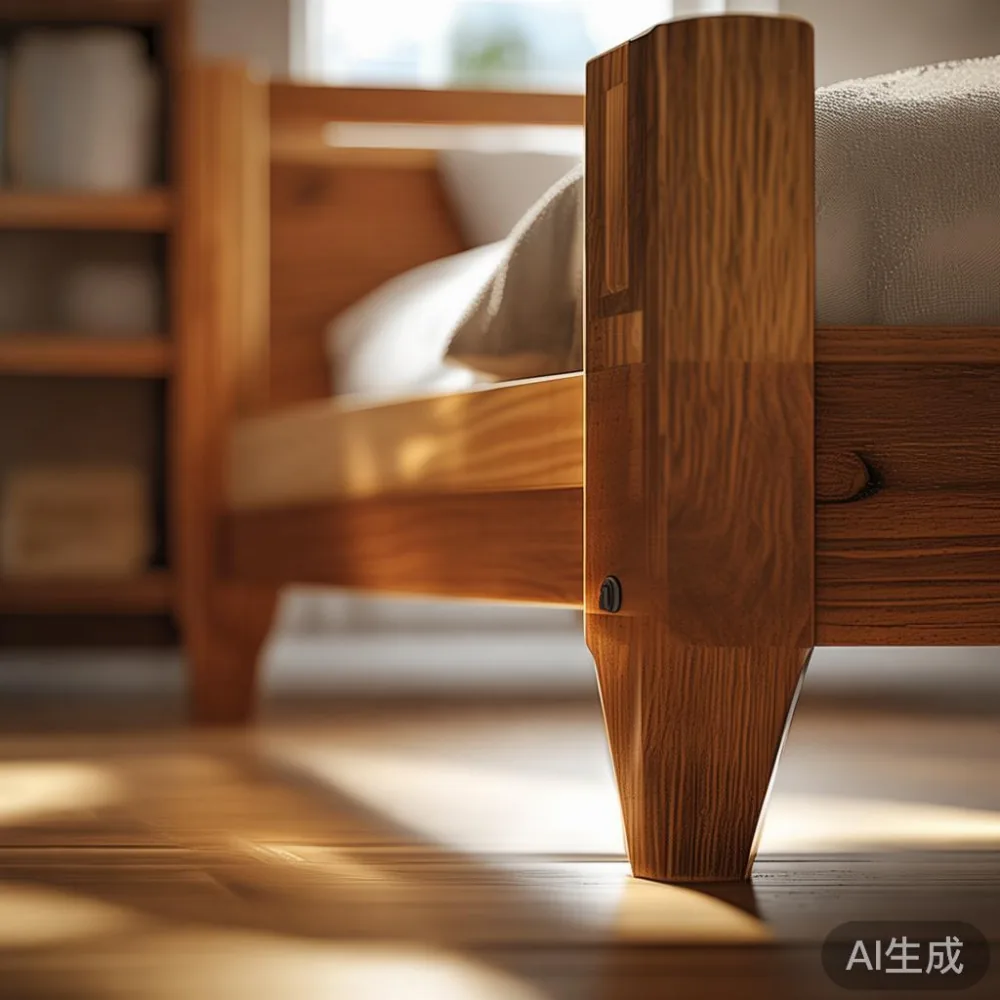
For families researching designer Mid-century modern furniture, look for tapered legs, clean rails and carefully managed negative space, but also examine tolerances at joints. A tapered leg that is 2 mm different from its pair may look noticeably wrong. For a solid wood sofa, upholstery adds another cost layer. Frame timber, webbing or springs, foam density, fabric and stitching all affect the total. The phrase MIDHILL European light luxury sofa refers to one styling direction, not a universal price point.
A marble table introduces another material with its own pricing rules. The table may use a solid wood or engineered base and a natural stone top. Marble slabs vary in thickness, vein pattern, defects and weight. A 120 cm by 60 cm top in 20 mm marble may weigh roughly 45 kg; a 30 mm top can weigh about 65 kg. That weight can add S$80 to S$250 to delivery, especially where a lift cannot take the original packing carton.
What delivery charges and access details should Singapore buyers check?
Delivery is not merely a truck rental. It includes packing, loading, carrying, stairs, lift protection and assembly. Singapore HDB lift doors are commonly around 80 cm to 90 cm wide, with internal dimensions that vary by block. Corridors may narrow at turns, and a 205 cm tall wardrobe should be checked for ceiling and manoeuvring clearance before dispatch.
Measure the lift car, the narrowest corridor point and the doorway into the kids room. Record the dimensions on the order. For Punggol or Bedok blocks with long corridors, the delivery team may need 15 to 30 extra minutes per unit. If stairs are involved, expect roughly S$40 to S$120 per floor for a movable item, depending on size and access.
MIDHILL offers free shipping on orders above US$350, subject to the stated destination terms. Because the threshold is denominated in US dollars rather than SGD, Singapore buyers should have the actual local quotation confirmed before comparing landed prices. GST is normally added at the prevailing rate; for reference, 9% GST on a S$1,000 item adds S$90. Assembly may be quoted separately at about S$60 to S$180 per major piece.
For a dining table, ask whether the top separates from the legs. A 180 cm table can weigh 65 kg to 90 kg and may need to enter through the lift in 2 or 3 sections. A knock-down bed frame may fit more easily, but assembly in a compact kids room can require clearing around 6 square metres. Confirm the expected delivery window—often 7 to 21 days for stocked items and 25 to 45 days for made-to-order pieces—and the return terms.
How do I read “light luxury” without paying for vague claims?
Light luxury should describe proportion, texture and finish rather than piles of decoration. A properly made French provincial accent chair may have a shaped timber frame, upholstered seat and restrained detailing. Post-modern light luxury may use rounded edges, unexpected material pairings or asymmetric silhouettes. American light luxury often appears through generous proportions, padded surfaces and warm wood tones.
Buyers searching for under 2000 light luxury furniture should compare total specifications: timber type, thickness, joinery, drawer hardware, surface finish, warranty and delivery. A S$900 nightstand with 25 mm solid timber and durable runners may offer more daily utility than a S$1,700 model with a thin decorative frame.
For a wardrobe, research how to choose French provincial wardrobe by checking door movement, hinge adjustment, internal load capacity and the stability of the base. If the room is narrow, how to style Japandi wardrobe in room starts with a low-profile visual order: light timber, simple pulls, contained colour and reduced ornament. The wardrobe should still meet the child’s needs with hanging space, shelves and anchored installation.
MIDHILL’s 10-year structural warranty provides a clearer basis for comparison than a general longevity claim. Its lifetime refinishing service is also relevant, because solid wood can be sanded and refinished, but consumers should confirm what the service covers, which parts are eligible and whether collection or return freight is charged.
What should I budget for a complete kids room?
A useful room budget starts with measurements, not product categories. A 3.0 m by 3.6 m HDB child’s room may need a 100 cm bed, a 50 cm wide nightstand, a 90 cm dresser and a shallow storage wall. A 3.5 m by 4.0 m room can support a 120 cm bed with more circulation. Leave at least 60 cm beside a bed where possible and 75 cm in front of drawers when they open.
For a practical package, budget S$1,600 to S$3,200 for a 100 cm solid wood bed frame, 1 nightstand and dresser before GST and delivery. Add a 120 cm wardrobe at roughly S$1,100 to S$2,200, bringing the furniture subtotal to S$2,700 to S$5,400. A marble table is normally a living-room accent rather than necessary kids room furniture; if included in the same order, allow another S$700 to S$1,800 depending on the stone.
These figures should be tested against the physical product. Confirm solid wood component thickness, total weight, finish, hardware, delivery days and GST. If a price looks attractive, compare the specification sheet and the space it will occupy. A lower-priced piece is not automatically the right one if it is flimsy, difficult to assemble or too bulky for the lift.
The honest answer is that solid wood furniture is priced through a chain: raw timber and yield, cutting and machining, joinery, hardware, finish, design labour, quality control, packaging and logistics. Once those elements are visible, the quotation becomes easier to judge. A S$1,200 wardrobe that explains every material and includes stable hardware may represent better value for a Singapore kids room than a S$2,000 wardrobe with vague claims. Buy for dimensions, construction and fit first; style then follows the room rather than overpowering it.