What to Check Before Buying a Sofa You Cannot Sit On
For parents in Singapore, creating the perfect kids room is a careful balance of style, safety, and practicality. You want a space that sparks joy and creativity, but also one that can withstand the chaos of childhood. The sofa, often the centerpiece of a living area or a dedicated play zone, is a significant purchase. But what happens when you're shopping online or from a showroom where you simply cannot sit on the sofa? How do you ensure you're making a wise decision for your home and your family? This guide walks you through the exact specifications and considerations you need to evaluate, transforming the guesswork into a confident choice.
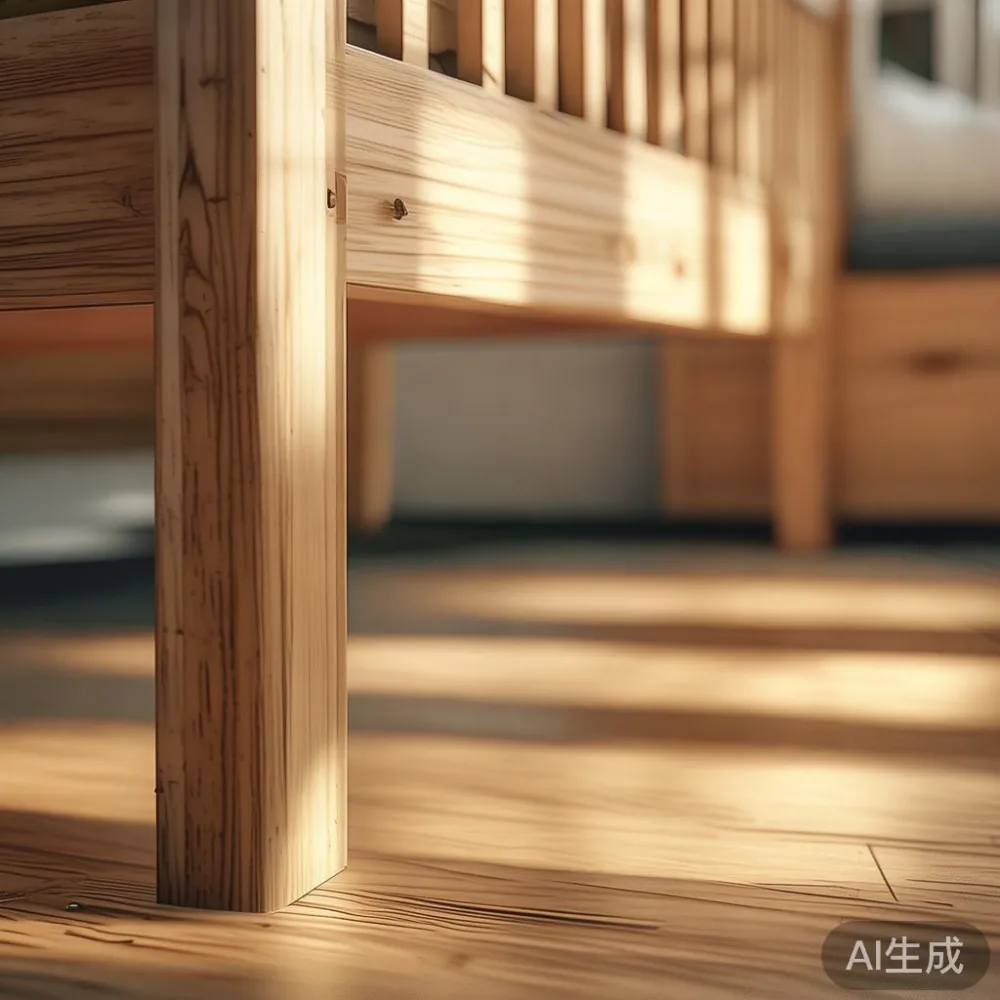
Why You Can't Always Sit on a Sofa Before Buying
The reality of modern furniture shopping, especially in a city-state like Singapore, often means purchasing online. The convenience of browsing from your Tampines or Bedok HDB flat is undeniable. You can compare a French light luxury sofa with an American post-modern design without leaving your home. Also, the logistics of moving a bulky item like a solid wood sofa through narrow HDB corridors and lifts can be a deciding factor. Showrooms might have limited stock, or you might be drawn to a specific piece that is only available for order. Understanding these limitations is the first step to finding a solution.
Measure Twice, Buy Once: The Critical Dimensions
Never underestimate the power of precise measurement. A sofa that looks perfect in a photograph can overwhelm a space or be impossible to fit through your front door. For Singapore's HDB flats and condos, the standard door width is typically 80-90 cm, and the lift dimensions in older estates can be tight. Before you even consider the style, grab a measuring tape and note down the following numbers in centimeters:

- Overall Width: The total side-to-side measurement. A standard 3-seater sofa is around 180-200 cm wide. A loveseat is approximately 140-160 cm. For a kids room, a smaller loveseat or a 2-seater (150-170 cm) is often more practical.
- Depth: The measurement from the front of the seat cushion to the back. Most sofas range from 85 to 100 cm deep. A deeper sofa offers more lounging space but can protrude further into a room, which is a key consideration for a smaller kids room.
- Height: The total height from the floor to the top of the backrest. This is important for ensuring the sofa doesn't block windows or feel imposing. Heights usually range from 75 to 95 cm.
- Armrest Height: The height from the seat to the top of the armrest. This affects comfort and the look. A lower armrest (around 50-60 cm) can create a more open, modern feel, while a higher one (60-70 cm) offers a more traditional, cozy appearance.
- Seat Height: The measurement from the floor to the top of the seat cushion. A standard height is 45-50 cm. This is important for ensuring it's easy for children to get on and off.
My colleague, Sarah, recently learned this the hard way. Last month, she visited a client in a Punggol condo who had purchased a beautiful Italian light luxury for bedroom style sofa online. The sofa was 220 cm wide. It looked magnificent in the showroom photos. However, the client's lift was an older model, and the sofa simply would not fit. They had to disassemble it themselves, a process that took over two hours and voided part of the warranty. Always confirm the sofa's dimensions and compare them to your home's access points.
Unseen Comfort: The Anatomy of a Quality Sofa
Since you can't test the comfort physically, you need to become a detective of the sofa's construction. The feel of a sofa is determined by its internal components. Ask the seller for detailed specifications on the following:
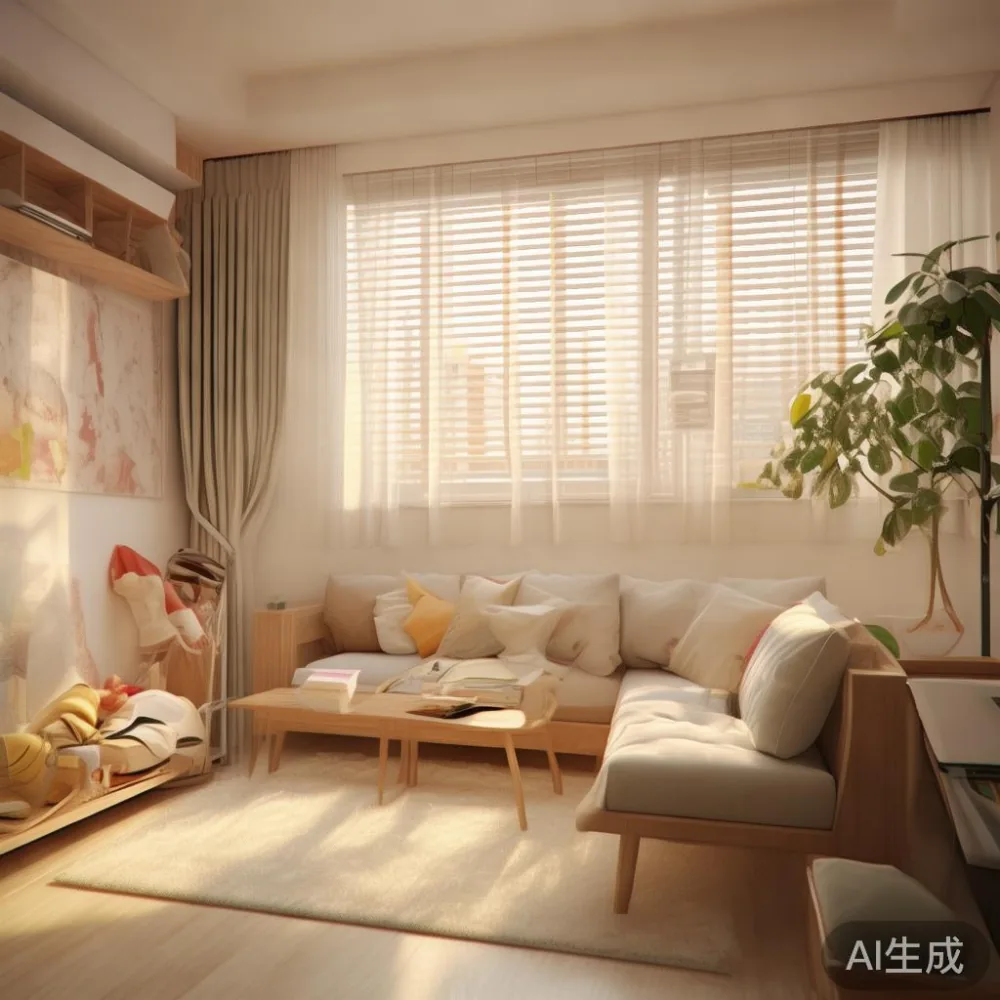
- Frame Material: A solid wood sofa frame, made from kiln-dried hardwood like oak or beech, is the gold standard. It prevents warping and ensures long-term durability. Avoid frames made from particleboard or low-density fiberboard, which can crack and sag over time. A good solid wood frame will last for decades.
- Spring System: For support, look for a "sinuous spring" or "no-sag" spring system. These are heavy-gauge steel wires that run from the front to the back of the seat, providing even support. A higher number of springs per seat (e.g., 8-10) generally indicates better quality and more comfort.
- Cushion Fillings:
- High-Density Foam: Look for foam with a density rating of 1.8 to 2.5 kg/m³. Higher density foam is more resilient and will retain its shape longer. Avoid low-density foam, which can quickly become flat and uncomfortable.
- Down or Feather Blend: For a plush, soft feel, cushions with a down/feather wrapped around a foam core are luxurious. However, they require regular fluffing to maintain their shape. A 50/50 blend of foam and feathers is a common and durable compromise.
- Fiber Fill: Polyester fiberfill is budget-friendly but can clump over time. High-quality fiberfill that has been carded and blown into cushions will last longer.
Materials and Durability for a Kids Room
A kids room sofa faces unique challenges: spills, stains, and general wear and tear. The materials you choose are critical for the longevity of the piece. When considering a Japanese sofa vs Japandi sofa for a child's space, think about the fabric's properties. For a kids room, performance fabrics are your best friend.
- Fabric Type: Look for tightly woven, synthetic fabrics like microfiber, polyester, or olefin. These materials are stain-resistant, durable, and easy to clean. Crypton or Sunbrella fabrics are excellent choices as they are inherently resistant to spills, moisture, and even odors. Avoid delicate fabrics like linen or silk, which are beautiful but impractical for a kids room.
- Color and Pattern: Light colors show stains more easily. For a kids room, consider medium to dark tones, subtle patterns, or fabrics with a textured weave that can help camouflage minor marks. A solid wood sofa frame in a darker wood finish can also hide scuffs better than a lighter one.
- Construction Quality: Check for details like double-stitched seams, which are less likely to tear. Look at the legs. Are they screwed in securely, or are they just glued? A solid wood sofa with screwed-in legs is far more stable and durable. The finish should be even and free of bubbles or rough spots.
Choosing a sofa for a kids room is different from selecting a dining table or a wardrobe. The focus is on resilience and easy maintenance. A well-made piece with the right materials can withstand years of use, while a poorly constructed one may need replacing in just a couple of years.
What About the Style? A Guide to Light Luxury Aesthetics
Even without sitting on it, you can still assess the sofa's design and how it will fit into your home's aesthetic. Light luxury is about creating a sense of understated elegance, focusing on quality materials and clean lines rather than ornate details.
- French Light Luxury: This style often features rounded arms, soft curves, and elegant proportions. It might incorporate subtle details like nailhead trim or button-tufting on the back. A French provincial for apartment style sofa would have a more relaxed, less formal feel than a traditional French piece, making it suitable for modern Singaporean homes.
- Post-Modern Light Luxury: This is a more eclectic and playful approach. It mixes different textures and materials, such as combining a solid wood frame with marble table tops on the side tables or a plush fabric with sleek metal legs. The forms are often geometric and bold.
- How to Style European Bed in Room: While this phrase is about beds, the principle applies to sofas. A European light luxury for office aesthetic emphasizes clean lines, neutral palettes, and a focus on high-quality materials. Think of a sofa with a low profile, simple legs, and a beautiful, understated fabric that allows the quality of the solid wood frame to shine.
The style you choose should complement the other furniture in the room. If you have a minimalist wardrobe and a simple nightstand, a more ornate sofa might clash. Conversely, a very plain sofa might look lost next to a more elaborate dining table. Consider the harmony of the space.
French Bed vs Modern Bed: Understanding the Warranty and Logistics
The final, and perhaps most reassuring, factor is the company behind the product. When you cannot physically test an item, the warranty and delivery terms become your guarantee of quality and service. This is where a company with a strong track record becomes invaluable.
Look for warranties that cover the structural integrity of the sofa. A 10-year structural warranty is a strong indicator of confidence in the product's craftsmanship. This means the frame, springs, and other core components are protected for a decade. For a kids room, where furniture is used heavily, this long-term protection is a significant benefit.
Also, consider the practicalities of delivery and returns. Free shipping over a certain amount, for example, SGD 800, can save you a significant cost. A 14-day return policy gives you a safety net. What happens if the sofa arrives and it's simply not the right size or color for your space? A clear and fair return policy is important.
My own experience with a solid wood bed frame purchase taught me the value of good logistics. The delivery team was professional, arrived on the promised date between 2 PM and 4 PM, and carried the item up to the third floor of my HDB block without any issues. The peace of mind that comes with reliable service is something you cannot measure, but it is certainly something you can value. A company like MIDHILL, established in 2008 and exporting to over 15 countries, understands the complexities of international shipping and local delivery needs, ensuring a smoother process for customers.
What if the Sofa Doesn't Fit? A Customer's Question
What happens if the sofa arrives and it's just too big for my HDB corridor, or the color is completely wrong? How easy is it to return such a large item?
This is a very practical concern. Reputable furniture companies have clear policies for this exact scenario. A 14-day return policy is designed to address this. When you receive the sofa, you typically have a two-week window to inspect it. If you find a defect or if it simply doesn't meet your expectations due to size, color, or any other reason, you can initiate a return. The company will usually arrange for a pickup. However, it's important to read the fine print. Some companies may charge a restocking fee or require the item to be in its original packaging and in perfect condition. Always confirm the return process, including who bears the cost of return shipping, before you finalize your purchase. For peace of mind, choosing a company that offers a no-questions-asked return period within the first 14 days is the safest bet.
Final Checklist for Your Online Sofa Purchase
To summarize, here is a final checklist to run through before clicking 'buy' for your kids room sofa:
- Measure Everything: Sofa dimensions, doorways, lift size, and the exact space where the sofa will live.
- Research the Build: Confirm the frame is solid wood, the spring system is high-quality, and the cushion foam has a good density rating.
- Choose Kid-Friendly Fabric: Opt for a durable, stain-resistant material like microfiber or performance fabric.
- Assess the Style: Ensure the sofa's aesthetic aligns with your existing furniture. Consider a Japanese sofa vs Japandi sofa for a minimalist look, or a French bed vs Modern bed for a more traditional feel.
- Review the Warranty: Look for a long structural warranty (10 years is excellent) and a comprehensive return policy (14 days is standard).
- Check the Details: Look at photos of the sofa's legs, stitching, and finish quality to assess the craftsmanship.
By focusing on these tangible, measurable details, you can confidently choose a sofa online, knowing it will be a perfect fit for your Singapore home and a durable centerpiece for your kids room for years to come. For more inspiration on how to style European bed in room or to explore collections, you can always find resources on sites like midhill.co.