The Ultimate Guide to Buying a Sofa You Can't Sit On
In Singapore, where living spaces are a premium and HDB corridors and condo lift lobbies dictate the dimensions of our furniture, buying a sofa is a significant decision. This is especially true when you're furnishing a kids room, where durability and style must coexist with the inevitable chaos of childhood. Often, the perfect piece for your home is a display model or a custom order, meaning you have to commit to a sofa without ever actually sitting on it. This scenario requires a shift from a purely sensory-based decision to one built on research, measurement, and a deep understanding of your family's needs. This guide will walk you through the critical factors to evaluate when you cannot test a sofa in person, ensuring you make a confident and informed purchase for your Singaporean home.
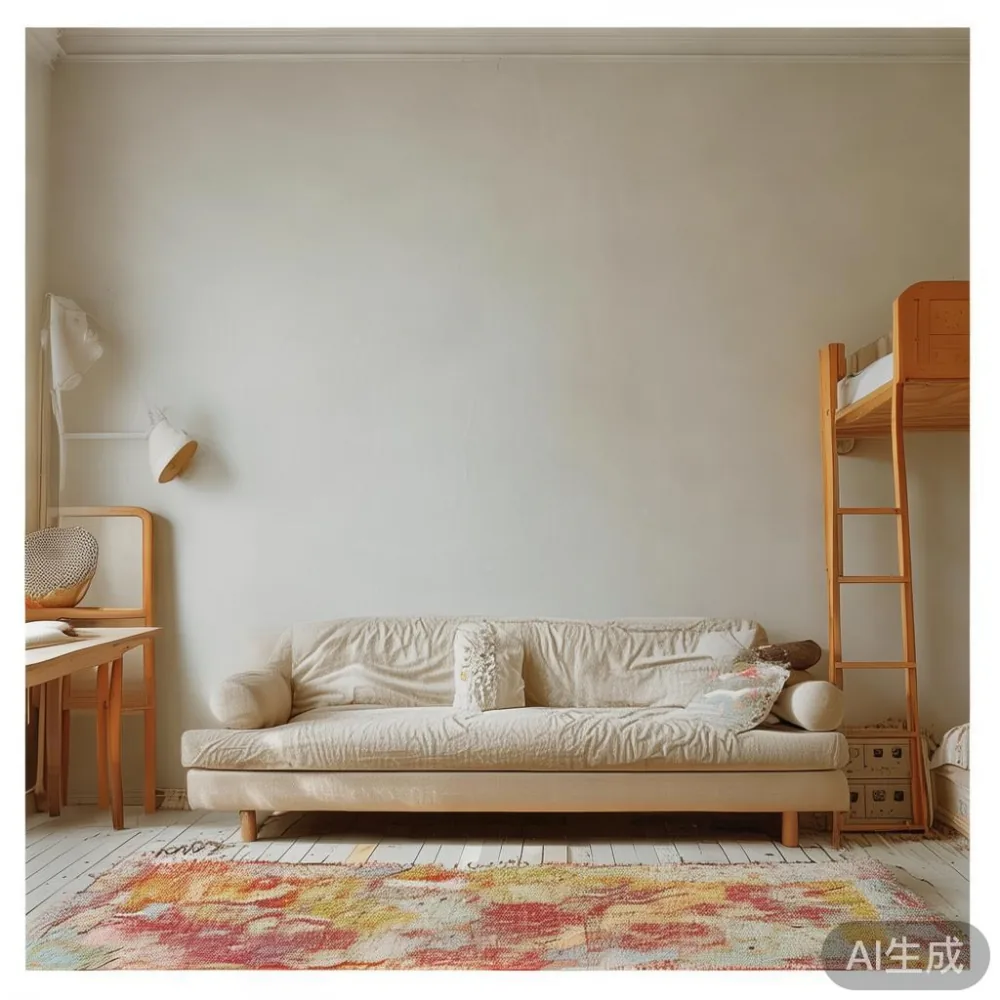
Why You Might Be Buying a Sofa You Can't Sit On
The reasons for purchasing a sofa without a physical trial are numerous in our city-state. For many families in Tampines or Bedok, the logistics of transporting a large sofa from a showroom to a high-floor HDB unit can be a deterrent. It’s often easier to browse online, view high-quality images and videos, and have the item delivered directly. This is particularly common for those seeking a specific aesthetic, like a modern French provincial furniture piece that perfectly matches their interior design vision. Others might be looking for a custom-sized sofa to fit an awkward nook in a Punggol apartment, a service offered by brands like MIDHILL, which specializes in solid wood furniture tailored to modern living spaces.
Also, the display models in many furniture showrooms might not reflect the exact configuration you need. Perhaps you require a chaise lounge for your kids room to create a cozy reading nook, or a specific sectional layout to maximize space in a compact living area. In these cases, you are committing to the design, materials, and comfort based on the information provided, trusting the brand's reputation and specifications. This leap of faith can be made much easier with a structured approach to evaluating your options.
How to Measure Your Space Without the Sofa There
Before you even consider the sofa's colour or fabric, the most critical step is ensuring it physically fits in your home. In Singapore, where a few centimetres can make the difference between a perfect fit and a frustrating delivery, precision is key. Start by measuring the exact width, height, and depth of the space where the sofa will live. Use a measuring tape for accuracy. Don't forget to measure the height of your doorways, the width of your internal corridors, and the dimensions of the lift. A common oversight is the sofa's height when it's tilted to work through a turn in the corridor.
Next, consider the sofa's dimensions in relation to your other furniture. A solid wood sofa should have at least 45-60 cm of clearance around it for comfortable movement. If you plan to place a marble table or a TV console in front of it, ensure there is enough legroom. A good rule of thumb is to leave at least 40 cm between the front of the sofa and the coffee table. Visualise the space by using painter's tape on your floor to outline the sofa's footprint. This simple exercise can prevent a costly mistake and help you see how the piece will flow within the room. For those in condos with open-plan layouts, consider how the sofa will interact with the dining area or kitchen space.
What to Look for in Materials and Construction Quality
When you can't test the comfort, the quality of the materials and construction becomes your primary indicator of durability and long-term satisfaction. A sofa is a significant investment, especially for a kids room where it will face daily use. Look for descriptions that mention the frame material. A high-quality sofa will have a solid wood frame, such as kiln-dried oak or beech, which is resistant to warping and provides excellent support. Cheaper alternatives often use particleboard or a mix of wood and metal, which may not hold up as well over time.
Examine the upholstery details. Pay attention to the type of fabric—leather, linen, cotton, or a performance blend—and its thread count. For a kids room, a durable, stain-resistant fabric is a practical choice. Ask about the cushioning. High-resilience foam wrapped in down or a feather-and-fiber blend offers a luxurious feel that bounces back, while cheaper foam can quickly lose its shape. The suspension system is another key component. Look for eight-way hand-tied springs, which provide superior support and longevity compared to standard webbing or zigzag springs. A well-constructed sofa will feel substantial and stable; if you can lift a corner of the display model, it should feel heavy and solid, not flimsy.
Is the sofa durable enough for a kids room?
Absolutely. When selecting a sofa for a kids room, durability should be your top priority. This space is a hub for play, relaxation, and sometimes, the occasional snack. The key is to choose materials that can withstand this level of activity without compromising on style. Opt for performance fabrics that are specifically designed to resist stains, spills, and fading. These fabrics often have a protective coating that makes them easy to wipe clean, a feature that will save you countless hours of worry.
The construction is equally important. A solid wood frame is non-negotiable for a piece that will see heavy use. The cushions should be made from high-density foam that won't easily indent or sag. A colleague of mine recently purchased a sofa from a reputable brand for her son's room. Within six months, the cushions had completely lost their shape, making the sofa uncomfortable and unsightly. This experience highlights the importance of investing in quality construction from the start. Look for warranties that cover structural issues, as these are a proof of the manufacturer's confidence in their product's longevity.
Understanding the Logistics of Delivery and Returns
Once you've found the perfect sofa, understanding the delivery and return process is important for a smooth experience in Singapore. Always confirm the exact delivery timeline. While standard delivery might take 7-14 business days, custom or solid wood pieces can take longer, sometimes up to 6-8 weeks. Factor this into your planning, especially if you have a specific date in mind, like moving into a new condo in Tampines. Inquire about the delivery process itself. Does the company provide white-glove service, where they assemble the sofa in your home and remove all packaging? Or is it a simple curb-side delivery?
Equally important is the return policy. A reputable brand will offer a clear and fair return policy. For example, a 14-day return period allows you to inspect the sofa once it arrives. Ensure you understand the conditions for returns. Is the sofa returnable if it simply doesn't match your decor, or only if it arrives damaged? Also, be aware of any associated costs. While many companies offer free shipping over a certain amount, such as SGD 800, returns might incur a restocking fee or transportation charges. Always ask for a detailed breakdown of all potential costs before finalizing your purchase. This level of clarity prevents unpleasant surprises and ensures a transparent transaction.
Matching Your Sofa to Your Home's Existing Style
Even without sitting on it, a sofa's design should immediately complement your home's existing aesthetic. Your choice should harmonize with other pieces like your dining table, wardrobe, and nightstand. Are you aiming for a cohesive look throughout your home? If so, the style of your sofa should reflect that. For instance, if your bedroom features a European light luxury bed vs Japandi bed, you might want your living room sofa to echo a similar design philosophy. This creates a unified and intentional feel across your living spaces.
Consider the vibe you want to achieve. A French sofa vs French provincial sofa offers a classic, elegant feel with ornate details, while a post-modern for guest room approach might favour clean lines and bold geometric shapes. For those who appreciate understated luxury, an American light luxury sofa focuses on comfort, clean silhouettes, and premium materials in neutral tones. The key is to be consistent. If your dining table is a heavy, dark wood piece, a light, airy sofa might look out of place. Conversely, if your home has a minimalist, Scandinavian-inspired decor, a bulky, traditional sofa could disrupt the flow. Look at high-resolution images of the sofa in different settings to get a better sense of how it will look in your home.
How to Assess Comfort from a Distance
While you can't physically sit on the sofa, you can still assess its potential comfort through careful observation of its design and features. The depth of the seat is a major factor. A depth of 55-60 cm is generally comfortable for most adults, allowing them to sit back and relax without their legs dangling. For a kids room, a slightly shallower depth of 45-50 cm might be more suitable, as it provides better back support for children.
The height of the seat from the floor is another consideration. A standard seat height is around 45 cm. If you have mobility issues, a lower seat might be easier to get in and out of. The armrest height and width also contribute to comfort. Wide, padded armrests provide a great place to rest your arms or even a laptop. Finally, consider the backrest. A high back offers more support for your entire back and neck, which is ideal for lounging. A lower backrest is better for a more upright, conversational seating position. If you have the opportunity to visit a showroom that has a similar model, even if it's not the exact one you want, use it as a reference point to gauge these comfort dimensions.
Decoding the Price: What Are You Paying For?
A sofa's price tag can range from a few hundred to several thousand Singapore dollars. Understanding what influences the cost can help you determine if you're getting good value for your money. The frame is the single most expensive component. A solid wood frame, like the one used in a MIDHILL solid wood sofa, will be significantly more costly than a frame made of engineered wood or metal. This higher upfront cost, however, translates to a longer-lasting piece of furniture.
The upholstery is the next major cost driver. Genuine leather is the most expensive option, followed by high-performance fabrics, and then standard cotton or linen blends. The complexity of the sofa's design also affects the price. A simple, two-seater sofa will be less expensive than a large, L-shaped sectional with multiple recliners and built-in storage. The brand's reputation and warranty offerings also play a role. A company that offers a 10-year structural warranty and lifetime refinishing is investing in higher quality materials and craftsmanship, which is reflected in the price. Remember to factor in the 9% GST when budgeting for your new sofa, as this will be added to the final cost. While a higher price doesn't always guarantee quality, a very low price for a large sofa is often a red flag for inferior materials and construction.
Final Checks Before You Click 'Buy'
Before you commit to your purchase, run through a final checklist to ensure everything is in order. First, double-check all the measurements one last time. Confirm the sofa's width, depth, and height, and compare them against the space you've marked out on your floor. Second, review the warranty details carefully. Understand what is covered, for how long, and what the process is for making a claim. A 10-year structural warranty is a strong indicator of quality, as it protects the most important part of the sofa.
Third, verify the delivery details. Confirm the exact delivery date window, the delivery address, and any special instructions, such as requiring a lift key for your HDB unit. Ensure someone will be available to receive the sofa. Finally, take clear photos of the sofa upon delivery. This is your proof of the condition it arrived in, which is important if you need to file a claim for any damages. By following these final steps, you can approach your purchase with confidence, knowing that you've done your due diligence and are ready to enjoy your new sofa for years to come.