Veneer vs Solid Wood in a Kids Room: A 5-Year Cost Comparison for Singapore Homes
Choosing furniture for a Singapore kids room is rarely a decision about appearance alone. A wardrobe must survive daily use, a bed frame must fit an HDB bedroom or condo, and a dining table has to cope with homework, meals and toys. The price tag matters, but so do cleaning, repairs and the risk of replacing damaged parts after 5 years.
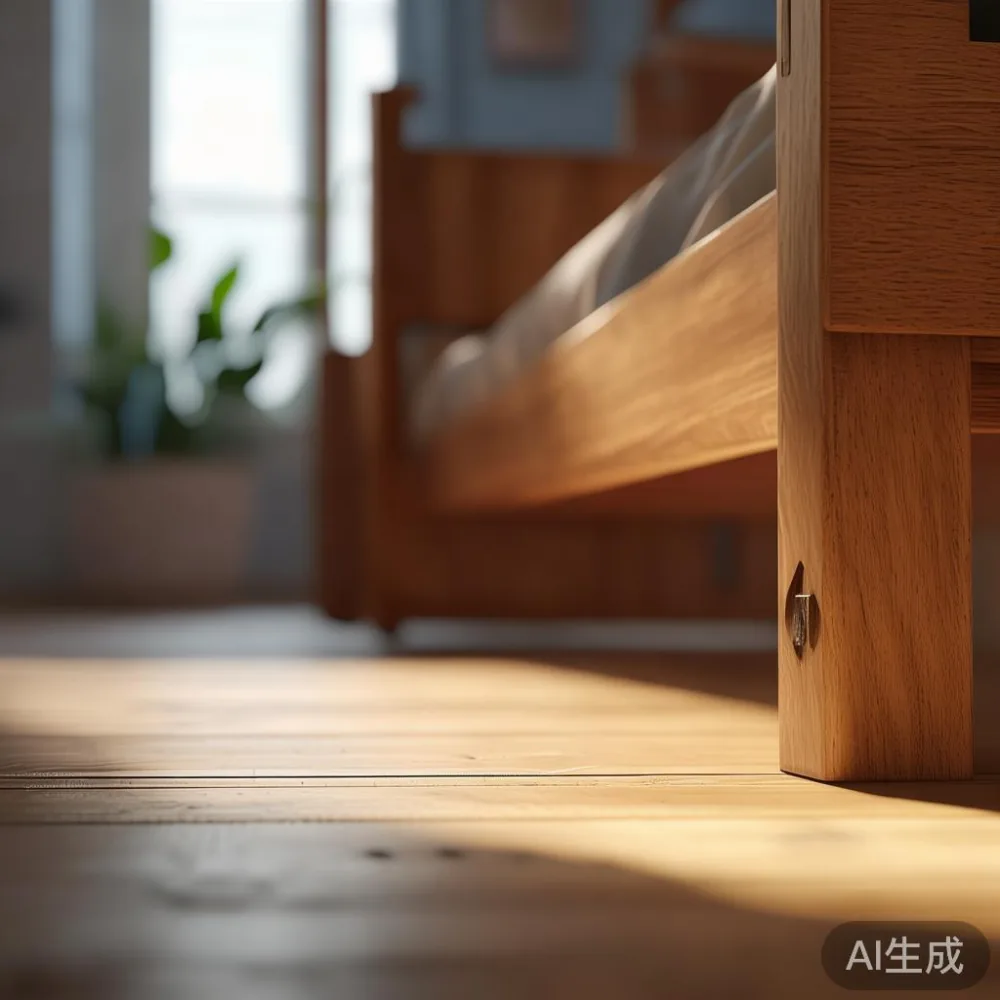
This comparison looks at veneer and solid wood across a realistic children’s furniture package: a solid wood bed frame, dining table, wardrobe and nightstand. Prices are expressed in SGD and include GST, with indicative Singapore delivery included. The figures are planning estimates rather than quotations; timber grades, finishes and exact dimensions can change the final cost.
For context, a compact HDB bedroom in Tampines might provide only 2.7 m by 3.0 m of usable floor space, while a Bedok condo room may offer a wider 3.2 m by 3.4 m layout. A Punggol family often needs flexible storage because the same room serves as a bedroom, study and occasional guest space. These constraints make the material decision more than decorative.
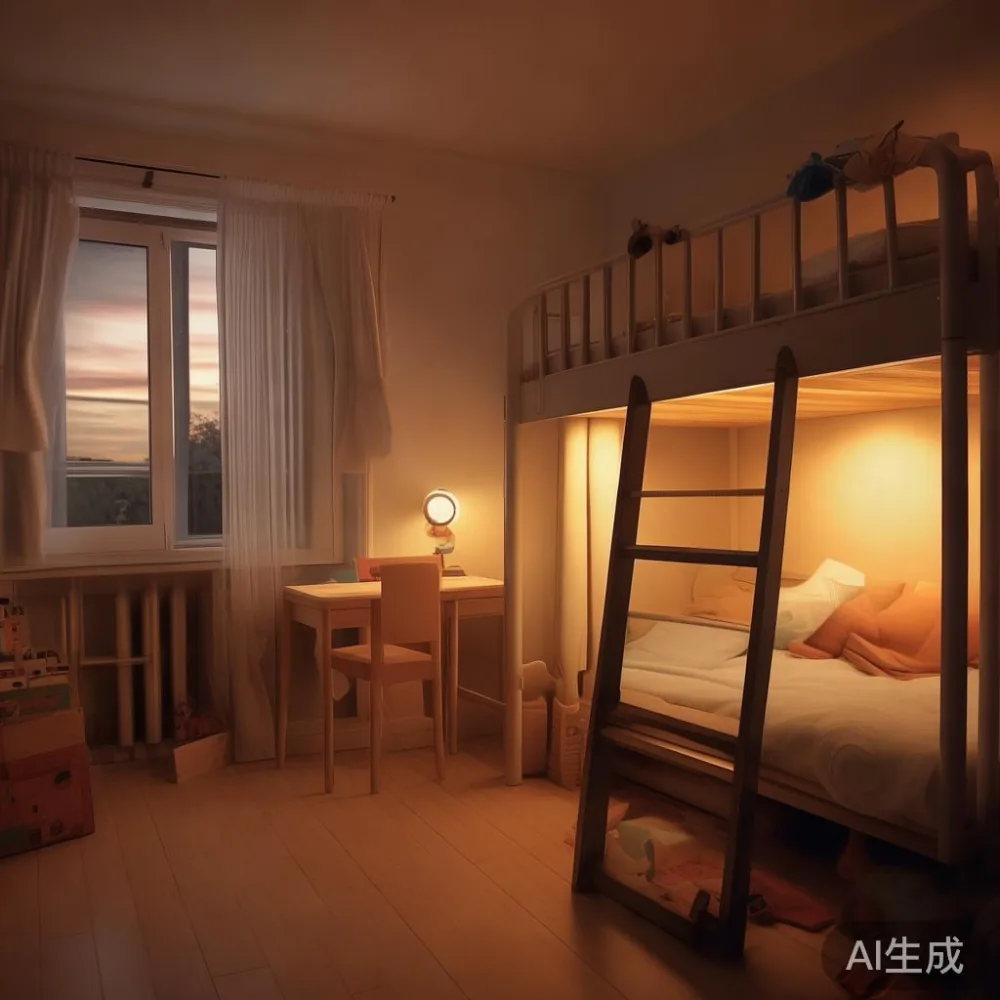
What does veneer cost compared with solid wood for kids-room furniture?
For this 5-year model, a representative kids room package includes a 120 cm solid wood bed frame, a 100 cm dining table, a 150 cm wardrobe and a 45 cm nightstand. Veneer versions are estimated at SGD 2,180 for the set, while equivalent solid wood versions are estimated at SGD 3,760. The solid wood set carries an additional SGD 1,580 on day one.
That gap can look obvious, but a furniture purchase should be assessed by usable years and likely repair costs. Veneer can be a sensible choice for a low-traffic wardrobe side that receives light use. Solid wood usually has an advantage where children climb, lean, drag toys and repeatedly wipe surfaces, particularly on bed rails, table edges and drawer fronts.
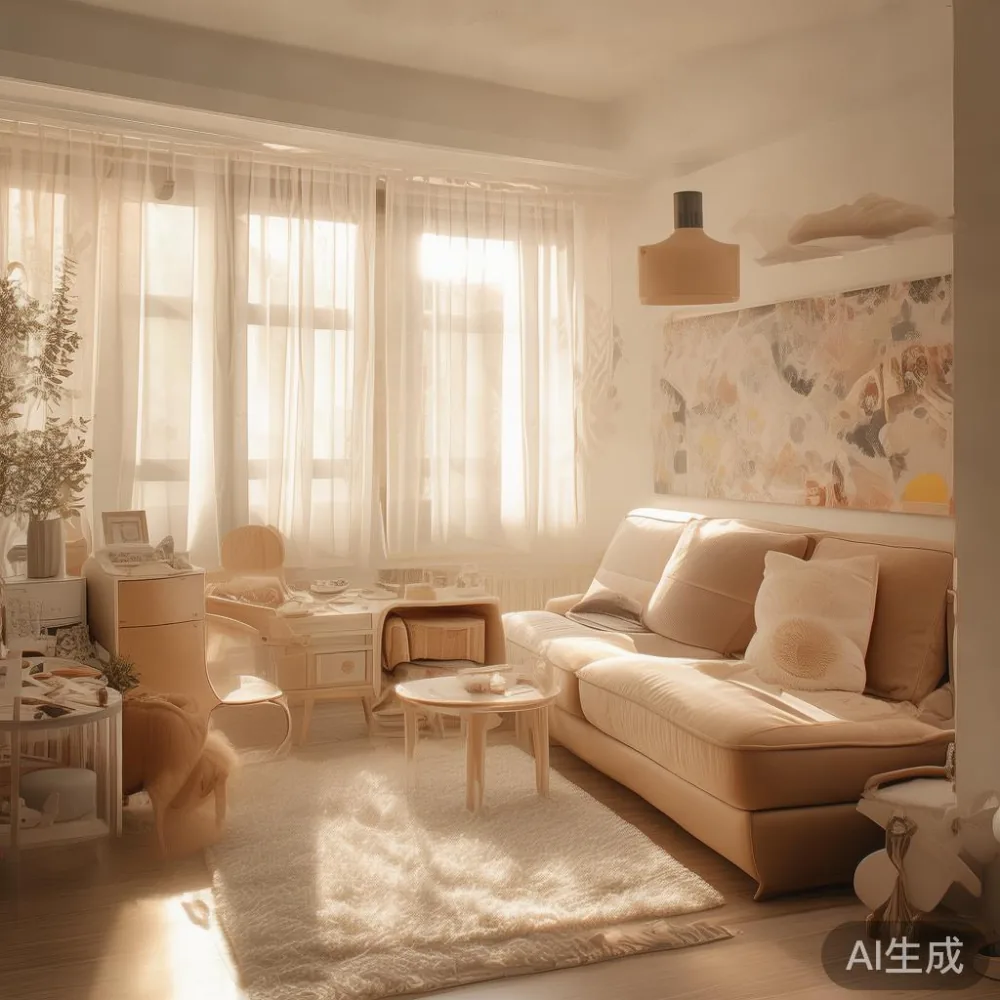
For illustration, consider a European light luxury dining table with a marble top. A 120 cm marble-topped table may cost SGD 1,280–SGD 1,880, compared with SGD 690–SGD 980 for a solid timber table of similar size. Marble brings its own maintenance considerations: it is heavy, susceptible to staining if unsealed and unforgiving of hard knocks. In a children’s setting, a rounded solid wood edge can be more forgiving.
Search results for for sale European furniture often present veneer and solid wood as interchangeable categories. The important comparison is not the country label; it is the construction method, core material, finish thickness, joint quality and warranty terms.
How much will a solid wood kids room cost over 5 years?
Over 5 years, the solid wood option may cost less if one or two components need repair. In the sample below, the model assumes normal family use, no flooding and no deliberate damage. It allows for cleaning supplies, local delivery and a reasonable replacement allowance.
The solid wood package starts at SGD 3,760. Annual care is estimated at SGD 65 for wood-cleaning product and a small refinishing allowance. A local scratch repair in year 3 adds SGD 90. Total 5-year expenditure is approximately SGD 4,175.
The veneer package starts at SGD 2,180. Cleaning and replacement allowances are estimated at SGD 95 per year because veneer is more sensitive to moisture and edge wear. A drawer-front repair in year 2 costs SGD 160, while a wardrobe-panel replacement in year 4 costs SGD 280. Total expenditure reaches SGD 2,915.
On this model, veneer still has the lower 5-year cost. Solid wood only becomes the less expensive option if the expected repairs exceed about SGD 1,245. That might happen in a frequently used play-and-study room where children pull drawer handles, move chairs and clean surfaces aggressively.
The calculation also exposes a common mistake: comparing purchase prices without accounting for delivery friction. A full-height wardrobe may weigh 75–95 kg and arrive in 2–3 cartons. Its assembly may require 2 people and approximately 90 minutes. Solid wood can add 10–20 kg to a set. A narrow condo lift measuring 100 cm by 140 cm may need the cabinet shipped flat, while corridor turns of 90 cm can affect the final installation charge.
What happens when a child spills water or scratches the furniture?
Liquid incidents are one reason many parents favour solid wood in a kids room. Veneer is not automatically weak, but its paper or thin-layer face can swell, bubble or peel if moisture reaches an exposed edge or a damaged coating. Solid wood generally tolerates brief dampness better, although prolonged soaking can still cause swelling or staining.
Consider a spilled drink at 7:30 p.m. A sealed veneer nightstand might show a mark after 1 hour and need replacement of the affected panel at SGD 70–SGD 120. Solid wood could be wiped dry in 15 minutes, then checked again after 24 hours. If the finish is merely marked, a 30-minute local repair might cost SGD 40–SGD 80.
Scratches follow a similar pattern. A veneer dining table with a 0.6 mm wear layer may be repairable at SGD 35–SGD 70 per damaged zone. Solid oak or ash can be sanded and refinished locally, typically for SGD 80–SGD 160 per zone. A deep split may require a board replacement, and timber movement can make an exact colour match harder than expected.
Cleaning method also affects the result. Use a damp cloth, not a soaked one, and keep standing water away from veneer edges. Dry the surface within 10 minutes. Avoid abrasive pads and silicone-based polish. For a solid wood sofa with a wood base, check under the cushions every month for grit; small trapped particles can abrade the finish.
In June, I visited my colleague’s Bedok family home and tested a veneer nightstand and a solid oak nightstand after their children had handled crayons, wet crayons and a half cup of water. The veneer sample retained a faint bluish stain near the rear edge after 2 hours. The solid oak sample wiped clean immediately, although the mark remained visible until a 20-minute touch-up. That small test did not prove a universal rule, but it supported the need to consider finish quality and exposure.
Which material suits different Singapore kids-room layouts?
In an HDB flat, dimensions and access routes often favour engineered or carefully configured designs. A 90 cm-wide single bed may suit a compact Tampines room better than a 120 cm frame. The bed frame should have at least 5 cm of clearance on the main side for drawers and 60 cm where a child needs to sit. A lift lobby or corridor cannot solve awkward packaging, so confirm carton measurements before ordering.
For a dining study area, a 100 cm solid wood dining table with an 80 cm high working surface may support homework and arts. Allow 75 cm behind each seated person. A 120 cm table needs about 150 cm of combined clearance in a narrow space. Veneer can work well here if the tabletop has a sealed, continuous surface and the edges are protected.
Wardrobes require a different comparison. A 150 cm free-standing unit may dominate a 2.7 m-wide HDB bedroom. A 120 cm modular wardrobe with two 60 cm sections can be moved more easily through condo corridors and fitted inside lift cars. Solid wood rails and frames can be combined with selected flat panels, but this mixed construction should be described accurately rather than sold as wholly solid timber.
For a guest area that doubles as a child’s room, the phrase Coastal for guest room describes a visual direction more than a material guarantee. Coastal styling often uses pale tones, simple profiles and light textiles. The wardrobe and bed frame can still be solid wood, while veneer appears in less handled components such as the back panel of a nightstand.
French provincial styling can create a softer children’s room, but ornate mouldings collect dust and projecting handles can catch clothing. If your interest is how to style French provincial wardrobe in bedroom, use one restrained feature, such as a shaped top, and keep the rest of the room calm. This avoids making the children’s furniture feel crowded.
Is a solid wood bed frame safer and more durable for a child?
Solid wood is often easier to repair than veneered particleboard, but material alone does not make a bed safe. Check guardrail height, gaps, corner radius, slat spacing and mattress support. For children under 6 years, avoid lofted beds and use guardrails at least 19 cm above the mattress. A bed frame should be fixed to the wall where tipping is possible, and the mattress should fit snugly.
The Japanese bed vs French provincial bed comparison is really a comparison between low-profile simplicity and decorative detail. A Japanese-style bed may use a 10–12 cm solid wood platform and offer a visually lighter footprint, useful in a Punggol room with a 2.6 m ceiling. A French provincial bed often has a shaped headboard that adds 8–12 cm of height. In a low HDB ceiling, that difference affects curtain and lighting placement.
For the wardrobe, inspect how panels are joined, not only the visible face. Solid wood mortise-and-tenon or dowelled joints in load-bearing sections can be durable. Drawer boxes should use dovetail or sturdy dowelled construction. Veneer is acceptable on broad, stable panels when the substrate and edge banding are well made.
A solid wood dining table should have rounded table corners in a child’s room, with a stable apron and legs positioned so a child cannot easily strike the knees. Nightstand drawers need a stop so they cannot swing into a child’s fingers. These details affect daily usability more than the distinction between wood species.
What about delivery, GST, returns and warranty for Singapore buyers?
Singapore prices normally include GST, but the invoice should state this clearly. For an order over US$350, MIDHILL offers free shipping, while Singapore delivery arrangements should be confirmed before payment. Typical lead time for configured furniture is 30–45 production days plus 3–7 local delivery days. Peak periods near the school holidays can add 7–14 days.
Lift and corridor measurements should be checked before dispatch. For example, a 180 cm long wardrobe carton cannot turn through a 90-degree corridor junction if the packaging exceeds the lift door diagonal. A room-access survey or photo of the lift plate, door width and turning space can prevent a failed delivery.
Warranty length is more useful when the scope is explicit. MIDHILL provides a 10-year structural warranty, which should be read with the manufacturer’s exclusions. Veneer edge peeling, finish wear and misuse may be handled differently from a broken structural joint. Confirm whether the warranty applies to the frame, drawer runners, bed slats, joints and finish.
Returns are easier when the order is standard. Custom dimensions, special finishes and personalized pieces may carry different terms. MIDHILL’s 14-day return policy gives buyers time to inspect visible damage and access issues. For a large order, photograph the packaging, corners and hardware on arrival, and measure the furniture before the delivery team leaves.
Refinishing is another practical advantage of solid timber. MIDHILL offers lifetime refinishing, subject to the stated service scope, while veneer replacement depends on available matching sheets and the condition of the substrate. Ask for a sample, not just a colour photograph, because daylight in an east-facing Tampines flat can make warm oak appear more orange than it does online.
Which option gives better value across 5 years?
Veneer offers the clearer upfront saving. At an estimated SGD 2,180 for the four-piece package, it suits rooms where components receive moderate use, the family has a flexible replacement budget and the design needs broad panels. Solid wood becomes more attractive when the room is a daily workshop, the furniture will move frequently, or the family values repairability and a coherent material throughout.
The break-even point is approximately SGD 249 per year for the solid wood set. Put another way, solid wood becomes financially preferable in this model if 5-year repair and replacement costs are expected to exceed SGD 1,245. That is a meaningful threshold, but the real decision also includes noise, weight, stability and the inconvenience of replacing a child’s bed during the school term.
One balanced approach is to use solid wood for high-contact parts: bed frame, dining table and nightstand. A carefully made veneer wardrobe can save SGD 350–SGD 650 if its panels are stable and easy to replace. This hybrid method can also reduce weight, helping with a narrow corridor. It should be presented in the quotation as a mixed-material construction.
The visual language can remain light-luxury without depending on ornate furniture. Post-modern light luxury works well through proportion, restraint and tactile quality: a 120 cm solid wood bed frame, a clean-lined wardrobe and one rounded dining table create warmth without visual heaviness. A solid wood sofa with a slim base and washable fabric is useful in a family living room, while a marble table can serve adults rather than the children’s zone.
For a mid-century modern coffee table in the living area, veneer may be perfectly sensible because it is usually beyond the children’s play zone. If a Mid-century modern coffee table sits in a shared playroom, select a solid wood top or a reinforced, sealed veneer with protected edges. Its lower shelf should hold books rather than toys, and its corners should be rounded.
Ultimately, veneer is not a compromise to be disguised. It is an engineered product that can perform well when designed for its purpose. Solid wood is not automatically the right choice for every component either. The stronger result comes from matching each material to contact level, room dimensions and the family’s maintenance habits.
For a Singapore kids room, a realistic 5-year plan should include the initial SGD cost, annual care of about SGD 65–SGD 95, delivery access, repair likelihood and the value of retaining each piece. If your family expects heavy use and may keep the furniture beyond 5 years, solid wood in the highest-contact items often offers the more reassuring long-term proposition.