Maintaining Lacquered Furniture in Singapore's Heat
In the warm, humid air of Singapore, where the average humidity hovers around 80% and temperatures can climb to 32 degrees Celsius, our homes are sanctuaries of comfort. For parents creating a nurturing space, this often means investing in beautiful, durable furniture for the kids room. A lacquered finish, with its deep, reflective sheen, is a popular choice for its elegance and protective qualities. However, this same beautiful finish can be vulnerable to the very climate that defines our island. This guide provides practical, step-by-step advice on how to maintain the pristine condition of your lacquered furniture, ensuring it remains a stunning centrepiece in your home for years to come.
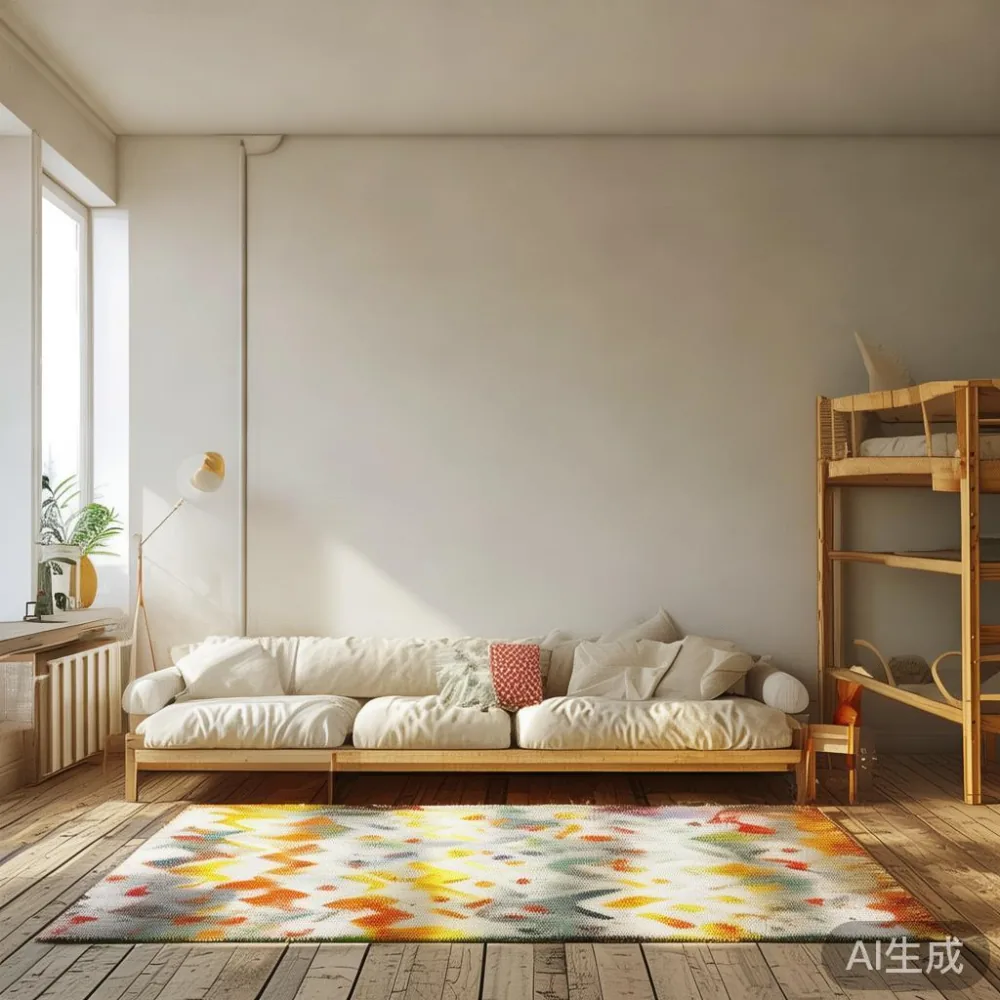
Understanding Lacquer: More Than Just a Pretty Finish
Before we discuss care, it's helpful to understand what lacquer is. Lacquer is a clear, hard, durable coating applied over wood. It creates a non-porous, glass-like surface that is highly resistant to water, stains, and everyday wear and tear. This makes it an excellent choice for furniture in a kids room, where spills and scuffs are part of daily life. The process involves applying multiple thin layers of lacquer, which are then sanded and polished to achieve a high-gloss, satin, or matte finish. This meticulous layering is what gives lacquered furniture its distinctive depth and shine. When cared for properly, a lacquered surface can look as good in 2030 as it did the day it was delivered. For instance, a solid wood dining table with a high-quality lacquer finish can withstand the rigours of family meals for over a decade, protecting the underlying wood from moisture and heat marks from hot plates.
Why Singapore's Climate Poses a Unique Challenge
Singapore's tropical climate is characterised by high humidity and intense, direct sunlight. Both elements can affect lacquered surfaces in different ways. High humidity, common in HDB flats and condos across neighbourhoods like Tampines and Bedok, can cause moisture to seep into the wood through microscopic imperfections in the finish. This can lead to a hazy, white appearance on the surface, known as 'blushing' or 'blooming'. It's a temporary issue, but it dulls the finish's brilliance. Also, the air conditioning units we rely on to cool our homes can create temperature fluctuations. A cold blast of AC onto a warm surface can cause condensation, introducing moisture directly onto the lacquer. On the other hand, the strong UV rays from Singapore's sun can be just as damaging. Prolonged, direct exposure can cause the lacquer to fade over time, altering its colour and reducing its reflective quality. This is why furniture placement is a key consideration in any room design.
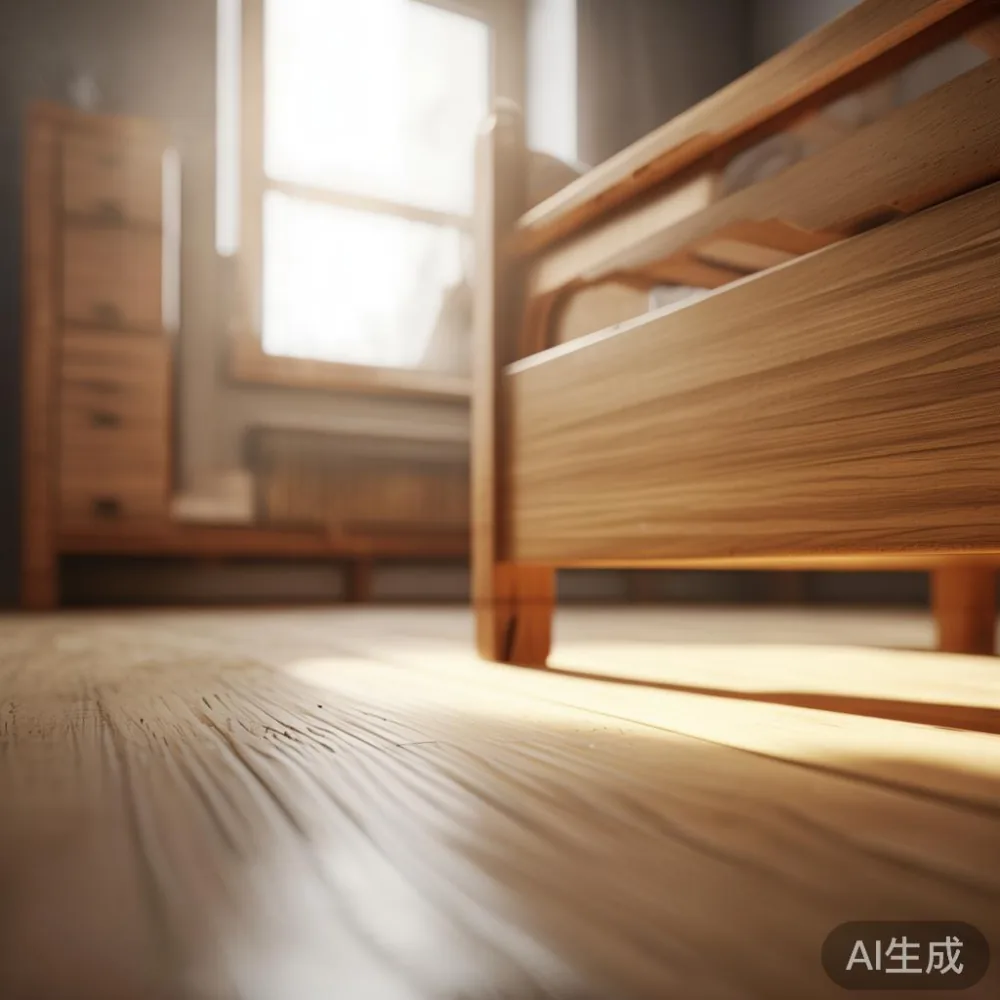
Daily and Weekly Care Routine for Your Lacquered Furniture
Maintaining the beauty of your lacquered furniture is surprisingly simple with a regular, gentle routine. The goal is to remove dust and grime without scratching or damaging the finish. For daily upkeep, use a soft, dry microfiber cloth. A microfiber cloth is superior to a standard duster because its fibres trap dust particles instead of just pushing them around, which can cause fine scratches over time. Wipe down surfaces in a gentle, circular motion. For a more thorough weekly clean, especially in a high-traffic area like the kids room, a slightly damp cloth is effective. Dampen a clean microfiber cloth with water—never use soapy solutions or chemical cleaners on the surface, as these can strip the lacquer. Wring the cloth out thoroughly until it is only slightly damp. Wipe the surface, then immediately follow with a dry, soft cloth to buff it to a shine. This two-step process ensures no moisture is left behind. For a nightstand or a small marble table top, this weekly routine is all that's needed to keep the surface looking immaculate.
How to Deal with Spills and Stains Immediately
Accidents are inevitable, especially with children around. The key to protecting your lacquered furniture is to act fast. When a spill occurs, whether it's water, juice, or milk, grab a soft, absorbent cloth and blot the area immediately. Do not rub, as rubbing can push the liquid into the seams or cause the finish to cloud. For stubborn stains like ink or food, a small amount of isopropyl alcohol (rubbing alcohol) on a cloth can be effective. Test it on a hidden, inconspicuous area first, such as the underside of a nightstand or the back of a wardrobe door, to ensure it doesn't affect the colour of the lacquer. If you're concerned, a simple solution of one part white vinegar to four parts water can also work for most organic stains. Apply it with a soft cloth, wipe gently, and buff dry. Prompt action prevents liquids from penetrating the finish and causing permanent damage, preserving the integrity of your furniture investment.
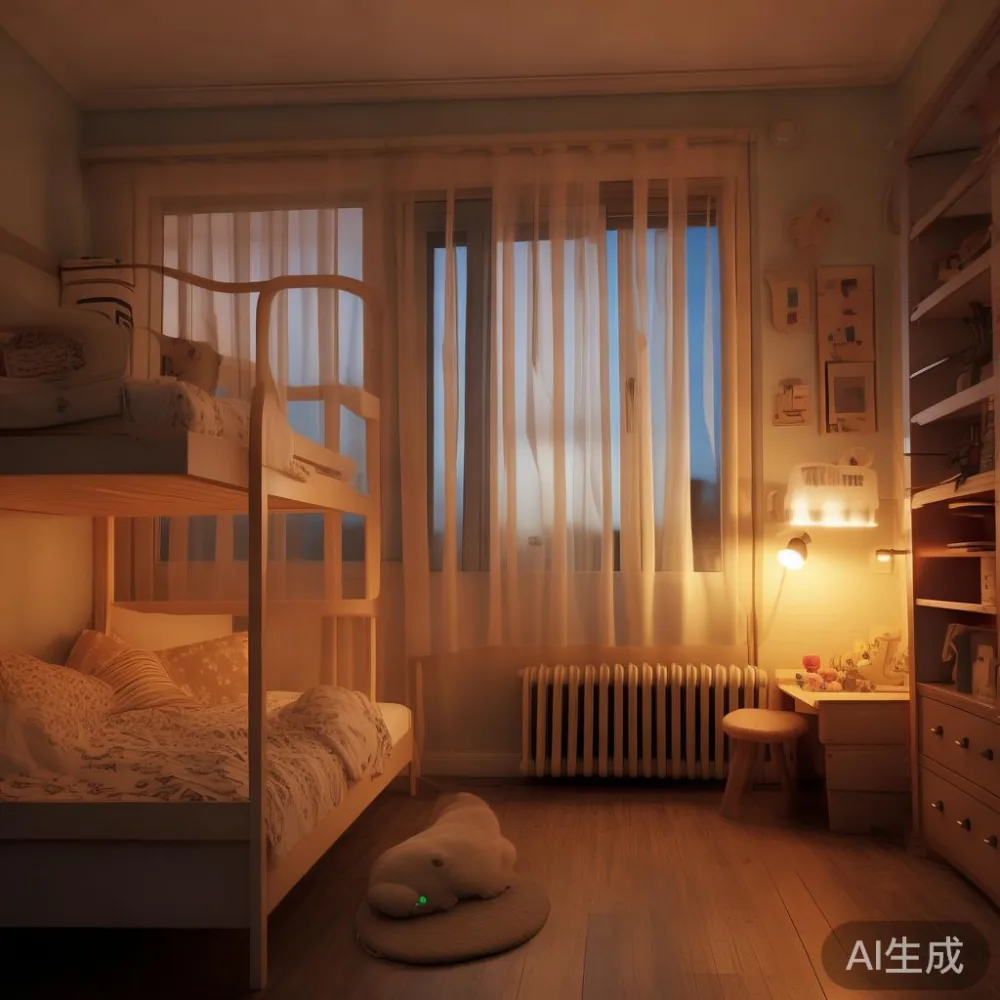
What to Avoid: Common Mistakes That Damage Lacquer
Caring for lacquer is as much about what not to do as it is about what to do. Certain common household products and practices can permanently damage the finish. Never use abrasive cleaners, scouring pads, or harsh chemicals like ammonia-based window cleaners or bleach on your lacquered surfaces. These will strip the protective layer and leave the wood underneath exposed. Furniture polish, especially those containing silicone or wax, should also be avoided. While they may provide a temporary shine, they build up over time, creating a dull, cloudy film that is difficult to remove. When moving furniture, always lift it. Never drag a solid wood sofa or bed frame across the floor, as the friction can scratch both the floor and the furniture's legs. If you need to rearrange items in your kids room, enlist help to lift rather than slide the pieces. For homes with narrow corridors, like in older Punggol estates, this is particularly important to prevent accidental damage.
Can I Use My Lacquered Wardrobe in a Bathroom?
This is a common question for homeowners looking to maximise space. While a wardrobe is a fantastic storage solution, placing a lacquered one directly in a bathroom is not recommended. Bathrooms experience extreme humidity fluctuations, from steamy showers to air-conditioned drying cycles. This constant exposure to moisture is the single greatest enemy of lacquer. The high humidity can cause the wood to swell and the lacquer to bubble or peel over time. A better approach is to choose a material specifically designed for high-moisture environments, such as engineered wood with a moisture-resistant finish or certain types of metal. If you absolutely must use a wardrobe in a bathroom, ensure it is placed as far away from the shower and bath as possible and is in a well-ventilated area to minimise steam exposure. This simple precaution can save you from costly repairs or replacements down the line.
Professional Care: When to Call for Help
Despite your best efforts, you might encounter issues that require professional attention. If your lacquered surface develops deep scratches, significant water rings, or a cloudy, hazy finish that won't buff out, it's time to call a professional furniture refinisher. A specialist can assess the damage and determine whether the piece can be repaired on-site or needs to be taken to a workshop. For minor scratches, a furniture touch-up pen, which can be colour-matched to your finish, might be a temporary fix. However, for a high-value piece like a solid wood sofa or a custom wardrobe, professional restoration is worth the investment. Many companies, including established makers, offer refinishing services. A colleague of mine recently had a 10-year-old dining table refinished, and the result was a transformation, restoring it to its original glory for a fraction of the cost of a new piece. This is where a lifetime refinishing warranty, offered by some manufacturers, provides significant peace of mind.
Making Smart Choices for Your Tropical Home
When selecting new furniture for your home, considering the local climate is a smart move. For those who appreciate a light luxury aesthetic, French provincial furniture offers timeless elegance. A 2026 French provincial furniture collection might feature a beautiful lacquered wardrobe with intricate moulding, perfect for a master bedroom. However, when choosing a sofa, the material is key. While a french light luxury sofa in velvet or linen might look stunning, it can be challenging to maintain in a humid climate. In contrast, a leather sofa is more breathable and easier to wipe clean. The debate between Japanese sofa vs French provincial sofa often comes down to lifestyle; the Japanese style's minimalist approach and use of lighter woods can be more forgiving in a bright, airy condo. For a statement piece, a marble table top adds a touch of sophistication and is naturally resistant to heat and stains, making it an excellent choice for dining areas. When searching for the best American sofa for 2026, look for models with a high-quality, durable lacquer finish on their wooden components. Similarly, if you're looking for the best American wardrobe for 2026, ensure it has a thick, multi-layered lacquer coating to protect against humidity. For those wondering how to style American wardrobe in room, pairing it with complementary lacquered nightstands and a solid wood bed frame creates a cohesive, luxurious look. Ultimately, a well-cared-for lacquered piece, whether it's a MIDHILL wardrobe or a dining table from another trusted brand, is a long-term investment that will bring joy and beauty to your home for many years.