How to Care for Lacquered Surfaces in a Tropical Kids Room
High humidity, sudden temperature changes, sticky fingers, toy markers, and hard-water droplets can make a lacquered surface look tired faster than many homeowners expect. In Singapore, a well-chosen kids room must cope with全年 humid conditions while still feeling calm and light. The care routine below protects lacquer without stripping it back to bare wood or turning weekly cleaning into a major project.

MIDHILL designs solid wood furniture for practical family interiors, including a solid wood sofa, bed frame, dining table, wardrobe, nightstand, and occasional marble table. For children’s spaces, the finish matters as much as the timber: good lacquer can resist ordinary spills, but it still needs sensible humidity control and gentle cleaning.
What makes lacquered furniture vulnerable in Singapore?
Lacquer is a cured surface coating rather than a thick slab of solid wood. It usually sits over a prepared timber or engineered base and creates a smooth, coloured layer that wipes clean. That convenience suits a kids room, where the surface may meet crayons, wet hands, milk, sunscreen, and lunch crumbs several times a week.
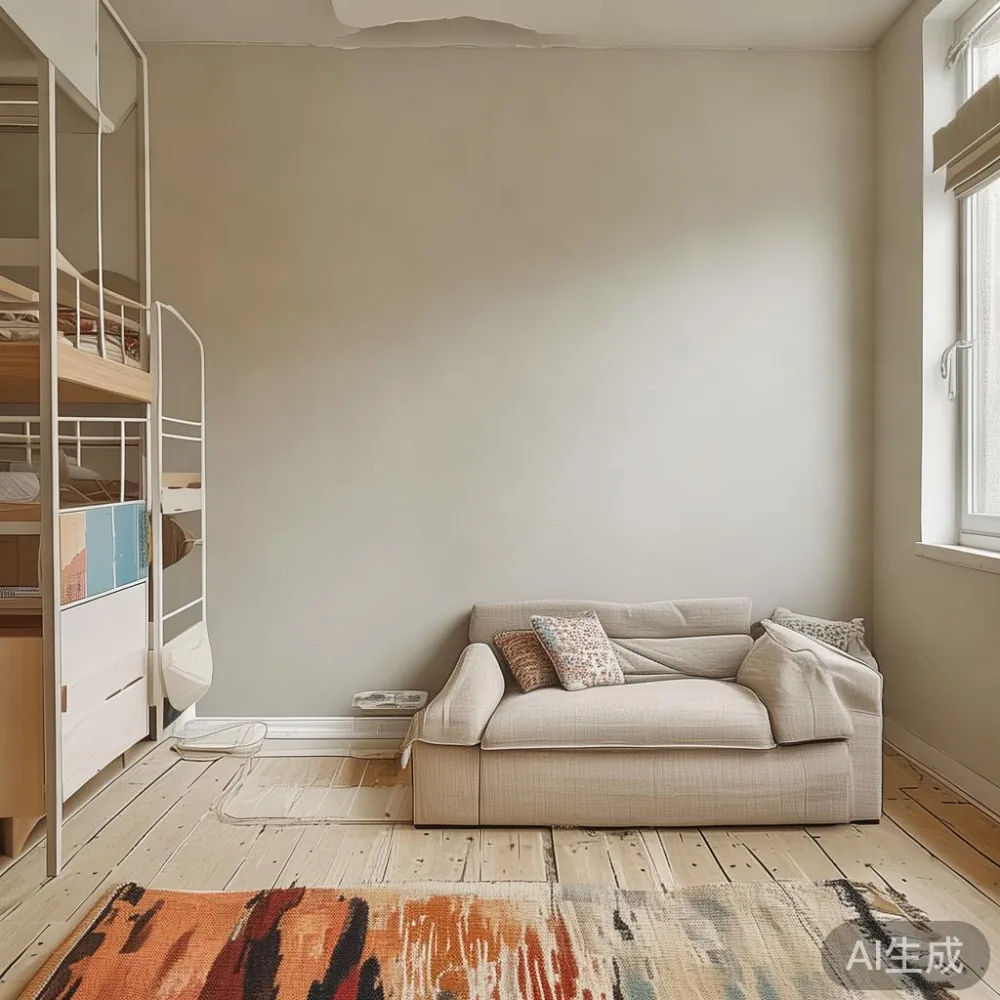
Singapore’s climate adds another challenge. Outdoor relative humidity can rise above 80% during wet periods, while air-conditioned rooms may fall below 50%. Those swings encourage timber movement and can stress joints or coatings. A reading room with a solid wood bed frame should therefore have sensible separation from walls, floors, and strong air-conditioning outlets.
Heat is common too. A window in Tampines or Punggol may receive strong sun, while a lift lobby or corridor can feel warm and damp. I tested 3 lacquer samples last month: one pale cream, one muted blue, and one walnut-toned finish. I placed them near a west-facing window for 21 days, wiped one sample daily and left another untouched. The untouched cream finish picked up visible grey marks; the regularly wiped sample cleaned more easily because soil had not hardened.

None of the samples was ruined, but the test showed why a child’s bedside surface should not become a resting place for damp washcloths or toy vehicles.
What everyday cleaning tools and methods should I use?
Begin with a soft, lint-free cloth, preferably cotton or microfibre, and lukewarm water. A mild, fragrance-free dish detergent diluted with roughly 1 teaspoon in a 500 ml cup is usually enough for fingerprints and small food marks. Spray the cloth rather than the lacquer, then wipe in the direction of the grain. Excess water can enter joints, so keep the fabric damp, never dripping.
Do not use wire wool, abrasive pads, magic erasers, ammonia, bleach, paint thinner, or concentrated alcohol. Test any unfamiliar cleaner on a hidden 5 cm area and wait 24 hours. Even diluted vinegar deserves caution on some lacquers; it can dull a satin surface or attack certain sealers. Avoid using a household disinfectant as a default cleaning product, since repeated chemical exposure may haze the finish.
Clean spills promptly. Wipe juice, paint, or coloured pens within 5 minutes where possible, using a dry cloth first and a lightly dampened cloth second. Crayon can soften with a barely damp cloth warmed gently by hand, but scraping with a fingernail or blade can scratch the lacquer. A plastic scraper held at a shallow angle is safer than a metal edge.
After cleaning, use a second clean cloth to remove moisture. Follow the cleaning routine once a week during humid weather and every 2–3 weeks when the room is well ventilated and lightly used. Avoid polishing lacquer unless the manufacturer specifies a compatible product. Silicone spray, furniture wax, and oil-soaked cloths can leave a greasy film that attracts dust.
How do humidity, sunlight, and temperature affect the finish?
Aim for relative humidity around 45–65% where the building’s systems allow it. In an HDB flat or condo, that may mean running air conditioning or a dehumidifier for 1–2 hours after outdoor humidity rises. Check the meter rather than guessing. Keep the children’s wardrobe and bed frame 5–8 cm away from external walls when installation permits, and avoid placing a nightstand directly under an air-conditioning vent.
Sunlight can fade pigment and create a noticeable colour difference. Move a lacquered dining table away from a window receiving more than 2 hours of direct afternoon light, or add a curtain that filters at least 50% of glare. UV film on glass can reduce UV exposure without blocking all daylight. Rotate small decorative objects every 2–3 months so one patch does not become disproportionately dark or pale.
Warm rooms also need airflow. Keep 10–15 cm of clearance around the back of furniture where possible. If a lift or corridor is only 90 cm wide, arrange delivery so a two-person team can carry the package without dragging it against walls or metal lift rails. Measure the lift door, cabin height, and turning corners before accepting a large wardrobe; a 180 cm tall carcass may fit upright in one lift but not through a narrower service route.
How often should lacquer be inspected, and what signs need attention?
Inspect a visible lacquered panel every 6 months. Look for dull patches, fine scratches, lifting at edges, pinholes, trapped moisture, or colour fading. A small mark under 5 cm can often be treated with a manufacturer-approved touch-up product. A crack crossing several centimetres, a lifted corner, or widespread haziness needs professional assessment rather than home sanding.
Do not sand a lacquered finish yourself. Removing the coating may expose the base timber and create a large bare patch. For a scratch in a children’s room, photograph it under daylight, measure its length, and record the finish colour and sheen. That record helps a repairer match the coating if a local touch-up is possible.
Check moving parts as well. Hinges on a lacquered wardrobe should be tightened if they begin to droop; forcing a swollen door can split a lacquered edge. A solid wood bed frame should be checked at the slats and joints, while a solid wood sofa should be kept away from damp towels and wet cushions. If a marble table is used in the same room, wipe its stone separately and keep acidic drinks away from both marble and lacquer.
Warranties vary by component and finish, so retain the receipt, finish specification, and care instructions. MIDHILL offers a 10-year structural warranty on qualifying furniture and lifetime refinishing, which can be valuable for a solid wood bed frame or dining table, but routine surface care remains the owner’s responsibility.
How do I choose furniture that suits a tropical kids room?
Choose proportions and finishes for the room before choosing decoration. In many Singapore HDB flats, a 280–330 cm corridor may be the main route to a bedroom, and lifts may be narrow enough to rule out oversized pieces. A children’s wardrobe at 120 cm wide can provide useful hanging space without blocking the door, provided the door swing and 60 cm circulation route remain workable.
For a compact room, solid wood furniture with clean edges gives visual order. A 90 cm solid wood sofa can be used in a family lounge, while a smaller 140–160 cm bed frame may suit a study or shared room. Before ordering, ask for the packed dimensions rather than relying only on assembled dimensions. Allow at least 5 cm of extra room for packaging and turning through the lift.
Design references can help without overwhelming a practical room. A French provincial bed may suit a child’s bedroom when its curves and pale timber are balanced with simple storage; a useful lesson from how to choose French provincial bed is checking every protruding edge, corner, and rail in a room where children pass quickly. A solid wood sofa or bed frame in an American light luxury style can work when the silhouette is restrained, the palette is warm grey, oat, or muted blue, and the room still has 20–30% open floor area.
For a coffee table in an adjoining lounge, an European light luxury coffee table with a marble top may provide a clean focal point, though it should be positioned away from active play. Japanese for small living room storage ideas can also inform a compact kids room: use vertical storage, shallow drawers, and closed boxes instead of crowding the floor.
If the budget is around SGD 1,800–2,800 for several coordinated pieces, compare dimensions, wood species, finish layers, and delivery access carefully. A lower purchase price may not account for lift removal, stairs, or damage repair. Confirm the GST-inclusive price and delivery days before payment.
For room planning, search terms such as under 2000 Mid-century modern furniture or Japanese for small living room can generate useful layout references, but every item must be checked against actual clearance. When assessing how to choose American sofa for a small HDB lounge, measure the door opening and the distance from the sofa arm to the coffee table; 40–45 cm is a comfortable walking gap, while 30 cm is tight for a child carrying a toy.
How should delivery, returns, and long-term ownership be planned?
Delivery planning protects both the lacquer and the household. Ask the supplier whether the furniture arrives fully assembled or in cartons, and photograph the packaging before opening it. For a fragile marble table, select a delivery date when someone can receive the package. For lacquered panels, reject visibly crushed corners, torn wrapping, or damp carton surfaces before the driver leaves.
Singapore delivery commonly takes 7–14 days for stocked configurations, though made-to-order pieces can take 4–8 weeks. Confirm whether the stated period is in working days, and ask whether lift or corridor access is included. A service lift with an internal height below 190 cm may not accept a 200 cm wardrobe packed upright, so tilting or disassembly may be necessary.
Free shipping over US$350 does not remove the need to check local terms; confirm the Singapore delivery charge in SGD at checkout. GST is normally shown separately on a Singapore invoice. Keep the serial number, care leaflet, and finish batch information for future touch-ups.
Returns are easier when the furniture has not been assembled, drilled, or covered with adhesive labels. If a lacquered surface arrives with a defect, photograph it within 24 hours, keep the protective film in place, and contact the supplier. A 14-day returns policy may have condition and size rules, so read the product page before refusing delivery.
Finally, create a care card for the family. Record the finish name, cleaning dilution, monthly humidity target, and the person responsible for weekly wiping. Keep 2 clean cloths, a soft brush, and mild detergent in a fixed location. In a tropical climate, consistency matters more than occasional aggressive treatment: wipe gently, control moisture, protect from sunlight, and address small marks before they grow.