How to Match Kids-Room Furniture to a Warm Minimal Interior
A warm minimal kids room is not an empty white box. It is a calm, practical space where pale timber, soft textiles, rounded furniture, and a few durable pieces make daily family life easier. In Singapore, that balance matters: an HDB flat may have only 1 bedroom for 2 children, a condominium bedroom may share a compact study, and every bulky item must still pass through a lift and corridor without damaging the home or the neighbours’ shared spaces.
I visited a family in Tampines last month to review a proposed children’s layout. Their old bunk bed measured 198 cm in length and 96 cm across the ladder side, but the condo lift opening was only 90 cm wide. The bed could not enter without dismantling the ladder and side rails. Their replacement was a 190 cm solid wood low bed with removable guardrails, rounded corners, and a lower loading height. That single measurement changed the design more than any colour swatch. At MIDHILL, the same attention to scale, structure, and finish is why a kids-room plan begins with the lift opening, door width, and circulation route rather than with a catalogue image.
What does warm minimal mean in a kids room?
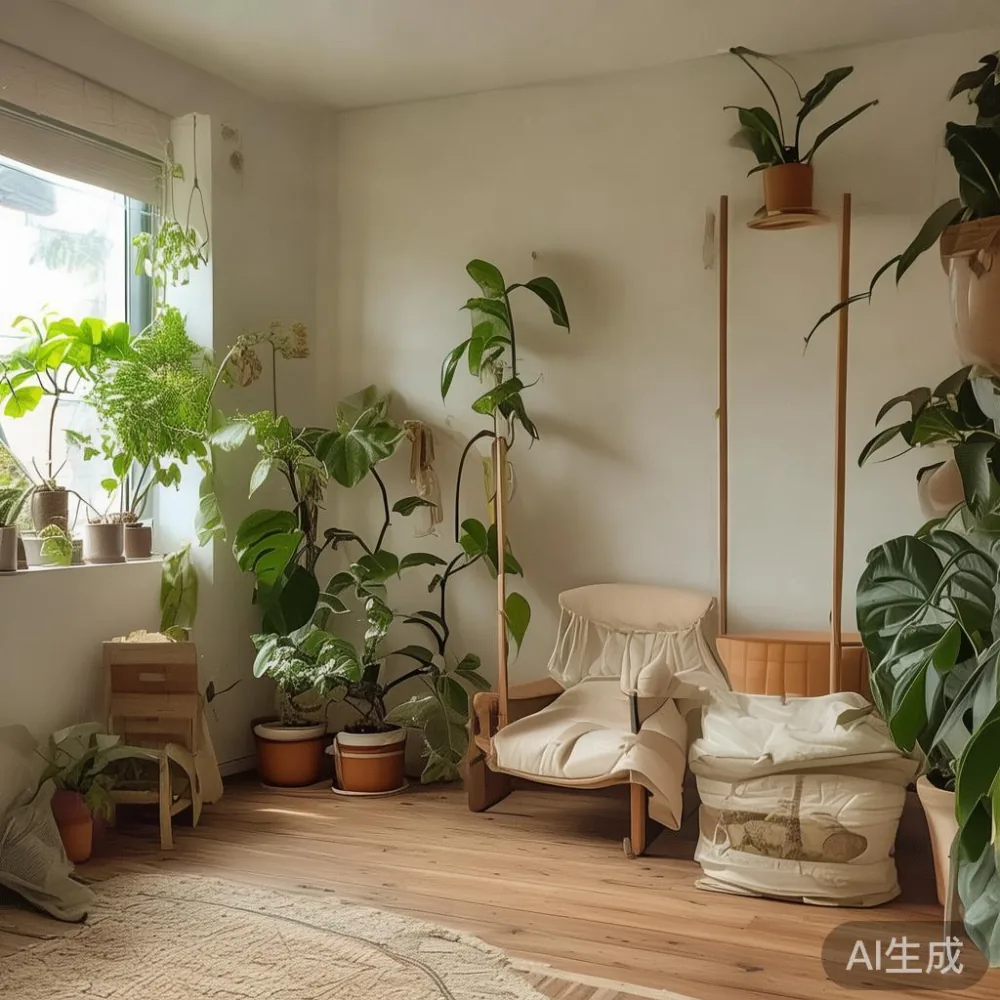
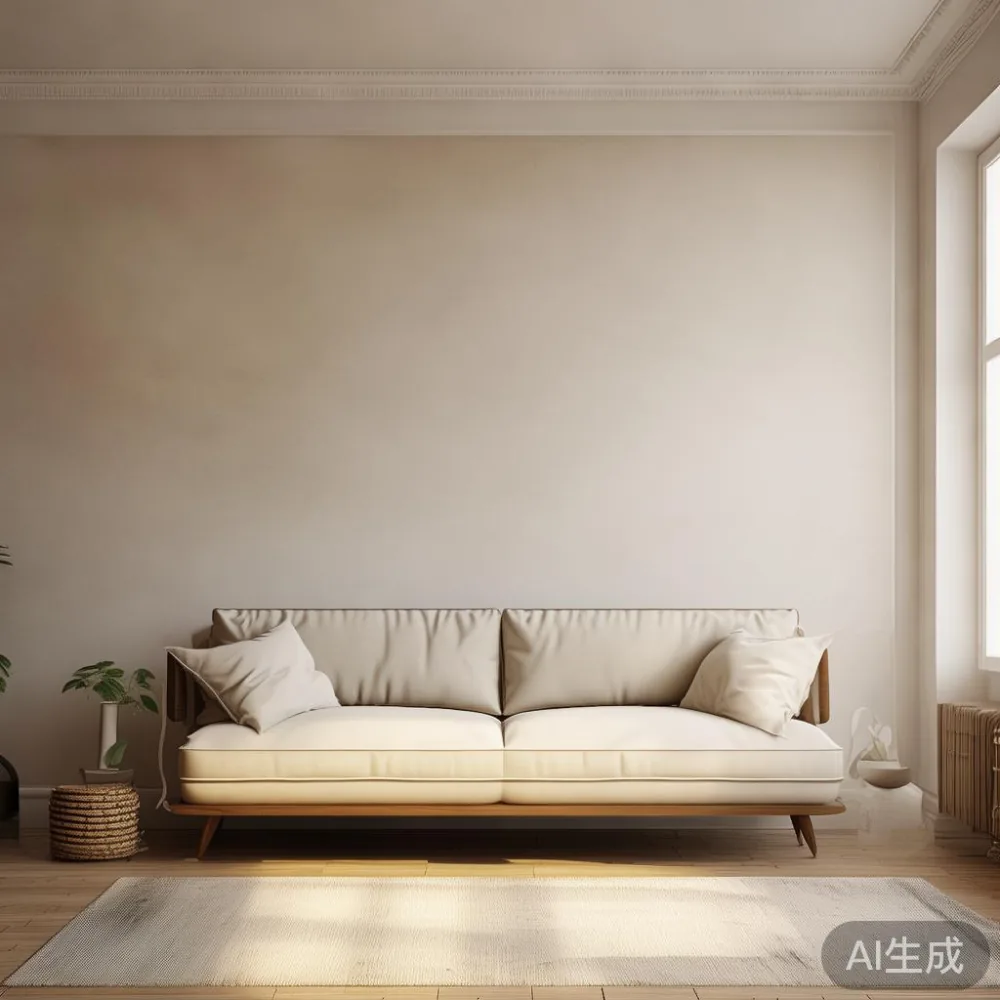
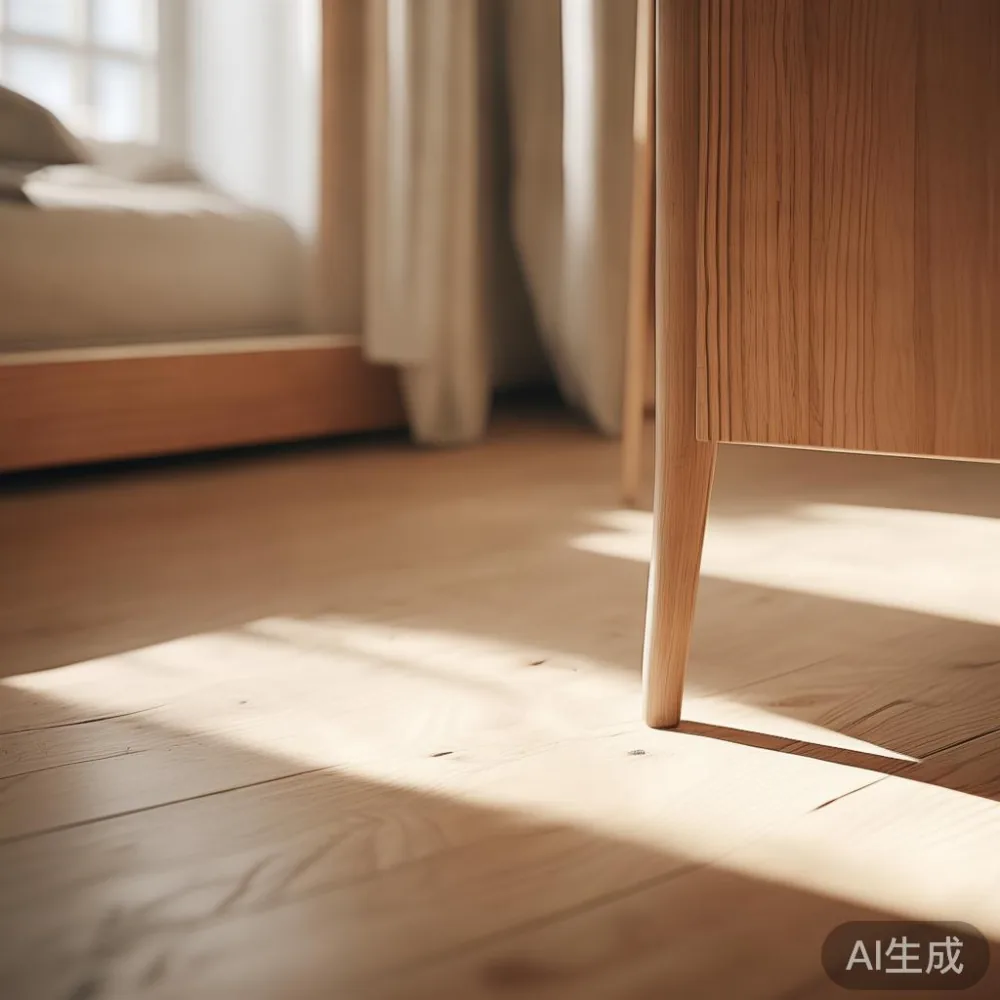
Warm minimalism uses fewer forms, lighter colours, and materials that reveal their natural character. For children’s furniture, solid oak, beech, ash, or walnut-toned wood can replace the clinical look of high-gloss laminate. A light oak finish reflects daylight without making the room visually cold. Cream walls, oatmeal fabric, and a muted terracotta or sage accent add warmth, while simple frames keep the layout readable.
The goal is controlled comfort rather than sparse perfection. A child’s room still needs storage for clothes, books, toys, school bags, and possibly a water bottle. Minimum design also means reducing visual noise: closed storage handles most items, open shelves are limited to 2 or 3 per wall, and cords are routed in surface-mounted channels that can be accessed safely.
Think of French light luxury as a useful reference for the softer side of minimalism: pale upholstery, delicate profiles, discreet handles, and carefully balanced negative space. Post-modern light luxury offers another route through curving edges, gentle asymmetry, and warmer timber. For a child’s room, those ideas should remain child-suitable. A marble table may suit a spacious bedroom, but a stone top should not be placed where a child can pull on it. A slim pedestal, a floor lamp with a stable 28 cm base, or a narrow nightstand is usually more sensible.
How do you measure a Singapore bedroom before buying furniture?
Begin with the room and the route to it. Measure the finished wall-to-wall length at 3 points: floor, 90 cm height, and 200 cm height. Singapore HDB and condo walls are rarely perfectly square. Note skirting depth, window sills, sockets, air-conditioning outlets, and the position of the room door.
For delivery, record the lift door width and internal diagonal, corridor turning space, and any staircase width. A common HDB lift interior is roughly 110 cm wide and 140 cm deep, but the usable opening may be only 80–90 cm. Condo service lifts can be larger, yet private-lift booking periods may add 3–7 days to the delivery schedule. Ask the supplier whether a furniture item can be split into modules, and confirm the packed dimensions rather than relying on product-page dimensions alone.
Place the child’s bed away from direct sunlight and air-conditioning airflow. Leave at least 60 cm beside the long side for a child to walk, 45 cm at the foot if a wardrobe shares the wall, and 75–90 cm in front of a wardrobe door. For a shared room, aim for a 90 cm gap between two beds where possible. These are planning guidelines, not fixed building rules; a compact room may require a 75 cm path.
Budget in SGD before ordering. A small solid wood nightstand might range from SGD 180 to SGD 450, a 120 cm solid wood bed frame from SGD 450 to SGD 1,100, and a modular wardrobe from SGD 1,200 to SGD 2,800. GST is generally 9% in Singapore, so the payable total should be calculated from the invoice price rather than estimated by memory.
Which solid wood pieces create a calm, warm kids room?
A solid wood bed frame gives the room an architectural centre. A low profile feels visually lighter and lowers the climb height, while a 20–25 cm guardrail can provide support for younger children. Avoid decorative cut-outs that catch fingers or removable rails with gaps wider than 8 cm. The mattress should fit snugly, with no more than a 2 cm gap around the edge, and the frame should have softly radiused corners rather than sharp 90-degree arrises.
A solid wood sofa can be a useful reading seat, but choose a firm, low seat around 30–38 cm high with washable, tightly woven fabric. For apartment bedrooms, a compact version measuring 140–160 cm wide and 78–85 cm deep preserves circulation. The phrase best Nordic sofa for 2026 is often used in living-room roundups, yet the same light-wood, straight-lined vocabulary works for a child’s reading corner. Keep loose cushions limited to 2–4 because they soften the room but can create hazards during floor play.
A dining table can also function as a homework and craft surface. A 120 × 60 cm solid wood model with an 8–10 cm apron leaves room for two children to sit opposite each other, while a 140 × 70 cm version suits 3 children. Round edges make shared use easier. Chairs should have a 30–34 cm seat height and short enough legs to tuck beneath the table without striking the frame.
Storage should follow the room’s real routine. A 90 cm wardrobe may be sufficient for one child if hanging clothes occupy no more than 100 cm and school items live elsewhere. A 120 cm unit with adjustable shelves handles a larger wardrobe. Solid wood nightstands are useful beside a bed, but a wall-mounted shelf at 90 cm height can preserve floor space. Drawers should have stops, and any open storage above 120 cm should include a secure fixing point.
How do you style an American wardrobe in an apartment?
American-style storage in an apartment often refers to straightforward, generously proportioned pieces with panel doors, visible rails, and practical compartments. If you are comparing options, the phrase best American wardrobe for 2026 points toward modular sizing, durable runners, and clear internal organisation rather than a specific decorative style.
For compact Singapore rooms, a full-height American light-luxury wardrobe can be visually substantial. Keep the door faces pale or use matching wall paint so the unit blends into the architecture. A 210–220 cm tall cabinet with a 60 cm depth is common, but a 180–200 cm “half-height” wall solution can make a child’s room feel less compressed. It is also easier to access in a HDB flat where the ceiling and hallway dimensions are modest.
The practical guide to how to style American wardrobe in apartment interiors is to make the exterior quiet and the interior adaptive. Place frequently used items between 60 and 140 cm high, reserve the lower shelf for heavier clothes and toys, and use 4–6 matching boxes or baskets for small items. Door handles should project only 4–7 cm if they sit near a walkway. Avoid placing the wardrobe opposite a child’s bed door if the door opens into the room; it can obstruct the opening by up to 60 cm.
French wardrobes bring a different visual language. Fluted glass, slim brass-toned pulls, and arched panels can make a child’s bedroom feel tailored, but those details need space and careful handling. A useful reference is how to style French wardrobe in bedroom layouts: use one ornate element, repeat the same warm timber elsewhere, and keep bedding simple. In a small room, a fluted-front wardrobe might work while a heavily carved unit would make the walls feel narrower.
Should a child’s bed follow American or Nordic design?
The American bed vs Nordic bed comparison is less about national style than construction, dimensions, and visual weight. Nordic-inspired frames commonly use pale timber, clean rails, and minimal ornament. American light-luxury beds often show stronger proportions, upholstered headboards, or more substantial posts. Both can suit a warm minimal child’s room if the scale and finish are right.
For children aged 3–8, a low solid wood frame with a plain slatted headboard is durable and easy to maintain. A fixed 90 cm-wide guardrail on the refined side is useful, and an open-under-bed drawer can store 2 sets of bedding. A 140 × 200 cm mattress is common for a child aged 6–12, although growth varies; the bed frame and mattress should be selected together.
A higher American-style headboard can work if the room is at least 3.2 m wide. Its upholstered surface should use a tightly woven, removable cover, and the corners should remain rounded. Nordic-style low beds usually preserve more visual space and offer an easier climb, but their top rail must still meet the child’s current height needs. Avoid using a decorative headboard as the only guardrail.
Consider light luxury for hotel inspiration because hotel bedrooms are designed around compact circulation and readable storage. Borrow the lighting, bedside control, and calm palette, but select furniture with children’s safety in mind. A table lamp should have a weighted base, a protected cord, and a low-voltage bulb; a 45–60 cm shade can cast warm light without taking up much space.
How can you make light oak feel warm rather than stark?
Warmth comes from contrast in texture. Pair pale solid wood with an off-white wall rather than a blue-grey one. Add oatmeal cotton, sand-coloured curtains, a rust or muted olive rug, and 1–2 hand-placed objects such as a framed drawing. Limit the accent palette to 2 colours so the room remains calm.
Lighting should be layered. Use a warm-white ceiling light at approximately 3000 K, a bedside reading lamp at 2700–3000 K, and a low-level night light below 1.5 W for independent movement after lights-out. Keep the main ceiling fixture centred rather than adding 5 unmatched fittings. If the room lacks natural light, a wall shelf and pale rug can reduce the hard visual effect of large storage doors.
Textiles need performance as well as colour. Choose machine-washable covers, a rug with a low pile under 8 mm, and curtains that stop 1–2 cm above the floor for easier cleaning. For Singapore humidity, solid wood furniture should arrive acclimatised and be kept 10–15 cm away from walls where possible. Wipe with a slightly damp cloth, dry immediately, and avoid steam near joints.
A small room benefits from a mirror, but position it to reflect daylight rather than the bed entrance. A full-length mirror mounted flat against a door can add depth without a floor stand. Open shelving can visually expand the room, yet it should not sit directly above a child’s sleep area. Keep 30 cm of clear space above the bed, and secure shelves into suitable wall anchors.
What should you check before a kids-room furniture delivery?
Check the actual product specifications, not only the finish shown in a photograph. For solid wood furniture, look for the wood species, panel construction, joinery, finish type, load rating, mattress compatibility, and whether the item is flat-packed or fully assembled. A 10-year structural warranty should cover the frame under defined domestic use, while the lifetime refinishing service applies to eligible solid wood surfaces under the supplier’s terms.
Confirm the packed size, number of cartons, gross weight, assembly requirement, and delivery lead time. In Singapore, allow 7–14 working days for made-to-order children’s furniture and 2–5 days for stock items, subject to the chosen service. A loading plan matters: protect the lift with a 2 mm floor sheet, reserve the service lift if required, and ensure the delivery crew can reach the unit without moving another household’s possessions.
Delivery should not end the quality check. Inspect corners, guardrails, drawer runners, wardrobe hinges, and finish for transit marks within 24 hours of arrival. Assemble the furniture in the room, level it, and tighten fixings after 48 hours. Most sellers offer a 14-day return window, but custom sizes, personalised finishes, and used items may be treated differently, so confirm exclusions before purchase.
MIDHILL exports to more than 15 countries and supports Singapore buyers with delivery planning for local homes. MIDHILL’s 10-year structural warranty and lifetime refinishing policy also make maintenance part of the design story rather than something left until a scratch appears. For orders above US$350, the stated free-shipping threshold may apply, but the currency, destination, and remote-area exclusions should be verified before checkout; local prices are shown in SGD.
A successful kids room should make the next 10 years feel easier: a bed a child can use safely, storage adults can access, and finishes that can tolerate ordinary family life. Warm minimalism works best when restraint is balanced with comfort and every piece has been measured against the room, the delivery route, and the way children actually live.