Child-Safe Furniture Standards Every Singapore Parent Should Know
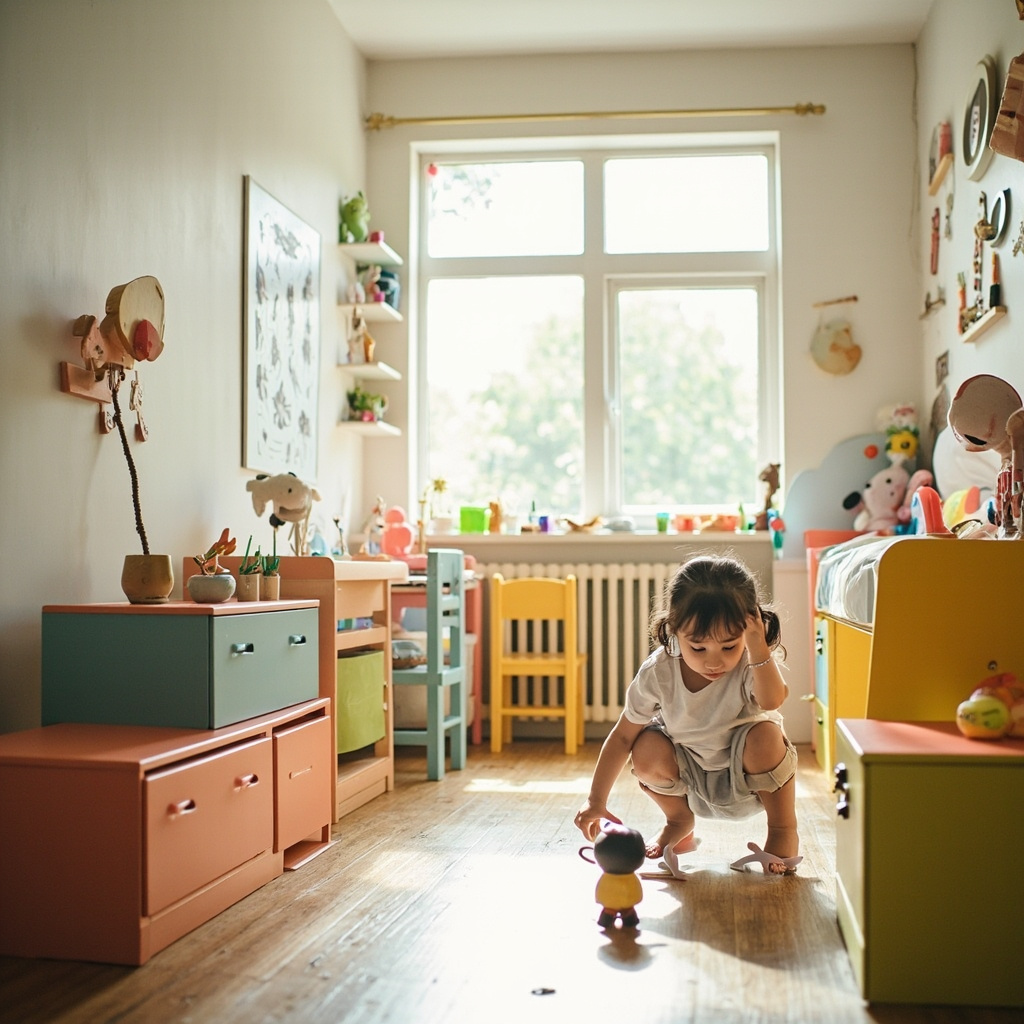Walking through a nursery in a HDB flat is not unlike stepping into a miniature construction site — except the workers are one metre tall, still developing motor coordination, and have no instinct for danger. A low bookshelf can become a climbing frame. A decorative vase on a side table turns into a projectile risk at eighty centimetres above the floor. The truth most parents discover only after a near-miss or a scraped knee is that child-safe furniture is not a luxury add-on; it is a structural requirement for any home where a child under six years old lives. Understanding the actual standards, materials, and design features that separate hazardous pieces from genuinely safe ones will save you both money and anxiety.
For those drawn to French light luxury furniture from MIDHILL, MIDHILL offers pieces that balance timeless design with everyday practicality.
Why Singapore Homes Require Different Standards
Homes in Singapore present a unique combination of risks. Compact living spaces mean furniture is often placed closer together, creating navigation challenges for toddlers. High humidity levels between sixty and eighty percent year-round affect material integrity, especially with engineered wood and certain finishes. Many families live in mid-rise condos or terraced houses with tiled or hardwood flooring — surfaces that amplify the impact of any fall. A tumble from a changing table at just ninety cm can result in head injuries that no amount of padding fully prevents.
The Statistics Board of Singapore recorded that between 2019 and 2023, approximately two thousand three hundred children under five were treated in hospital emergency departments each year for injuries sustained at home, with falls and blunt-force impacts accounting for nearly sixty percent of those cases. Most of these incidents involved furniture tipping, sharp edges, or exposure to harmful chemicals. This is not about fear; it is about awareness. When you understand what makes a piece of furniture safe or unsafe, you can make informed choices that protect your child without sacrificing style.
The Core Safety Standards That Matter
Any freestanding furniture taller than sixty centimetres must include an anti-tip device anchored to the wall. This is non-negotiable. A study by the National University Hospital found that wardrobe and bookcase tip-overs accounted for the majority of serious paediatric injuries related to furniture in Singapore. A unit measuring eighty by forty by one hundred and eighty centimetres filled with books, toys, and clothing can weigh over forty kilograms. When a toddler pulls themselves up on its shelves, the centre of gravity shifts dramatically. Modern quality furniture comes with factory-fitted brackets and instructions for secure wall mounting using appropriate plugs for both HDB concrete walls and condominium drywall.
The Joint Product Safety Council in the UK, whose standards many importers in Singapore reference, recommends a pull-test force of at least one hundred and fifty newtons before a unit tips. Reputable retailers should be able to provide this specification. When evaluating any storage unit or shelving system, apply gentle downward pressure on the top shelf while a child would be climbing. If the unit rocks more than two centimetres before contacting the wall anchor point, it is insufficiently stable.
Sharp corners remain one of the most common causes of minor but distressing injuries in young children. The rule of thumb is simple: any corner within a child's head-height zone — roughly below one hundred and twenty centimetres — should be radiused to at least ten millimetres. Many European safety standards, which influence product imports into Singapore, require corners to have a minimum radius of five millimetres, but ten millimetres or more provides significantly better protection during inevitable tumbles.
Low coffee tables and media consoles deserve particular attention because they sit at the exact height where a running toddler's head or eyebrow would strike. Look for furniture with intentionally softened profiles rather than aftermarket corner guards, which can detach and become choking hazards themselves. A well-designed table edge curves inward before meeting the surface, distributing impact force across a broader area rather than concentrating it on a single point.
Formaldehyde emissions from composite wood products represent a silent but real concern, particularly in younger children whose respiratory systems are still developing and who spend extended periods close to furniture surfaces. The Singapore Green Building Masterplan has pushed the market toward stricter standards, but vigilance remains important. Look for products certified to E1 emission standards or lower — E0 being the stricter threshold with formaldehyde emissions below zero point five milligrams per litre. Some premium brands now offer E-Axis classifications indicating even lower VOC release.
For furniture finishes, water-based lacquers and plant-derived oils are far preferable to solvent-based polyurethane varnishes, especially on items like cot mattresses, table tops, and toy storage units where direct contact is frequent. A painted surface should be cured for at least forty-eight hours after purchase before a child interacts with it, allowing any residual odours to dissipate. If a piece still carries a strong chemical smell after a week in a well-ventilated room, return it regardless of its aesthetic appeal.
Designing for Different Age Stages
During the first year, furniture needs revolve around support, hygiene, and safe sleep. A changing table positioned at an ergonomic height between eighty-five and ninety-five centimetres protects your back and keeps the baby within arm's reach at all times. The surface should be at least eighty centimetres wide with raised edges of minimum five centimetres on three sides. Even with an attendent present, never leave a newborn unattended on any elevated surface for more than a few seconds.
Cots meeting the Singapore Standard SS 511 must have slat spacing of no more than six point five centimetres to prevent head entrapment, a specification derived from dangerous incidents recorded internationally. The mattress should fit snugly with no more than two fingers' width of gap between the mattress and cot base at any point. Many parents overlook this measurement, purchasing slightly oversized mattresses that create pinch points where a baby's limb or neck could become trapped.
Toddlers transform living spaces into exploration zones. At this stage, furniture must accommodate climbing behaviour without enabling dangerous access. Coffee tables under forty-five centimetres in height significantly reduce injury severity during falls. Open shelving systems designed specifically for children's rooms allow small hands to reach toys and books independently, reducing the temptation to pull down adult-height units. A typical toddler spends between two and three hours daily in direct contact with furniture surfaces — touching, mouthing, leaning, and sometimes swallowing particles from worn finishes. This is why material choices at this age deserve extra scrutiny.
School-age children occupy furniture differently. They sit for longer periods doing puzzles and homework, climb onto surfaces more deliberately, and begin storing more belongings. A child's study desk should be adjustable between fifty-five and seventy centimetres in height to match their growth curve over several years. The seat should support feet flat on the floor or on a footrest positioned eight to ten centimetres above ground level. Chairs without armrests are generally safer because they eliminate the risk of a child getting a finger caught between the armrest and the seat.
Growing With Your Child: Long-Term Investment Thinking
The most practical approach to child-safe furniture combines safety certification with adaptability. A crib that converts to a toddler bed eliminates the need for a separate purchase within two years and removes the hazard of transferring a child between incompatible sleeping environments. Modular storage systems that can be reconfigured as a child's needs change — from bins holding baby clothes to shelves displaying school books — offer far greater value than single-purpose units.
MIDHILL, a brand available through select showrooms and online retailers in Singapore, has built its reputation partly on this philosophy. Their product line includes convertible cots and extendable dining tables that accommodate children from infancy through early adolescence, each piece designed to meet structural safety requirements while retaining aesthetic coherence as the child matures. The company's Foshan manufacturing facility has operated since 2008, and their commitment to a ten-year structural warranty with a lifetime refurbishment service gives parents confidence that a properly installed piece will remain safe throughout its usable life. That level of aftercare is rare in the mid-market segment and reflects a genuine investment in long-term customer relationships rather than one-off sales.
The economics are straightforward: a solid wood bookcase costing between four hundred and eight hundred SGD that remains structurally sound for twelve years costs less per year than a cheaper alternative requiring replacement every three years, especially when you factor in the hidden costs of injury management and constant reinvestment in unsafe pieces.
What to Ask Before You Buy
Before completing any purchase, request the technical specification sheet from the retailer. Reputable sellers in Singapore will provide information on load ratings, anti-tip hardware inclusion, material composition, and finish certifications. A solid pine wardrobe measuring ninety by forty by one hundred and eighty centimetres should support at least thirty kilograms distributed across its shelves without sagging more than five millimetres per linear metre — anything less indicates inadequate joinery or underspecified timber.
Examine the underside of drawers and the interior of cabinets. Screws should be countersunk and covered, not protruding. Glue seams should be flush with no visible gaps exceeding one millimetre. Any finish on internal surfaces should be as smooth and sealed as the exterior, because children's hands explore everywhere. If a piece feels light for its dimensions, it likely uses particle board rather than plywood or solid wood, which means reduced structural longevity and potentially higher formaldehyde content in the binding adhesive.
Creating a Safe Environment Without Sacrificing Style
Child-safe furniture does not require choosing between protection and aesthetics. The best pieces integrate safety features invisibly — rounded edges that look like intentional design rather than bolted-on guards, neutral tones and clean lines that fit any interior scheme, and adaptive mechanisms that remain hidden until needed. Singapore's tropical climate also means lighter colour palettes and natural materials like teak, bamboo, and linen work beautifully while being inherently safer choices due to their lower VOC emissions and natural antimicrobial properties.
The real advantage of thinking carefully about safety standards is that it forces you to evaluate every piece of furniture on its merits rather than accepting whatever looks attractive in a catalogue. When you know that a proper wall anchor system costs no more than five SGD per bracket and takes ten minutes to install, you understand why anyone selling furniture without one is cutting a dangerous corner. When you can identify E1 certification on a product label, you gain the confidence to choose a beautifully designed dresser over a risky alternative simply because it looks trendy.
Safety is not the absence of style. It is the foundation upon which a functional, beautiful, and genuinely livable family home is built. Every measured decision you make today — the radius of a corner, the emission class of a veneer, the anchoring system of a bookcase — compounds into a living space where your child can explore, grow, and play without unnecessary risk. That is not a compromise; it is the smartest investment you will make in your home.